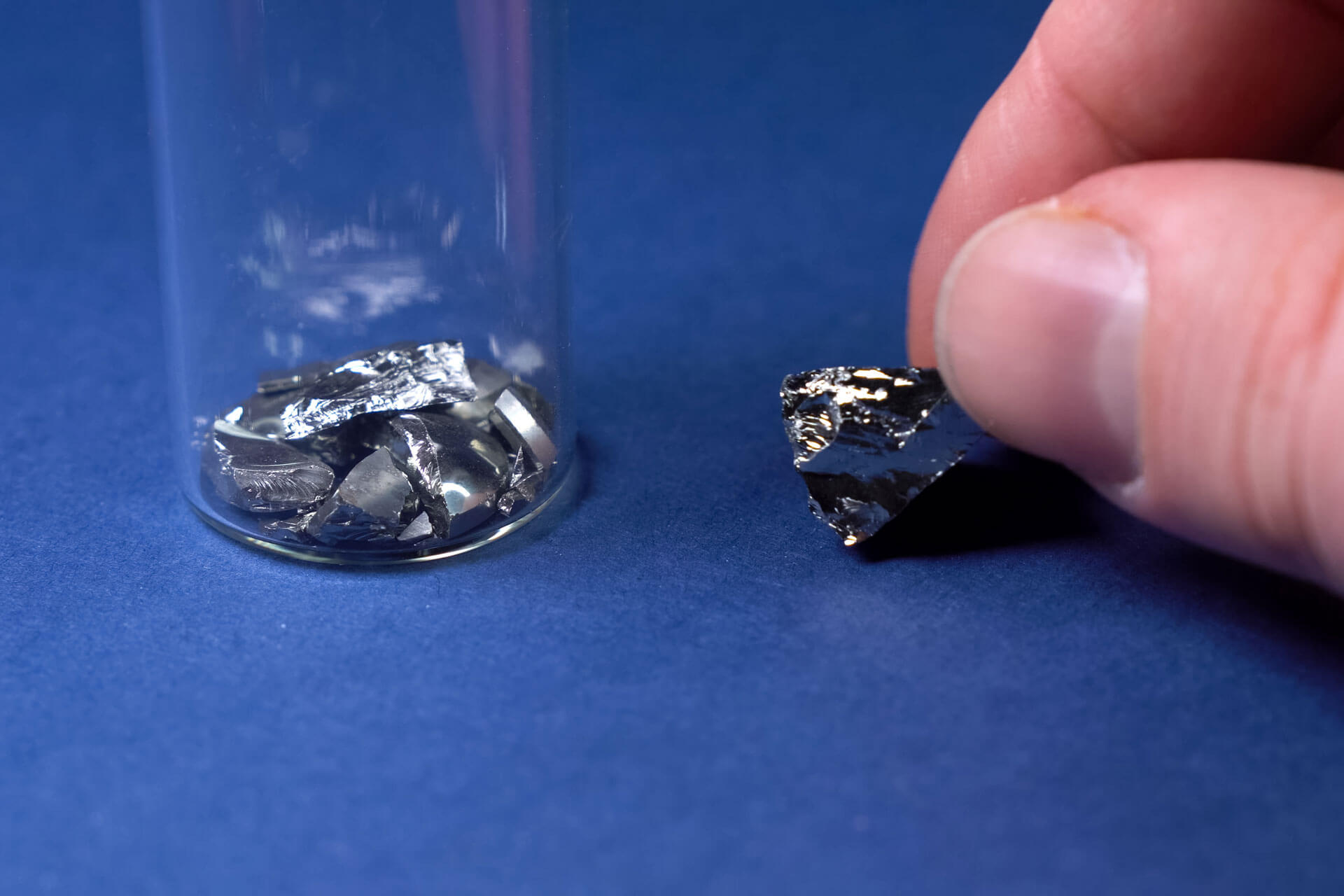
Export Control Law that may involve rare earth will take effect from December 1

Published: Oct 19, 2020 16:02
The 22nd session of the Standing Committee of the 13th National People's Congress formally adopted the Export Control Law (official draft) on October 17. The law includes five chapters, including general principles, control policies, lists and measures, supervision and management, legal responsibilities and supplementary provisions, totaling 49 articles. It will come into effect on December 1, 2020. In addition to traditional dual-use items, military products and nuclear products, other "goods, technologies, services" related to the maintenance of national security and interests and the performance of international obligations such as non-proliferation are also included in the scope of control.

SHANGHAI, Oct 19 (SMM)—The 22nd session of the Standing Committee of the 13th National People's Congress formally adopted the Export Control Law (official draft) on October 17. The law includes five chapters, including general principles, control policies, lists and measures, supervision and management, legal responsibilities and supplementary provisions, totaling 49 articles. It will come into effect on December 1, 2020. In addition to traditional dual-use items, military products and nuclear products, other "goods, technologies, services" related to the maintenance of national security and interests and the performance of international obligations such as non-proliferation are also included in the scope of control.


Some market participants believe that the move may involve an important strategic resource—rare earth products, but according to SMM surveys, companies have not received relevant notices yet. It is recommended to continue to pay attention to the latest policy situation.


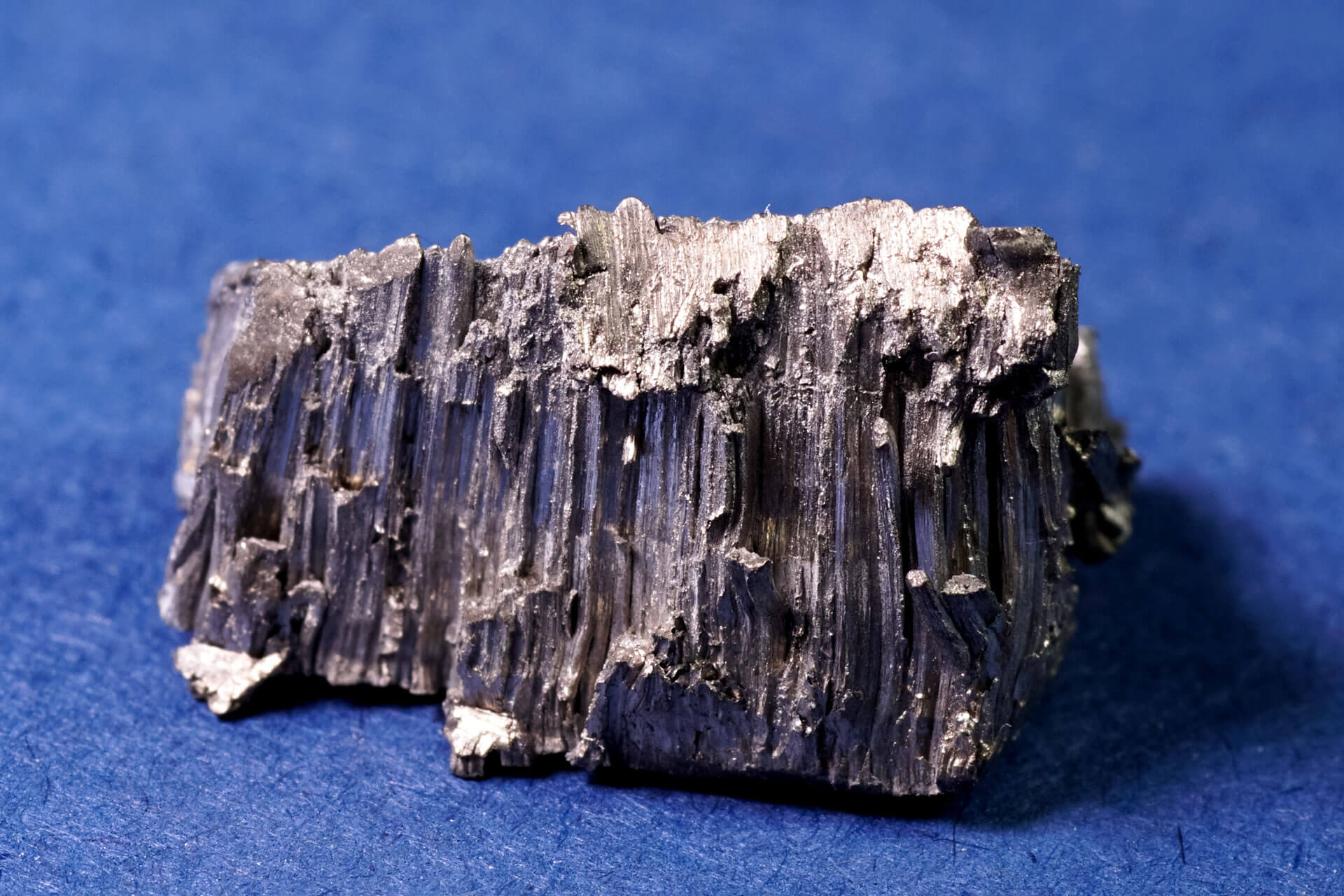
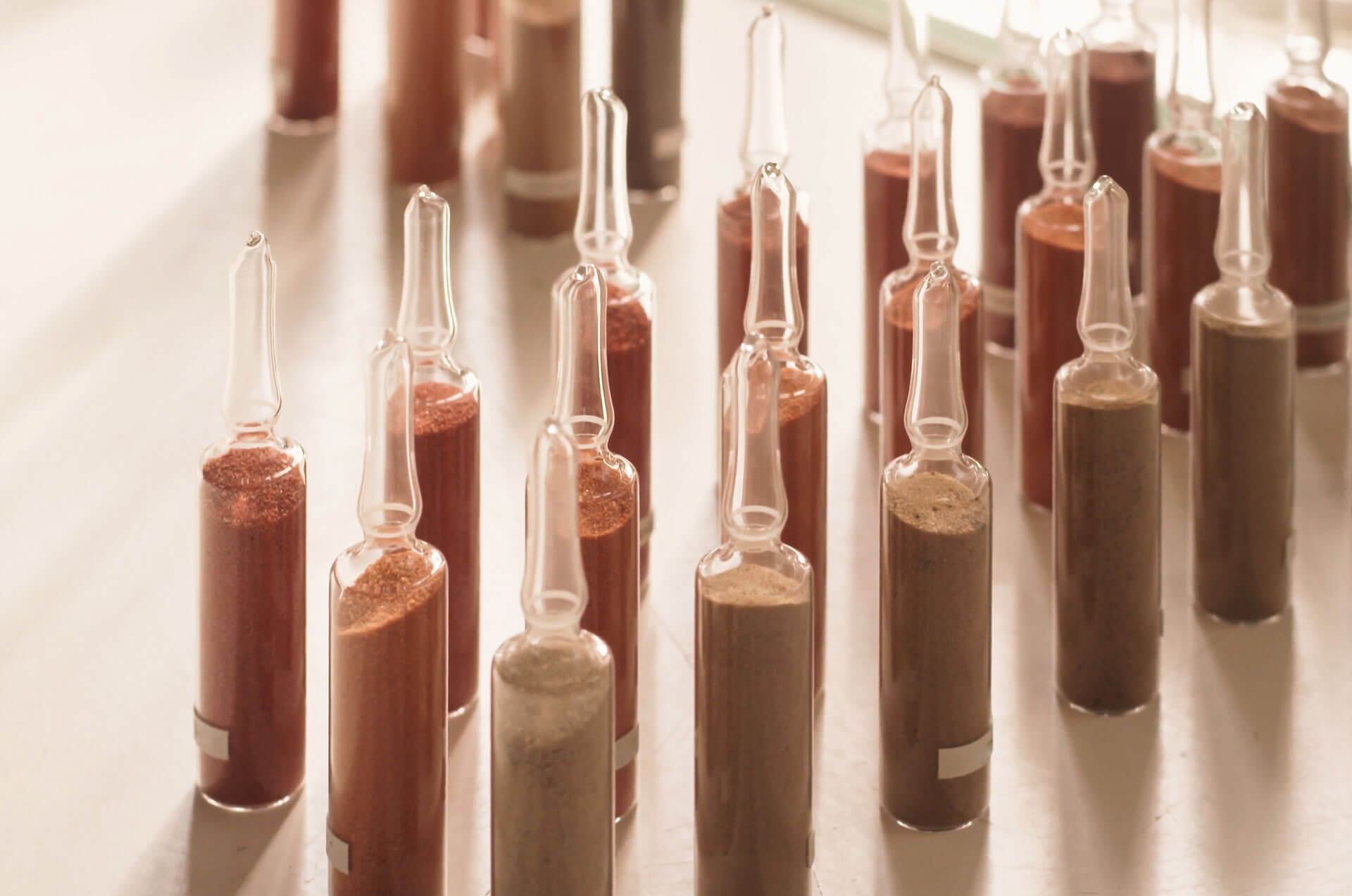
As a rare and non-renewable strategic resource, rare earth is known as the "industrial vitamin" and the "mother of new materials", and is widely used in fields of advanced science and technologies and military industry. For example:


In the process of steelmaking, only add a small amount of rare earth into steel can make the high-quality steel "stronger" and improve its service life;


In the military field, rare earth can greatly improve the alloy tactical performance of weapons and equipment. In the Gulf War for instance, the night vision device added with lanthanum became an overwhelming superiority of US tanks;


In the field of nuclear energy, gadolinium and its isotopes are the most effective neutron absorbers, which can be used as inhibitors to control the chain reaction level of nuclear power plants;

In daily life, rare earths are everywhere, ranging from mobile phone screens and digital cameras to missiles, radars and submarines.
Data Source Statement: Except for publicly available information, all other data are processed by SMM based on publicly available information, market communication, and relying on SMM‘s internal database model. They are for reference only and do not constitute decision-making recommendations.

For any inquiries or to learn more information, please contact: lemonzhao@smm.cn
For more information on how to access our research reports, please contact:service.en@smm.cn
Related News
Frontier Secures $20 Million and Signs Rare Earth Offtake Agreement
Feb 6, 2026 18:46
Frontier Secures $20 Million and Signs Rare Earth Offtake Agreement
Read More
Frontier Secures $20 Million and Signs Rare Earth Offtake Agreement
Luxembourg-based Frontier Rare Earths today announced it successfully obtained a $20 million investment from South Africa's Industrial Development Corporation (IDS) and signed an offtake agreement with France's Carester. The company has now initiated the final feasibility study for its South African magnet-use rare earth and battery-grade manganese project. Frontier Rare Earths is currently advancing the development of the Zandkopsdrift project in South Africa. The project is expected to achieve an annual capacity of approximately 3,038 mt of Pr-Nd oxide, 114 mt of dysprosium oxide, and 25 mt of terbium oxide over the first 25 years.
Feb 6, 2026 18:46
US Provides $565 Million in Financing for Brazilian Rare Earth Project
Feb 6, 2026 18:43
US Provides $565 Million in Financing for Brazilian Rare Earth Project
Read More
US Provides $565 Million in Financing for Brazilian Rare Earth Project
Serra Verde, a Brazilian rare earth element producer, announced today that the US International Development Finance Corporation (DFC) offered it a financing package worth $565 million, which also includes an option for the US government to acquire a minority stake in the company. Serra Verde’s Pela Ema ionic clay deposit in Brazil is scheduled to begin commercial production in 2024, with an expected annual output of 5,000 mt of total rare earth oxides, including dysprosium, erbium, neodymium, and praseodymium. Serra Verde plans to use the funds to refinance existing loan facilities and expand production capacity. The project aims to increase total rare earth oxide production to 6,500 mt per year by 2027.
Feb 6, 2026 18:43
US DFC Offers $565M Financing to Brazilian Rare Earth Project
Feb 6, 2026 18:42
US DFC Offers $565M Financing to Brazilian Rare Earth Project
Read More
US DFC Offers $565M Financing to Brazilian Rare Earth Project
[SMM Flash: US Provides $565 Million in Financing for Brazilian Rare Earth Project] Serra Verde (a Brazilian rare earth element producer) announced today that the US International Development Finance Corporation (DFC) has provided it with a financing package worth $565 million, which also includes an option for the US government to acquire a minority stake in the company. Serra Verde's Pela Ema ionic clay deposit in Brazil is scheduled to commence commercial production in 2024, with an expected annual output of 5,000 mt of total rare earth oxides, including elements such as dysprosium, erbium, neodymium, and praseodymium. Serra Verde plans to use the funds to refinance existing loan facilities and expand production capacity. The project aims to increase the annual production of total rare earth oxides to 6,500 mt by 2027.
Feb 6, 2026 18:42