SMM News: driven by a new round of scientific and technological revolution and industrial change, intelligence, electrification, networking and sharing are increasingly becoming a new trend in the development of the automotive industry. New trends and new changes have also brought a broader space for the development of automotive materials. But at the same time, with the increasingly fierce competition in the automotive industry, new requirements have been put forward for the price, quality, performance and application of automotive materials.
In order to meet the current challenges and promote the materials industry to improve the quality of supply, recently, at the "China Industry Expo New Materials Forum-2020 China Automotive New Materials Application Summit Forum" jointly organized by Shanghai Nonferrous Metals Industry Association, Shanghai Society of Automotive Engineering, Suzhou Die casting Technology Association and SMM Information & Technology Co., Ltd. About 600 guests from the upstream and downstream of the automotive, spare parts and new materials industries gathered together to discuss automotive materials solutions and explore the development path of innovative integration of new materials and the automotive industry.
Material enterprises speed up the pace of research and development
Improve the supporting supply capacity of products
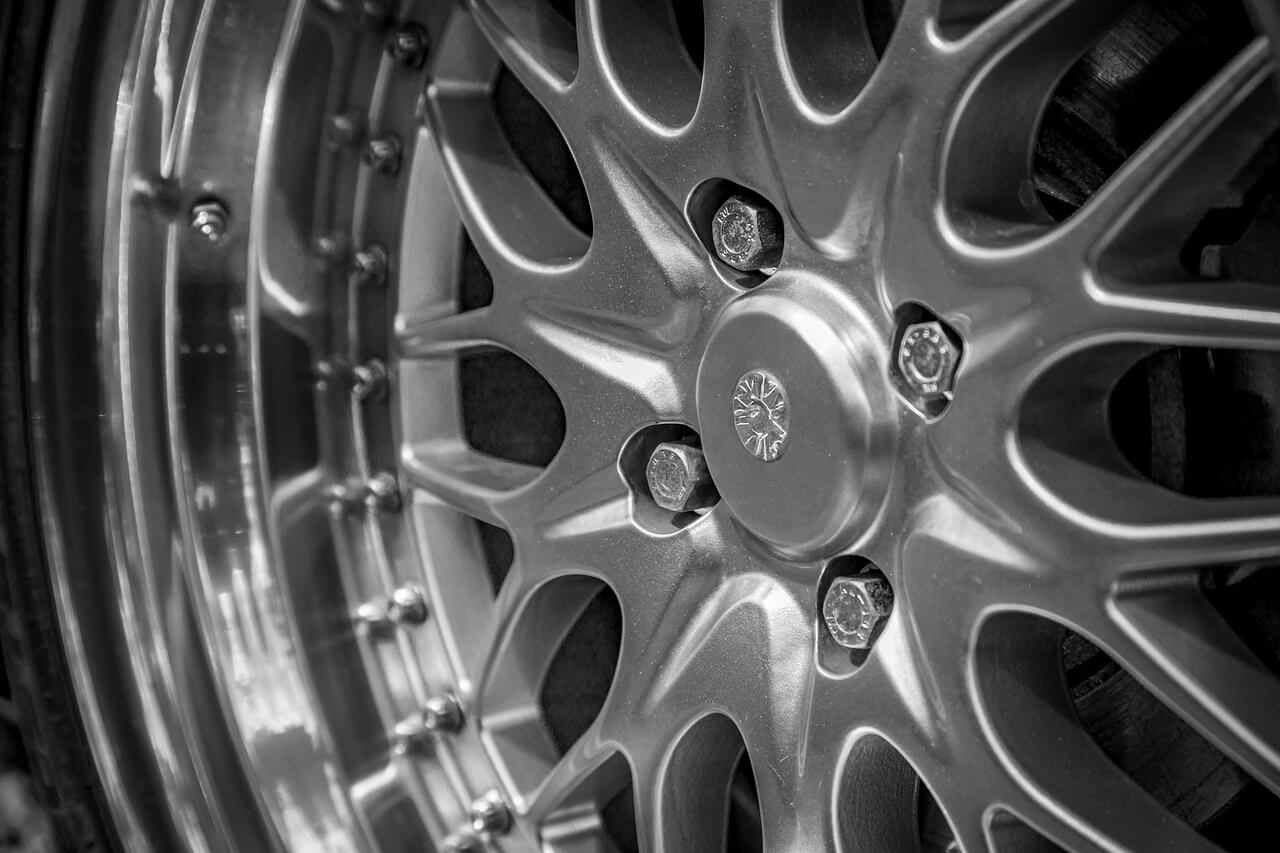
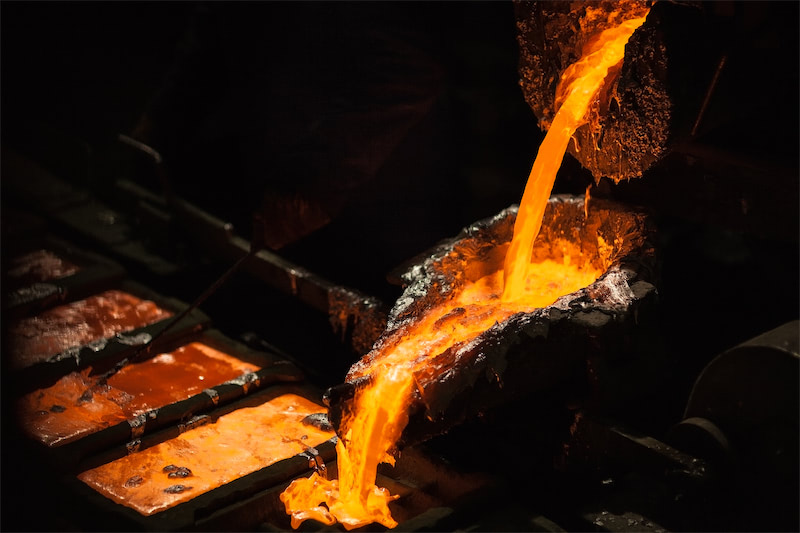
With the transformation and upgrading of the automotive industry and the gradual development to the direction of new energy, lightweight, intelligence and network connection, non-ferrous materials including aluminum, copper, magnesium, titanium, nickel, cobalt, lithium and so on are more and more widely used in the automotive field. Zhao Jiasheng, vice president of China Nonferrous Metals Industry Association, said at the meeting that aluminum has become a representative material for automobile lightweight because of its excellent performance. According to the statistics of relevant departments of China Nonferrous Metals Industry Association, including vehicle manufacturing and auto parts export, the total aluminum consumption of China's automobile industry is 5.935 million tons in 2019, with an annual compound growth rate of 12% from 2011 to 2019.
In recent years, with the gradual acceleration of automobile lightweight process, the amount of aluminum used on automobile structures and panels of domestic models began to increase. According to preliminary statistics, in 2019, the average amount of aluminum used by passenger cars in China was 140 kg, which increased year by year compared with previous years, of which aluminum castings accounted for about 85%. Processed materials such as aluminum strip, aluminum foil, aluminum extruded materials and aluminum forgings account for about 15%, especially some new energy vehicles have made great progress in vehicle lightweight, and the body-in-white aluminization rate of a few electric vehicles has reached more than 92%.
In addition to aluminum, other metal materials have also attracted a lot of attention in the automobile manufacturing industry. Zhao Jiasheng said that at present, the average amount of magnesium used per bike for fuel vehicles in China is 1.5 kg, and that for new energy vehicles is 20 kg. With the continuous application of magnesium alloy materials in automobile lightweight, magnesium alloy materials will have a lot of room for development in the future. In addition, as the core component of new energy vehicles, lithium battery has driven the rapid development of the whole lithium industry. According to statistics, from 2015 to 2019, the output of lithium cathode materials increased at an average annual rate of 27%.
However, Zhao Jiasheng also pointed out that, on the whole, the current level of research and application of non-ferrous metal materials in China can not fully meet the needs of the rapid development of the automobile industry. Structural problems still exist, such as insufficient technological innovation capability, overcapacity of low-end products, unstable product quality, and relatively backward application and development. In this regard, he suggested that the whole industry should correctly understand the guiding role of industrial policy, put technological innovation in a prominent position, actively promote industrial restructuring, and strive to create a good market environment.
Fortunately, material enterprises are also actively improving the supply capacity and quality of products to the downstream automobile industry through the research and development of new materials and new processes. According to Liu Qiuli, secretary-general of the Shanghai Nonferrous Metals Industry Association, among the 38 award-winning enterprises selected by the Forum organizers'"selection of the most potential Automotive Materials-casting products in 2020", many new products and processes have emerged. For example, the automotive damping tower developed by Hainachuan (Binzhou) lightweight Automotive parts Co., Ltd. adopts the integrated forming method of vacuum pressure casting and integrates 17 sheet metal stamping parts, so that the weight of each damping tower is reduced from 8.15 kg to 3.87 kg. The weight reduction is up to 52.5%, and the effect is very considerable. As another example, the A152EZ cast-NHT material trial-produced by Shuai Yichi New material Group Co., Ltd. can directly carry out high-pressure die-casting automobile thin structural parts without heat treatment and mechanical correction, thus reducing the processing cost of the parts, improving the rate of finished products, and greatly saving the processing time of the parts.
Smooth industrial chain cooperation
Promote the innovative integration of new materials and automobile industry
The experts of the whole vehicle factory who attended the meeting believed that in terms of accurately and properly understanding the needs of the whole automobile factory, there are still some deficiencies in the non-ferrous metal material enterprises, and it is necessary to further strengthen the communication and exchange between the non-ferrous metal material enterprises and the whole vehicle factory, so as to promote the innovative integration of materials and the automobile industry.
Wang Zezhong, chief engineer of the technology center of Dongfeng Automobile Group Co., Ltd., said that if the structural parts are to become part of the car body, in addition to the materials and parts themselves, they also involve connection technology and other issues. However, many material or parts enterprises often only pay attention to the performance of their own materials, and it is not clear why the whole car factory requires the performance of the material or product to reach this target. When there is a problem with the material or product in the bonding process, it is not clear how to control and solve it. Therefore, the communication and cooperation among material enterprises, parts enterprises and automobile enterprises need to be improved.
On the other hand, the cooperation of foreign countries in the automobile industry chain is more in-depth. Tong Guodong, senior director of FAW Research and Development Institute, said that many foreign materials and parts enterprises cooperate closely with automobile factories from the early stage of development, and begin to participate in product planning from the early stage to jointly carry out product and process development. At the same time, another R & D personnel of a material enterprise also told the reporter that due to insufficient communication with the whole vehicle factory, it will often lead to some performance exceeding the standard when developing new products, while some performance can not meet the requirements of the whole vehicle factory.
"it is necessary to strengthen interactive communication between material enterprises, spare parts enterprises and whole car factories. Only after enterprises in the industrial chain have a better understanding of each other can materials be developed better and applied earlier." Shao Baiming, chassis material manager of the passenger car branch of Shanghai Automobile Group Co., Ltd.
"the next five years will be a critical period for the automotive industry to achieve industrial transformation and upgrading, and the industry will enter a new stage of high-quality development in an all-round way. It is hoped that the upstream and downstream will cooperate closely, especially to conduct Synchronize research and development according to the needs of automobile manufacturers, including parts and components enterprises, which will also help the pace of automobile lightweight to go faster. " Shi Jianhua, deputy secretary general of the China Association of Automobile Manufacturers, said in an interview with reporters.