Reduced use of steel scrap to accelerate decline in crude steel output in February 

Published: Feb 14, 2020 14:35
Supply tightness still dominates the steel scrap market, as the epidemic prevented some scrap processing companies from returning operations

SHANGHAI, Feb 14 (SMM) – As the coronavirus (COVID-19) outbreak disrupted shipments from steel mills and trigger production cuts or maintenance, shortage of steel scrap may expand the cutback and result in a significant decline in crude steel output in February. 


An SMM survey indicates that the amount of molten iron daily production affected by cutback and maintenance at steelmakers has increased from less than 100,000 mt on January 23 to nearly 300,000 mt as of February 13. 


China has a total amount of scrap steel resources of 240 million mt in 2019, up 9% from a year earlier, showed statistics of the China Association of Metal Scrap Utilisation. But currently supply tightness still dominates the steel scrap market, according to SMM survey, as the epidemic prevented some scrap processing companies from returning operations, and transportation curbs disrupted purchases of some steel mills. 


Some steelmakers have halted procurement of scrap and turned to produce scarp on their own. They also reduced the proportion of steel scrap used in raw materials, which is set to weigh on their near-term production. 


A steel plant in central China has cut its monthly production of hot-rolled coils from the previous 400,000 mt to 290,000 mt, due to disrupted supply of steel scrap. 


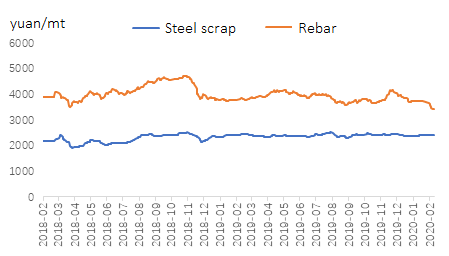
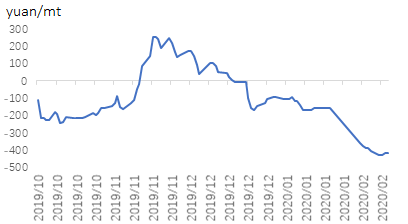
Prices of steel scrap have slipped 1.7% from the pre-holiday levels, SMM assessed as of February 13. This, compared with a drop of 8.3% in rebar prices, squeezed margins at electrical arc furnace (EAF) steelmakers. Losses at EAF steel mills have widened to 417 yuan/mt from 157 yuan/mt before the holidays, and this accounted for the recent shutdown of a slew of producers. 


Steel scrap prices held relatively firm (Source: SMM)
 

Profits at EAF steelmakers slipped (Source: SMM)
 

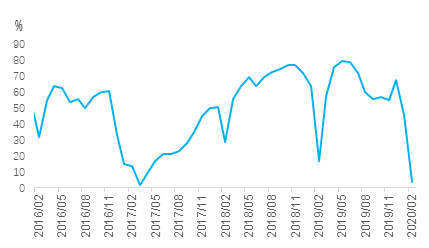
Operating rates of scrap-using steel mills fell to low levels (Source: SMM)


With the increase in steel scrap usage in steelmaking over the recent years, steel scrap has accounted for around 20% of the crude steel production. SMM calculates that a reduction of 1% in the proportion of steel scrap in raw materials mix will cause a decline in crude steel output by 15 million mt. 


SMM expects steel scrap shortage and elevated in-plant inventories will likely expand the maintenance or production cut at steelmakers. 


Data Source Statement: Except for publicly available information, all other data are processed by SMM based on publicly available information, market communication, and relying on SMM's internal database model. They are for reference only and do not constitute decision-making recommendations.

For any inquiries or for more information, please contact: lemonzhao@smm.cn
For more information on how to access our research reports, please contact:service.en@smm.cn
Related News
[SMM Steel] India Domestic Steel Market Largely Quiet Amid Janmashtami Holiday
6 hours ago
[SMM Steel] India Domestic Steel Market Largely Quiet Amid Janmashtami Holiday
Read More
[SMM Steel] India Domestic Steel Market Largely Quiet Amid Janmashtami Holiday
[SMM Steel] India Domestic Steel Market Largely Quiet Amid Janmashtami Holiday
[India Domestic] India’s domestic steel market remained largely quiet on Friday as the Janmashtami festival kept most market participants inactive, with trading activity limited and prices remaining mostly stable. Mandi Gobindgarh billet flat at 492.14USD/tonne (46,500INR/tonne) delivered Mandi. Raipur billet down by 4.23USD/tonne (400INR/tonne) to 444.52USD/tonne (42,000INR/tonne) EXW Raipur. Rebar prices moved up by 1.05USD/tonne (100INR/tonne) to 530.24USD/tonne (50,100INR/tonne) EXW Mumbai. Mandi Ingot unchanged at 492.17USD/tonne (46,500INR/tonne) EXW Mandi. PDRI sponge iron unchanged at 315.41USD/tonne (29,800INR/tonne) EXW Bellary. PDRI sponge iron prices down by 3.17USD/tonne (300INR/tonne) to 309.06USD/tonne (29,200INR/tonne) EXW Raipur. Melting scrap prices flat at 388.43USD/tonne (36,700INR/tonne) ex-yard Alang.
6 hours ago
[SMM India Domestic Market Weekly Review] Domestic Steel Market Remains Mixed Amid Cautious Buying
6 hours ago
[SMM India Domestic Market Weekly Review] Domestic Steel Market Remains Mixed Amid Cautious Buying
Read More
[SMM India Domestic Market Weekly Review] Domestic Steel Market Remains Mixed Amid Cautious Buying
[SMM India Domestic Market Weekly Review] Domestic Steel Market Remains Mixed Amid Cautious Buying
India’s domestic steel market remained mixed during the week (Aug 31-Sep 4), with prices showing both upward and downward movements across semi-finished and finished steel. Overall, buyer activity remained cautious and need-based with demand staying moderate. Mandi Gobindgarh billet up by 1.05USD/tonne (100INR/tonne) to 492.14USD/tonne (46,500INR/tonne) delivered Mandi. Raipur billet down by 9.52USD/tonne (900INR/tonne) to 444.52USD/tonne (42,000INR/tonne) EXW Raipur. Rebar prices moved up by 5.29USD/tonne (500INR/tonne) to 530.24USD/tonne (50,100INR/tonne) EXW Mumbai. Durgapur rebar down by 10.58USD/tonne (1,000INR/tonne) to 478.38USD/tonne (45,200INR/tonne) EXW Durgapur. Mandi Ingot rose by 1.05USD/tonne (100INR/tonne) to 492.17USD/tonne (46,500INR/tonne) EXW Mandi. PDRI sponge iron prices up by 6.35USD/tonne (600INR/tonne) to 315.41USD/tonne (29,800INR/tonne) EXW Bellary. PDRI sponge iron prices down by 5.29USD/tonne (500INR/tonne) to 309.06USD/tonne (29,200INR/tonne) EXW Raipur. Melting scrap prices increased by 6.35USD/tonne (600INR/tonne) to 388.43USD/tonne (36,700INR/tonne) ex-yard Alang. 8Ani (12mm) unchanged at 445USD/tonne (42,100INR/tonne) ex-yard Alang. HMS 1&2 (80:20) rose by 1.05USD/tonne (100INR/tonne) to 401.13USD/tonne (37,900INR/tonne) delivered Mandi.
6 hours ago
Cost Support and Hidden Concerns Coexist; Ferrous Metals May Continue to Consolidate on a Strong Note Next Week [SMM Steel Industry Chain Weekly Report]
7 hours ago
Cost Support and Hidden Concerns Coexist; Ferrous Metals May Continue to Consolidate on a Strong Note Next Week [SMM Steel Industry Chain Weekly Report]
Read More
Cost Support and Hidden Concerns Coexist; Ferrous Metals May Continue to Consolidate on a Strong Note Next Week [SMM Steel Industry Chain Weekly Report]
This week, ferrous metals mostly showed a first-rise-then-fall trend, yet still posted certain MoM gains by the end, with coking coal and coke leading the gains and finished steel following higher. The core driver of the rally was a resonance of multiple bullish factors: first, supply-side disruptions in coking coal dominated, as Shanxi's production resumptions fell severely short of expectations and supply remained tight, with mines holding back from selling and auctions closing at high premiums, quickly materializing the cost-push logic; second, cost support moved up stepwise, as the fourth round of coke price increases was implemented on September 3, iron ore coarse fines saw destocking for two consecutive weeks, and the news of the Minas mine suspension disrupted supply, boosting iron ore prices higher. Combined with hot metal rebounding to a daily average of 2.408 million mt, demand-side support for raw materials remained intact......
7 hours ago