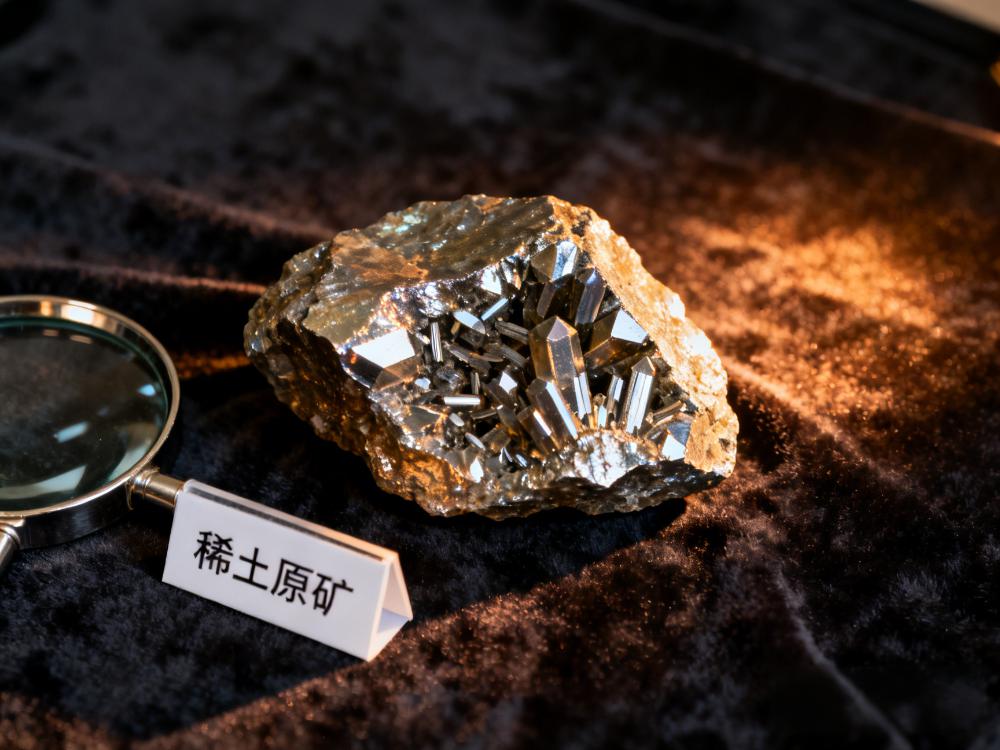
[SMM analysis] the price of rare earth products is obviously down, and it is still possible to decline in the future.

Đã xuất bản: Oct 25, 2019 20:27 (GMT+8)

SMM, 25 Oct:

This week, the prices of most rare earth products showed a more obvious downward trend, praseodymium and neodymium oxide fell to 29.2-297000 yuan / ton, neodymium oxide was adjusted to 29.4-299000 yuan / ton, and praseodymium oxide price dropped to 35-360000 yuan / ton. In terms of medium and heavy rare earths, the prices of dysprosium oxide, terbium oxide, gadolinium oxide and erbium oxide decreased to 160-1.63 million yuan / ton, 360-3.63 million yuan / ton, 16-165000 yuan / ton and 16-165000 yuan / ton, respectively.

The decline in rare earth prices during the week is mainly due to weak demand and wavering market confidence. Although the quotation of large factories in the upper reaches is relatively strong, some small factories and traders have obvious willingness to sell at low prices. Downstream enterprises are increasingly affected by falling prices. Most downstream businesses maintain a state of on-demand procurement, and procurement is relatively cautious. The market turned to be good for buying homes, and rare earth prices continued to fall during the week. In the aspect of light rare earths, the over-production events in the early smelting and separation plants were gradually digested by the market, and the market demand was weak in supporting the price of light rare earths, and the price fell significantly within the week. In the aspect of medium and heavy rare earths, affected by Myanmar's customs clearance and unstable market confidence, coupled with the downward adjustment of most rare earth products in the listed prices of rare earths in the south at the beginning of the week, the market confidence was shaken, the downstream buying was weak, the actual inquiry was relatively light, and the medium and heavy rare earths fell sharply during the week, and dysprosium oxide decreased by about 5.28% within the week.

SMM expects prices of light, medium and heavy rare earths to fall further due to weak downstream demand and market confidence.
Tuyên bố về Nguồn Dữ liệu: Ngoại trừ thông tin công khai, tất cả dữ liệu khác được SMM xử lý dựa trên thông tin công khai, giao tiếp thị trường và dựa trên mô hình cơ sở dữ liệu nội bộ của SMM. Chúng chỉ mang tính chất tham khảo và không cấu thành khuyến nghị ra quyết định.

Để biết thêm thông tin hoặc có thắc mắc gì, vui lòng liên hệ: lemonzhao@smm.cn
Để biết thêm thông tin về cách truy cập báo cáo nghiên cứu, vui lòng liên hệ:service.en@smm.cn
Tin Liên Quan
Bình luận giao dịch chiều đất hiếm SMM ngày 28 tháng 9
4 phút trước
Bình luận giao dịch chiều đất hiếm SMM ngày 28 tháng 9
Đọc thêm
Bình luận giao dịch chiều đất hiếm SMM ngày 28 tháng 9
4 phút trước
[SMM Thông báo] Tạm ngừng cập nhật giá kim loại và tin tức thị trường Trung Quốc trong kỳ nghỉ Quốc khánh (1-7/10)
14 phút trước
[SMM Thông báo] Tạm ngừng cập nhật giá kim loại và tin tức thị trường Trung Quốc trong kỳ nghỉ Quốc khánh (1-7/10)
Đọc thêm
[SMM Thông báo] Tạm ngừng cập nhật giá kim loại và tin tức thị trường Trung Quốc trong kỳ nghỉ Quốc khánh (1-7/10)
[SMM Thông báo] Tạm ngừng cập nhật giá kim loại và tin tức thị trường Trung Quốc trong kỳ nghỉ Quốc khánh (1-7/10)
14 phút trước
Các nhà nghiên cứu WVU chiết xuất đất hiếm từ nước thải mỏ than, hướng tới sản lượng 300 tấn mỗi năm
2 giờ trước
Các nhà nghiên cứu WVU chiết xuất đất hiếm từ nước thải mỏ than, hướng tới sản lượng 300 tấn mỗi năm
Đọc thêm
Các nhà nghiên cứu WVU chiết xuất đất hiếm từ nước thải mỏ than, hướng tới sản lượng 300 tấn mỗi năm
【SMM Tin nhanh Đất hiếm】 Các nhà nghiên cứu tại Đại học West Virginia đang chiết xuất đất hiếm từ nước thải mỏ axit tại các mỏ than bỏ hoang. Tại một địa điểm thí điểm ở Mount Storm, West Virginia, nước mỏ được xử lý để chiết xuất đất hiếm nồng độ cao, với nước tinh khiết được đưa trở lại môi trường một cách an toàn. Cơ sở này sản xuất khoảng 4 tấn/năm oxit đất hiếm, trong đó ~45% là đất hiếm nặng. Nhóm nghiên cứu đặt mục tiêu mở rộng, có khả năng sản xuất 300 tấn/năm để đáp ứng 7-8% nhu cầu Tb và Dy toàn cầu. Dự án đạt được cả mục tiêu làm sạch môi trường và thu hồi đất hiếm.
2 giờ trước