Electric vehicles can last up to 2414 kilometers! Former Royal Navy Officer invents New Battery

Published: Oct 24, 2019 11:38 (GMT+8)
Austin Electric (Austin Electric), a British company with the defunct Austin car company (Austin Motor Company) trademark, will begin using a revolutionary new technology that could allow electric vehicles to last up to 1500 miles (2414 kilometers), according to foreign media reports.

SMM: according to foreign media reports, Austin Electric (Austin Electric), a British company with the (Austin Motor Company) trademark, which no longer exists in Austin, will begin to adopt a revolutionary new technology that will allow electric vehicles to have a mileage of 1500 miles (2414 kilometers).

You know, Tesla's most popular electric car, the Model S, has a mileage of just 370 miles (595.46 kilometers), and Austin says it plans to start using the technology in new electric vehicles by 2020.

On October 18th local time, Trevor Jackson, the inventor of the technology, signed a multimillion-pound agreement with Austin to sell the technology to Austin.

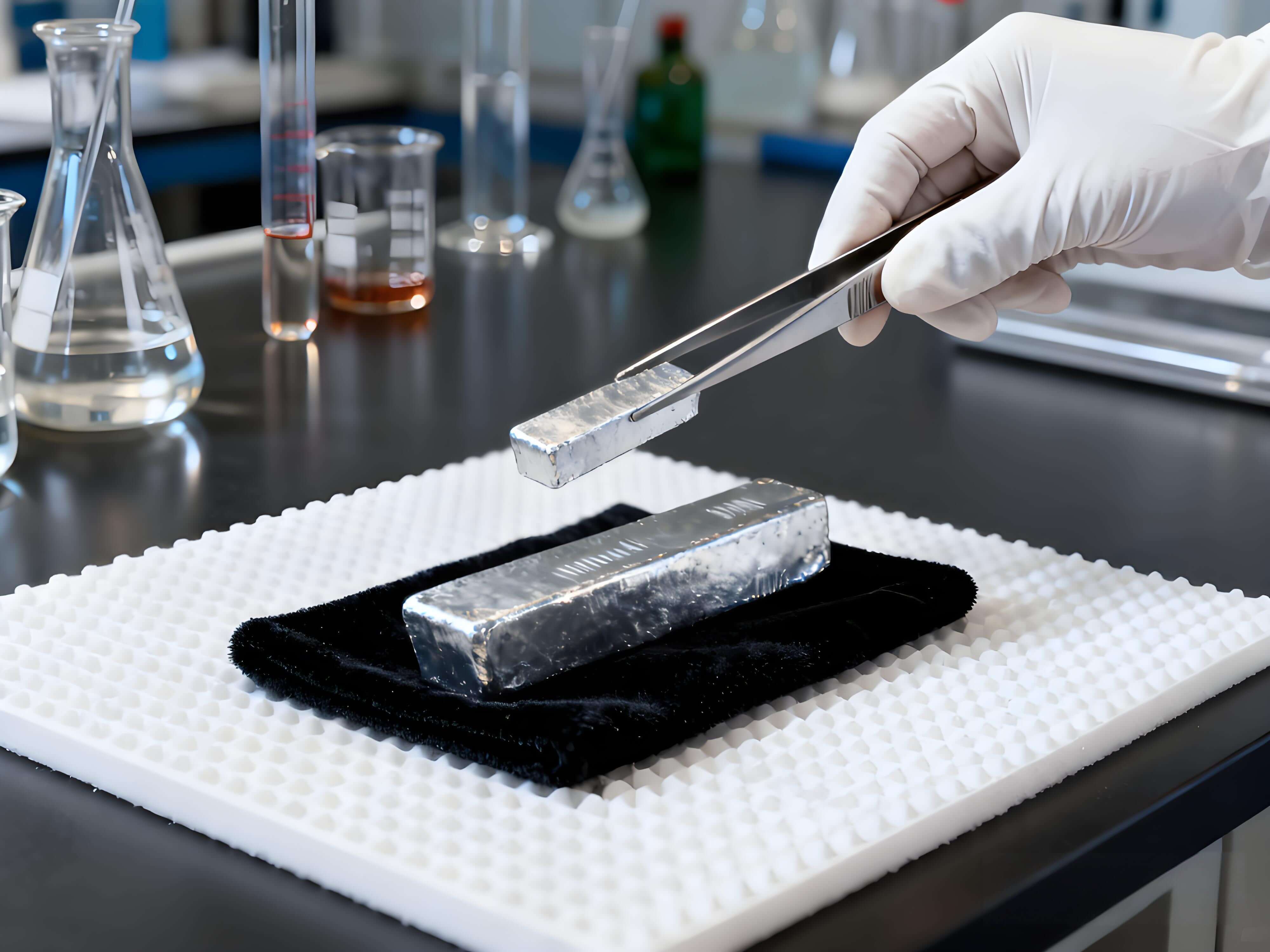
Trevor Jackson is a British engineer and a former Royal Navy officer. As early as 2001, he began experimenting with the aluminum-air battery while working in the small town of Cornwall in Carrington. At that time, the electrolytes used were highly corrosive and toxic. After years of testing, Jackson has designed a new electrolyte that uses low-purity metals such as recyclable aluminum cans, but the composition of the electrolyte remains a secret and is the core and soul of the fuel cell.

The new aluminum-air fuel cell allows electric vehicles to last up to 1500 miles and is simpler, cheaper and easier to recycle than lithium-ion batteries currently used in millions of electric vehicles around the world. In addition, the new fuel cell is very light and powerful and can power buses, large trucks and even aircraft. Jackson also founded a company called Metalelectrique to commercialize its invention.

In 2017, (UK Trade, and Investment), a British government agency, conducted an independent review of the fuel cell, saying it was based on very mature technology and produced more energy per kilogram than lithium-ion batteries for standard electric vehicles. In addition, two French universities have further validated Jackson's technology.

Such certified tests show that Jackson's fuel cells produce nine times as much energy as lithium-ion batteries. The aluminum-air fuel cell produces nine times as much electricity per kilogram as an ordinary battery.

Jackson also plans to make the fuel cell for electric bicycles to prove that its technology is cheaper and lasts longer than other technologies. He then plans to turn such cars into hybrids by installing aluminum-air fuel cells and motors on the rear wheels of ordinary gasoline and diesel cars.

"Click to sign up for a thousand people event in China's non-ferrous metals industry.
Share the China Nonferrous Metals Industry Annual meeting registration link to the circle of friends or WeChat group of more than 100 people, and send screenshots to the WeChat account below to get the right to view "SMM Metal Breakfast" for one year (the original price is 300 yuan / year).

Scan QR code plus WeChat
 

Data Source Statement: Except for publicly available information, all other data are processed by SMM based on publicly available information, market communication, and relying on SMM's internal database model. They are for reference only and do not constitute decision-making recommendations.

For any inquiries or for more information, please contact: lemonzhao@smm.cn
For more information on how to access our research reports, please contact:service.en@smm.cn
Related News
【Flash | Semtech Adds Cleanroom Space as InP Photonics Demand Ramps】
58 mins ago
【Flash | Semtech Adds Cleanroom Space as InP Photonics Demand Ramps】
Read More
【Flash | Semtech Adds Cleanroom Space as InP Photonics Demand Ramps】
Semtech said in its Aug. 25 earnings presentation that its data-center photonics portfolio spans gain chips, high-power CW lasers, SOAs and high-speed photodiodes, while it has secured FY2027 equipment deliveries and acquired additional cleanroom space. Semtech acquired HieFo in March, adding US-based InP gain-chip and DFB-laser manufacturing. Q2 FY2027 data-center sales reached $100 million, up 39% QoQ and 91% YoY; Q3 sales are targeted to rise 45% QoQ and 160% YoY. SMM believes the buildout supports medium-term demand for InP and high-purity indium, although no nameplate capacity or indium consumption was disclosed.
58 mins ago
[SMM Chromium Flash] Global Chrome Ore Departures Fall 2.74% WoW to 642,500 mt, Maputo Rebounds
17 hours ago
[SMM Chromium Flash] Global Chrome Ore Departures Fall 2.74% WoW to 642,500 mt, Maputo Rebounds
Read More
[SMM Chromium Flash] Global Chrome Ore Departures Fall 2.74% WoW to 642,500 mt, Maputo Rebounds
[SMM Chromium Flash] Global Chrome Ore Departures Fall 2.74% WoW to 642,500 mt, Maputo Rebounds
Global chrome ore departures totaled 642,500 mt in the week ended October 2, down 2.74% week-on-week, according to SMM's latest data. The modest headline decline masks a significant reshuffling beneath the surface, as a sharp rebound at Maputo was offset by pullbacks at Richards Bay and Mersin. Maputo departures rose to 488,800 mt from 340,200 mt, a 43.68% increase that lifted the port's share of total departures back to roughly 76% from about 51.5% a week earlier, reversing the prior week's shift toward a more distributed export mix. Richards Bay fell to 95,700 mt from 227,800 mt, a 57.99% decline that gave back the bulk of the prior week's rebound, while Mersin eased 31.52% to 58,000 mt from 84,700 mt. Beira again recorded no chrome ore departures, remaining inactive for a fourth consecutive week. The week's data points to a reversion toward the more Maputo-concentrated flow pattern seen through most of August and September, with the prior week's broader distribution across ports proving short-lived. Whether Richards Bay's pullback reflects a one-off after an unusually strong prior week or a return to its more intermittent loading pattern will be worth monitoring in the coming weeks.
17 hours ago
[SMM Chromium Flash] China's High-Carbon Ferrochrome Output Drops 3.17% MoM in September as Cost Inversion Bites
18 hours ago
[SMM Chromium Flash] China's High-Carbon Ferrochrome Output Drops 3.17% MoM in September as Cost Inversion Bites
Read More
[SMM Chromium Flash] China's High-Carbon Ferrochrome Output Drops 3.17% MoM in September as Cost Inversion Bites
[SMM Chromium Flash] China's High-Carbon Ferrochrome Output Drops 3.17% MoM in September as Cost Inversion Bites
SMM data showed that China's high-carbon ferrochrome output in September 2026 fell 3.17% MoM, a wider decline than August's 1.25%. Output remained 18.8% higher YoY, though growth slowed from 20.36% in August. Output for January to September was up 30.84% YoY, compared with 32.56% at the end of August. The slowdown reflects squeezed margins. Firm coke prices, higher power tariffs and slow-moving chrome ore prices raised costs, while lower steel mill tender prices pressured ferrochrome prices, so southern producers, where costs are highest, cut output most. Output in the northern producing region held up better and kept national volumes well above last year, which is why YoY and YTD growth remain strong even as the MoM trend turns down. SMM expects output to ease only slightly from here, with weaker stainless steel demand offset by lower chrome ore costs and fixed long-term contract volumes.
18 hours ago