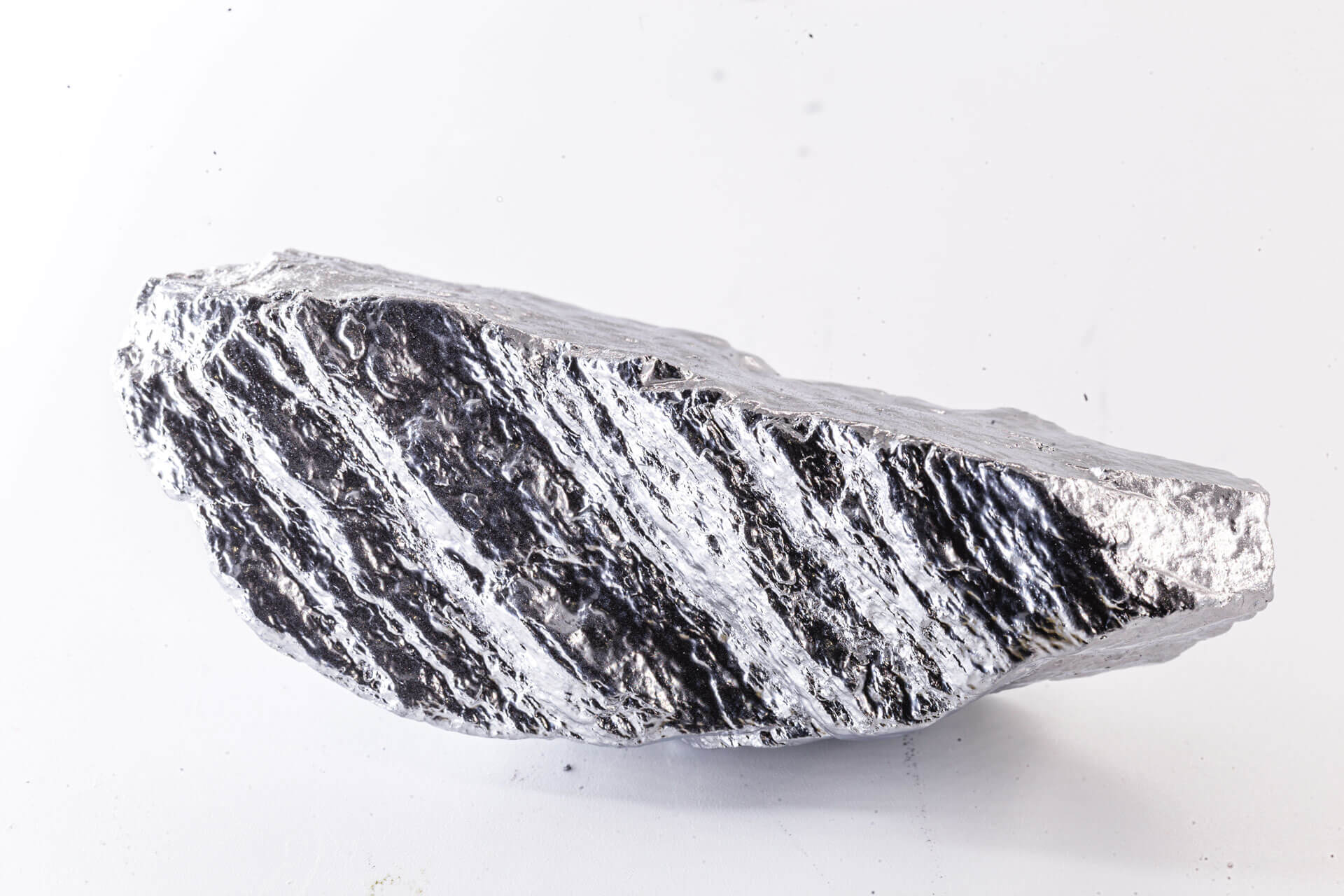
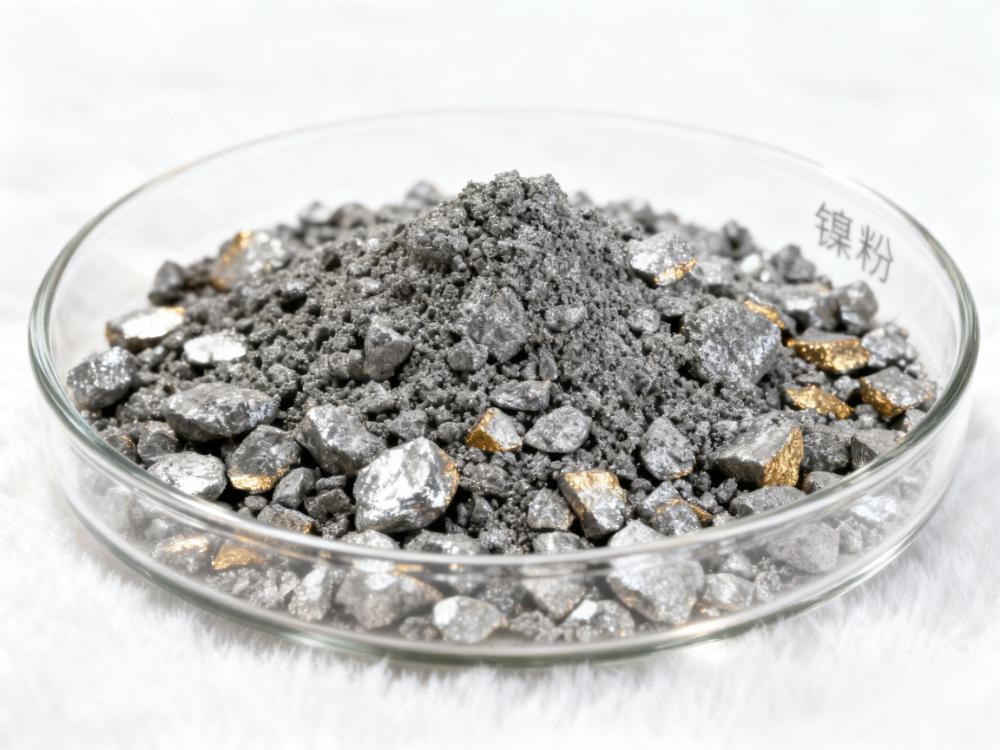
SHANGHAI, Jul 29 (SMM) – Low-grade nickel ore with Fe content of around 50% is limitedly practicable to replace iron ore as the feedstock in steelmaking while growing prices of iron ore squeezed margins at steel mills and domestic imports of low-grade nickel ore climbed.
Customs data showed that China imported some 6.32 million wmt of low-grade nickel ore in the first half of this year, up 48% from the same period last year, with imports from the Philippines rising 49%, or 1.94 million wmt year on year. The Philippines is a major supplier of nickel ore to China as domestically-mined nickel ore accounts for only a small share of the total supply.
SMM assessed that the average price of iron ore in China climbed to 674.23 yuan/mt in the year to Friday July 26, up 37.4% from the average 490.71 yuan/mt in 2018. This lifted costs at steel mills by 8.4% to 3,359.41 yuan/mt, and narrowed their margins by 44% to 554.33 yuan/mt, during the same period.
Nickel ore is mostly used to produce #200, #300 stainless steel by enhancing important properties of stainless steel such as corrosion resistance, strength, ductility, and glossiness. But the ore may cause accidents easily in continuous casting to produce conventional steel used in construction since it contains a range of impurity elements with different melting points.
In theory, nickel ore contributes to ferrous content in producing sintered ore and pellet, but the ore could be difficult to mix with other raw materials and drag on the grade of sintered ore.
A precise proportion and effective techniques are required if low-grade nickel ore is used as feedstock in steelmaking. The proportion of nickel ore in raw materials stood usually at 5% since high chromium, the element comprised in nickel ore, could reduce the ductility of finished products of steel.
The use of nickel ore, instead of iron ore, to produce steel will incur additional costs for refining, which may outweigh the saved amount in costs.
Nickel ore with a ferrous grade below 50% costs some 280 yuan/mt cheaper than super special fine, and 190 yuan/mt cheaper than Indian fine with a grade of 54%. Compared with standard iron ore with a ferrous content of 62%, nickel ore with 50% Fe can only substitute super special fine with Fe content below 50%, in theory.
The impurities which are present in nickel ore could damage the refractory materials in blast furnaces and the converters in steel-producing, and reduce their service life. It is therefore limitedly possible to significantly save costs by using nickel ore both in the short and long term.
China's nickel ore market is currently in a surplus as the first quarter saw a supply of 8.82 million mt with demand from downstream producers at 6.37 million mt, an SMM survey found. The pattern would be disturbed and costs of stainless steel would be buoyed if producers of building materials such as rebar and wire rods started to use nickel ore as feedstock.
Consumption of Indian fine, better for cost savings, has yet to increase amid higher prices of iron ore.