

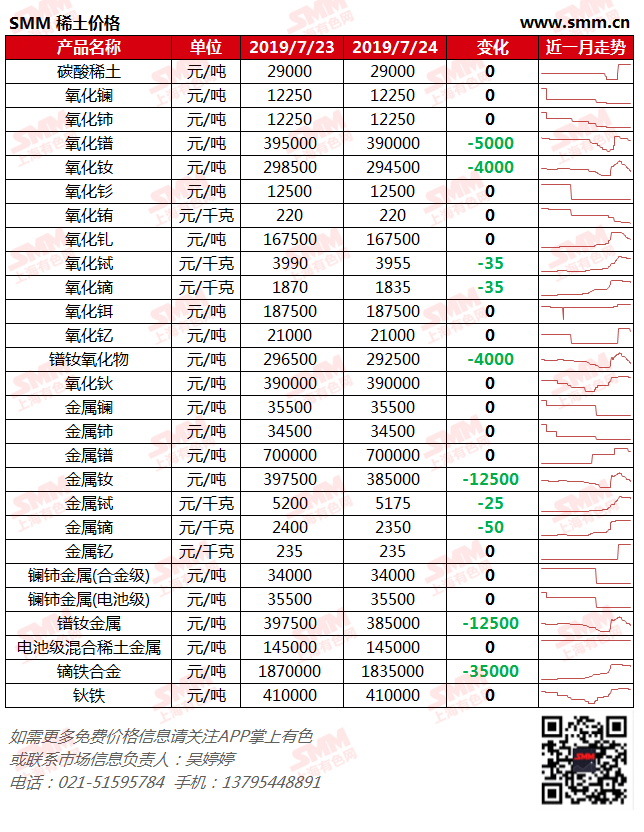
July 24 spot price of SMM rare earth: neodymium metal down 12500 yuan / ton
Data Source Statement: Except for publicly available information, all other data are processed by SMM based on publicly available information, market communication, and relying on SMM's internal database model. They are for reference only and do not constitute decision-making recommendations.
For any inquiries or for more information, please contact: lemonzhao@smm.cn
For more information on how to access our research reports, please contact:service.en@smm.cn
Related News
Oct 02, 2026 16:26 (GMT+8)
Aterian reports higher Rwanda 3T ore sales; trading margins remain estimates
Read More
Aterian reports higher Rwanda 3T ore sales; trading margins remain estimates
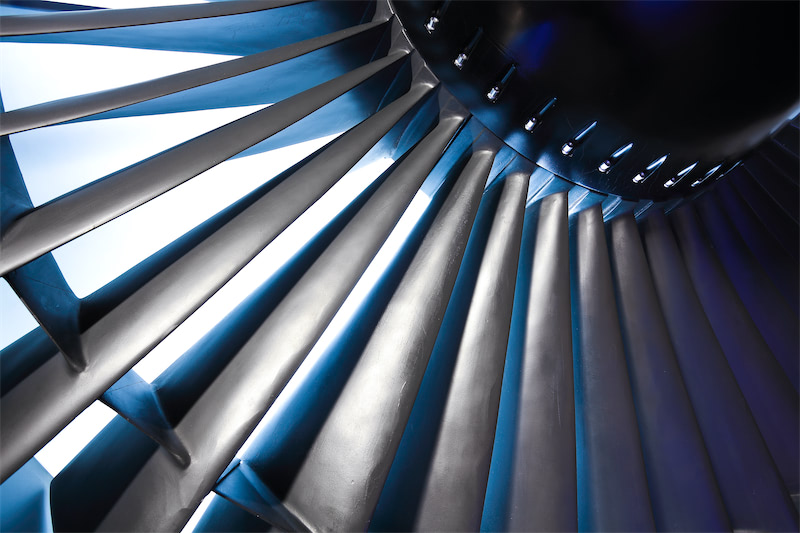
[SMM Tantalum Flash] Aterian’s interim results, released on 30 September, show £1.341 million of Tantalum and other ore-sales revenue for the six months to 30 June 2026, up from £20,000 a year earlier. Gross profit was £522,000, while the group recorded a £568,000 pre-tax loss. Its Rwanda trading business deployed about US$2.18 million in working capital through joint-venture purchases. Management valued potential sales from those purchases at US$2.78 million, but cautioned that the notional valuation is not additional recognised revenue.
The implied US$602,000 gross trading profit is also a management estimate, dependent on completed sales, assays, realised prices, costs and the joint venture’s profit allocation. Aterian said traceability inspections limited suppliers and volumes. It held £131,000 in cash at 30 June; its expectation of expanding trading volumes from the fourth quarter still depends on execution and funding.
Oct 02, 2026 16:26 (GMT+8)
Oct 02, 2026 16:23 (GMT+8)
Tusker’s Malawi sampling points to ilmenite dominance
Read More
Tusker’s Malawi sampling points to ilmenite dominance
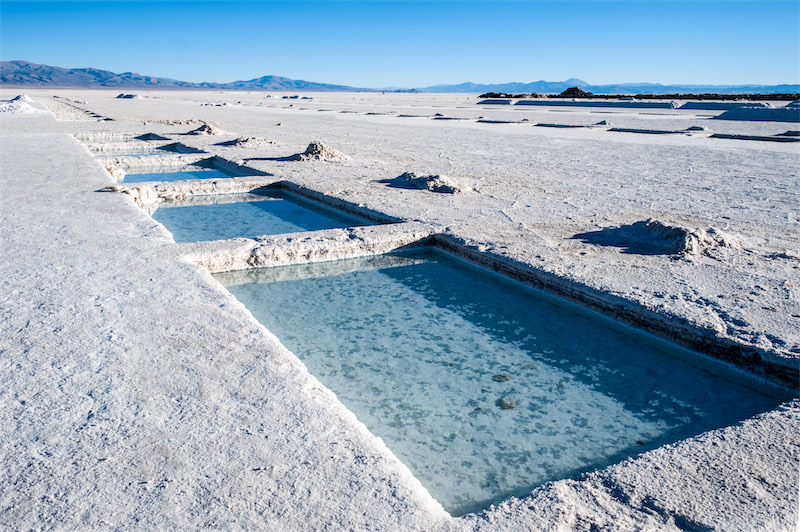
[SMM Titanium Flash] Tusker Minerals reported on 30 September that follow-up sampling at its Mzimba project in northern Malawi had changed its geological interpretation. Magnetic titanium exceeded calculated rutile-equivalent in 112 of 149 regional soil samples, pointing to an ilmenite-dominant system with localised rutile. Thirty-three shallow pit-channel samples did not show high-grade rutile persisting with depth. Tusker said the results do not support an immediate rutile-focused drilling programme on the Phase 1 anomalies.
The result weakens the specific premium-rutile exploration case suggested by earlier selected samples. It does not establish a mineral resource or show that ilmenite could be mined profitably. Tusker will reassess its geological model before deciding on further Mzimba work; its near-term capital and technical focus remains on Cameroon. The mineral mix and grade continuity still need to be established before the project’s feedstock potential can be assessed.
Oct 02, 2026 16:23 (GMT+8)
Oct 02, 2026 14:34 (GMT+8)
【Flash | Coherent’s PhotonLink Sets the Stage for a Commercial Indium Phosphide (InP) Ramp】
Read More
【Flash | Coherent’s PhotonLink Sets the Stage for a Commercial Indium Phosphide (InP) Ramp】
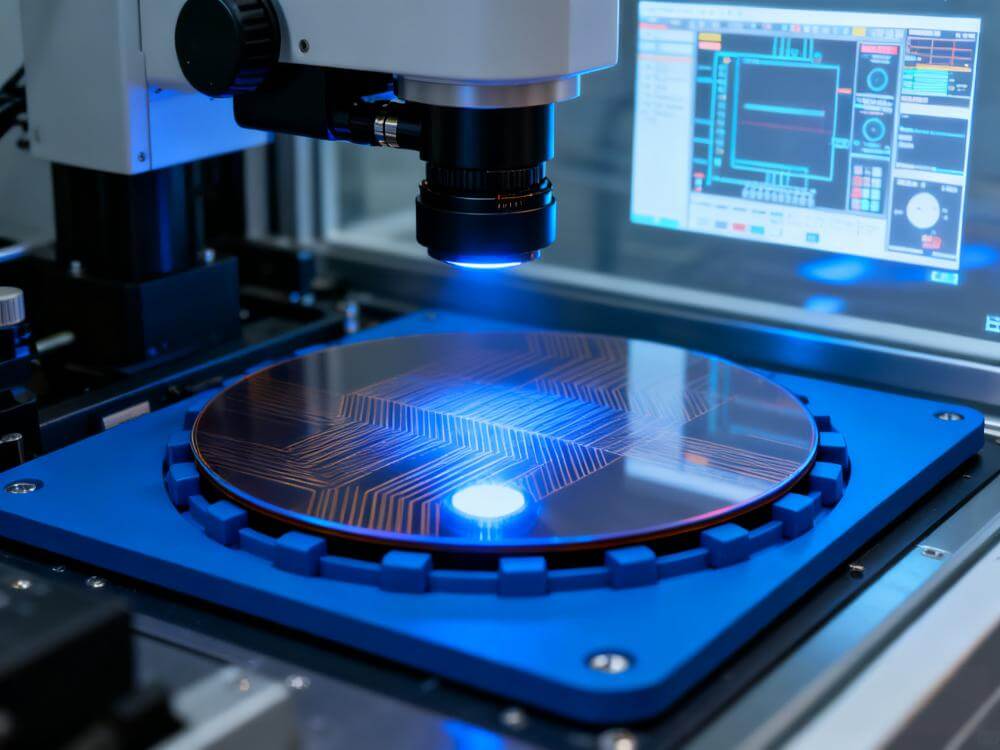
Coherent launched PhotonLink, an integrated optics platform for AI infrastructure incorporating Indium Phosphide (InP) lasers, silicon photonics, detectors and optical modules. The company disclosed more than 10 CPO engagements, over 10 NPO engagements and more than five chip-to-chip connectivity projects, with anchor customers and long-term agreements secured for both CPO and NPO. Revenue is expected to begin ramping in Q4 2026. Coherent has shipped over 300 million InP lasers and is expanding its 6-inch InP manufacturing capacity to support the ramp. The customer pipeline provides a clearer commercial demand signal for InP devices and upstream materials, although additional capacity and indium consumption were not disclosed.
Oct 02, 2026 14:34 (GMT+8)
Related News
Aterian reports higher Rwanda 3T ore sales; trading margins remain estimates
Oct 02, 2026 16:26 (GMT+8)
Tusker’s Malawi sampling points to ilmenite dominance
Oct 02, 2026 16:23 (GMT+8)
【Flash | Coherent’s PhotonLink Sets the Stage for a Commercial Indium Phosphide (InP) Ramp】
Oct 02, 2026 14:34 (GMT+8)
【Flash | Acerinox October 316L Surcharges Diverged Between Flat and Long Products】
Oct 02, 2026 10:18 (GMT+8)