SMM2, 27 May 2018 according to the national standard management procedures, the Ministry of Industry and Information Technology organized and revised the mandatory national standards of the "Technical Specification for Electric Bicycle Safety" (GB 17761 / 2018). Approved and promulgated by the State Administration of Market Supervision and Administration and the State Standardization Administration Commission, the notice of National Standards of the people's Republic of China (No. 7 of 2018), which has been officially implemented since April 15, 2019.
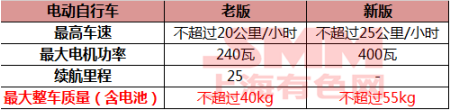
The new national standard of electric bicycle is about to be implemented, and the weight of the whole vehicle does not exceed the limit of 55kg. Will it seriously reduce the lead-acid battery and promote the strong development of lithium battery? In 2019, a battle for the market will break out between lead-acid batteries and lithium batteries.
In the course of 20 years of development, lead-acid batteries have firmly occupied the top spot in the electric vehicle battery market because of their price and safety advantages. It is understood that compared with lithium battery models, The general price of lead-acid battery models will be about 800 to 1000 yuan (the same specification). For the electric motorcycle models with larger battery specifications, the price advantage of lead-acid models is more obvious.
However, the new national standard strictly limits the weight of the whole vehicle of electric bicycles. For lead-acid batteries, the self-weight of the battery is too large (or the energy density is too low) to achieve a breakthrough under the existing technical framework. So if the new national standard model wants to use lead-acid batteries, it can only be at the expense of battery life. Take 48V12Ah lead-acid battery as an example, the weight of this specification battery is usually above 16Kg, which means that the whole car does not contain battery weight should be controlled below 38Kg, and the size of the whole vehicle can not exceed the standard, which poses a great challenge to the design of the vehicle.
Many people in the industry believe that the most direct way to lose weight is to replace the lead-acid battery with the lithium battery. "because of the light quality of lithium batteries, only lithium electric bicycles can meet the requirements of the new national standard." When the content of the new national standard was announced, the major brands have also launched some models in accordance with the requirements of the new national standard, but all the new models have been converted to lithium batteries, and the overall price has also doubled.
According to one expert, although lithium battery has the advantage of light weight, but because of the properties of lithium battery, once the cell thermal failure, the whole battery package will be in a dangerous state. Due to technical reasons, the failure rate of lithium battery is relatively high, and it can not load a large current, so it is easy to explode under impact.
Lead-acid batteries, by contrast, have little trouble with thermal failure (especially during the discharge phase), and even bulging does not cause safety problems. In addition, the lead-acid battery industry is very large, the power lead-acid battery used in electric vehicles accounts for only 1 to 4% of the overall market share of lead-acid battery, and the starting lead-acid battery (commonly known as battery in fuel vehicles) is the big head, accounting for nearly 50%. The proportion of energy storage and other types of lead-acid batteries is about 1 to 4. The impact of electric bicycles alone on the lead-acid battery industry as a whole will not exceed 10 per cent. Therefore, the industry generally calls for not to overestimate the impact of the new national standard on the lead-acid battery industry.
The new national standard of electric bicycle in 2018 is on the ground and will be implemented on April 15, 2019. It is urgent to "lighten" the battery. Where will lead consumption go in the future? At the 2019 (14th) Shanghai lead and Zinc Summit, SMM senior lead and zinc analysts will carry the "secret weapon" developed by SMM for many years-"SMM exclusive data and exclusive Research Information report". On the spot for you to interpret the lead, zinc market status and future development trend, there are a number of experts and scholars for everyone to interpret the lead and zinc market.

"sign up for the SMM lead and Zinc Summit
Scan QR code, apply to join SMM metal exchange group, please indicate company + name + main business