Consumer recycling rate of aluminum cans hit 17-year high in 2014

Published: Jun 17, 2015 18:13
The latest report released by the Aluminum Association in partnership with Can Manufacturers Institute for the year 2014.

By Paul Ploumis 17 Jun 2015 Last updated at 04:14:13 GMT

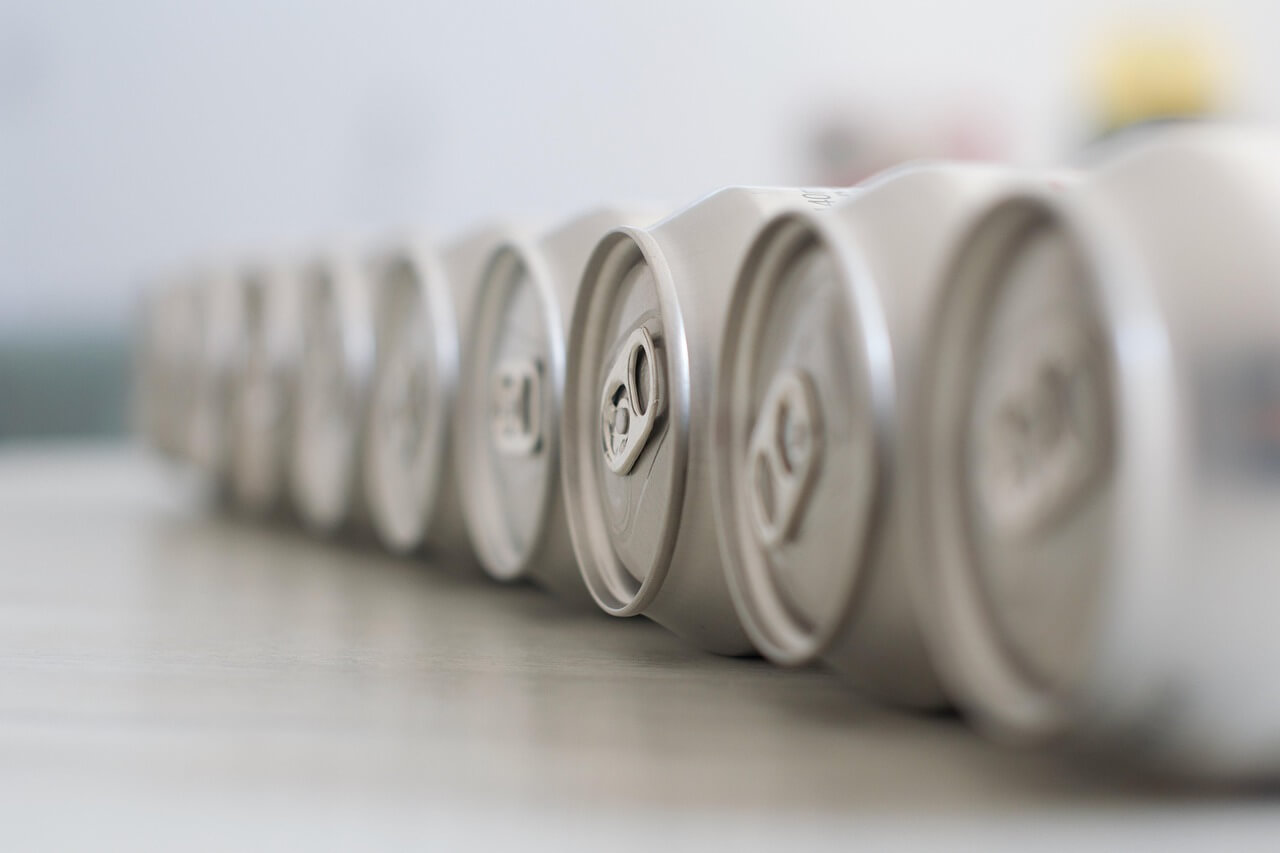
SPOKANE (Scrap Monster): The latest report released by the Aluminum Association in partnership with Can Manufacturers Institute for the year 2014 indicates that consumer recycling rate during the year touched 56.7%- the highest recorded rate since 1997. The report notes that cans are being recycled at the highest rates due to the high value of aluminum compared to other packaging materials.

According to the report, the aluminum industry recycling rate remained essentially flat at 66.5% in 2014. The rate represents amount of used aluminum can scrap, including imported and exported cans that get recycled as a percentage of U.S. shipments.

The consumer recycling rate for aluminum cans was up nearly 2 points to 56.7% during 2014, when compared with the rate of 54.9% in 2013. The recycling rate is the highest over the past 17 years. The consumer recycling rate has made significant improvement of over 12% points over the past decade.

Approximately 59.3 billion cans were recycled during the year. On the other hand, 37.6 billion cans went to landfills in 2014. The report highlights scope for further improvement in recycling rates as the landfilled cans lead to negative environmental impacts and loss to economy in the form of lost job opportunities.

Also, aluminum cans were found to contain more than three times the recycled content of glass or plastic. The 2014 survey shows that aluminum cans have 70% average recycled content. This is when compared with the EPA estimates of 23% recycled content in glass and 3% for plastic bottles. The study also indicates that aluminum can scrap is worth $1,491 per ton, significantly higher when compared to $385 per ton for plastic and $0 per ton for glass. Additionally, aluminum cans have reduced their weight by 38% over the past four decades to 12.99 grams on average in 2014.
 

Data Source Statement: Except for publicly available information, all other data are processed by SMM based on publicly available information, market communication, and relying on SMM's internal database model. They are for reference only and do not constitute decision-making recommendations.

For any inquiries or for more information, please contact: lemonzhao@smm.cn
For more information on how to access our research reports, please contact:service.en@smm.cn
Related News
US Manufacturing PMI Dips to 53.8 in July, Services PMI Reaches Eight-Month High
3 hours ago
US Manufacturing PMI Dips to 53.8 in July, Services PMI Reaches Eight-Month High
Read More
US Manufacturing PMI Dips to 53.8 in July, Services PMI Reaches Eight-Month High
The flash US S&P Global manufacturing PMI unexpectedly fell to 53.8 in July, the lowest since March, while market expectations were for a rise to 54.3. In contrast, the flash services PMI came in at 53.6, an eight-month high, lifting the flash composite PMI to 53.6, also an eight-month high, with both readings significantly exceeding market expectations.
3 hours ago
Trump Discusses Iran War Exit Strategy: Military Escalation or Negotiations Amid Ongoing Talks
3 hours ago
Trump Discusses Iran War Exit Strategy: Military Escalation or Negotiations Amid Ongoing Talks
Read More
Trump Discusses Iran War Exit Strategy: Military Escalation or Negotiations Amid Ongoing Talks
US President Trump, while discussing the "exit strategy" for the war with Iran at the White House, noted that the US faces two options: first, maintain current military operations or even escalate strikes to gradually dismantle Iran’s military capabilities; second, reach an agreement through negotiations. Trump mentioned that although Iran is interested in a deal, it is currently "not ready yet." He stated that the US can either keep the existing pace of operations or choose to intensify strikes more rapidly. Additionally, the US is still negotiating with Iran.
3 hours ago
Midea Air Conditioning Abandons Traditional Cold Year Opening for Retail-Focused Strategy in 2027
3 hours ago
Midea Air Conditioning Abandons Traditional Cold Year Opening for Retail-Focused Strategy in 2027
Read More
Midea Air Conditioning Abandons Traditional Cold Year Opening for Retail-Focused Strategy in 2027
According to Yingketong, Midea Air Conditioning officially announced in July 2026 that it will no longer initiate the traditional Cold Year Opening for the 2027 new cooling year, instead fully committing to a new strategy of “battling for retail and competing for end-users.” This decision marks a temporary halt to the near three-decade-old model of “collecting payments in the off-season and chasing volume in the peak season” within the air conditioning industry. The “Cold Year Opening” is a unique business rhythm in the air conditioning sector. Typically, starting from H2 (from July/August to October/November), producers hold openings in batches through policy incentives to attract channel merchants to make advance payments and stockpile goods. Then, in H1 of the following year, they concentrate shipments through various large-scale sales promotions, creating a cycle of “pushing inventory in the off-season and chasing volume in the peak season.” The specific measures for Midea Air Conditioning’s cancellation of the new Cold Year Opening include: no longer holding opening meetings that involve centralized channel payments, policy lock-in, and large-scale stockpiling; abolishing the practice of “mandatory advance payments to lock in annual policies”; and shifting to terminal replenishment based on actual demand, with full-cycle normalized policies implemented.
3 hours ago