Molten Aluminum Proportion Rises Beyond Expectations in May, to Edge Up Slightly in June

Published: May 30, 2026 00:15

SMM News, May 29:

According to SMM statistics, domestic primary aluminum output in May 2026 (31 days) rose 2.1% year-on-year and 3.8% month-on-month.

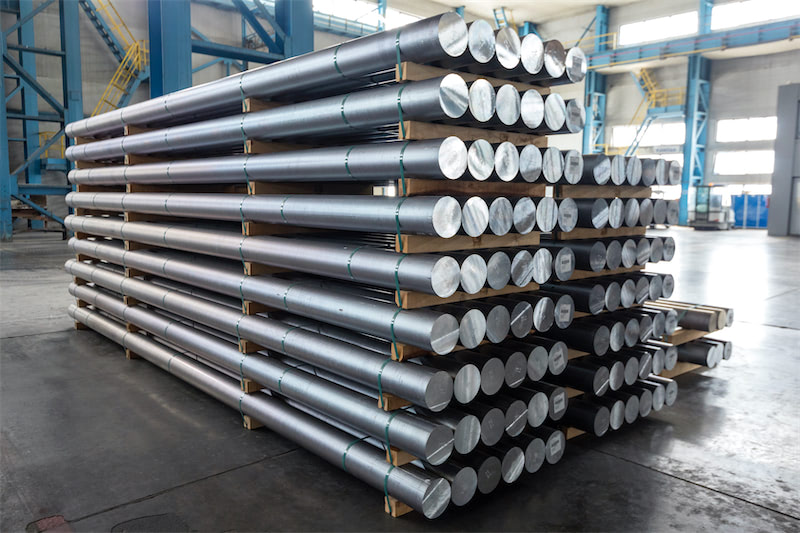
Although the recovery of domestic end-user demand has been relatively slow, the persistent widening of the primary aluminum supply gap overseas has strongly boosted export demand for domestic aluminum products. This has effectively underpinned domestic molten aluminum consumption and kept apparent consumption in positive growth territory. The proportion of molten aluminum in domestic production edged up moderately, rising by 1.1 percentage points month-on-month to 76.5% in the month. The overall performance was slightly better than expectations at the start of the month, mainly driven by stronger-than-expected export orders.

Based on SMM’s calculation of molten aluminum proportion, domestic primary aluminum ingot output in May fell 1.2% year-on-year and 0.9% month-on-month.

Capacity Changes: As of late May, SMM recorded domestic operational primary aluminum capacity at approximately 46.209 million metric tons, with no month-on-month change.

Output Forecast: In June 2026, buoyed by improving overseas market demand, export orders for domestic aluminum fabricated products are expected to keep recovering, supporting a slight rebound in the molten aluminum proportion. Overall, the molten aluminum proportion is projected to increase by 0.1 percentage point to 76.6%.
Data Source Statement: Except for publicly available information, all other data are processed by SMM based on publicly available information, market communication, and relying on SMM‘s internal database model. They are for reference only and do not constitute decision-making recommendations.

For any inquiries or to learn more information, please contact: lemonzhao@smm.cn
For more information on how to access our research reports, please contact:service.en@smm.cn
Related News
BoE Governor Signals Dovish Stance, Tolerating Inflation Above 2% Amid Economic Weakness
Common.Time.minsAgo
BoE Governor Signals Dovish Stance, Tolerating Inflation Above 2% Amid Economic Weakness
Read More
BoE Governor Signals Dovish Stance, Tolerating Inflation Above 2% Amid Economic Weakness
Bank of England Governor Bailey sent a clearly dovish signal. He noted that given the current economic weakness, the central bank could tolerate inflation exceeding the 2% target for a period of time. This remark significantly lowered market expectations for a rate hike in June. However, Bailey also warned that once signs of second-round effects emerged, the central bank's tolerance for inflation would diminish accordingly.
Common.Time.minsAgo
Eurozone Inflation Surges, ECB Signals Likely Rate Hikes in June and Beyond
Common.Time.minsAgo
Eurozone Inflation Surges, ECB Signals Likely Rate Hikes in June and Beyond
Read More
Eurozone Inflation Surges, ECB Signals Likely Rate Hikes in June and Beyond
The eurozone was facing a broad-based intensification of inflationary pressures. Specifically, the Consumer Price Index (CPI) in France and Spain rose 2.8% and 3.6% YoY in May, respectively, both hitting their highest levels since 2024. Meanwhile, Italy's inflation rate climbed to 3.3%, reaching its peak since 2023, while Germany's core inflation also accelerated to 2.5%. Against this backdrop, ECB Governing Council member Simkus noted that a rate hike in June was almost a foregone conclusion, and that further rate hikes would "very likely" be needed thereafter.
Common.Time.minsAgo
Fed Officials Diverge on Impact of Middle East Conflict on Inflation and Rate Hike Necessity
Common.Time.minsAgo
Fed Officials Diverge on Impact of Middle East Conflict on Inflation and Rate Hike Necessity
Read More
Fed Officials Diverge on Impact of Middle East Conflict on Inflation and Rate Hike Necessity
US Fed Vice Chair Bowman noted that it was still too early to judge the impact of the Middle East conflict on US inflation, and that temporary price shocks should be overlooked. However, Kansas City Fed President Schmid argued that it was difficult to continue viewing the current energy price shock as a "transitory" factor, and that officials needed to clearly express their willingness to take necessary measures to maintain price stability. The Fed's Kashkari stated that it was too early to determine whether rate hikes were needed, and that all possible policy options should be kept open. Fed official Paulsen said there had been no structural change in inflation.
Common.Time.minsAgo
Register to Continue Reading
Gain access to the latest insights in metals and new energy
Already have an account?sign in here