Why Can't High Imports Resolve Negative TCs? A Detailed Look at Copper Concentrate Imports in H1 2026 [SMM Analysis]
[SMM Analysis: High Imports Yet Lower TCs: Why China’s Copper Concentrate Market Is Getting Tighter amid Rising Purchases] In H1 2026, China’s copper concentrate imports stayed high but edged down YoY, with the pace of imports slowing noticeably in Q2 compared with Q1. At the same time, new and expanded smelting capacity continued to come onstream, and growth in copper concentrate demand outpaced the increase in import supply, driving spot TCs further down. On July 24, the SMM Imported Copper Concentrate Index (weekly) fell to -$154.76/dmt, further highlighting the contradiction of high imports coexisting with deeply negative TCs.
Looking ahead to H2, stockpiling, feeding, and production ramp-up at three new smelting projects in China will add to rigid procurement demand. Higher production from Oyu Tolgoi, a seasonal recovery in South American mine output, and shipments of some stockpiled ore are expected to support a QoQ increase in China’s copper concentrate imports. However, the resumption of production at Grasberg will still take time, and local smelting capacity in Indonesia and Africa continues to absorb domestically produced concentrates, meaning that increases in overseas mine production may not proportionally translate into accessible supply for China.
China’s copper concentrate imports are expected to remain high in H2 and rebound somewhat from H1, but the global supply-demand “hard deficit” for copper concentrates is unlikely to ease in the short term, and freely tradable, suitable supply will stay tight. In the absence of large-scale, sustained production cuts on the smelting side, spot TCs are more likely to show an L-shaped pattern of low-level operation with intermittent rebounds, and the configuration of rising imports alongside negative TCs will persist.


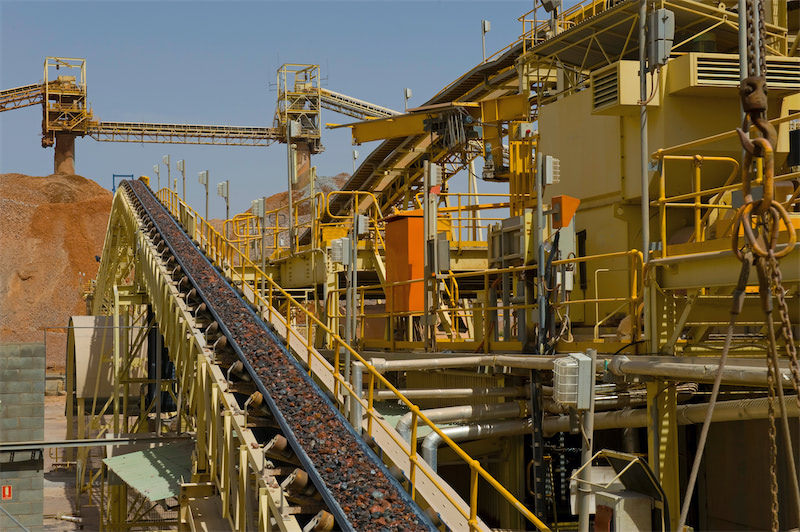
![Why Can't High Imports Resolve Negative TCs? A Detailed Look at Copper Concentrate Imports in H1 2026 [SMM Analysis]](https://imgqn.smm.cn/usercenter/KytYP20251217171712.jpg)
![중국의 구리 사회 재고 소폭 증가, 최종 소비는 약세 유지 [SMM 주간 데이터]](https://imgqn.smm.cn/usercenter/hsjMg20251217171712.jpg)