The 2025 Shanghai International Auto Show was grandly held at the National Exhibition and Convention Center, attracting nearly a thousand automotive enterprises from 26 countries and regions. Compared to 2023, the number of new models on display decreased from 141 to 97, with 67 being new energy vehicles (NEVs), indicating a turning point towards a more rational and calm automotive market. The absence of numerous overseas brands, such as Lamborghini, Maserati, Rolls-Royce, Hyundai, Jaguar Land Rover, and Subaru, signals that competition in the Chinese market has entered a critical stage—where survival depends on progress.
High-voltage fast charging and end-to-end intelligent driving become the main battlegrounds.
1) Megawatt-level fast charging and +5C~10C battery technologies made a concentrated appearance at this auto show.
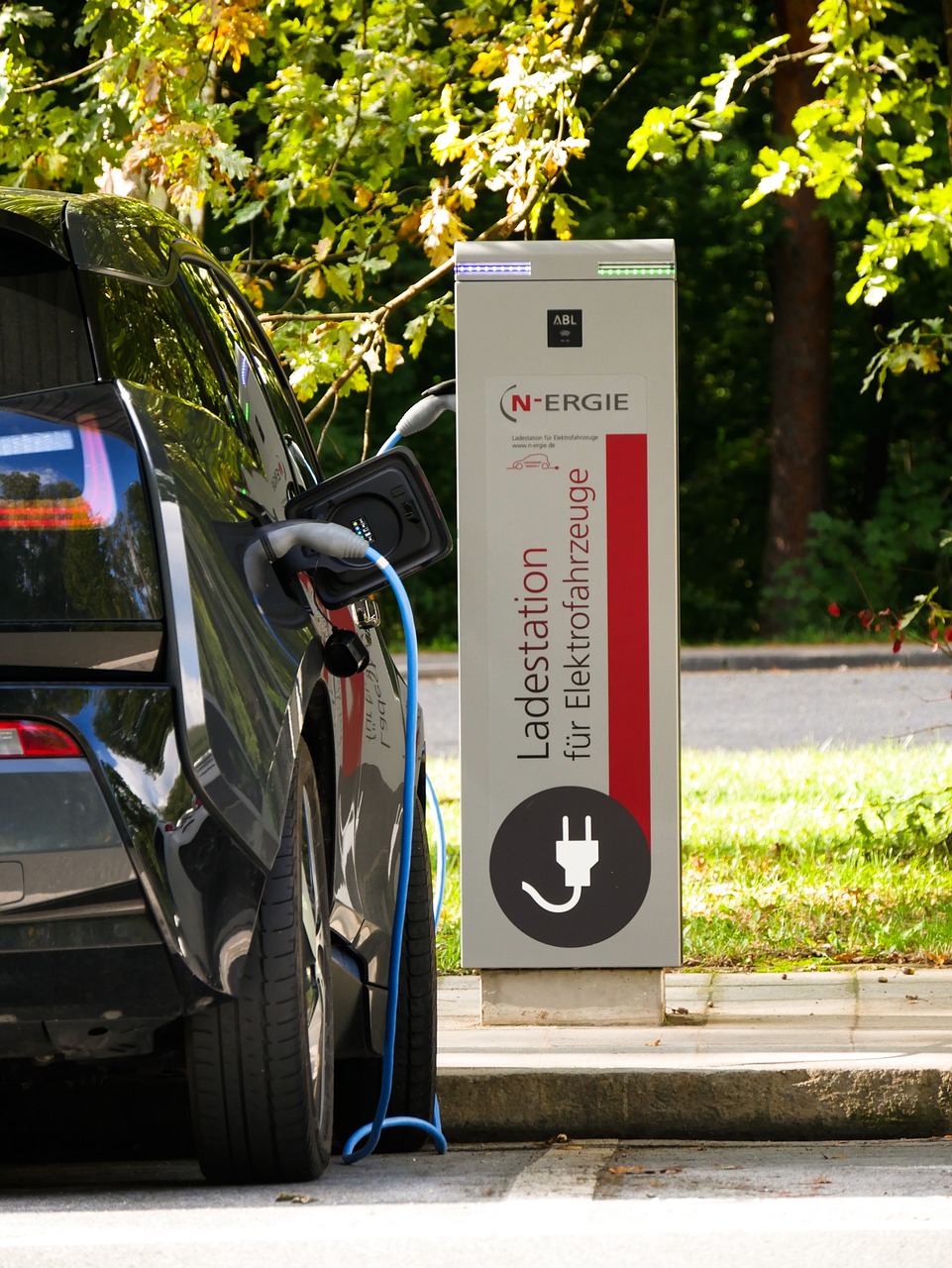
Flagship models, such as the Zeekr 9X, XPeng Kunpeng Architecture, BYD Seal, and Li Auto i8, all feature platforms above 900V and achieve a recharging capability within 10-15 minutes. This achievement not only reflects breakthroughs in battery cell technology but also showcases advancements in vehicle thermal management, BMS strategies, and the collaborative capabilities of electric drive and power electronics. The widespread adoption of fast charging capabilities directly determines the product experience threshold for mid-to-high-end NEVs.
2) Intelligent driving equity and platform equity have emerged as new paradigms.
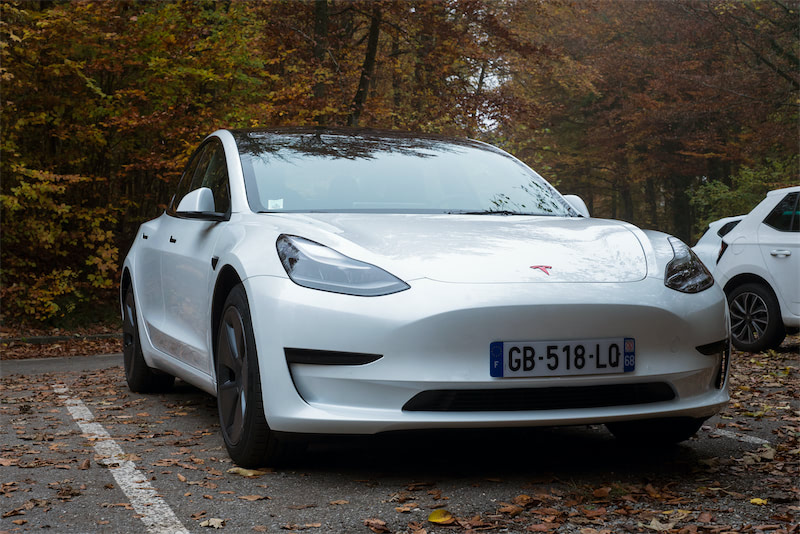
Intelligent driving has entered an era of architectural revolution, with end-to-end solutions championed by Tesla, Li Auto, XPeng, and others becoming the optimal solution at this stage. Traditionally, models priced below 100,000 yuan only offered basic functions, but now models like the BYD Qin PLUS, Chery eQ1 Intelligent Drive, and XPeng MONA have achieved functions such as urban NOA, highway navigation, and automatic parking. The core behind this lies in the rapid implementation of a vision + large model + end-to-end architecture, which compresses cost models and breaks the path dependency that "intelligent driving can only be high-end." This represents a genuine technological revolution that penetrates deeper markets. The adaptability of automakers to computing platforms (such as Huawei Ascend, NVIDIA Orin, and Horizon Journey) has also become a core competitive factor. This auto show marked the first time that parts enterprises such as Bosch, ZF, Desay SV, and Horizon Robotics were elevated to the position of "technology release protagonists." This reflects the collaborative R&D capabilities between automakers and their supply chains. From Horizon Robotics' urban end-to-end architecture in HSD to Momenta's self-evolving capabilities of the R6 Flywheel large model through reinforcement learning, and Bosch's comprehensive entry into the L2++ intelligent driving modular system, these Tier 1 suppliers are forming the technological hub for intelligent vehicle system design and control.
Domestic brands rise strongly.
In Q1 2025, domestic brands' market share in the passenger vehicle segment exceeded 63%, with BYD, Geely, Chery, and Changan forming a new "Big Four" landscape. Among them, BYD sold 634,000 units in Q1, up 17% YoY; Geely followed closely behind with a growth rate as high as 43%.Joint-venture luxury brands continue to face pressure—first-tier luxury brands (BBA) have collectively declined, with a YoY decline in sales of 10% to 24% in Q1 2025, while second-tier brands have generally seen a significant drop. The weakening of brand effects and the collapse of pricing systems have occurred simultaneously, allowing domestic luxury cars (such as Xiaomi SU7, Zunjie S800, Yangwang U8L, and Zeekr 9X) to surpass traditional "status symbols" through intelligent experiences. Models like the Yangwang U8, Zeekr 009, and Li Auto MEGA no longer challenge luxury through "cost-effectiveness," but rather through technical superiority over traditional luxury in terms of driving range, intelligent driving, performance, and charging experience.
Among the top 10 new energy vehicle (NEV) startups, domestic brands occupy 9 seats, indicating that intelligence is becoming the main engine for the re-differentiation of NEV startups. It is worth noting the fission effect of Huawei-affiliated brands. "Harmony Intelligent Mobility Alliance (HIMA)" has established a multi-brand matrix including AITO, LUXEED, STELATO, and another brand (as yet unnamed), rapidly building technological barriers in intelligent driving capabilities and cabin experiences. Its "chassis platform + software ecosystem" model is having a profound impact on the logic of vehicle development.
Safety Red Lines and Market Boundaries Reshaped Simultaneously
At the 2025 auto show, "safety" became a top priority. The Ministry of Industry and Information Technology (MIIT) issued the "Safety Requirements for Power Batteries for Electric Vehicles" (GB38031-2025), further raising the testing thresholds for battery thermal runaway, fast charging cycles, and other aspects. Meanwhile, policies such as autonomous driving legislation, clarification of insurance liabilities, and management of software over-the-air (OTA) upgrades have accelerated, expected to provide institutional guarantees for the deployment of Level 2+/Level 3 autonomous driving in the next two years.
Summary of Brand Participation at the Auto Show
Domestic Brands
• BYD: Multiple new models including the Seal 06 EV/DM-i/Wagon, Dolphin 06, etc., with comprehensive technological upgrades;
• Trumpchi: Envision M8/S9, featuring HarmonyOS cabin + Qiankun ADS;
• Geely Galaxy: Galaxy Battleship SUV, capable of wading through 800mm of water and supporting satellite communication;
• Chery: New-generation QQ, eQ1 with intelligent driving, emphasizing popularization;
• Jetour: Zongheng G700 hybrid off-roader, with an officially claimed driving range of 1,400km;
• Exeed: Tianji concept car, with a driving range of 2,000km and 10-minute fast charging.
Overseas Brands
• Mercedes-Benz: CLA electric, with an 800V platform + Level 2++;
• Audi: Q6L e-tron production imminent, with multiple models equipped with Huawei ADS;
• Cadillac: LYRIQ-V performance SUV, VISTIQ luxury SUV;
• Nissan, Toyota, Volkswagen: Focusing on intelligent driving platforms and electric drive architectures;
• Lexus: Launching the new ES model, with enhanced intelligent configurations.
New Energy Vehicle Startup Brands
• AITO, LUXEED, another brand (as yet unnamed), Zunjie: Forming the HIMA ecosystem matrix;
• Yangwang: U8L executive-class SUV, with four motors + "Celestial Eye" technology;
• Zeekr: 9X flagship MPV, with 6C fast charging + "Boundless Horizon" intelligent driving;
• Xiaomi: Achieving sales breakthroughs with the single model SU7;
• Leap Motor: B10, a high-level intelligent driving model priced at RMB 120,000.
SMM New Energy Research Team
Wang Cong 021-51666838
Ma Rui 021-51595780
Feng Disheng 021-51666714
Lv Yanlin 021-20707875
Zhou Zhicheng 021-51666711
Zhang Haohan 021-51666752
Wang Zihan 021-51666914
Wang Jie 021-51595902
Xu Yang 021-51666760
Yang Lianting 021-51595835
Yang Le 021-51595898
![마그네슘 가격 3거래일 연속 상승! 원가 측면은 여전히 '뜨겁게 타오르는' 반면 수요 측면은 바통을 이어받기 어려워 [SMM 논평]](https://imgqn.smm.cn/usercenter/EutUV20251217171724.jpeg)