The Rise of Indonesia as a Global Nickel Powerhouse
Indonesia's Dominance in Global Nickel Production
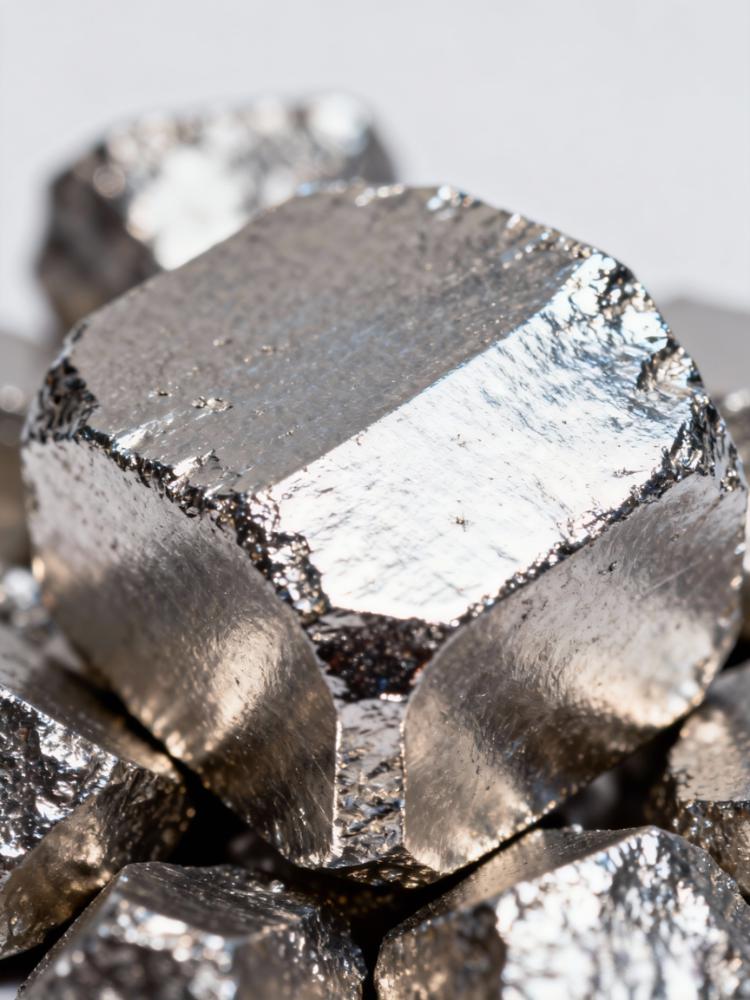
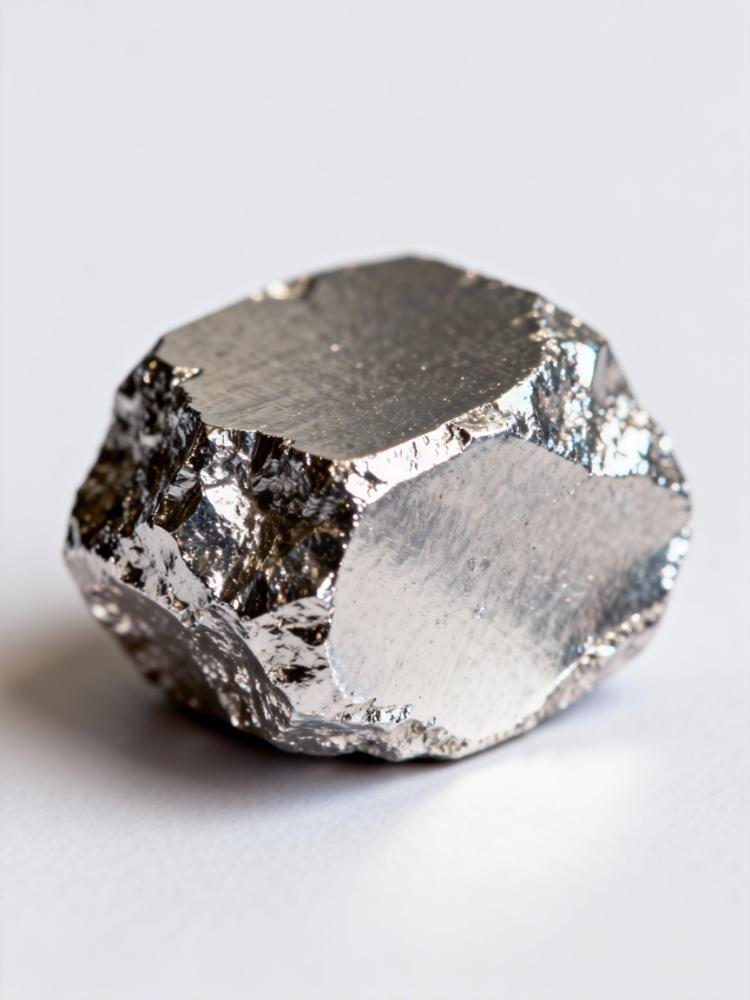
Indonesia leads the world in nickel output. It supplies about 37% of the global market. This outpaces countries like the Philippines and Russia. Its rich laterite ore deposits, mainly on Sulawesi and in Maluku, drive this edge. Government rules push local processing over raw exports. These steps aim to boost the economy. They also make Indonesia a top player in refined nickel.
The Role of Nickel in the EV Battery Revolution
Nickel is key for EV batteries. It helps make high-energy cathodes like nickel-cobalt-manganese (NCM) and nickel-cobalt-aluminum (NCA). These boost battery power and range. As EVs grow popular, spurred by green goals and incentives, nickel demand is soaring. Indonesia’s vast reserves and refining investments make it a vital supplier.
Key Drivers Behind Indonesia's Nickel Strategy
Several things fuel Indonesia's nickel plan. A 2020 ban on raw ore exports spurs local smelting. Cash from China, Japan, and South Korea funds projects like high-pressure acid leaching (HPAL) plants. These support battery hubs. Indonesia also wants to shift from raw exports to making high-value goods like EV batteries.
Environmental and Social Impacts of Nickel Mining in Indonesia
Deforestation and Ecosystem Destruction from Open-Pit Mining
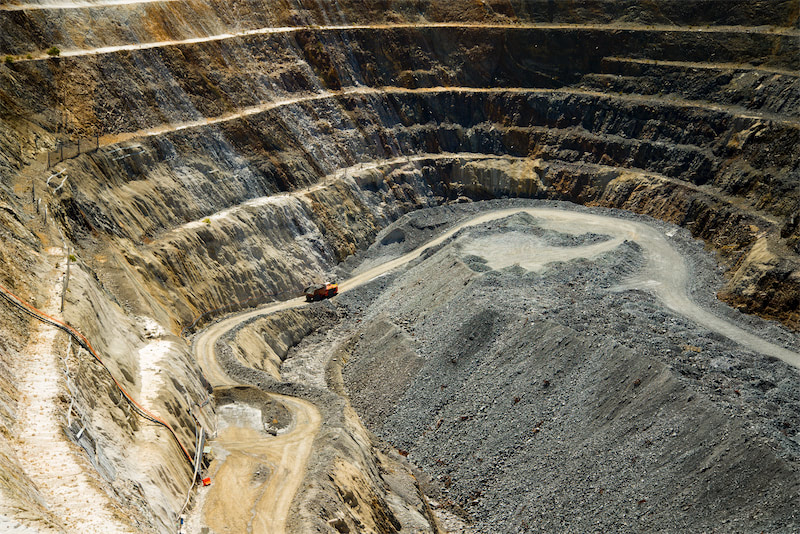
Open-pit mining harms forests. It clears trees to reach laterite deposits. This hurts rare species and biodiversity. It also adds to climate change. Cleared forests release stored carbon into the air.
Pollution Challenges: Coal-Fired Smelters and Water Contamination
Coal-powered smelters cause big pollution. They release gases and dust. These worsen air quality. Mining also dirties water. Heavy metals like arsenic and cadmium leak into streams. This threatens communities who need clean water for drinking and farming.
High-Pressure Acid Leaching (HPAL) and Toxic Waste Management
HPAL pulls nickel from low-grade ore. It's efficient but makes toxic waste called tailings. These need careful handling. Poor disposal can harm soil and water. It causes lasting damage to nature.
Downstreaming Efforts: Transition from Raw Exports to Refined Products
Refining Metals and Manufacturing Batteries Locally
Indonesia pushes local refining. Rules require processing before export. This has built many smelters. They make products like ferronickel and nickel pig iron (NPI). Deals with global firms also spark battery plants in the country.
Opportunities for Exporting EV Batteries Instead of Raw Materials
Making EV batteries at home lets Indonesia earn more. It cuts reliance on raw exports. This move boosts the economy. It also makes Indonesia a strong rival in the global EV market.
Challenges in Building a Sustainable Supply Chain
Creating a green supply chain is tough. Mining harms nature. Local communities often protest. Poor infrastructure adds hurdles. Balancing growth with eco-care needs strict rules and new ideas.
ESG Concerns in Indonesia's Nickel Industry
Pollution, Indigenous Rights, and Working Conditions in Mining Operations
Nickel mining raises big ESG worries. Pollution is a top issue. Smelters and mines dirty air, water, and soil. Coal plants add greenhouse gases. They make air hard to breathe. Water sources get heavy metals. This hurts nearby towns.
Indigenous rights spark disputes too. Many mines sit on native lands. Communities face eviction without fair pay or talks. This stirs unrest. It also erases cultural roots. Work conditions can be rough. Some mines lack safety gear. Workers face long hours and low pay. Better labor laws are needed.
Waste Management Practices: Deep-Sea Tailings Disposal Controversy
Handling waste is a hot topic. Deep-sea tailings disposal (DSTP) is one method. It dumps waste in the ocean. Some say it saves land and avoids dam risks in quake zones. But green groups warn it kills sea life. It hurts fish stocks and coastal jobs. Weak waste rules make things worse. Bad disposal threatens land and sea. Global eyes push Indonesia for greener ways.
Comparing ESG Ratings of Global Nickel-Producing Nations
Indonesia lags in ESG scores. Its pollution and governance issues drag it down. Nations like Canada and Finland rank higher. They have tight rules and green tech. Their workers get better protections. Indonesia uses coal-heavy smelters. Practices like DSTP hurt its score too.
Still, Indonesia is trying. It's eyeing renewable energy for smelters. It's also funding eco-friendly tech. These steps could lift its ESG rank over time.
The Role of International Players in Indonesia's Nickel Industry
Tesla, BMW, and Volvo's Dependence on Indonesian Nickel Supplies
Big carmakers need Indonesian nickel. Tesla, BMW, and Volvo use it for EV batteries. Nickel cathodes boost battery range. This matters for EV growth. Indonesia’s huge output makes it a go-to source. But ESG issues pose risks. These firms aim for green goals. Dirty nickel can hurt their image. Some work with suppliers to clean up the chain.
Investment Trends Shaping the Future of Indonesia's Battery Hub Aspirations
Foreign cash shapes Indonesia's battery dreams. China leads with big funds. It backs HPAL plants for battery-grade nickel. South Korea joins too. It builds battery factories with local firms.
These funds help Indonesia move past raw exports. It wants to make batteries at home. This grabs more profit. It also sets Indonesia as a key EV chain player.
But challenges remain. Roads and ports need work. Rules can be tricky. ESG woes scare some investors. To keep growing, Indonesia must fix these. It also needs research to stay ahead in batteries.
Frequently Asked Questions
What are the main environmental concerns associated with nickel mining in Indonesia?
Mining causes forest loss. Coal smelters pollute air. Water gets heavy metals. Deep-sea waste dumping harms oceans.
How does deep-sea tailings disposal impact marine ecosystems?
It adds toxins to the sea. This kills fish and plants. It hurts coastal jobs too.
Why is nickel important for electric vehicle batteries?
It makes strong cathodes. These boost battery range and power.
How is Indonesia addressing ESG challenges in its nickel industry?
It's trying renewables for smelters. It's also funding green tech to cut harm.
To learn more about metals or SMM Information & Technology Co., Ltd.'s services—like pricing or tailored consulting—reach out to them.