4.21 Nickel Morning Meeting Summary
Refined Nickel:
Last week, nickel prices rebounded strongly. The weekly average price of SMM 1# refined nickel was 126,215 yuan/mt, up 3.6% WoW. For the most-traded SHFE nickel contract, the implementation of Indonesia's nickel ore royalty (PNBP) policy, the recovery of market sentiment, and the cost support effect drove nickel prices to gradually rebound. As of April 18, the closing price was 125,600 yuan/mt, up 3.5% for the week. Supply side, refined nickel production in March was about 34,000 mt, up 21% MoM, still showing a supply surplus. Demand side, after the rebound in nickel prices, major downstream alloy special steel companies mainly adopted a wait-and-see approach this week. No significant demand increase was seen in other sectors. Inventory side, domestic social inventory this week was about 44,000 mt, with a buildup of about 650 mt WoW. Inventory remains at a high level, to some extent limiting the upside room for nickel prices. It is expected that SHFE nickel will maintain a fluctuating upward trend next week, but the upside space will be constrained by high inventory and weak demand.
Nickel Sulphate:
Last week, the SMM battery-grade nickel sulphate index price was 27,760 yuan/mt, with the quotation range for battery-grade nickel sulphate at 27,750-28,350 yuan/mt. The average price fell slightly WoW. Cost side, nickel salt smelters actively inquired about MHP spot and Q3 long-term contracts this week. Due to tightening supply, the MHP coefficient has no downward space. Supply side, affected by the decline in LME nickel at the beginning of the month, the cost support for nickel sulphate weakened, and some nickel salt smelters lowered their quotation coefficients at the beginning of the week. Demand side, some downstream companies have not completed April restocking, and precursor plants actively inquired this week, with market activity relatively increasing. Looking ahead, nickel sulphate prices are expected to rise slightly next week due to widening cost support and tightening supply.
Nickel Pig Iron (NPI):
Last week, the weekly average price of SMM 8-12% high-grade NPI was 988.9 yuan/mtu (ex-factory, tax included), down 22 yuan/mtu WoW. The decline in high-grade NPI prices continued to widen this week. Supply side, domestically, the impact of the rainy season in the Philippines on nickel ore output has basically eased, but due to price declines, smelters' production motivation weakened, and production remained at low levels. In Indonesia, smelters' operating rates remained basically stable compared to previous levels. With the implementation of Indonesia's nickel ore royalty policy, Indonesian smelters are taking a wait-and-see approach to expected production increases, and production remains stable. Demand side, the destocking of stainless steel social inventory weakened during the week, with market transactions mainly focused on warrant goods and some low-priced goods. Stainless steel mills' demand for raw materials was weak, and some top-tier enterprises had pre-stocked, leading to a decline in raw material inquiry activity. Market transactions during the week were concentrated in some special steel mills and mid-tier stainless steel mills, with significant differences in transaction prices. In the short term, high-grade NPI prices remain under pressure due to negative feedback from downstream stainless steel.
Stainless Steel:
Last week, the stainless steel spot market showed a trend of rising first and then stabilizing. At the beginning of the week, the announcement of the US exempting some goods from "reciprocal tariffs" boosted market confidence, with futures prices opening high and holding above 12,800 points, driving up spot market prices. However, due to the presence of some low-priced goods in the market and weak purchasing willingness from downstream customers, market transactions were mainly focused on low-priced warrant goods, with non-standard products difficult to trade, and overall prices remained largely stable. Current macro factors significantly disturb the market, especially the frequent fluctuations in US tariff policies, leading to strong wait-and-see sentiment among market participants. Although cost support is gradually weakening, stainless steel prices remain stable in the short term. Going forward, it is necessary to continue to pay attention to the actual implementation details of US tariff policies and the specific performance of the consumption side. This week, the most-traded SS contract stopped falling and rebounded, with prices showing a fluctuating upward trend. As of 10:30 am on April 18, the SS2506 quotation was 12,785 yuan/mt, up 135 yuan/mt WoW. From a macro perspective, last week, affected by US tariff policies, the market experienced a "triple kill" in stocks, currencies, and bonds, raising concerns about the risk of a "Trump recession." Subsequently, US tariff policies eased, with a 90-day suspension of "reciprocal tariffs" for some countries and tariff exemptions for some products, which weakened the previous pessimistic expectations in the stainless steel market. At the same time, Indonesia officially determined the new royalty for nickel products this week, which will be implemented on April 26, undoubtedly increasing the overall cost of nickel products. It is expected that future stainless steel production costs will also be affected and increase. On the fundamental side, this week, port arrivals decreased due to strong winds. However, as the current market trend remains unclear, downstream wait-and-see sentiment is strong, and market transactions are mainly focused on low-priced goods based on futures market pricing, with overall transactions being relatively limited. This week, the futures market trend is still largely influenced by macro policies, and although the market has an upward intention, it remains cautious overall, with the trend being mainly fluctuating. It is expected that if no new major macro disturbances occur next week, stainless steel futures may continue the fluctuating upward trend.
Nickel Ore:
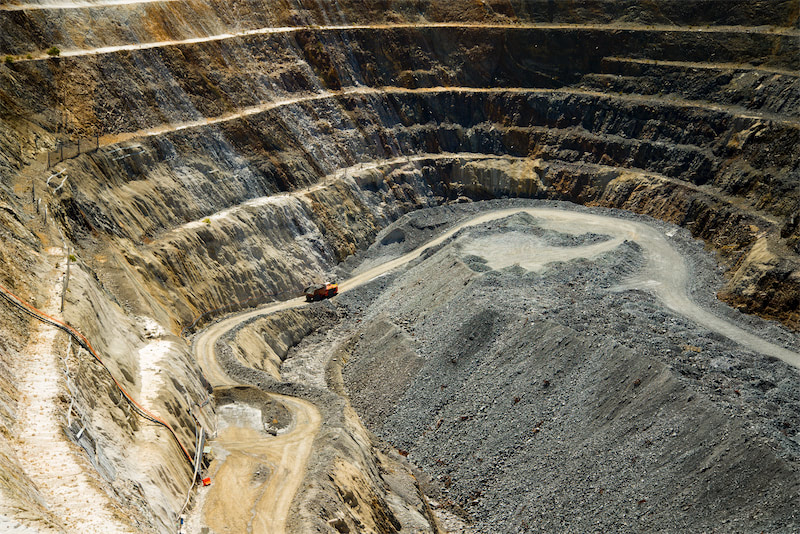
Last week, Philippine nickel ore prices remained stable. From a supply and demand perspective, the rainy season in the southern Philippines has basically ended, and shipments of medium-grade nickel ore from Surigao mines are expected to increase. On the demand side, domestic NPI prices continued to decline during the week, and domestic smelters' acceptance of high-priced nickel ore decreased. From an inventory perspective, domestic nickel iron plant inventories remain relatively low, with just-in-time procurement demand still existing, but acceptance of nickel ore prices is limited. In terms of ocean freight rates, ocean freight rates remained stable during the week, with the rate from Surigao to Lianyungang, China, at about $10-10.5/wmt. From the Philippines to Indonesia, exports from the Philippines to Indonesia are still increasing, and Indonesian nickel ore prices remained stable and strong during the month, providing some support to Philippine nickel ore prices. Overall, SMM expects that due to the combined effects of increased supply and declining downstream NPI prices, Philippine nickel ore prices may trend weakly in the future.
Indonesian nickel ore prices remained stable and strong last week, with nickel prices slightly retreating. The expected implementation of the PNBP policy provided some macro support for prices. This week, transaction prices remained stable overall. In the Indonesian market, for pyrometallurgical ore, the mainstream premium continued at $24-26, with the 1.6% delivery-to-factory price at $51.5-53.5/wmt. For hydrometallurgical ore, the 1.3% delivery-to-factory price for Indonesia's local ore was about $25-26/wmt.
From a supply and demand perspective, for pyrometallurgical ore: On the supply side, the rainy season in Sulawesi Island has lasted for a long time, with frequent rainfall during the week, affecting nickel ore mining and transportation. However, overall, rainfall in Indonesia is expected to gradually decrease from April, and nickel ore supply is expected to increase. On the demand side, downstream NPI prices were impacted by the decline in nickel prices due to Trump's tariff policies, with NPI prices falling significantly during the week, weakening support for nickel ore prices. However, the April premium has been settled, and subsequent adjustments will need to wait for negotiations on the May premium at the end of April. From an inventory perspective, raw material inventories of Indonesian nickel iron smelters are generally low, with just-in-time restocking demand still existing. Combined with a slight increase in Indonesian NPI production during the month, demand support remains. Overall, SMM expects that the supply of Indonesian pyrometallurgical ore may continue to be tight. For hydrometallurgical ore: On the supply side, the tight supply of hydrometallurgical ore was not obvious during the week. On the demand side, the accident at the hydrometallurgical project in Sulawesi Park affected MHP demand in April. Overall, the supply of hydrometallurgical ore is relatively sufficient. On the policy side, Indonesia's PNBP policy was implemented this week, tentatively starting on the 26th. The increase in royalties has raised the sales cost of nickel ore, but the significant increase in premiums at the beginning of April has already taken into account the impact of the PNBP policy. Going forward, this policy is unlikely to further drive up nickel ore prices.
Overall, the nickel ore market is currently mixed with both positive and negative factors, but the main theme of tight supply remains. Future price trends will need to pay attention to the rainy season situation in Sulawesi and Maluku Islands in April. SMM expects that Indonesia's local nickel ore prices will remain stable and strong in the short term.