- The Fourth Largest Economy Among ASEAN Countries—The Steadily Developing Malaysian Steel Market
According to data compiled by SMM from the World Steel Association (WSA), Malaysia is a key steel producer, consumer, and exporter in Southeast Asia. In recent years, Malaysia's crude steel production has shown an overall upward trend, increasing from 2.8 million mt in 2017 to 8.8 million mt in 2024, with a compound annual growth rate of 17.7%. Meanwhile, Malaysia's ranking among the world's major crude steel producers has steadily risen, jumping from 39th in 2017 to 21st in 2024, demonstrating rapid development.
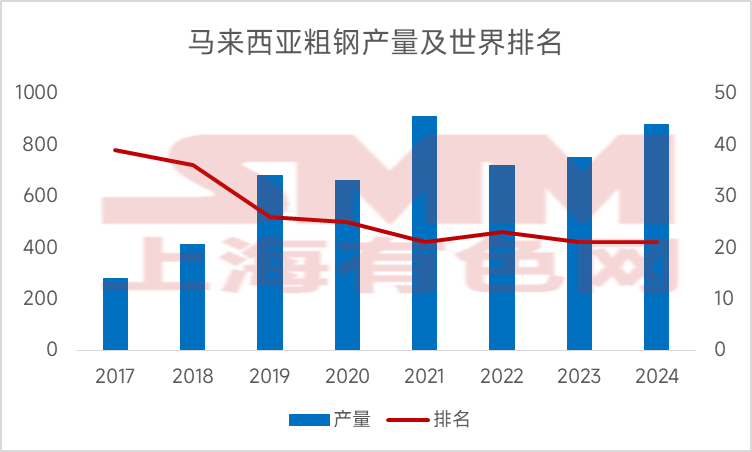
Data Source: WSA, SMM
From the perspective of production structure, Malaysia's finished steel production has always been dominated by long products such as rebar and wire rod. The production of medium and heavy sections and sheets & plates is constrained by the number of producers, resulting in insufficient output and reliance on imports. According to statistics from the "World Metal Guide," the current share of long products in Malaysia's finished steel production is as high as 83.3%.
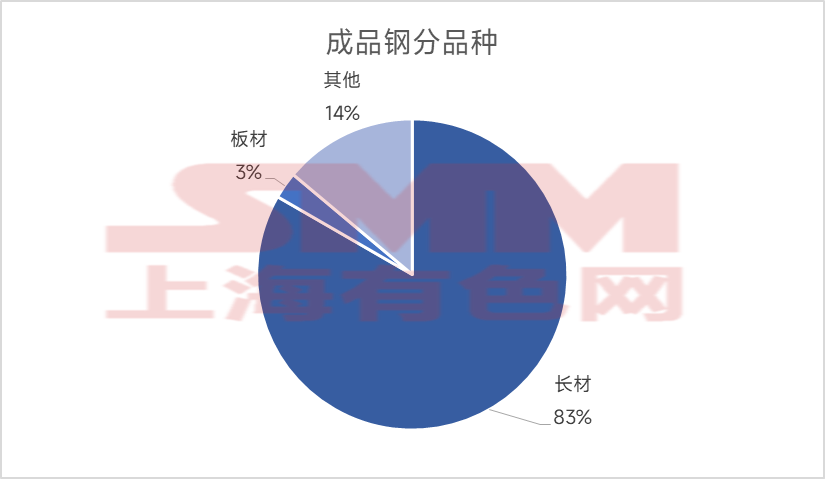
Data Source: World Metal Guide, SMM
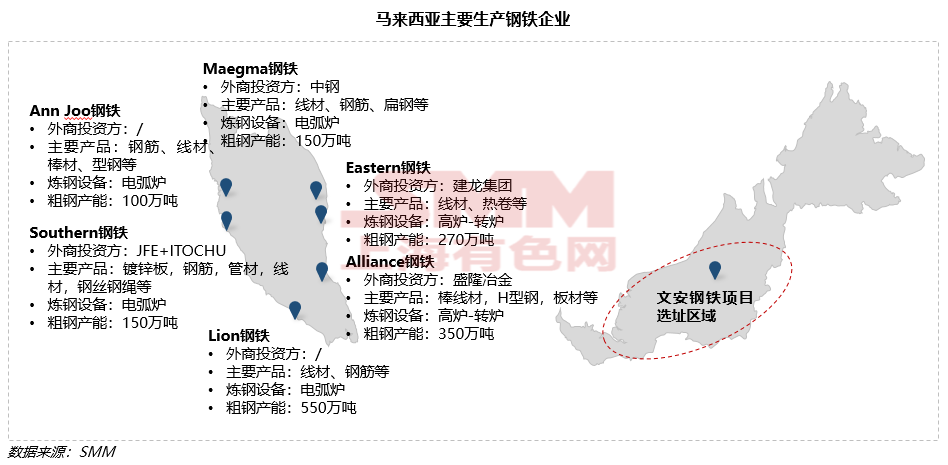
Similar to Vietnam, Malaysia's steel enterprises are mainly concentrated in coastal cities such as Penang, Selangor, and Malacca, where favorable port logistics conditions facilitate international trade. According to data from the Malaysian Iron and Steel Industry Federation, Malaysia has 239 steel mills, but most are relatively small in scale. Apart from a few large steel mills such as Malaysia Steel Works, Malaysia Steel Company, Lion Group, Southern Steel, Ann Joo Resources, CSC Steel Malaysia, and Eastern Steel, the rest are medium and small-sized mills. Currently, Lion Group and Malaysia Steel Works lead in crude steel capacity, with these two mills accounting for half of Malaysia's steel market.
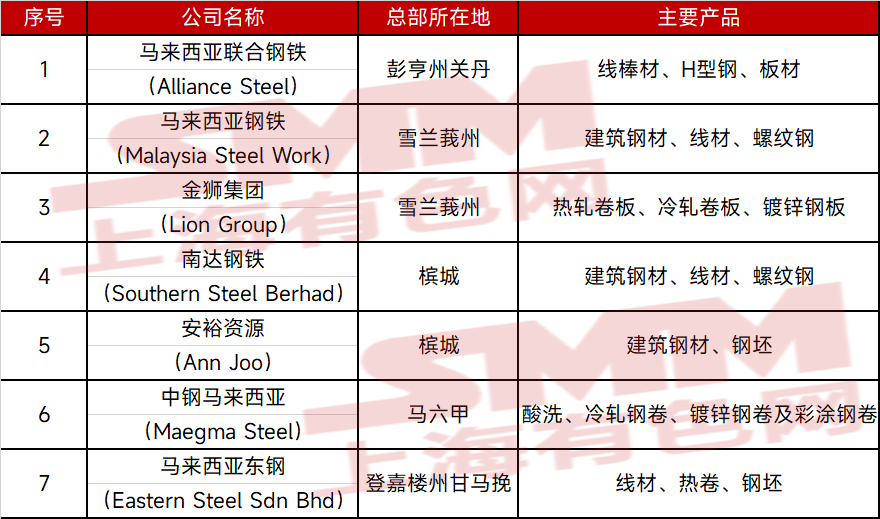
Data Source: Southeast Asia Iron and Steel Institute, SMM
- Malaysian Steel Demand Enters Plateau, Construction Industry Dominates Steel Usage
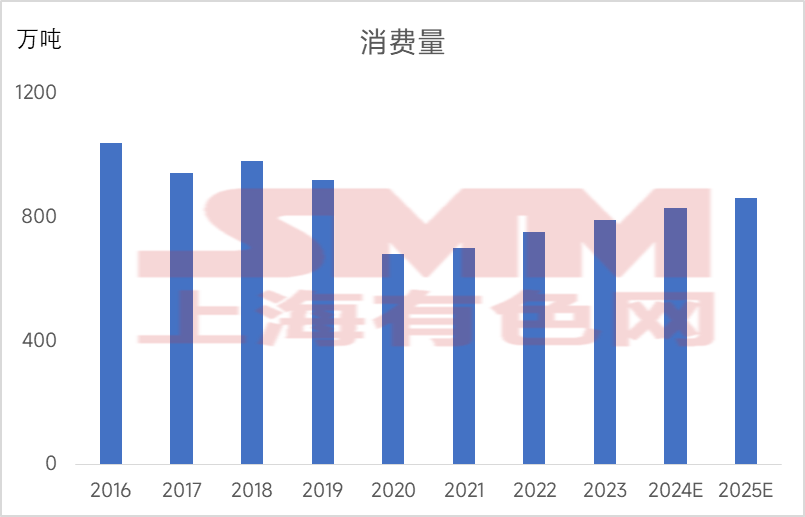
According to estimates by the Malaysian Iron and Steel Industry Federation, supported by government infrastructure projects, Malaysia's steel consumption is expected to grow 4.5% YoY to 8.2 million mt in 2024 and increase by 4.6% to 8.6 million mt in 2025. Looking at Malaysia's recent steel consumption data, although steel consumption has maintained steady growth from 2020 to 2025, local steel demand has not recovered to the peak levels of 2016-2018 due to political changes and the impact of the pandemic. Overall, Malaysia's industrialization process is largely complete, and its infrastructure is relatively well-developed, leading to a stable state of steel consumption.
Data Source: Malaysian Iron and Steel Industry Federation, SMM
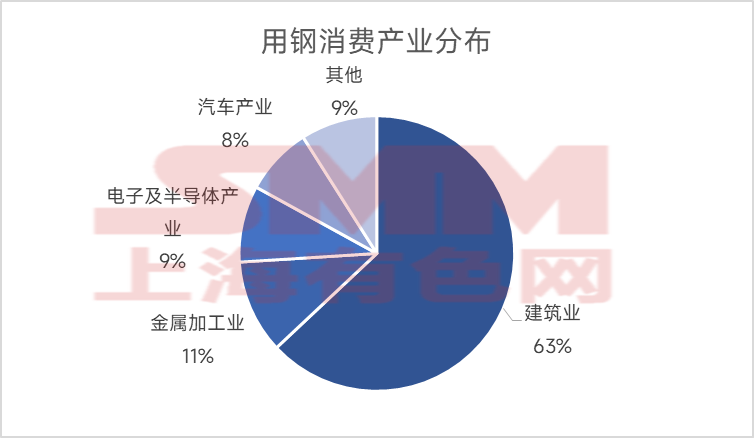
At the same time, statistics provided by the Malaysian Steel Association show that the construction industry dominates Malaysia's steel consumption, accounting for 63% of total demand, followed by metal processing (11%), electronics and semiconductors (9%), and the automotive industry (8%). Due to the construction industry's dominance in Malaysia's steel market, local long product production has grown rapidly. Currently, Malaysia's self-sufficiency rate for long products is as high as 150%, prompting the country to export surplus capacity. In contrast, Malaysia's sheet & plate production capacity is relatively weak, with a self-sufficiency rate of less than 10%, resulting in high dependence on imports. Next, we will analyze Vietnam's steel import and export situation in detail. Data Source:
Malaysian Steel Association, SMM
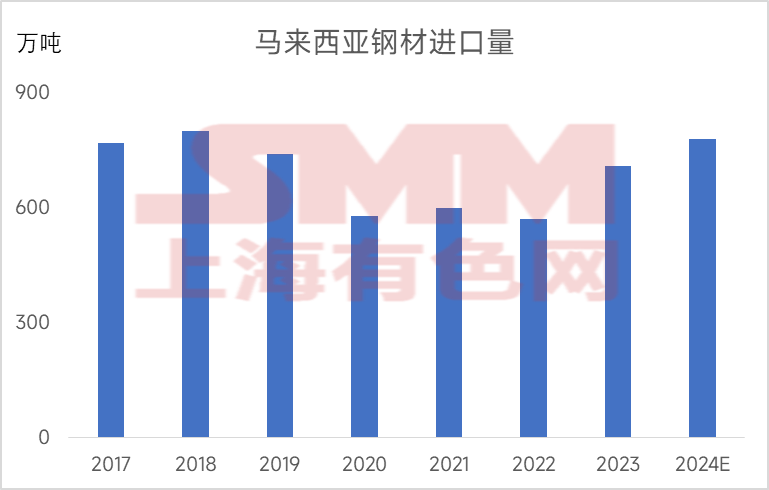
- From the Perspective of Imported Product Categories, Sheets & Plates Dominate According to WSA statistics, Malaysia's finished steel imports in 2023 amounted to approximately 7.1 million mt, up 24% YoY.
Among Malaysia's main sources of imported steel products, China is the largest supplier, accounting for nearly 30% of total imports. Taiwan, China, South Korea, Japan, and other ASEAN countries are also major sources of Malaysia's steel imports.
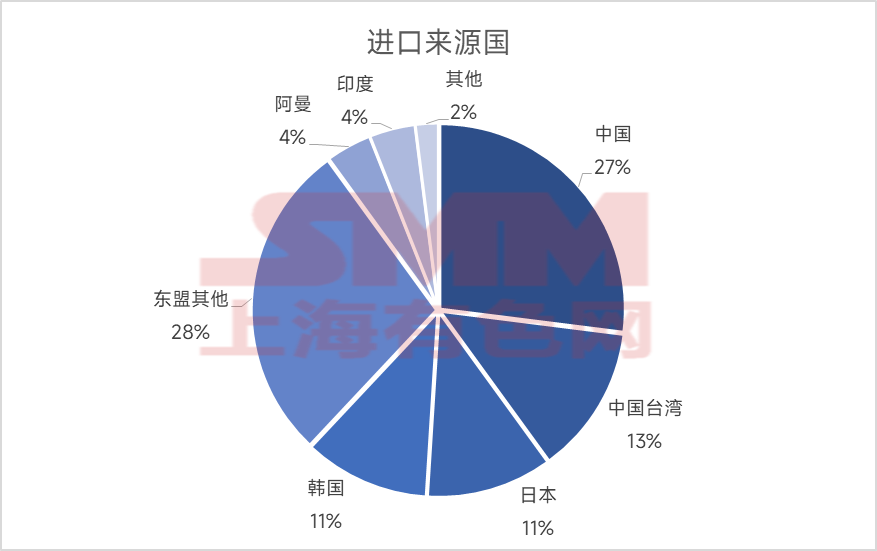
Data Source: WSA, Malaysian Steel Association, SMM
Sheets & plates are the main types of steel imported by Malaysia. According to statistics from the Southeast Asia Iron and Steel Institute, Malaysia imported approximately 4 million mt of sheets & plates in 2023, accounting for over 50% of total imports, far exceeding the 1.8 million mt of long products imported. Specifically, Malaysia mainly imports bars and wire rods from China, while high-value-added products such as cold-rolled sheets, tinplate, and galvanized sheets are primarily imported from Japan and South Korea. Among these, hot-rolled, wire rod, and cold-rolled products are currently the most imported categories in Malaysia.
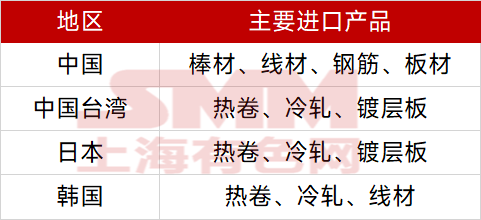
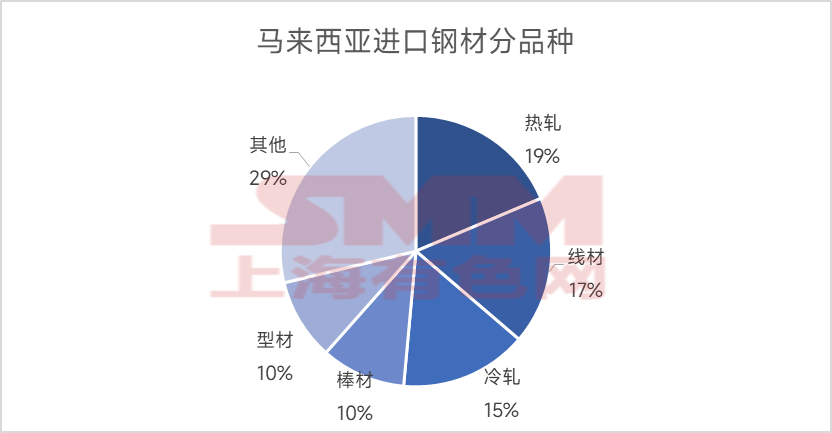
Data Source: World Metal Guide, SMM
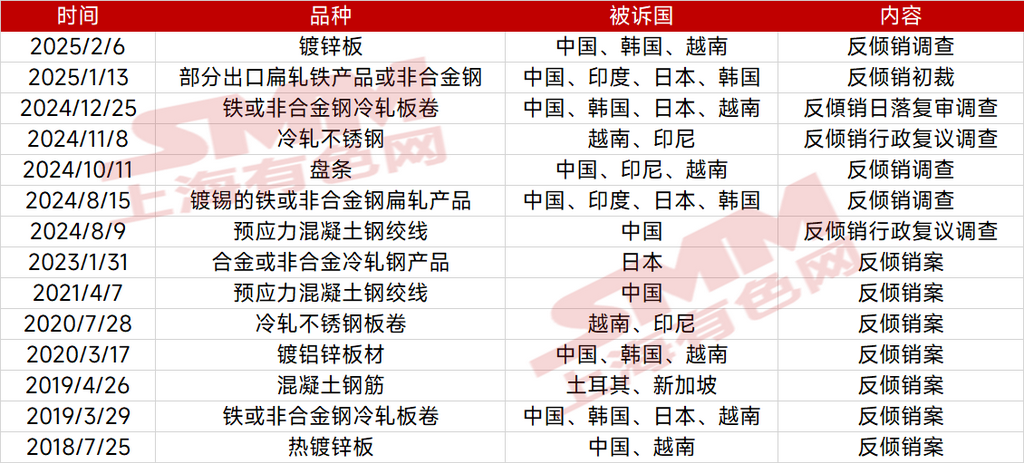
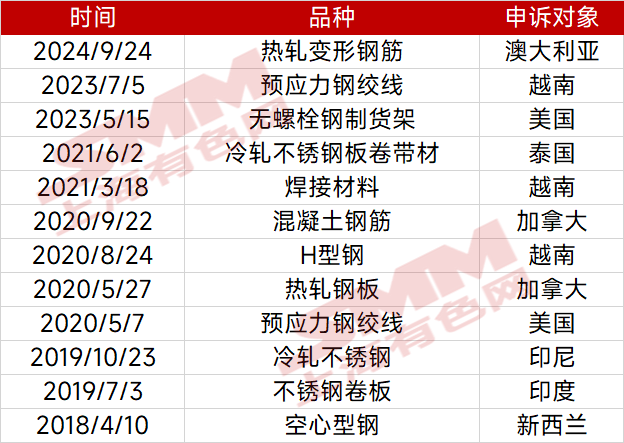
To protect domestic industries and maintain market order, Malaysia has continuously established and improved technical and quality management regulations and standards. It has also implemented anti-dumping investigations and other protective measures to prevent steel products that do not meet technical safety and environmental protection standards from entering the Malaysian market. According to data compiled by SMM from the China Trade Remedy Information Network, recent anti-dumping investigations in Malaysia are as follows:
- Exports Rapidly Increase, Long Products Dominate
According to historical data from WSA, Malaysia's steel exports have significantly increased since 2018. In 2023, Malaysia's finished steel exports grew 7% YoY to 7.6 million mt, surpassing imports. This indicates that with the gradual increase in steel capacity, Malaysia has transitioned from a "net importer" to a "net exporter."
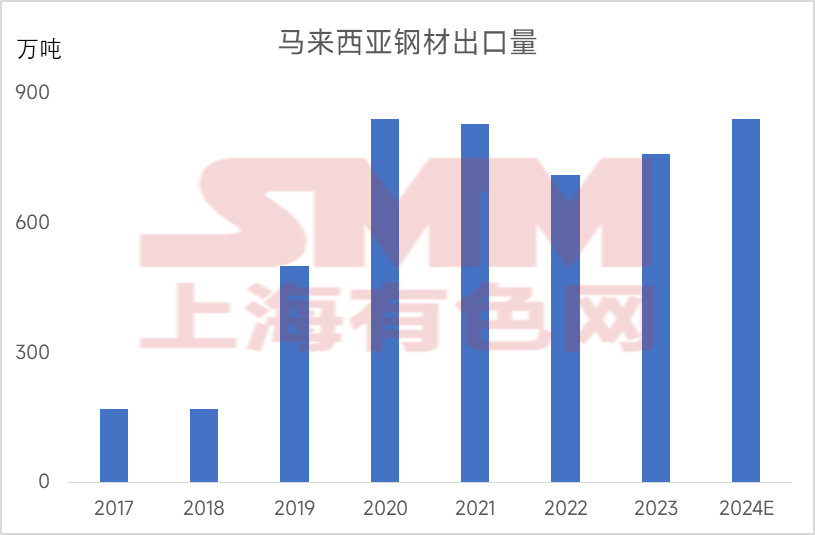
Data Source: WSA, SMM
From the perspective of product categories, Malaysia's steel exports are mainly long products. According to the "Statistical Yearbook (2023)" published by the Southeast Asia Iron and Steel Institute, over 50% of Malaysia's long products are exported. Since 2020, Malaysia's long product exports have remained at high levels, with a slight decline of 100,000 mt to 3.5 million mt in 2022. In contrast, Malaysia's sheet & plate exports in 2022 were only 760,000 mt. Data Source:
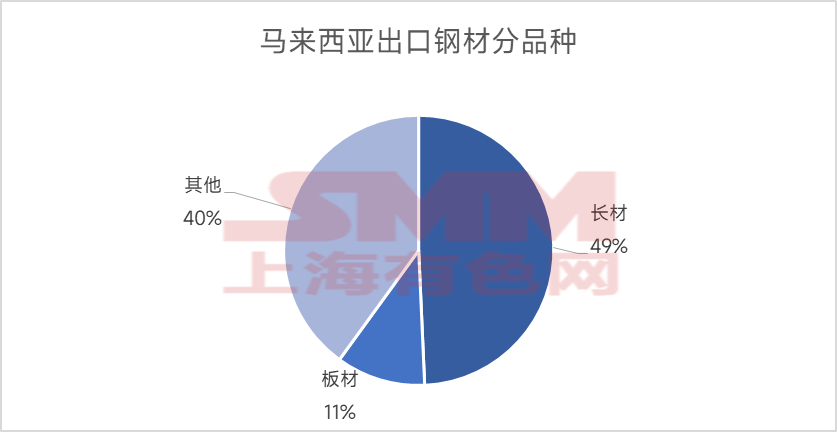
Southeast Asia Iron and Steel Institute, SMM
From the perspective of trade investigations, Malaysia's steel industry has received relatively few anti-dumping trade investigations in recent years, averaging 1-2 cases per year. The chart below shows Malaysia's steel trade investigation data over the past seven years, compiled by SMM based on data from the China Trade Remedy Information Network.
- Malaysia's Automotive Industry Chain Is Well-Developed, Future Demand for Sheets & Plates May Be a Highlight
Considering Malaysia's current supply and demand situation, local steel mill capacity is fully capable of meeting domestic demand. Moreover, according to future plans by steel mills, Malaysia is expected to add at least 16.5 million mt of new capacity. The chart below shows SMM's statistics on recent steel capacity expansion plans in Malaysia.
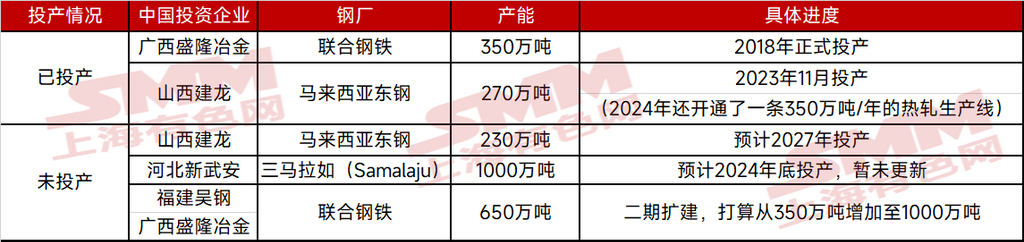
Data Source: WSA, SMM
According to WSA estimates, after the commissioning of the aforementioned new capacity, Malaysia's steel capacity will exceed three times its domestic demand. With steel demand entering a plateau and supply significantly increasing, Malaysia's steel oversupply situation will be difficult to alleviate, making export expansion one of the key solutions.
Additionally, from the perspective of local industrial steel demand distribution, the automotive industry is one of the main drivers of Malaysia's steel demand. As one of the few countries in Southeast Asia with a relatively complete automotive industry chain, Malaysia's demand for automotive steel is strong. Combined with the current supply situation, Malaysia's low self-sufficiency rate for sheets & plates and high dependence on imports present significant development and substitution opportunities. In summary, long product exports and sheet & plate substitution will become two major highlights in the development of Malaysia's steel industry.
Note: This article is an original work of this official account. For reprinting, collaboration, or other inquiries, please contact us. Without permission, the content may not be reproduced, modified, used, sold, transferred, displayed, translated, compiled, or disclosed to third parties in any form, nor may third parties be authorized to use it. Otherwise, SMM will take legal action to pursue liability for infringement, including but not limited to requiring the assumption of contractual breach liability, the return of unjust enrichment, and compensation for direct and indirect economic losses.
SMM Tracks Steel Import and Export News in Real Time. For More Information, Follow the SMM Official Account!

![[SMM Steel] 쿼터 축소와 공급 우려로 EU HRC 및 강판 가격 상승](https://imgqn.smm.cn/usercenter/ocJKj20251217171717.jpg)
![[SMM Steel] 수출 압력에 국내 경쟁 심화; 냉연 동향 엇갈리며 터키 판재 약세](https://imgqn.smm.cn/usercenter/MhPNV20251217171716.jpg)
![[SMM 스틸]](https://imgqn.smm.cn/usercenter/fvyjO20251217171715.jpg)