Lithium, one of the main materials used in lithium-ion batteries, has seen outrageous price volatility in the recent past. It is likely to do so again in 2025 based on a mix of economic, political, and technological factors. To companies seeking quality and compliant suppliers of lithium prices, knowledge of these drivers is essential to facilitate an informed buying decision.
Here in this article, we have a glance at the top five drivers of lithium prices in 2025 based on insights rooted in industry reports, trends, and actual data.
How Is the Growing Demand for Electric Vehicles (EVs) and Green Energy Impacting Lithium Prices?
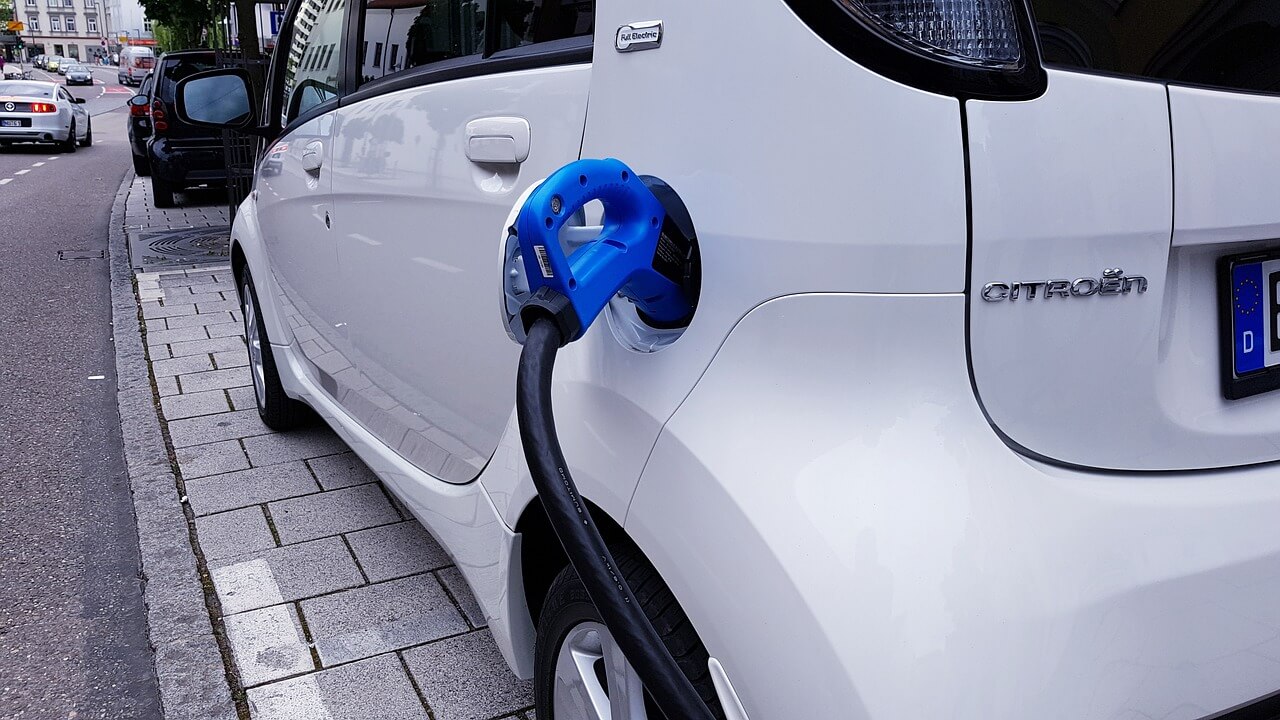
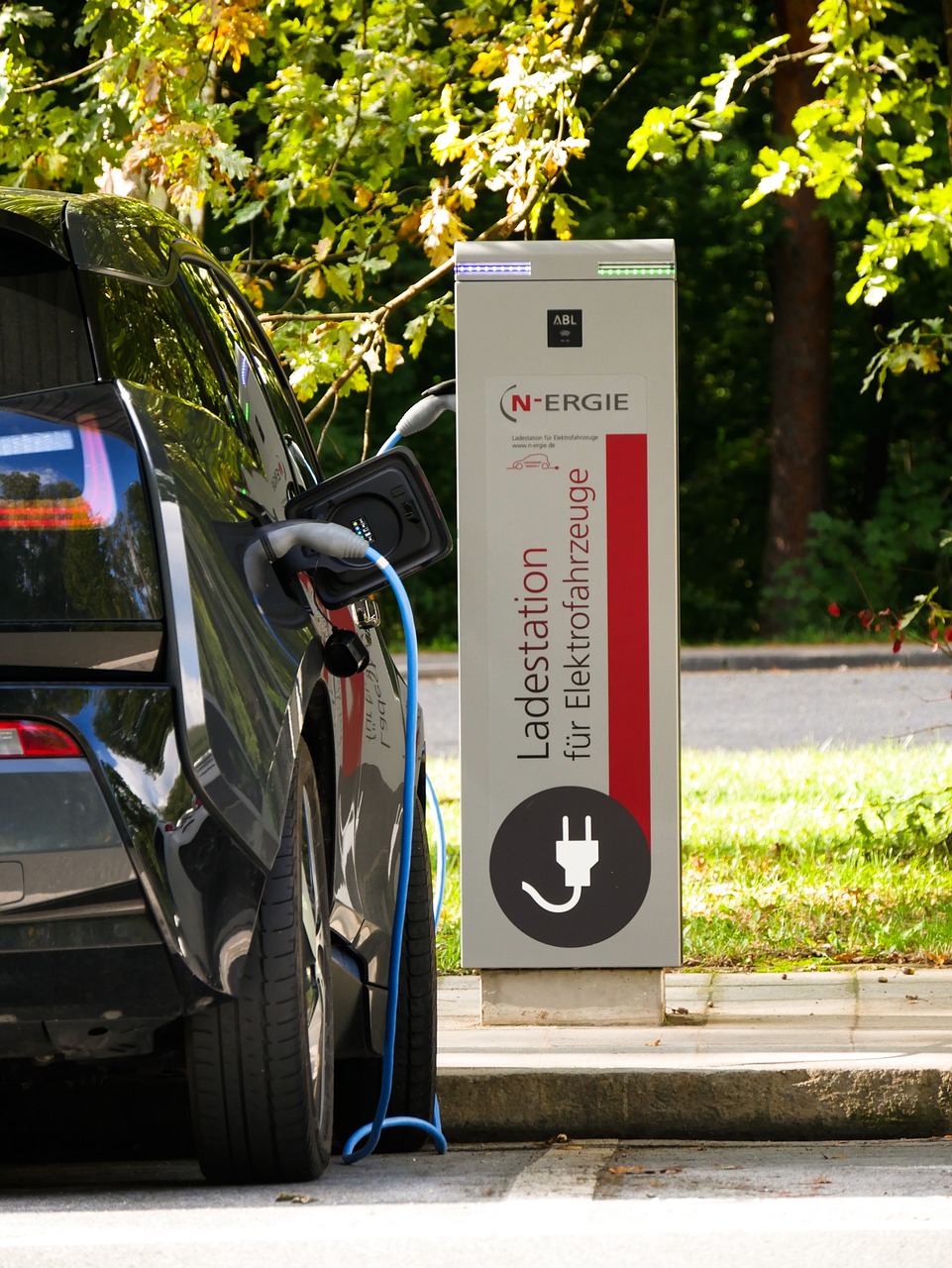
The largest driver of lithium price action over the last few years has been the supernova burst of demand for electric vehicles (EVs). Lithium-ion batteries are the backbone of EV technology, and as the automobile industry shifts increasingly towards electric power, lithium is in demand.
Worldwide EV inventory will reach over 145 million by 2030, an astronomical number when compared to 2020 statistics, a published report by the International Energy Agency (IEA) states.
This shift in consumer demand is creating a huge demand for lithium, which also influences prices.
Battery-grade lithium carbonate is priced between $8,952.77 and $9,207.18 per metric ton and stands at $9,079.98 per metric ton as of March 2025, according to Shanghai Metals Market (SMM).
Demand for lithium is being driven by rising production of electric vehicles (EVs) in nations such as China, America, and Europe, all of which have made aggressive climate goals. Rising demand for clean energy technology such as solar and wind that use lithium-based energy storage technology is also driving pressures on the lithium supply.
How Are Supply Chain Pressures and Geopolitical Factors Driving Lithium Prices
The global supply chain of lithium is plagued with several issues, the majority being geopolitical and logistically related. Market dominance akin to that by Chile, Argentina, and Australia is central in lithium production but civil disturbances as well as logistically related infrastructural issues here can lead to severe disruptions triggering an abrupt jump in prices.
Tariffs, export bans, and policy restructuring in lithium production countries are other factors contributing towards price volatility.
China-Lithium Supply Chain dominates 2025. China produces more lithium-ion batteries than any other nation on the planet, and its attempts at having a solid supply of lithium are at the forefront of how to balance the world market.
Any type of interruption to the supply chain—geopolitics or logistics—will have aftershocks all over the world. For instance, SMM has recorded price volatility of battery-grade lithium hydroxide ranging from $8,315.54 to $8,681.41 per ton that reflects such drivers' caused volatility.
How Are Technological Advances in Lithium Recycling and Extraction Affecting the Market?
Technology involved in the recycling and extraction of lithium will most probably dictate 2025 lithium prices. Since supply can no longer meet demand, new techniques for extraction are being discovered to enhance them with lower environmental effects.
Some companies also explore the potential to recycle spent batteries' used lithium as an alternative beyond current supply sources.
As of 2025, SMM ranged battery-grade lithium hydroxide prices from $8,791.65 to $9,465.23 per ton, showing new technology's capability to help manage supply pressures.
Although the technology will ultimately lower future production costs, its extensive application will be a long-term process with gigantic capital expenditure. The short-term demand-supply balance will continue to dominate forming price volatility.
What are the Regulatory and Environmental Pressures for Mining Lithium
There is greater environmental pressure on lithium mining, especially with the increasing demand for the metal. The metal extraction process, especially in nations such as those in South America, has been accused of ruining the environment.
Governments of nations that have lithium production are enacting tighter controls, which can increase the cost of production and, in turn, push lithium prices up.
For example, the laws in Australian and Chilean states—both among the world's top producers of lithium—have recently been tightened with an eye toward supporting cleaner forms of mining.
This greater requirement will contribute to driving up the expense of business that can be leveled at businesses and will ultimately boost the expense of lithium. Furthermore, initiatives such as the EU's Green Deal, intended to reduce the flow of carbon down supply lines, will certain make the production of the mineral yet more costly.
SMM in early 2025 reported that industrial-grade lithium hydroxide was averaging $7,723.13 per metric ton with environmental pressures adding to prices slightly in some markets. For businesses that need compliant and stable sources of lithium, SMM tracks the most recent environmental regulations impacting the market.
How Is Investment and Speculation Driving Lithium Price Volatility?
Price in the lithium market is now pushed by speculation and investment. Institutional investors and hedge funds are taking bets on future metal value as lithium becomes a critical component of green technology. Such speculative investing, while sending the market into higher gear, can also trigger sharp price runs or corrections.
For instance, SMM reported increased speculative demand for lithium in 2025, specifically as indicated by lithium metal price fluctuations between $72,618.71 and $76,249.64 per metric ton for February 2025. Speculative trading causes price bursts in the short run, but these typically cause market rebalancing through the bursting of the bubble.
Businesses wishing to stabilize prices of lithium should keep close watch over investment activity to hedge against market risks owing to price volatility.
Since it is a good source of market information, SMM provides a general investment outlook and prevailing price trends. With access to information provided by SMM, business firms can base their decisions on the prevailing situation in the market.
Conclusion: What's Ahead for Lithium Prices
The cost of lithium in 2025 will be influenced by a very interdependent group of factors: increasing demand in the solar and electric vehicle sectors, tensions in the global supply base, technological innovation, regulation, and speculation.
In order for businesses to succeed under such a price-volatile climate, remaining information-aware and proficient at applying sound information is the solution in providing stable, relatively low-cost sources of supply.