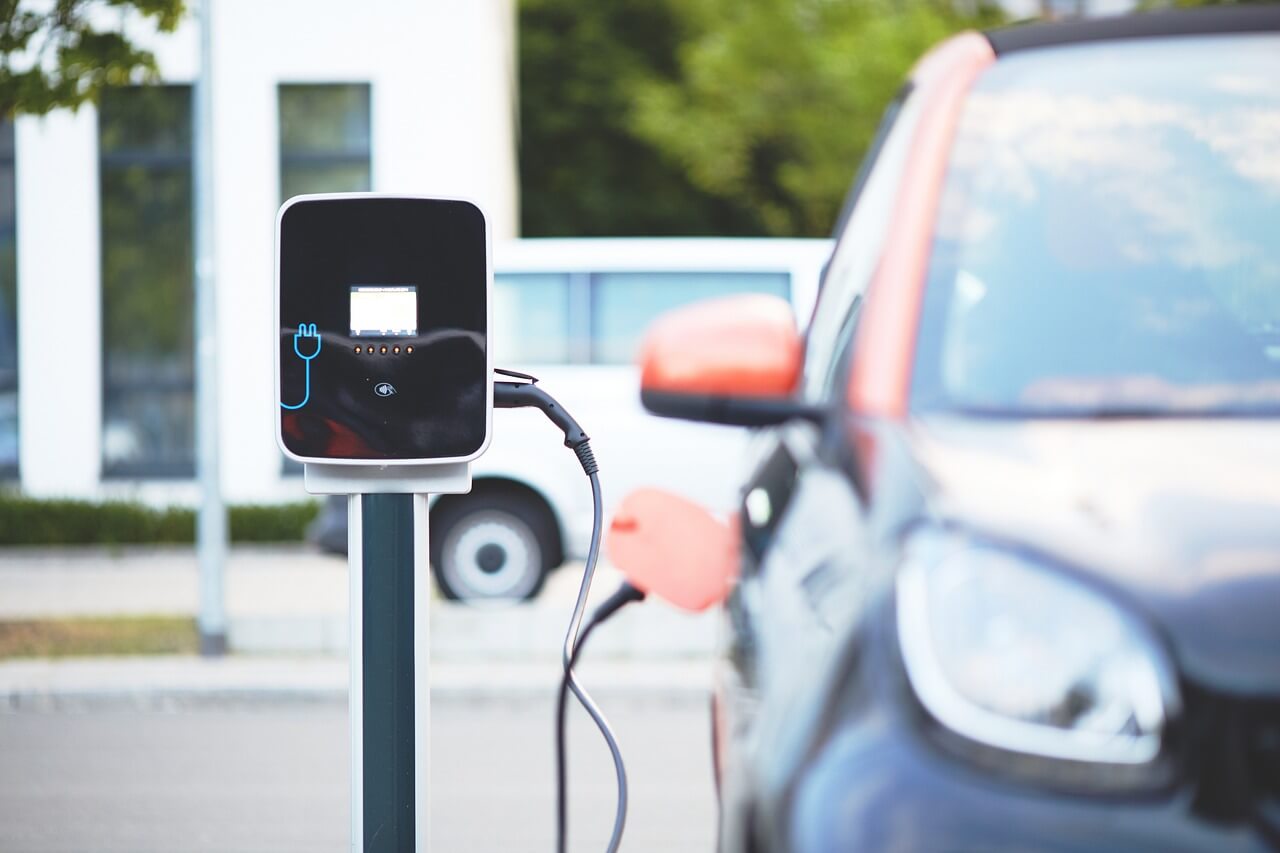
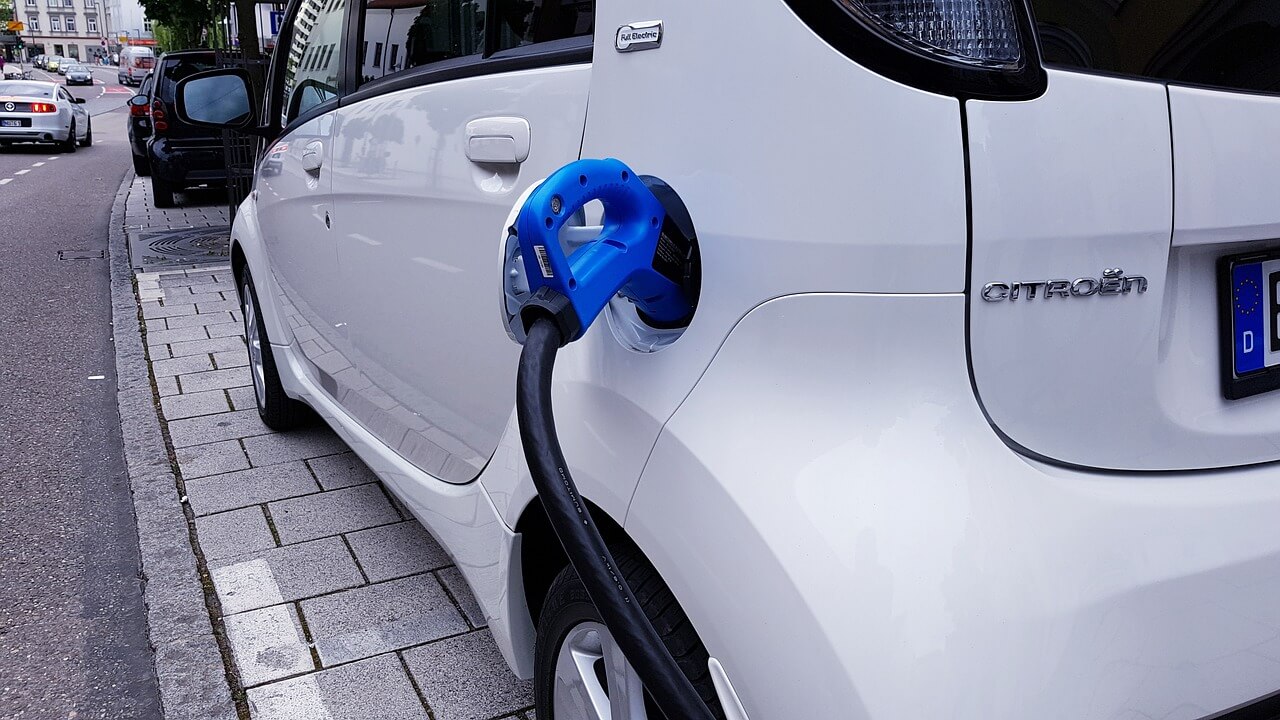
The green revolution has come, and clean, renewable energy is the foundation of global energy policy. As the world transitions from fossil fuels to renewable energy technologies like solar, wind, and EVs, the lithium ion has become the driver of the revolution. The metal, or "white gold" of the energy transition, powers the batteries that store renewable energy and the new EV economy.
The Need for Lithium in Green Energy
The demand for lithium in the green energy sector is because lithium plays a crucial role in the energy storage technology. Solar and wind power are intermittent energies, and therefore there is a need to store surplus power for future use in order to stabilize the grid. Lithium-ion batteries (LIBs) will shortly be the energy storage technology of choice because of the higher energy density, long lifespan, and emission-free profile compared to all other battery chemistries. Lithium therefore enters the spotlight not just for mass scale energy storage, but also EV batteries, which form the second pillar of the clean energy mania.
Electric Vehicles (EVs) and Lithium Demand
Demand for electric vehicles is one of the major drivers of lithium demand. International Energy Agency (IEA) estimates global EV sales will be 40 million units annually by 2030 from a current base of 10 million units in 2022. Since each EV requires a massive amount of lithium for the battery, this craze for electric mobility is subjecting the world supply chain to unparalleled pressure.
World EV market would be more than $800 billion with CAGR of over 20% by 2025. As EV production increases, lithium demand increases and hence the market becomes tighter and price volatile. Battery-grade lithium carbonate prices actually experienced irregular fluctuations, in fact. The price range for Battery-Grade Lithium Carbonate, SMM estimated up to Feb 2025, was $9,132.66 to $9,327.23 per metric ton, though slightly lower but still reflective of the effect of sustained demand.
Energy Storage Systems: Lithium in Grid Stabilization
Apart from EVs, lithium is at the forefront of innovating energy storage systems that allow renewable power grids. For example, lithium-ion batteries are also being utilized for the storage of wind and solar technology so that it is utilized when there is low generation, i.e., during windy or cloudy days. Clean energy growth will have to grow exponentially to match energy storage technology, according to the IEA's World Energy Outlook 2023, and lithium batteries will be the driving force.
Key Market Trends That Will Drive Lithium Prices in 2025
The lithium market is undergoing tectonic changes driven by the green revolution and the general geopolitical environment. There are several key trends shaping lithium prices and the supply chain globally.
1. Geopolitical Pressure and Supply Chain Restraints
Lithium demand is rising, and its supply is controlled by a limited number of countries. As per initial 2025 SMM figures, Australia, Chile, and China are heavily dependent on lithium production. The spotlight is on the vulnerability of the supply chain in the guise of geopolitics tension, trade war, and nature constraint. For example, the government of Chile has put tighter regulation on lithium mining, while Australian miners have had to contend with logistics problems in coordinating the transport of heavy minerals. These kinds of interferences can create price volatility and supply shortages that intensify producers' and manufacturers' situations in lithium.
2. Recycling: Solution to Provision of Future Lithium Supply
Recycling of lithium is more important as consistent demand for lithium on a global scale keeps growing. As governments and companies continue to work towards relieving supply pressure and reducing the cost of mining on the environment, they aim to install environmentally friendly recycling plans on lithium-ion batteries. Recycling, IRENA claims, is capable of serving 30% of global demand for lithium in 2030. It's a huge opportunity to rebalance the market and reduce dependence on primary lithium production.
3. Government Policies and Green Regulation
Governments worldwide are increasingly regulating in their bids to encourage the shift to green energy. EU Green Deal, U.S. Inflation Reduction Act, and China's goal of carbon neutrality by 2060 have all been a positive for lithium technology. The U.S. Inflation Reduction Act, for instance, provides tax credits on manufacturing and buying EV and energy storage products, thereby indirectly encouraging local demand for lithium.
But there are also regulatory powers, and they are two-edged. Governments are not just investing in lithium mines and processing facilities but also in more robust environmental regulations. This is pressuring miners to keep up with greater production in the face of sustainability issues.
Market Analysis: Lithium Pricing and SMM Insights
SMM (Shanghai Metals Market), one of the major metals intelligence websites, provides interesting facts on the lithium market. As of February 2025, lithium price is price volatile in Battery-Grade Lithium Carbonate and Lithium Hydroxide prices, two of the major raw materials for EV battery.
SMM Lithium Hydroxide Index and Lithium Carbonate Index provide valuable information to help the companies make sound decisions in highly volatile market. Battery-grade lithium carbonate prices till date have oscillated between $9,132.66 and $9,327.23 per metric ton with periodic sequential fall but firm peak demand. The battery-grade lithium hydroxide too has been highly stable oscillating between $8,365.32 and $8,744.73 per metric ton.
For businesses looking for accurate up-to-date information, SMM's market reports daily and weekly provide in-depth price analysis, forecasts, and trend projections. Its DatabasePro software, with over 25 years of history behind it, is its gold worth in being able to track historical trends and forecast future patterns in trend in the market.
Conclusion: Mapping the Lithium Landscape in 2025
While lithium is at the tail of the green revolution of clean energies, no emphasis can be overstated as it moves towards a leading position in future electric vehicles and energy storage uses. From 2025 and beyond, demand will be certain to grow even further as worldwide momentum remains in its quest for decarbonization and greenification. This will require companies to reveal readiness for volatility and volatility-induced problems of increased growth demand by deranging supplies, geopolitics, and the environment.
![전고체 배터리 향후 10년 시리즈, 9부 중 7부: 글로벌 경쟁 구도—중국·일본·한국의 '특허 그림자 전쟁'과 산업화 경쟁 [SMM 분석]](https://imgqn.smm.cn/usercenter/MyEcZ20251217171727.jpg)