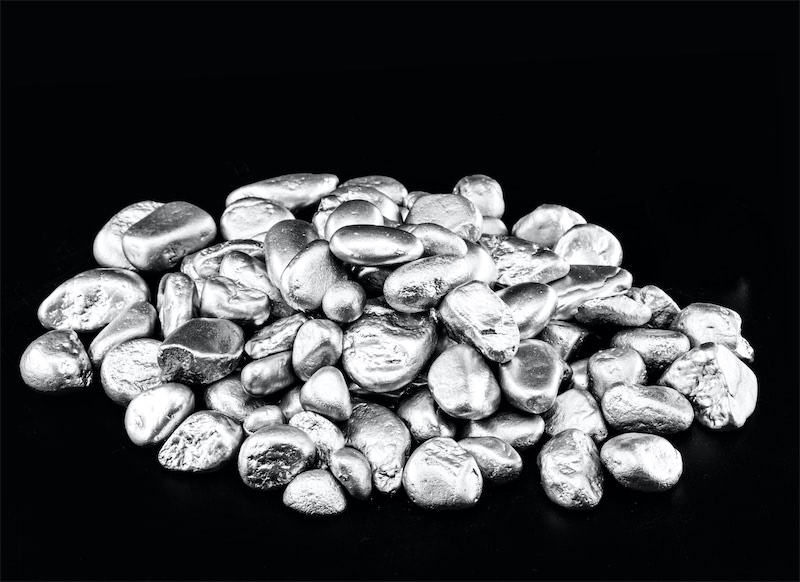
During the week, the high-grade nickel matte coefficient rose to 87-88 (against LME nickel). The overall market was quiet. The main reason for the coefficient increase was the decline in nickel prices to relatively low levels and the rising refining costs of high-grade nickel matte.
On the supply and demand side, high-grade nickel matte, as a raw material for refined nickel and nickel sulphate, has relatively low supply and demand elasticity compared to MHP. The reasons are: first, most refined nickel projects have integrated high-grade nickel matte refining projects; second, the proportion of hydrometallurgy intermediate products used as raw materials in new electro-deposited nickel projects is increasing; third, in nickel sulphate production, MHP has been the main raw material in recent years due to its economic advantages. Currently, there are limited domestic producers capable of using high-grade nickel matte as a raw material.
The current mainstream refining route is laterite nickel ore-NPI-low-grade nickel matte-high-grade nickel matte (RKEF + sulphur converter blowing). In new projects, a new process route has also emerged, namely laterite nickel ore-low-grade nickel matte-high-grade nickel matte (oxygen-enriched side-blown reduction process). According to SMM estimates, the cost difference between the two mainstream processes in the current market is small, both around $13,000, relatively stable. However, the recent decline in the average grade of nickel ore in Indonesia has slightly reduced the yield of high-grade nickel matte, leading to a slight increase in refining costs.
Given the above-mentioned fundamentals and cost characteristics of high-grade nickel matte, combined with the concentrated supply of intermediate products, the overall market transactions of high-grade nickel matte tend to be cyclical, with relatively stable absolute price fluctuations. Therefore, when nickel prices decline and cost support strengthens, sellers tend to raise coefficient quotes to avoid excessive profit compression.
However, there are two disruptive factors in the high-grade nickel matte market: first, its substitutability with MHP; second, its flexible interchangeability with NPI. In 2023-2024, with the continuous construction and ramp-up of new MHP projects, the supply of MHP will continue to increase, and the excess downstream refining capacity (nickel sulphate) of intermediate products will provide enterprises with the flexibility to choose between hydrometallurgy and pyrometallurgy intermediate products based on economic considerations. Meanwhile, NPI prices are rising due to tight supply and increasing ore prices, leading to better profits. Therefore, some production lines are flexibly switching to produce NPI. Considering these factors, high-grade nickel matte often exists as a plan B for buyers and sellers in the market, in a passive position.
Therefore, in the current market: first, overall downstream demand is weak; second, high-grade nickel matte is partially replaced by MHP due to high coefficient pricing; third, producers are driven by profits to switch to NPI production. These factors combined result in weak supply and demand and sluggish transactions.
What is the reason of "sky-high coefficient" for high-grade nickel matte? [SMM Analysis]
During the week, the high-grade nickel matte coefficient rose to 87-88 (against LME nickel). The overall market was quiet. The main reason for the coefficient increase was the decline in nickel prices to relatively low levels and the rising refining costs of high-grade nickel matte.
데이터 출처 설명: 공개 정보를 제외한 모든 데이터는 SMM이 공개 정보, 시장 커뮤니케이션 및 SMM 내부 데이터베이스 모델을 기반으로 가공한 것입니다. 본 자료는 참고용이며 의사결정 권고를 구성하지 않습니다.
문의 사항이 있거나 자세한 정보를 원하시면 아래로 연락해 주시기 바랍니다: lemonzhao@smm.cn
리서치 보고서 열람 방법에 대한 자세한 내용은 아래로 문의하시기 바랍니다:service.en@smm.cn
관련 뉴스
14시간 전
【SMM 니켈 플래시】뉴칼레도니아, 3대 전략 매장지의 니켈 원광 수출 조건 설정
더 보기
【SMM 니켈 플래시】뉴칼레도니아, 3대 전략 매장지의 니켈 원광 수출 조건 설정
뉴칼레도니아 정부는 9월 14일 티에바기, 코니암보, 남부 라테라이트 광구에서 원료 니켈 광석을 수출하기 위한 조건을 규정하는 심의안을 채택했다. 이번 조치는 현지 니켈 공장이 기술적·경제적으로 처리할 수 없는 광석의 수출을 예외적으로 허용하는 7월 22일 법률에 따른 것이다. 수출 허가는 최대 10년까지 부여될 수 있다. 새로운 체계에 따라 광산 회사는 광석을 수출하기 전에 먼저 현지 구매자에게 제공해야 한다. 이 제안은 시장 상황에 부합하는 최저 가격으로 이루어져야 한다. 수출 신청은 뉴칼레도니아 광업 대외무역위원회(CCEM)의 심사를 받아야 하며, 기업은 연례 활동 보고서를 제출하고 재무 상태 및 요청된 수출 기간에 대한 정보를 제공해야 한다. 이 정책은 국내에서 경제적으로 처리할 수 없는 니켈 광석에 대한 추가 판로를 창출하여 광산 가동률과 현지 제련 사업의 재무 상태를 지원할 수 있다. 그러나 광석을 먼저 현지에 제공해야 한다는 요건은 수출이 국내 처리 수요와 현지 구매자의 경쟁력에 여전히 좌우된다는 것을 의미한다.
14시간 전

15시간 전
【SMM 니켈 플래시】이필란 니켈 프로젝트, 생산 증가 속 운영 확대
더 보기
【SMM 니켈 플래시】이필란 니켈 프로젝트, 생산 증가 속 운영 확대
이필란 니켈 코퍼레이션은 생산량과 선적량이 증가함에 따라 팔라완 니켈 프로젝트의 채굴 작업을 확대하고 있다. 회사는 중국을 포함한 해외 구매자에 대한 수출 확대를 지원하기 위해 추가 채굴 구역과 운반 도로 인프라를 개발하고 있다.
이 프로젝트의 광물 생산 공유 협정(MPSA)은 2043년 9월까지 갱신되어 지속적인 광산 개발을 위한 장기적 기반을 마련했다. 이필란은 또한 생산 능력 확대를 추진하고 있으며, 이는 필리핀 니켈 광석 공급에 대한 기여도를 높일 수 있다.
이번 확장은 주요 채굴 지역 전반의 생산 패턴 변화 속에서 필리핀 니켈 채굴업체들이 해외 시장을 위한 광석 공급을 강화하려는 움직임과 맞물려 있다.
15시간 전
16시간 전
【SMM 니켈 플래시】인도네시아, 신규 ESDM 규정에 따라 광산 계약업체 규제 강화
더 보기
【SMM 니켈 플래시】인도네시아, 신규 ESDM 규정에 따라 광산 계약업체 규제 강화
인도네시아 에너지광물자원부(ESDM)는 광물 및 석탄 광산 기업의 광산 서비스 계약자 사용 요건을 강화하는 ESDM 장관령 제365.K/MB.01/MEM.B/2026호를 발표했다.
이 규정에 따라 IUP/IUPK 보유자는 광산 작업이 위치한 동일한 군/시에 소재한 허가된 광산 서비스 기업(IUJP)을 우선적으로 사용해야 한다. 광산 계약자로서 자회사 또는 계열사를 사용하는 것은 제한되며, 직접 주식 보유 또는 공통 실소유권을 포함한 계약은 ESDM 장관의 승인이 필요하다. 신청은 검토 절차를 거치며, 국가 전략 프로젝트, 가공 및 정제 시설 건설, 국내 광물 및 석탄 수요 지원 활동 등 정부가 지정한 활동에는 면제가 적용될 수 있다.
니켈 부문의 경우, 이 규정이 RKAB 할당량이나 니켈 광석 가격을 직접적으로 변경하지는 않는다. 그러나 니켈 광산 그룹은 기존 계열 계약자 계약을 검토해야 할 수 있으며, 새로운 요건은 계약자 선정, 광산 비용 및 운영 계약에 영향을 미칠 수 있다.
16시간 전