Understanding Selenium
What is Selenium?
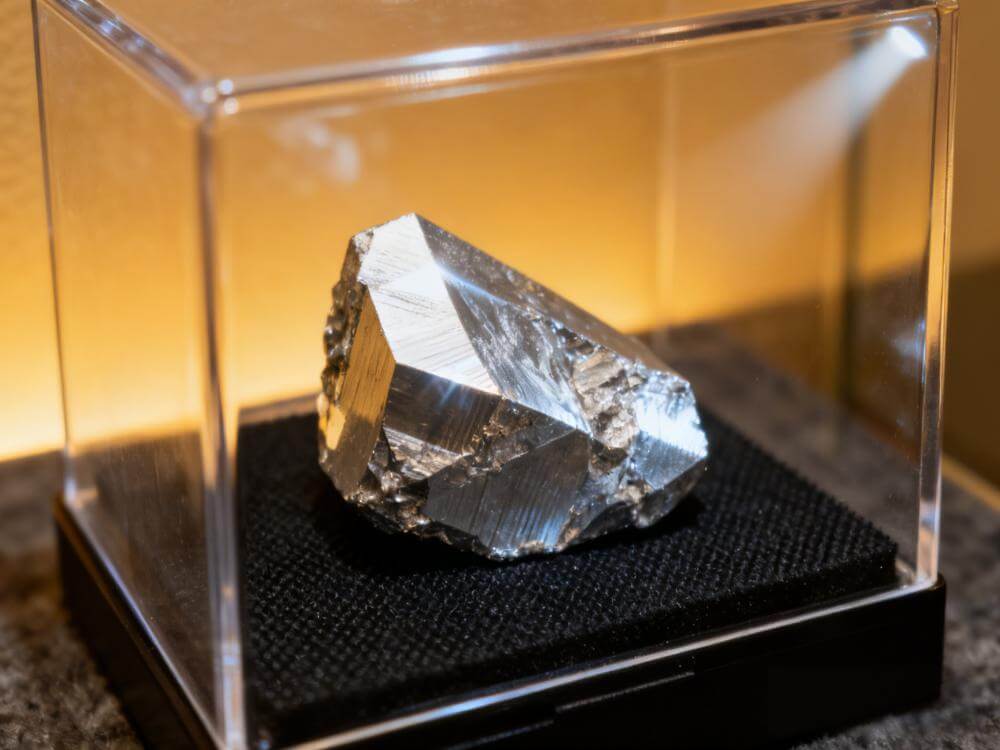
Selenium is a chemical element with the symbol Se and atomic number 34. It is a non-metal that exists in several different forms or allotropes. The most stable form is a dense purplish-gray semimetallic form, which conducts electricity better in the light than in the dark, making it a coveted component in various industrial applications. Given its unique properties, Selenium is utilized in a range of sectors, from technology to healthcare, making it a highly valuable element.
Common Uses of Selenium
Selenium's applications are diverse, reflecting its multifaceted properties. One of its primary uses is in the manufacture of photovoltaic cells for solar panels, where it plays a crucial role in converting sunlight into electricity. Additionally, Selenium is used in the production of glass, where it acts as a decolorizing agent, removing impurities and enhancing clarity. In the electronics industry, Selenium is vital for the production of semiconductors and photocopiers due to its photoconductive qualities. It is also used in small quantities in the production of certain types of rubber, where it functions as a vulcanizing agent.
Importance in Various Industries
The importance of Selenium spans multiple industries, making it a critical resource. In the renewable energy sector, its role in solar cell production underscores its significance amid the global shift towards sustainable energy sources. The glass industry benefits from Selenium’s ability to filter out green and yellow tints, which is essential for producing clear and color-correct glass. The electronics industry leverages its unique electrical properties for creating efficient and reliable components. Furthermore, Selenium is crucial in healthcare, especially for its role in antioxidant enzymes, which protect cells from damage.
Market Demand
Global Demand Trends
Global demand for Selenium has seen a steady increase over the years. Renewable energy initiatives have accelerated the need for photovoltaic cells, directly boosting Selenium demand. The electronics and glass manufacturing sectors also contribute significantly to this rising demand. As countries continue to invest in advanced technologies and sustainable energy solutions, the need for Selenium is expected to grow even further, indicating its pivotal role in future industrial landscapes.
As an expert in Metals and a comprehensive non-ferrous metal Internet platform provider, Shanghai Metals Market (SMM) provides a comprehensive Internet platform for metal mining benchmark prices, analysis, news, consulting and conferences. In addition, we will provide you with the most authoritative information on a variety of metals.
Sector-specific Demand Variances
Technology and Selenium
Demand for Selenium in the technology sector is particularly robust. Its use in semiconductor and photocopier production illustrates its importance in modern electronics. As technology advances, the performance requirements for these devices increase, leading to a higher consumption of Selenium. Furthermore, with the advent of new applications such as flexible electronics and next-generation solar cells, the technology sector is poised to become an even larger consumer of Selenium.
Medical Applications
Selenium's medicinal applications also drive its market demand. Its role as an essential micronutrient means it is a key ingredient in dietary supplements and pharmaceuticals. Selenium's antioxidant properties make it beneficial in preventing various conditions such as heart disease and certain types of cancer. The rising awareness of health and wellness, coupled with an aging population, has led to an increased demand for Selenium-based health products, thus influencing its market price.
Supply Dynamics
Key Selenium-producing Regions
Production of Selenium is heavily concentrated in specific regions. The major Selenium-producing countries include China, Japan, Germany, Russia, and Belgium. These countries account for a significant share of global Selenium output. Production levels in these regions are influenced by several factors, including availability of raw materials, mining efficiency, and technological advancements. The geopolitical stability and regulatory framework within these regions also affect production and supply.
Mining and Extraction Processes
The extraction of Selenium is primarily a secondary process that occurs during the refinement of metal ores, particularly those containing copper. Selenium is generally obtained from the anode slimes produced during copper refining. The extraction process involves several stages, including roasting, leaching, and electrolysis. Advances in these techniques have improved yield and efficiency, thereby impacting the supply dynamics of Selenium. However, the complexity and cost of the extraction process mean that any disruptions can lead to supply constraints.
Recycling of Selenium
Recycling plays a significant role in the supply chain of Selenium. Given its extensive use in electronics, which have relatively short lifecycles, a substantial amount of Selenium can be recovered from discarded devices. This not only alleviates the pressure on primary resources but also reduces environmental impact. Effective recycling programs and technological advancements in the recovery process enhance the overall supply of Selenium, thereby affecting its market price.
Economic Factors
Impact of Global Economy on Selenium Prices
The global economy plays a crucial role in determining Selenium prices. Economic growth typically leads to increased industrial activity, bolstering demand for Selenium in various sectors such as technology and renewable energy. Conversely, economic downturns can lead to reduced industrial production, thus decreasing demand and subsequently lowering prices. Factors such as trade relationships, economic sanctions, and global financial health also influence Selenium prices by affecting the stability and efficiency of its supply chain.
Influence of Currency Exchange Rates
Currency exchange rates can significantly impact the price of Selenium. As a globally traded commodity, Selenium is often priced in major currencies such as the US Dollar. Fluctuations in exchange rates can alter the cost for international buyers and sellers, thereby influencing market prices. For instance, a stronger US Dollar can make Selenium more expensive for foreign purchasers, potentially reducing demand. Conversely, a weaker US Dollar can make Selenium more affordable internationally, thereby increasing demand and driving up prices.
Technological Advancements
Innovations in Extraction and Production
Technological advancements in the extraction and production of Selenium can significantly influence its price. New techniques that enhance the efficiency of mining and refining processes can reduce production costs, leading to lower market prices. Innovations in automation and data analytics also contribute to more efficient operations, further decreasing costs. However, technological disruptions or the introduction of more efficient substitutes can shift demand dynamics, thereby impacting Selenium prices.
Technological Substitutes
The development of technological substitutes can pose a threat to Selenium prices. For example, advancements in material science could lead to the creation of alternative materials that offer similar properties at a lower cost. In the renewable energy sector, the emergence of alternative photovoltaic materials could reduce the reliance on Selenium, thus decreasing its demand and market value. Consequently, ongoing research and development in material science and technology closely influence the market dynamics of Selenium.
Regulatory Environment
Environmental Regulations
Impact on Mining Operations
Environmental regulations greatly impact Selenium mining operations. Stricter environmental standards can increase operational costs by requiring additional investment in pollution control technologies and sustainable mining practices. Compliance with these regulations can lead to reduced production, thereby tightening supply and driving up prices. In extreme cases, stringent regulations may even force mine closures, further constraining supply and influencing market dynamics.
Sustainability Standards
Sustainability standards play an increasingly important role in shaping the Selenium market. Companies are under growing pressure to adopt environmentally responsible practices, which can involve additional costs. These sustainability initiatives may include reducing carbon footprints, managing waste, and ensuring responsible sourcing of materials. Adherence to these standards can lead to higher production costs, ultimately reflected in the market price of Selenium.
Trade Policies and Tariffs
Trade policies and tariffs are significant factors influencing Selenium prices. Import and export tariffs can alter the cost structure for companies involved in the Selenium supply chain, thereby affecting market prices. For instance, higher tariffs on Selenium imports can increase costs for domestic industries relying on this element, leading to higher end-product prices. Conversely, favorable trade policies may lower import costs, making Selenium more affordable and influencing market dynamics.
Shanghai Metals Market (SMM) Headquartered in Shanghai, with branch office in Shandong and Guangdong province. We have extensive network and deep-rooted relationships in SMM nonferrous, ferrous and EV metal industries. At SMM, we help you Know the real China from a global perspective.
Competitive Landscape
Major Players in the Selenium Market
The competitive landscape of the Selenium market is shaped by several major players, primarily consisting of large mining companies and technology firms involved in the production and application of Selenium. These companies often control significant shares of the market, influencing supply and pricing through their production capabilities and technological advancements. Strategic partnerships, mergers, and acquisitions among these major players can also impact market competition and pricing dynamics.
Market Share Distribution
Market share distribution in the Selenium industry tends to be concentrated among a few key players, with smaller companies also participating in niche markets. This concentration can lead to price stability due to the market power exerted by dominant players. However, shifts in market share, driven by technological innovations, regulatory changes, or strategic maneuvers, can significantly alter competitive dynamics and influence Selenium prices.
Seasonal and Short-term Influences
Weather Conditions Affecting Production
Weather conditions can have a profound impact on the production of Selenium. Adverse weather, such as heavy rains or extreme temperatures, can disrupt mining operations, leading to decreased output and supply shortages. Seasonal variations, such as monsoon seasons in mining regions, may also affect the continuity of operations and the availability of raw materials. Consequently, these disruptions can lead to short-term price fluctuations in the Selenium market.
Short-term Market Fluctuations
Short-term market fluctuations in the Selenium market can be influenced by a variety of factors. Speculative trading, sudden changes in industrial demand, or unexpected geopolitical events can cause rapid shifts in Selenium prices. Additionally, supply chain disruptions, such as transportation bottlenecks or equipment failures, can lead to temporary shortages, resulting in price volatility. These short-term fluctuations highlight the dynamic nature of the Selenium market and its susceptibility to external influences.