Understanding Nickel: An Overview
Historical Significance of Nickel
Nickel has played a crucial role in industrial development since its discovery. Widely used in producing alloys like stainless steel, its corrosion resistance and durability have made it invaluable in various applications. Born out of the early mining booms of the 19th century, nickel's prominence soared with the industrial revolution and the subsequent rise in demand for stronger and more resilient materials. As industries expanded, nickel's importance only grew, cementing its status as a cornerstone of modern manufacturing.
Key Properties and Uses of Nickel
Nickel is well-regarded for its excellent properties, including high melting points, ferromagnetic characteristics, and noteworthy resistance to corrosion and oxidation. These properties underpin its pervasive use in multiple industries:
- Stainless Steel Manufacturing: Nickel adds strength and resistance to corrosion, which is crucial for products ranging from household appliances to large-scale industrial equipment.
- Battery Production for Electric Vehicles: A critical component in lithium-ion batteries, nickel contributes to higher energy densities, which are essential for achieving longer battery life and greater efficiency.
- Aerospace and Military Applications: The metal's ability to withstand extreme conditions makes it ideal for use in high-performance alloys.
- Nickel Plating: Used to coat other metals, providing an attractive finish and enhanced resistance to wear and corrosion.
Nickel's diverse applications ensure its steady demand, impacting its market dynamics significantly.
Market Dynamics and Supply Chain
Major Nickel Producing Countries
Several countries dominate the global production of nickel, securing their positions as key players in the supply chain. Indonesia and the Philippines lead in production, thanks to their abundant reserves and robust mining sectors. Russia, Canada, and Australia also contribute significantly, leveraging their advanced mining technologies and stable political environments. These countries not only provide raw nickel but also influence global prices through their production levels and export policies.
Mining and Production Processes
Extraction Methods
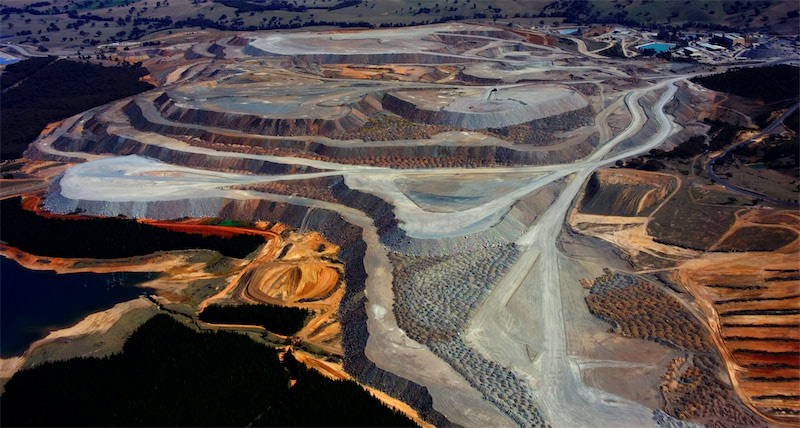
Nickel extraction begins with either underground or open-pit mining, depending on the ore's location. The primary methods include:
- Open-Pit Mining: Typically used for deposits near the surface, this method is cost-effective but environmentally intrusive, often leading to significant land disruption.
- Underground Mining: Employed for deeper deposits, this approach is more complex and costly but minimizes surface impact.
Each extraction method has its advantages and environmental considerations, impacting both operational costs and ecological footprints.
Refining Techniques
Once extracted, nickel ores undergo various refining techniques to achieve the desired purity levels:
- Pyrometallurgical Processes: Involve high-temperature smelting, which separates nickel from other elements. This technique is energy-intensive and has significant carbon emissions.
- Hydrometallurgical Processes: Use aqueous chemistry for separation, generally leading to purer nickel at lower environmental costs. These processes have been increasingly adopted due to their relative efficiency and reduced ecological impact.
Refining techniques continue to evolve, aiming for higher efficiency and lower environmental footprint, which directly affects nickel production costs and market prices.
Global Supply Chains
Nickel's supply chain encompasses mining, refining, and distribution, with major producers exporting to industrial hubs worldwide. These supply chains are complex, involving multiple stakeholders and logistical challenges:
- Export Strategies: Countries like Indonesia have implemented export bans to incentivize in-country processing, affecting global supply dynamics.
- Transportation and Storage: Nickel's international journey includes shipments via sea and rail, subject to logistical bottlenecks and geopolitical risks.
- Market Accessibility: Access to reliable supply chains can make or break manufacturers' ability to procure nickel at competitive prices.
The interplay between these factors determines nickel prices, making the supply chain a critical component of market dynamics.
As an expert in Metals and a comprehensive non-ferrous metal Internet platform provider, Shanghai Metals Market (SMM) provides a comprehensive Internet platform for metal mining benchmark prices, analysis, news, consulting and conferences. In addition, we will provide you with the most authoritative information on a variety of metals.
Economic Factors Influencing Nickel Prices
Demand from Industrial Sectors
Stainless Steel Manufacturing
The stainless steel industry is the largest consumer of nickel, driving over 70% of global demand. As economies scale up infrastructure projects and construction activities, the need for stainless steel—and consequently nickel—grows. Market fluctuations in the construction and manufacturing sectors can cause substantial price volatility. A surge in large-scale projects can lead to spikes in nickel prices, while downturns might stabilize or decrease them.
Battery Production for Electric Vehicles
Nickel is a crucial element in the production of batteries for electric vehicles (EVs), which are increasingly gaining popularity as the world shifts toward sustainable energy solutions. The type of batteries used in EVs, particularly nickel-manganese-cobalt (NMC) batteries, requires high nickel content to enhance performance and durability. As policies favoring green transportation become more prevalent, the demand for nickel is expected to rise, driving up prices.
Macroeconomic Indicators
Interest Rates and Inflation
Interest rates and inflation are pivotal economic indicators that influence the cost of financing for nickel mining projects and operational expenses across the supply chain. Higher interest rates lead to increased borrowing costs, potentially slowing down mining investments and constraining supply. Conversely, lower rates can spur investment, boosting supply and possibly stabilizing prices. Inflation, on the other hand, impacts operational costs, from labor to equipment, influencing market prices. Persistent inflation can lead to higher production costs, which are often passed down the supply chain, affecting nickel prices.
Understanding these economic factors provides insight into the complexities of nickel pricing and helps forecast market trends.
Environmental and Regulatory Factors
Impact of Environmental Regulations on Nickel Mining
Local Government Policies
Local government policies heavily influence nickel mining practices. Stringent environmental regulations often mandate strict compliance with environmental standards, including waste management, pollution control, and land rehabilitation. These regulations can increase operational costs for mining companies, leading to higher market prices for nickel. Additionally, government initiatives aimed at reducing the environmental impact of mining activities can restrict production capacities, further tightening the supply and impacting prices.
International Agreements
International agreements like the Paris Climate Accord also have a substantial impact on the nickel mining industry. These agreements urge countries to implement sustainable practices and reduce greenhouse gas emissions. For nickel producers, this often translates into adopting more energy-efficient technologies and reducing carbon footprints. While these measures are vital for global sustainability, they often come with significant financial implications, which can drive up the cost of production and, consequently, the price of nickel.
Sustainable Mining Practices and Their Cost Implications
Sustainable mining practices are becoming increasingly important as the world shifts towards greener technologies and environmentally friendly methods. Implementing sustainable practices such as reduced water usage, energy-efficient extraction methods, and improved waste management can significantly increase operational costs. These additional expenses are often passed down the supply chain, leading to higher nickel prices. However, adopting sustainable practices can also enhance a company's reputation and open up new market opportunities, potentially offsetting some of the added costs through increased demand.
Technological Advancements and Innovations
Role of Technology in Mining Efficiency
Technological advancements play a critical role in enhancing the efficiency of nickel mining operations. Automated machinery, real-time data analytics, and advanced drilling techniques can drastically reduce operational costs and increase productivity. These technologies not only streamline mining processes but also minimize human error and enhance safety. As mining companies continue to adopt and integrate new technologies, they can achieve higher yields at lower costs, which may contribute to more stable nickel prices.
Innovations in Nickel Applications
Advancements in Battery Technology
In the realm of battery technology, significant strides have been made towards improving battery performance and efficiency. Breakthroughs like solid-state batteries and advanced nickel-rich cathodes could potentially revolutionize the electric vehicle industry. These advancements promise longer battery life, faster charging times, and greater energy densities, increasing the demand for high-quality nickel. As these technologies gain traction, the sustained demand for nickel is expected to influence its market prices positively.
Novel Industrial Uses
Beyond traditional applications, innovative uses for nickel are continually being discovered. From its role in emerging industries like renewable energy technologies to its potential in cutting-edge medical devices, nickel's versatility makes it an increasingly valuable commodity. These novel applications open up new avenues for nickel utilization, contributing to steady demand and possibly driving prices higher as industries continue to innovate and expand their use of this metal.
Shanghai Metals Market (SMM) Headquartered in Shanghai, with branch office in Shandong and Guangdong province. We have extensive network and deep-rooted relationships in SMM nonferrous, ferrous and EV metal industries. At SMM, we help you Know the real China from a global perspective.
Geopolitical Risks and Market Speculation
Trade Policies and Tariffs
Trade policies and tariffs significantly affect global nickel prices. Tariffs on exports and imports can alter the flow of nickel between countries, impacting supply chains and production costs. Geopolitical tensions, such as trade wars between major economies, can also disrupt the nickel market, causing price fluctuations. Policy changes, particularly sudden imposition or removal of tariffs, can lead to instability and unpredictability in nickel pricing.
Political Stability in Key Producing Regions
The political stability of key nickel-producing regions, such as Indonesia, the Philippines, and Russia, is crucial for maintaining a steady supply. Political unrest, regulatory changes, or shifts in government policies can disrupt mining operations and supply chains, leading to volatility in nickel prices. Stable political environments ensure continuous production and export, contributing to price stability, while instability can lead to supply shortages and, consequently, price spikes.
Influence of Market Speculators on Nickel Prices
Market speculation plays a significant role in determining nickel prices. Traders and investors often speculate based on future supply and demand forecasts, geopolitical developments, and macroeconomic indicators. These speculations can lead to significant price swings, even in the absence of tangible changes in supply or demand. The activities of market speculators often add a layer of complexity to nickel pricing, making it essential for stakeholders to closely monitor market trends and sentiment.
Future Outlook for Nickel Prices
Predicted Trends Based on Current Data
Based on current data, the outlook for nickel prices appears bullish. Continued growth in the electric vehicle market, robust demand from the stainless steel industry, and increased adoption of sustainable technologies are expected to drive demand for nickel. While environmental regulations and technological advancements might increase operational costs, the overall demand trajectory suggests that nickel prices will remain strong. Analysts predict steady growth, with occasional fluctuations driven by macroeconomic factors and geopolitical developments.
Potential Market Disruptions
Potential market disruptions could arise from several factors, including sudden regulatory changes, technological breakthroughs in alternative materials, or geopolitical conflicts in key producing regions. Environmental disasters like mine collapses or significant ecological impacts could also lead to supply disruptions. Market speculation and financial crises can further contribute to price volatility. Stakeholders must remain vigilant and adaptable to navigate these potential disruptions while maintaining stable supply chains and competitive pricing strategies.
By understanding the myriad factors influencing nickel prices – from environmental policies and technological advancements to geopolitical risks and economic indicators – stakeholders can better navigate the complex landscape to make informed decisions and anticipate market trends
![[SMM 니켈 플래시 뉴스] 모로왈리 PT Askon 소요 사태로 우려 확산](https://imgqn.smm.cn/usercenter/WNjzM20251217171732.jpeg)
![[SMM 스테인리스 속보] 대만 PoC의 Froch, 유럽 겨냥 모로코 강관 공장 2027년 초 가동 목표](https://imgqn.smm.cn/usercenter/VstiG20251217171732.jpeg)
![[SMM 스테인리스 스틸 플래시] 대만(중국) YC INOX, 튀르키예 냉간압연 라인 가동 확대로 고부가가치 파이프로 전환](https://imgqn.smm.cn/usercenter/OjGlE20251217171734.jpg)