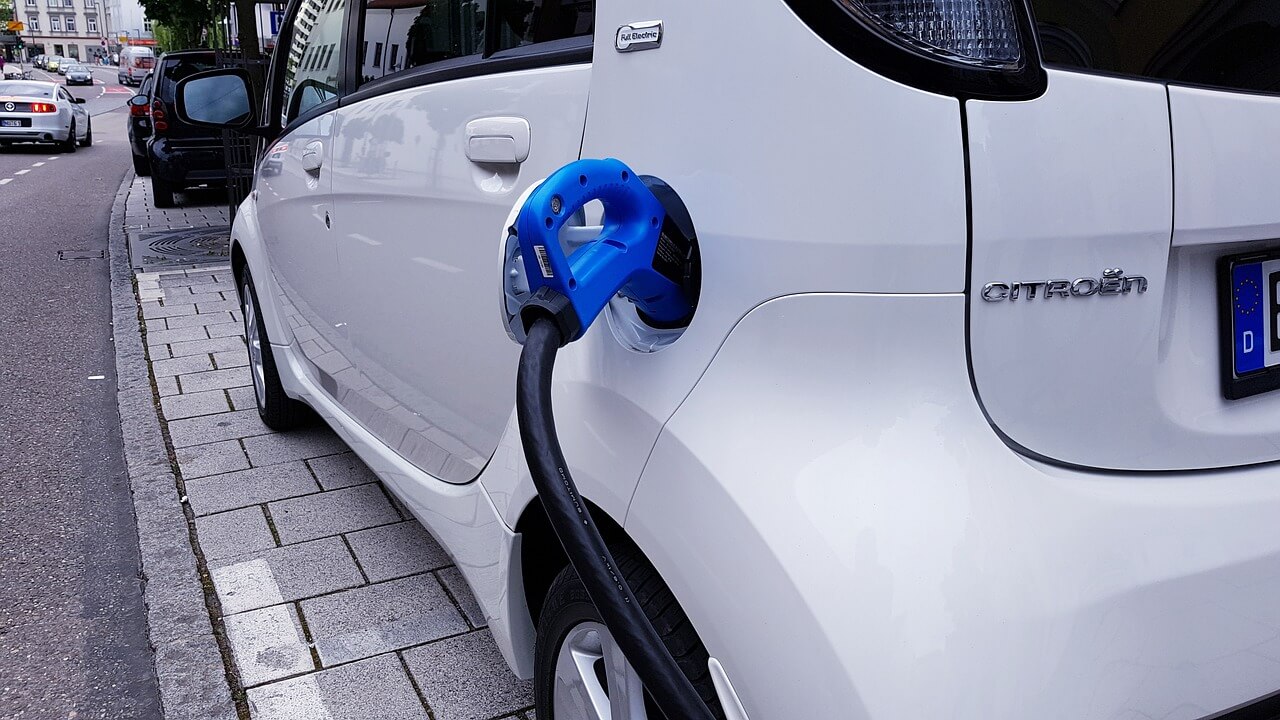
Electric Vehicles (EVs) are transportation solutions powered primarily by electric propulsion systems. These vehicles use one or more electric motors or traction motors and store the electricity in a battery pack. Unlike traditional internal combustion engine (ICE) vehicles, EVs rely solely on electrical energy to operate, which makes them a significant milestone in reducing carbon emissions and dependency on fossil fuels. The key components of an EV include the battery pack, electric motor, power electronics, and a charging system.
The Role of Lithium in Electric Vehicles
Why Lithium is Utilized in EV Batteries
Properties and Advantages of Lithium
Lithium is utilized in EV batteries primarily because of its unique properties that offer several advantages. It is the lightest metal on the periodic table and has a high electrochemical potential, making it ideal for energy storage applications. Lithium-ion batteries, in particular, provide a high energy density, which translates to longer driving ranges for EVs. They also offer a good balance between charging speed and capacity, which is crucial for practical vehicle use. Additionally, lithium batteries have a relatively long cycle life, meaning they can be charged and discharged many times without significant degradation.
Alternative Materials to Lithium in Batteries
While lithium dominates the current market for EV batteries, researchers are exploring alternative materials that could offer comparable or superior performance. Sodium-ion batteries, for example, are gaining attention due to sodium's abundant availability and lower cost compared to lithium. Another promising development is the use of solid-state electrolytes, which could potentially solve many of the safety issues associated with liquid electrolytes in conventional lithium-ion batteries. These alternatives are still in the developmental stages but hold promise for future advancements in battery technology.
How Lithium Contributes to Overall Battery Performance
Energy Density and Charging Efficiency
Lithium is crucial for achieving high energy density, which is a key factor in extending the range of electric vehicles. Higher energy density means that more energy can be stored in a given volume or weight, allowing EVs to travel longer distances on a single charge. Charging efficiency is another area where lithium batteries excel. These batteries can be charged more quickly compared to other types of batteries, making them practical for daily use. As a result, lithium-based batteries offer both the performance and convenience that consumers demand.
Safety Features and Durability
Safety and durability are paramount considerations in the design of EV batteries, and lithium-ion technology provides several benefits in these areas. Modern lithium-ion batteries are equipped with multiple safety mechanisms to prevent overheating, overcharging, and short-circuiting. These safety features are essential for ensuring the reliability and longevity of the vehicle. Additionally, lithium-ion batteries are generally durable, with many able to maintain a significant portion of their capacity over thousands of charge cycles. This reliability makes lithium an attractive choice for electric vehicle manufacturers.
As an expert in Metals and a comprehensive non-ferrous metal Internet platform provider, Shanghai Metals Market (SMM) provides a comprehensive Internet platform for metal mining benchmark prices, analysis, news, consulting and conferences. In addition, we will provide you with the most authoritative information on a variety of metals.
Factors Influencing Lithium Prices
Global Lithium Production and Supply Chain Dynamics
Major Countries Producing Lithium
The global production of lithium is concentrated in a handful of countries, making the supply chain dynamics particularly interesting. Major producers include Australia, Chile, and China, which collectively account for the majority of global lithium output. Australia is known for its vast reserves and large-scale mining operations, while Chile offers rich lithium brine deposits in the Salar de Atacama. China, on the other hand, controls a significant portion of the lithium processing market. These countries' geopolitical and economic policies can significantly impact lithium prices, affecting the entire electric vehicle industry.
Mining Process and Environmental Impact
Lithium extraction typically involves either mining from hard rock or extracting from brine solutions, each method carrying its own environmental footprint. Hard rock mining is generally more energy-intensive and involves significant land disruption, while brine extraction consumes vast amounts of water and can lead to the contamination of local water sources. Environmental regulations and sustainability considerations are becoming more stringent, adding complexity to the mining process. These factors influence not just the cost but also the feasibility of lithium production, thereby impacting overall EV costs.
Demand Trends Across Different Industries
Growing EV Adoption and Market Demand
The surging demand for electric vehicles is one of the primary drivers of lithium prices. As more consumers and businesses shift towards EVs, the need for lithium-ion batteries increases, driving up the price of lithium. Automakers are investing heavily in EV production, often signing long-term supply contracts to secure lithium at predictable costs. This growing demand contributes to higher market prices, which can then be passed down to consumers in the form of higher vehicle costs.
Use of Lithium in Other Technologies
While electric vehicles represent a substantial portion of lithium demand, the material is also crucial in other technologies. Lithium-ion batteries are extensively used in consumer electronics such as smartphones, laptops, and tablets. Additionally, advancements in renewable energy storage solutions are driving lithium demand. Grid storage systems that stabilize renewable energy sources like wind and solar power often rely on lithium-based technologies. The multi-industry demand for lithium creates competitive pressures and volatility in prices, complicating cost structures for EV manufacturers.
Impact of Fluctuating Lithium Prices on EV Costs
Effect on Battery Pack Pricing
Fluctuations in lithium prices have a direct impact on the cost of battery packs, which are the most expensive component of electric vehicles. A rise in lithium costs can lead to increased battery prices, thereby elevating the overall cost of EVs. Conversely, a drop in lithium prices can significantly reduce battery costs, making EVs more affordable. Manufacturers must continuously monitor lithium market trends to adjust their pricing strategies and maintain competitiveness.
Influence on Overall Manufacturing Expenses
The cost of lithium not only affects battery pricing but also influences overall manufacturing expenses. High lithium prices can lead to increased investment in alternative materials and production techniques, driving up research and development costs. Additionally, higher raw material costs can affect the supplier contracts and the broader supply chain. As a result, fluctuations in lithium prices can create financial uncertainties for automakers, leading to potential adjustments in production volumes and pricing strategies.
Projection of Future Price Trends
Predicting future price trends for lithium involves analyzing various factors, including technological advancements, geopolitical developments, and market demand forecasts. While some experts anticipate that increased production and alternative materials may stabilize lithium prices, others warn of potential shortages as demand continues to soar. Strategic partnerships and investments in lithium mining and processing are likely to shape future price trajectories. For consumers and manufacturers alike, staying informed about these trends is crucial for making well-rounded financial decisions.
Shanghai Metals Market (SMM) Headquartered in Shanghai, with branch office in Shandong and Guangdong province. We have extensive network and deep-rooted relationships in SMM nonferrous, ferrous and EV metal industries. At SMM, we help you Know the real China from a global perspective.
Strategies for Mitigating High Lithium Costs
Innovations in Battery Technology
Solid State Batteries Development
One promising strategy for mitigating high lithium costs is the development of solid-state batteries. Unlike conventional lithium-ion batteries, solid-state batteries use a solid electrolyte, which can offer higher energy densities and improved safety characteristics. This technological innovation has the potential to reduce the dependence on lithium, thereby lowering costs. Companies and research institutions globally are investing in solid-state battery development, aiming to bring this technology to market within the next decade.
Recycling and Reusability of Existing Materials
Recycling lithium batteries and reusing existing materials is another effective strategy for mitigating high costs. The process involves extracting lithium and other valuable metals from used batteries, reducing the need for newly mined resources. Innovations in recycling technology are making this process more efficient and cost-effective. Comprehensive recycling programs can not only lower raw material costs but also address environmental concerns associated with lithium mining.
Policy Interventions and Strategic Reserves
Governmental policy interventions and strategic reserves can also play a crucial role in stabilizing lithium costs. Governments can implement policies that promote sustainable mining practices, thereby reducing environmental impacts and ensuring a more stable supply of lithium. Strategic reserves can act as a buffer against price volatility, allowing manufacturers to procure lithium at more predictable costs. Policy measures that incentivize recycling and the use of alternative materials can further mitigate the impact of high lithium prices.
Summary: Navigating the Complexities of EV Costs
Navigating the complexities of EV costs involves understanding a multitude of factors, from the pivotal role of lithium in battery performance to the structural intricacies of global supply chains. The fluctuating prices of lithium significantly impact the overall cost structure of EVs, affecting both manufacturers and consumers. Strategic approaches, such as investing in next-generation battery technologies and diversifying supply chains, are being employed to mitigate these costs. For consumers, a comprehensive cost-benefit analysis that considers long-term savings alongside initial investment is crucial for making informed decisions. With ongoing advancements and strategic interventions, the EV market continues to evolve, striving toward more affordable and sustainable transportation solutions.
![8월 배터리급 황화리튬 생산 분석: 4분기에 급증할까? [SMM 분석]](https://imgqn.smm.cn/usercenter/mpqgn20251217171727.jpg)