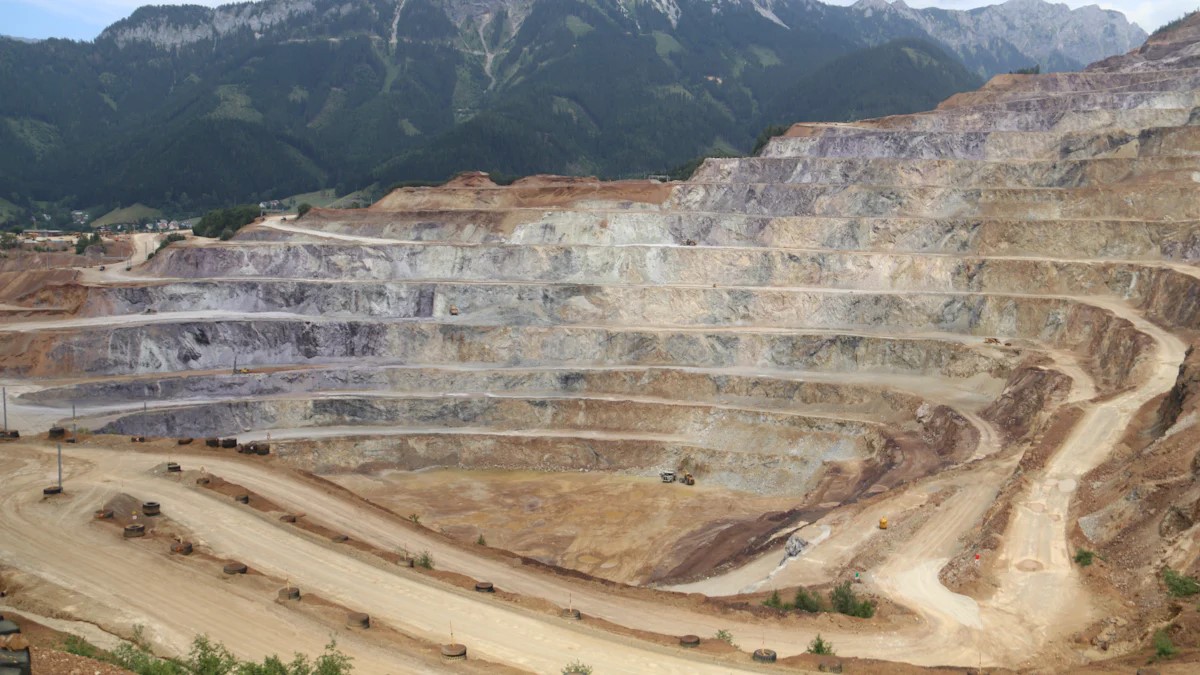
Iron Ore plays a pivotal role in the global economy, being a vital resource for various industries. Understanding the Iron Ore Price evolution is crucial for stakeholders to navigate market dynamics effectively. This blog provides a comprehensive exploration of historical trends, recent developments, and future projections in the Iron Ore Price landscape. By delving into these insights, readers can gain valuable perspectives on the significance of Iron Ore in shaping economic landscapes worldwide.
Historical Overview
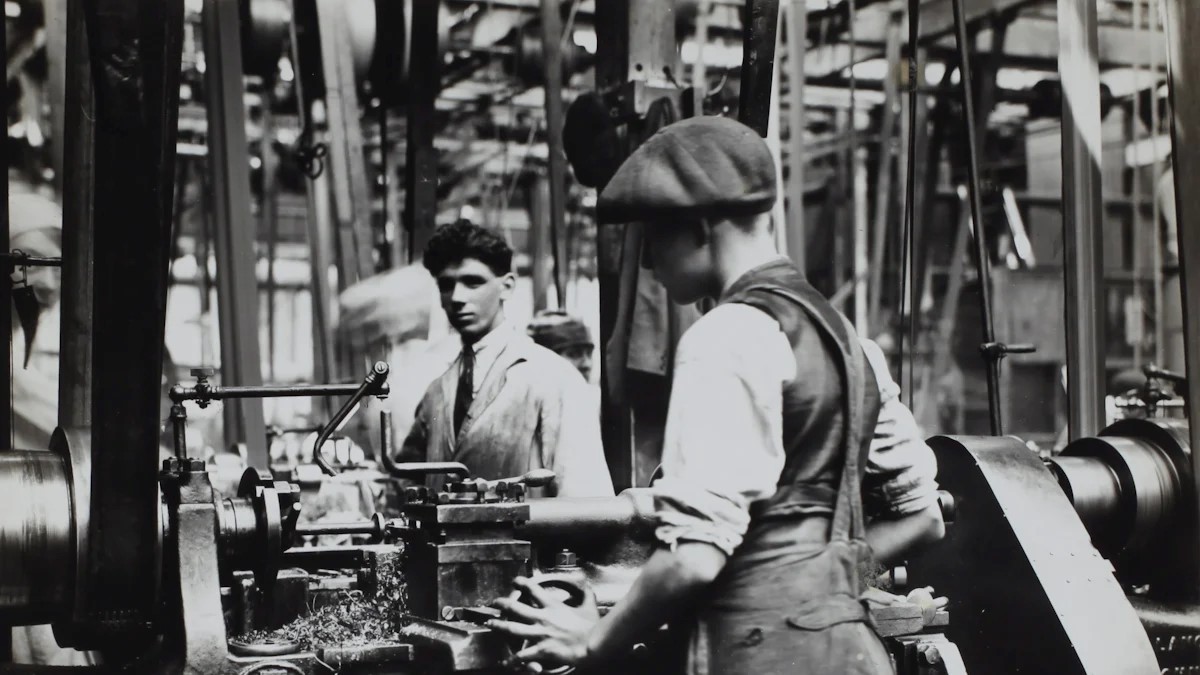
In the early 20th century, Iron Ore witnessed a significant surge in demand due to rapid industrialization. The need for iron ore soared as industries expanded their operations, relying heavily on this essential resource. Moreover, the impact of the World Wars further intensified the demand for Iron Ore as countries mobilized their economies for wartime production.
Transitioning into the post-war era, an economic boom ensued, driving up the consumption of Iron Ore even further. This period marked a time of prosperity and growth, with industries flourishing and increasing their reliance on iron ore for manufacturing processes. Concurrently, technological advancements revolutionized the mining and extraction methods of iron ore, making production more efficient and cost-effective.
As we progressed into the late 20th century, globalization began to shape the dynamics of the Iron Ore market. The effects of globalization were profound, leading to increased trade and interconnectedness among nations. However, this era also witnessed heightened market volatility in Iron Ore prices due to fluctuating demand and supply dynamics on a global scale.
Recent Trends

21st Century Developments
China's Industrial Growth
In the 21st century, Iron Ore Price trends have been significantly influenced by China's industrial growth. As the world's largest producer and consumer of steel, China plays a pivotal role in shaping the global demand for Iron Ore. The country's rapid industrial expansion has led to a surge in the need for raw materials like iron ore to fuel its manufacturing sector. Consequently, fluctuations in China's steel production directly impact Iron Ore Prices, creating ripples across international markets.
Global Financial Crisis
The global financial crisis of 2008 had a profound impact on Iron Ore Prices. As economies worldwide grappled with recessionary pressures, the demand for steel and consequently iron ore experienced a sharp decline. The crisis triggered a domino effect on various industries, leading to reduced construction activities and infrastructure projects that heavily rely on steel. This downturn in economic activity reverberated through the Iron Ore Market, causing prices to plummet as demand waned.
2010s Fluctuations
Peak Prices in 2011
The early 2010s witnessed a period of peak prices in the Iron Ore Market, with rates soaring to unprecedented levels. Factors such as robust infrastructure development in emerging economies and strong demand from China propelled prices to new heights. The surge in prices during this period reflected the growing appetite for iron ore across industries globally, underscoring its indispensable role in driving economic growth.
Decline in 2015
However, the boom of peak prices was short-lived as the market experienced a significant decline in 2015. Various factors contributed to this downturn, including oversupply issues, weakening demand from key consumers like China, and macroeconomic uncertainties. The sudden drop in prices highlighted the inherent volatility of the Iron Ore Market, reminding stakeholders of the cyclical nature of commodity markets.
2020s Dynamics
COVID-19 Pandemic Impact
The onset of the COVID-19 pandemic brought unprecedented challenges to the Iron Ore Market. Disruptions to global supply chains, lockdown measures, and reduced industrial activities dampened demand for steel and iron ore alike. The pandemic-induced economic slowdown led to a slump in prices as market dynamics shifted amidst uncertainty and fluctuating consumption patterns.
Current Market Conditions
Amidst ongoing uncertainties, current market conditions reflect a delicate balance between supply and demand dynamics. While recovery efforts are underway post-pandemic, lingering effects continue to influence price trends. Factors such as geopolitical tensions, trade policies, and environmental regulations further contribute to shaping the future trajectory of Iron Ore Prices, underscoring the need for vigilance and adaptability within the industry.
SMM, or Shanghai Metals Market, is an integrated internet platform provider in the metals and mining industry. Headquartered in Shanghai, with branch offices in Yantai, Foshan, and subsidiaries in Beijing and Singapore, SMM offers benchmark prices, analysis, news, consulting, and conferences. With an extensive network and deep-rooted relationships in China's nonferrous, ferrous, and EV metal industries, SMM serves customers globally, providing them with comprehensive market data and insights. SMM's benchmark prices are derived through a rigorous methodology, ensuring accuracy, impartiality, and compliance with international standards.
SMM provides benchmark prices for iron ore, which are widely recognized and trusted in the industry. These benchmark prices are derived from a rigorous methodology that ensures accuracy and impartiality. SMM gathers data from a wide cross-section of market participants, including consumers, producers, traders, and distributors. This comprehensive approach allows SMM to capture the true market conditions and provide reliable benchmark prices for iron ore.
The benchmark prices provided by SMM are used as a reference for various purposes in the iron ore industry. Producers, traders, and importers can use these benchmark prices to negotiate spot prices and settle contracts. The Customs can also rely on SMM assessments for price checking and valuation of assets. Additionally, these benchmark prices are used in the adjudication of trade disputes, ensuring fairness and transparency in the market. Overall, SMM's benchmark prices for iron ore play a crucial role in facilitating transactions, mitigating risks, and promoting a stable and efficient iron ore market.
Future Outlook
Forecast for 2024
Predicted Price Trends
Industry analysts predict a positive trajectory for Iron Ore Prices in 2024. The price of seaborne iron ore is anticipated to rise to $150 per ton in the first half of the year. This increase comes as a response to heightened demand in China, driven by measures aimed at revitalizing the country's economy. Such developments signal a potential upswing in Iron Ore Prices, reflecting evolving market dynamics and economic stimuli.
Factors Influencing Future Prices
Several factors are poised to influence the future prices of Iron Ore as we look towards 2024. Fitch Ratings has revised its forecast, indicating an expected price of $118 per ton this year, up from the previous estimate of $110 per ton. Looking ahead, projections suggest that in 2024, the price of iron ore could reach $105 per ton, followed by a decline to $90 per ton in 2025 and further down to $85 per ton in 2026. These adjustments underscore the dynamic nature of Iron Ore Prices and the intricate balance between supply and demand forces shaping market trends.
Long-term Projections
Technological Innovations
Innovations in mining technologies and extraction processes are set to redefine the landscape of Iron Ore Production in the long term. Advancements such as automated drilling systems, autonomous haulage vehicles, and real-time data analytics are revolutionizing efficiency and productivity within mining operations. These technological breakthroughs not only enhance operational capabilities but also contribute to cost savings and sustainability initiatives across the Iron Ore Industry.
Environmental Considerations
Environmental sustainability is becoming increasingly central to discussions surrounding Iron Ore Mining practices. With growing awareness of climate change and carbon footprint concerns, companies are under pressure to adopt eco-friendly approaches to resource extraction. Initiatives like reforestation programs, water recycling systems, and energy-efficient processes are gaining traction within the industry. Balancing economic imperatives with environmental stewardship is crucial for ensuring the long-term viability and responsible growth of Iron Ore Production.
Conclusion
Analyzing the Iron Ore market trends is essential for evaluating investment opportunities and understanding global market dynamics. By delving into historical patterns and future trajectories, stakeholders can optimize their risk and profit balance effectively. Evaluating the underlying market factors becomes crucial for investors interested in Iron Ore Prices, as it provides insights into the future trajectory of interest rates, Chinese economy, US dollar valuation, and ongoing risk factors impacting prices.
In light of these considerations, it's imperative to recognize that Iron Ore prices below $100 per ton may lead to higher cost producers shutting down, consequently affecting supply and prices in the market. Long-term demand concerns have been raised by the Australian government's price expectations for iron ore, highlighting the significance of monitoring market trends closely to anticipate shifts in supply and demand dynamics.
Evaluation of underlying market factors is crucial for stakeholders navigating the Iron Ore Price landscape. Short-term assumptions reflect current prices and the expected replenishment of reserves in 2024. Understanding the historical journey of Iron Ore Prices provides valuable insights for strategic decision-making. As global market conditions evolve, staying informed about China's economy, supply-side factors, and demand from the steel industry is paramount. By recognizing these trends, investors can position themselves effectively in a dynamic market environment.
![[SMM 석탄 플래시] 얀콜, 케스트럴 탄광 18억 5천만 달러에 인수 완료](https://imgqn.smm.cn/usercenter/ENDOs20251217171718.jpg)
![[SAIL, 3,200만 톤 재고에서 300만 톤 저품위 철광석 판매 목표]](https://imgqn.smm.cn/usercenter/vhvTQ20251217171715.jpg)