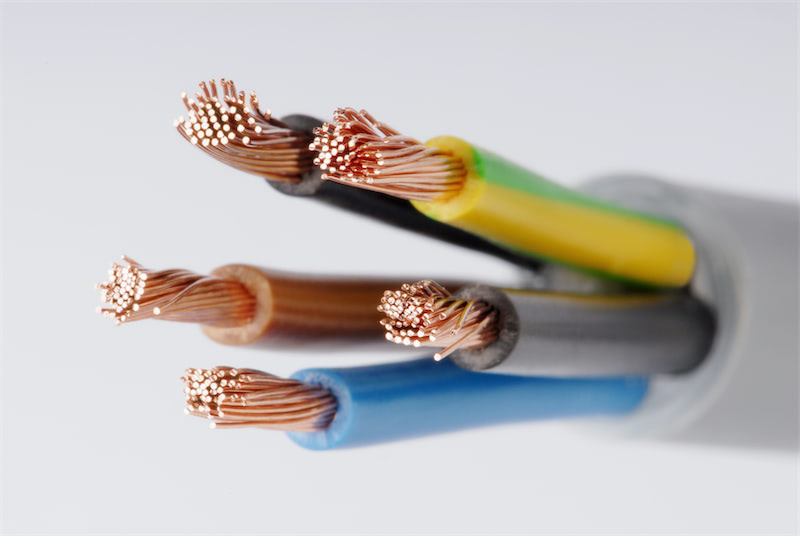
April 1st report indicates that after several months of persistent downturn, Chile's mining output has begun to improve, with the total production in February registering a 7.7% increase compared to the same period last year. According to data from the National Statistics Institute of Chile (INE), the country's principal commodities, copper and lithium, have been the main drivers behind the overall production rise. Copper production surged by 9.95% to 420,242 tons, leading to a 5.5% increase in metal mining output. Chile's copper supply accounts for nearly a quarter of the global total. The non-metallic mining sector also saw a substantial year-over-year output growth of 24.9%, contributing to the overall positive results. The INE data revealed that this specific category has been buoyed by an increase in lithium carbonate production.
As the world's largest copper producer and the second-largest exporter of lithium—the key material for manufacturing batteries for electric vehicles, mobile phones, and other high-tech devices—Chile remains at the forefront in these areas. Yet, the country continues to seek expansion in lithium production, with official estimates predicting a 70% increase by 2030 and a doubling of output over the next decade. Just last week, Chile announced a list of 26 lithium-rich salars, which will be opened to private investors through bids from April to July.
![[리튬배터리: Do-Fluoride, 20GWh 배터리 프로젝트 위해 광시닝푸에 2억 1천만 위안 투자]](https://imgqn.smm.cn/usercenter/AYpRQ20251217171727.jpg)
![[SMM 분석] 2026년 8월 중국 코발트 금속 수입은 전월 대비 4% 감소, 수출은 전월 대비 55% 증가](https://imgqn.smm.cn/usercenter/jZvMC20251217171729.jpg)