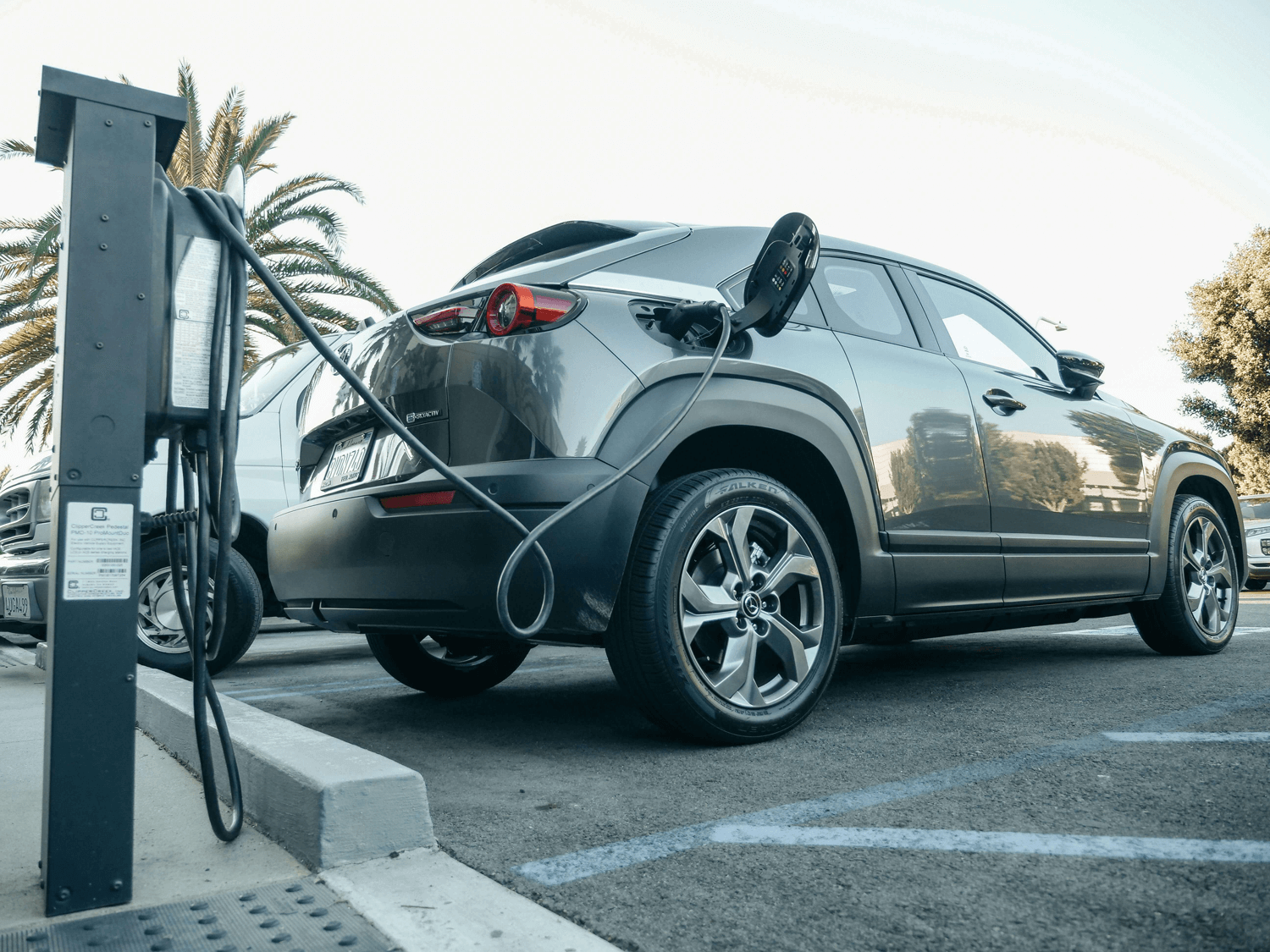
Tesla’s 4680 battery likely to enter mass production. Will the lithium battery industry face reshuffle?

게시됨: Nov 16, 2021 16:20
Tesla unveiled its 4680 battery during its Battery Day in September 2020, which is a cylindrical battery with a diameter of 46mm and a height of 80mm.

SHANGHAI, Nov 16 (SMM) - Tesla unveiled its 4680 battery during its Battery Day in September 2020, which is a cylindrical battery with a diameter of 46mm and a height of 80mm. Tesla expects that its 4680 battery will have five times more capacity, 16% more driving range and 14% lower costs than the 2170 battery. At present, domestic car companies mainly use prismatic battery. Only Tesla, Daimler, Nissan, Renault, Volkswagen and Hyundai use cylindrical pouch power batteries on a large scale. However, it takes time for car companies to change their battery types. With reference to the speed at which the 2170 battery replaces the 18650 battery, and assuming that the 2170 battery is still the mainstream battery in 2022, it will be gradually replaced by the 4680 battery by 2023 and fully replaced by 2024.

Bigger size, and higher battery capacity due to the use of high nickel ternary cathode materials. The 4680 battery has 5 times more battery capacity than the 2170 battery (not a 5 times increase in energy density), and the increase in battery capacity will also lead to a 16% increase in driving range.

"Tabless” structure allows thermal runaway to be effectively controlled. In terms of heat dissipation, the advantages of cylindrical battery cells are that the capacity of a single unit is low, and the heat release of a single electrical runaway is not easy to spread. Besides, the arc-shaped surface suppresses the heat transfer between the batteries to a certain extent. The cylindrical battery cell itself has a certain threshold for thermal runaway. There is more room for fault tolerance in the module part.

Fewer battery cells and higher space utilisation rate. The cost reduction is mainly due to the fact that the 2170 cylindrical power battery requires 4,400 cells, while the 4680 battery only needs 950 cells, which means higher space utilisation rate and higher assembly efficiency. And compared to the 2170 battery, the 4680 battery reduces the amount of raw materials that do not provide energy density, such as battery separators and steel shells, so as to reduce the costs.
데이터 출처 설명: 공개 정보를 제외한 모든 데이터는 SMM이 공개 정보, 시장 커뮤니케이션 및 SMM 내부 데이터베이스 모델을 기반으로 가공한 것입니다. 본 자료는 참고용이며 의사결정 권고를 구성하지 않습니다.

문의 사항이 있거나 자세한 정보를 원하시면 아래로 연락해 주시기 바랍니다: lemonzhao@smm.cn
리서치 보고서 열람 방법에 대한 자세한 내용은 아래로 문의하시기 바랍니다:service.en@smm.cn
관련 뉴스
[SMM 분석] 포르투갈, 리튬 채굴·가공 통합 산업 건설 취소
8시간 전
[SMM 분석] 포르투갈, 리튬 채굴·가공 통합 산업 건설 취소
더 보기
[SMM 분석] 포르투갈, 리튬 채굴·가공 통합 산업 건설 취소
[SMM 분석] 포르투갈, 리튬 채굴·가공 통합 산업 건설 취소
8시간 전
[SMM 속보] SADC, 원광 수출에서 가공으로 전환 촉구…짐바브웨의 리튬 수출 금지 조치가 모범 사례로 언급돼
13시간 전
[SMM 속보] SADC, 원광 수출에서 가공으로 전환 촉구…짐바브웨의 리튬 수출 금지 조치가 모범 사례로 언급돼
더 보기
[SMM 속보] SADC, 원광 수출에서 가공으로 전환 촉구…짐바브웨의 리튬 수출 금지 조치가 모범 사례로 언급돼
[SMM 속보] SADC, 원광 수출에서 가공으로 전환 촉구…짐바브웨의 리튬 수출 금지 조치가 모범 사례로 언급돼
유엔 아프리카경제위원회(UNECA) 사무총장 클라버 가테테는 남부아프리카개발공동체(SADC)에 원광 수출에서 벗어나 현지 가공과 부가가치 창출로 전환할 것을 촉구하며, 이 지역을 아프리카의 광물 전략 전반을 시험하는 장으로 규정했다. 넷제로 시나리오에서는 리튬을 포함한 에너지 전환 핵심 광물 수요가 2030년까지 3배 이상 늘어날 수 있으며, 아프리카는 전 세계 매장량의 약 30%를 보유하고도 리튬 생산은 1%에 그쳐 언급된 광물 가운데 비중이 가장 작다. 짐바브웨는 SADC의 주요 리튬 자원 보유국으로 지목됐고, 콩고민주공화국(DRC·코발트), 남아프리카공화국(백금·망간), 잠비아(구리)와 함께 거론됐다. 가테테는 짐바브웨의 미가공 리튬 수출 금지 조치를 역내 정책 모델로 제시했다. 광물 부문은 SADC GDP의 약 10%, 수출의 25%, 정부 재정수입의 20%를 차지하지만, 직접 고용 비중은 7%에 불과하다. SMM 관점: 가테테의 발언은 짐바브웨의 진행 중인 부가가치 제고(베네피시에이션) 추진에 역내 정책적 무게를 실어주며, 국내 황산염 생산능력이 가동되기 시작하는 가운데 정광 수출 금지의 타당성을 재확인한다
13시간 전
시노마인의 비키타 황산리튬 공장 착공, 짐바브웨의 수출 금지 추진 속 2027년 완공 목표
14시간 전
시노마인의 비키타 황산리튬 공장 착공, 짐바브웨의 수출 금지 추진 속 2027년 완공 목표
더 보기
시노마인의 비키타 황산리튬 공장 착공, 짐바브웨의 수출 금지 추진 속 2027년 완공 목표
Sinomine Resource Group의 짐바브웨 법인 Masingo Lithium Technology가 비키타의 연 10만 톤 황산리튬 공장에 대한 환경영향평가(EIA) 승인을 받아, 시공사 China Railway No. 9 Group과 Shandong Dadi가 현장에 투입된 가운데 프로젝트가 본격 건설 단계에 들어갔다. 완공 목표는 2027년 중반이다. 이번 승인은 2024년 9월 처음 공개되고 2026년 5월 Sinomine의 52억 위안(7억 6,400만 달러) 자금 조달로 재확인된 계획을 공식화한 것으로, 새로운 자본 투입을 의미하지는 않는다. 비키타는 짐바브웨에서 중국 자본이 지원하는 세 번째 황산리튬 프로젝트가 된다. Huayou의 연 5만 톤 Arcadia 공장은 2026년 7월 가동을 시작해 7월 말 기준 설비능력의 약 60% 수준으로 운영 중이며, Yahua의 Kamativi 시설은 2026년 2월 착공했고 생산능력은 공개되지 않았다. 세 프로젝트의 발표 생산능력을 합치면 완공 시 연 20만 톤 이상으로, 짐바브웨의 2027년 1월 정광 수출 금지 조치를 앞두고 있다. SMM 견해: Arcadia의 명판 용량 대비 느린 램프업이 여기서 핵심 벤치마크다. 비키타가 두 배 용량으로 비슷한 곡선을 따른다면, 2027년 중반 완공 목표에도 정상 생산량 달성은 2028년으로 밀릴 가능성이 크다. 세 공장 모두 착공을 마친 만큼, 짐바브웨의 광물 가공(선광) 추진은 정책에서 실제 건설로 전환됐다. 다음으로 주목할 신호는 수출 금지 조치가 각 공장의 발표 일정이 아닌 실제 가동 일정에 맞춰 얼마나 엄격하게 집행되는지 여부다.
14시간 전
Tesla’s 4680 battery likely to enter mass production. Will the lithium battery industry face reshuffle? - Shanghai Metals Market (SMM)