

By Hermann Erdmann
The world faces many major challenges including climate change, slow economic growth and a disproportionate reliance on mineral resources. It is becoming increasingly accepted that adopting the circular economy model could provide answers for many of these problems.
US President Barack Obama’s administration reported in June that the failure to act on climate change could cause an estimated 57,000 deaths a year in the US from poor air quality by 2100.
According to the European Union (EU), the air quality in eMalahleni (Witbank) is among the world’s dirtiest — even when compared to the likes of Beijing, where people wear face masks on the streets to protect themselves from air pollution. The eMalahleni region is home to 11 coal-fired power stations. A 12th one is being built and, when completed, the Kusile power plant will be one of the world’s largest, burning 17-million tonnes of coal a year.
We are creating an environmental debt that our children and grandchildren will need to pay. Just as you wouldn’t buy a car and expect your children or grandchildren to finance it, this debt isn’t fair. But what can be done about it?
The Ellen MacArthur Foundation, the McKinsey Center for Business and Environment, and SUN (Stiftungsfonds für Umweltökonomie und Nachhaltigkeit), recently released an international study titled Growth Within, which was the foundation for the keynote address at the EU Commission’s conference on the circular economy in June in Brussels.
According to the Ellen MacArthur Foundation, a circular economy is one that is restorative by design, and that aims to keep products, components and materials at their highest utility and value, at all times. It draws a distinction between the consumption and use of materials. The circular economy advocates the need for a "functional service" model in which retailers or manufacturers retain the ownership of their products and, where possible, act as service providers — selling the use of products, not their one-way consumption.
This shift has direct implications for the development of efficient and effective take-back systems and the proliferation of product-and business-model design practices that generate more durable products, facilitate disassembly and refurbishment and, where appropriate, consider product or service shifts.
The study showed, among other concerns, that "Europe’s economy remains very resource-dependent…. Proponents of a circular economy argue that it offers Europe a major opportunity to increase resource productivity, decrease resource dependence and waste, and increase employment and growth".
This situation is not dissimilar to the challenges facing the South African market, but what is interesting is that the European market has something to learn from us. To reduce the pressure on our resources, SA has already implemented a circular economy in the tyre industry that has become a globally recognised case study.
As a result of the implementation of the Waste into Worth concept for tyre waste, the Recycling and Economic Development Initiative of SA (Redisa) was invited onto the advisory board of organisations and individuals providing input on the Growth Within study.
Although the report looked at the European economy, there are insights SA should note. According to the report, the benefits of introducing a circular economy approach in Europe are an 11% gross domestic product increase compared with 4% in the current development path by 2030.
Its adoption could lead to an increase in average disposable income for EU households by €3,000, or 11% higher than the current development path. And there could be a 48% reduction of CO² emissions by 2030 across the three study sectors, or 83% by 2050.
For example, in cement kilns waste tyres can be substituted for up to 20% of current coal usage, which in SA could mean replacing tens of thousands of tonnes of coal. This equates to reduced reliance on coal (less demand for mining coal), reduced net carbon emissions and reduced air pollution (as in the correct controlled environment, tyres burn cleaner than coal). Ultimately, cost savings for the cement companies are passed to the consumer.
PPC De Hoek, Natal Portland Cement, AfriSam and La Farge are already doing this and realising the benefits. But what about increasing employment and growth?
In SA, the tyre industry has been a pilot project for circular economy development. Tyres are unusual since the collection points where waste arises are mostly known because tyres are mostly exchanged at dealerships, not at homes. This eases the "first mile" collection task.
The Integrated Industry Waste Tyre Management Plan was developed to fulfil a mandate of job creation and to bring order to SA’s recycling of tyres, a market that was processing only 10,000 tonnes of tyres each year of the 240,000 tonnes sold.
In two years, this project has resulted in more than 2,000 new jobs and more than 190 small-, medium-and micro-enterprises developed and supported — tangible proof that where some see waste, others see opportunity.
True sustainability means balancing growth, infrastructure development and creating small business and job opportunities while lowering our emissions and overall impact on the environment.
The challenge is that generally, big business struggles to find a balance between reducing carbon emissions and protecting the environment, while driving a positive effect on the bottom line.
Although interest in the circular economy approach is growing, it is happening slowly. If it is to become widespread, we must consider all industries to see how, through innovation and co-operation, we can double our efforts.
--Erdmann is the CEO of Redisa (Recycling and Economic Development Initiative of SA)
Source: Bdlive.co.za
Tyre Recycling shows benefits of circular economy
The world faces many major challenges including climate change, slow economic growth and a disproportionate reliance on mineral resources.
데이터 출처 설명: 공개 정보를 제외한 모든 데이터는 SMM이 공개 정보, 시장 커뮤니케이션 및 SMM 내부 데이터베이스 모델을 기반으로 가공한 것입니다. 본 자료는 참고용이며 의사결정 권고를 구성하지 않습니다.
문의 사항이 있거나 자세한 정보를 원하시면 아래로 연락해 주시기 바랍니다: lemonzhao@smm.cn
리서치 보고서 열람 방법에 대한 자세한 내용은 아래로 문의하시기 바랍니다:service.en@smm.cn
관련 뉴스
2026년 10월 02일 14:34 (GMT+8)
【Flash | 코히런트의 PhotonLink, 인화인듐(InP) 상용화 확대의 발판 마련】
더 보기
【Flash | 코히런트의 PhotonLink, 인화인듐(InP) 상용화 확대의 발판 마련】
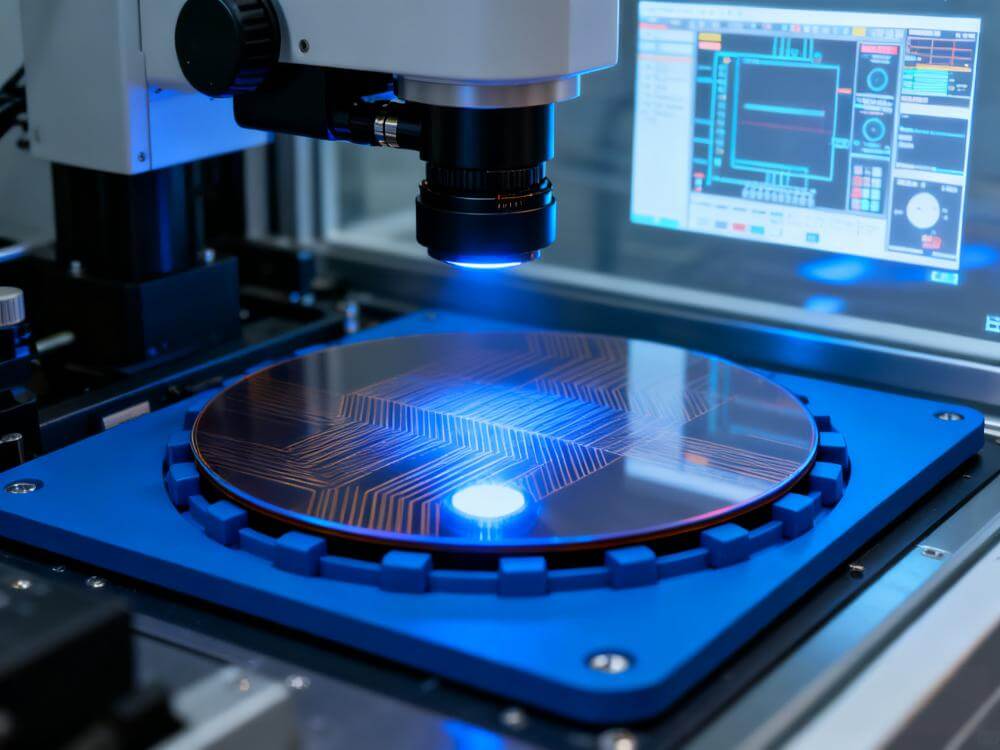
Coherent는 인공지능 인프라를 위한 통합 광학 플랫폼인 PhotonLink를 출시했다. 이 플랫폼은 인화인듐(InP) 레이저, 실리콘 포토닉스, 검출기 및 광모듈을 통합한다. 회사는 10건 이상의 CPO 협력, 10건 이상의 NPO 협력, 5건 이상의 칩 간 연결 프로젝트를 공개했으며, CPO와 NPO 모두에서 핵심 고객 및 장기 계약을 확보했다. 매출은 2026년 4분기부터 증가하기 시작할 것으로 예상된다. Coherent는 3억 개 이상의 InP 레이저를 출하했으며, 생산 확대를 지원하기 위해 6인치 InP 제조 역량을 확장하고 있다. 고객 파이프라인은 InP 소자 및 상류 소재에 대한 보다 명확한 상업적 수요 신호를 제공하지만, 추가 용량과 인듐 소비량은 공개되지 않았다.
2026년 10월 02일 14:34 (GMT+8)
2026년 10월 02일 10:38 (GMT+8)
나인 마일, 트라이백–웨스트 웨지에 두 번째 시추기 도착…전자기 탐사 대상 7곳 시험 예정
더 보기
나인 마일, 트라이백–웨스트 웨지에 두 번째 시추기 도착…전자기 탐사 대상 7곳 시험 예정
Nine Mile Metals는 두 번째 시추기가 캐나다 뉴브런즈윅의 Tribag–West Wedge에 도착했으며, 앞으로 며칠 내로 Tribag에서 시추가 시작될 예정이라고 발표했다. 7개의 모델링된 전자기 탐사 대상은 Tribag 납-아연 및 West Wedge 구리-납-아연 광상과 관련이 있다.
Wedge 시추는 동시에 계속 진행 중이다. 9월 21일까지 회사는 연간 10,000미터 프로그램 중 총 4,934.50미터에 해당하는 18개 시추공을 완료했다. 도체는 여전히 지구물리학적 탐사 대상으로, 그 근원을 확인하기 위해 시추가 필요하다.
2026년 10월 02일 10:38 (GMT+8)
2026년 10월 01일 10:06 (GMT+8)
【SMM 속보】Masivo, Cerro Colorado에서 납-아연 함유 다금속 광화대 32.50m 관통
더 보기
【SMM 속보】Masivo, Cerro Colorado에서 납-아연 함유 다금속 광화대 32.50m 관통
마시보 실버는 멕시코 소노라주 세로 콜로라도에서 첫 시추공인 CC-26-001의 분석 결과를 발표했다. 이 시추공은 226.30m에서 258.80m 구간까지 32.50m에 걸쳐 아연 0.271%, 납 0.141%, 은 7.0g/t의 평균 품위를 보였다. 기술적 문제로 시추가 259.5m에서 중단되었으며, 이때 시추공은 여전히 광화대 내에 있었다.
2026년 10월 01일 10:06 (GMT+8)
관련 뉴스
【Flash | 코히런트의 PhotonLink, 인화인듐(InP) 상용화 확대의 발판 마련】
Oct 02, 2026 14:34 (GMT+8)
나인 마일, 트라이백–웨스트 웨지에 두 번째 시추기 도착…전자기 탐사 대상 7곳 시험 예정
Oct 02, 2026 10:38 (GMT+8)
【SMM 속보】Masivo, Cerro Colorado에서 납-아연 함유 다금속 광화대 32.50m 관통
Oct 01, 2026 10:06 (GMT+8)

지역 차질로 9월 생산 회복 제한, 10월 2차 납 생산 증가 전망
Oct 01, 2026 09:24 (GMT+8)