Stricter Compliance Oversight on Domestic Primary Aluminum Capacity; Guangxi Takes Lead in Output Cuts, Market Focuses on Follow-up Impacts
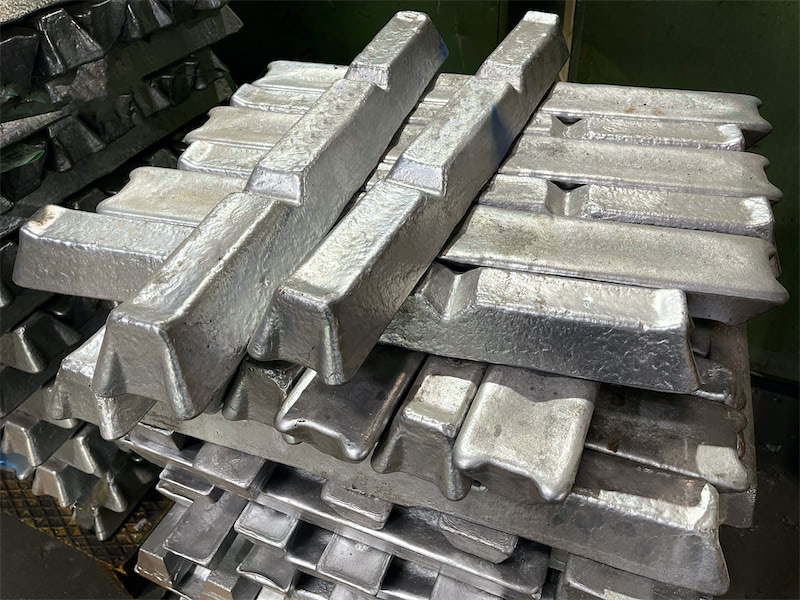
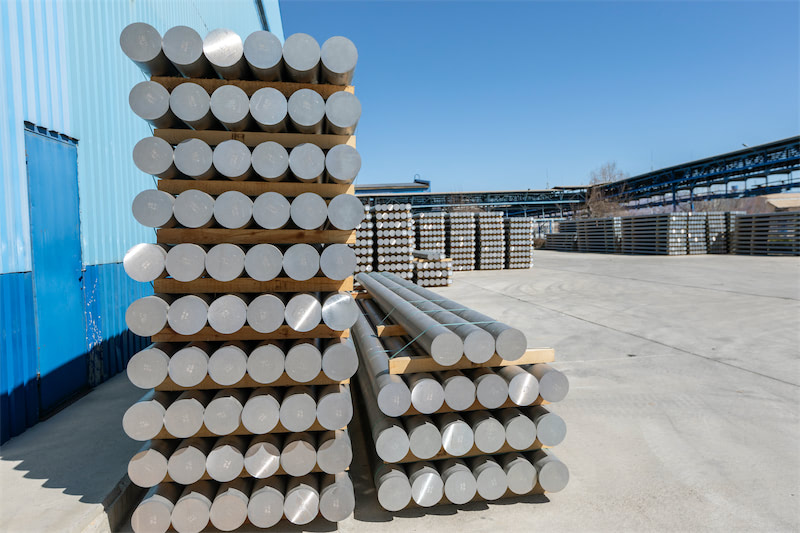
Market sources indicate that regulatory policies for China’s primary aluminum sector have tightened recently, with heightened scrutiny over capacity compliance across several regions. Guangxi has seen a marginal decline in aluminum output in May, as operations of some local capacities have been restricted. Market participants are watching closely whether other producing regions will roll out similar measures.
As a high energy-consuming industry, primary aluminum production has long been subject to strict curbs on capacity expansion under the national dual carbon goals. The alignment between operational capacities and official compliance quotas remains a key focal point for the market. The latest tightening regulatory signals have reignited attention on this long-standing issue and stirred market sentiment.
China’s current operational primary aluminum capacity stands at approximately 45.28 million metric tons. Market expectations suggest that the ongoing compliance inspections may affect around 600,000 metric tons of smelting capacity, accounting for roughly 1.3% of the total operational volume. Disruptions to these capacities will likely lead to a marginal supply contraction and accelerated destocking of domestic aluminum inventories.
Overall, amid intensified regulation, expectations of tighter supply together with steady downstream demand will drive faster destocking of social aluminum inventories and improve the supply-demand balance, lending support to aluminum prices. It is recommended to keep tracking policy implementation and inventory trends across major producing regions.
(The above information is based on market collection and comprehensive evaluation by the SMM research team. The information provided in this article is for reference only. This article does not constitute direct advice for investment research and decision-making. Customers should make cautious decisions and should not replace their independent judgment with this information. Any decisions made by customers are not related to SMM.)