Menurut Miningweekly, mengutip Bloomberg, sebuah tambang era Perang Dingin di dekat ibu kota Slovakia, Bratislava, menarik perhatian dari Uni Eropa.
Proyek yang dikenal sebagai Trojarova ini terletak di lereng bukit berhutan lebat di kawasan yang dikenal sebagai Little Carpathians di Slovakia, tempat para insinyur Soviet pertama kali menemukan lapisan bijih yang mengandung antimon pada tahun 1980-an. Pemiliknya, Military Metals Corp (MMC) yang berbasis di Kanada, dipandang sebagai peluang bagi Eropa untuk mengamankan logam militer.
Untuk mineral kritis seperti antimon, negara-negara Uni Eropa tampaknya tidak mampu menyediakan pendanaan dan mengambil tindakan, sehingga proyek seperti Trojarova rentan direbut oleh pesaing. Hingga saat ini, MMC belum berhasil mendapatkan perjanjian offtake dari Uni Eropa.
Saat Presiden Trump mengancam menaikkan tarif terhadap Eropa, proyek ini menggambarkan bahaya Eropa tertinggal dalam persaingan sengit antar negara adidaya.
Ketika impor mineral kritis seperti tanah jarang menghadapi pembatasan, AS telah aktif mencari kemitraan dengan negara-negara kaya sumber daya dan mendanai proyek di seluruh dunia untuk mempercepat pengembangan, namun Eropa tertinggal.
"Negara-negara anggota tetap enggan menanggung biaya proyek pertambangan dan pengolahan di luar perbatasan mereka, bahkan ketika realitas geo-ekonomi menuntutnya," kata Schulz Sabrina, Direktur Jerman dari European Initiative for Energy Security (EIES). "Pendanaan tetap menjadi hambatan utama."
European Critical Raw Materials Act (CRMA) tahun 2023 menetapkan strategi Uni Eropa. CRMA menetapkan target bahwa setidaknya 10% pasokan material kritis tahunan Eropa harus berasal dari ekstraksi domestik dan 40% dari pengolahan domestik. Target-target ini mendorong negara-negara anggota untuk mengambil tindakan, mengidentifikasi celah keamanan, dan memusatkan investasi guna memastikan pasokan logam baterai yang aman seperti litium.
Sejak saat itu, pesaing global telah beralih ke sumber daya militer seperti antimon, galium, dan germanium, namun Eropa tidak mengikuti langkah tersebut. Pihak dalam menilai hal ini karena pejabat Uni Eropa tidak memiliki kewenangan untuk menjalankan kebijakan serupa dengan AS dan tidak memiliki dana untuk berinvestasi.
Hal ini menyulitkan perusahaan yang kekurangan dana untuk meluncurkan proyek logam minor, karena mereka kesulitan menggalang modal di pasar swasta setidaknya.
Dengan anggaran yang ketat di seluruh Eropa, banyak negara anggota UE belum mengetahui cara mengambil tindakan. Di Jerman, misalnya, kementerian ekonomi, kanselir, dan kementerian luar negeri belum mencapai kesepakatan tentang cara mengatasi risiko mineral kritis.
Hasilnya adalah kebuntuan, dengan pejabat UE khawatir bahwa negara-negara anggota takut kehilangan peluang.
Bulan lalu, UE mencapai kesepakatan dengan AS tentang koordinasi kebijakan untuk mengamankan rantai pasokan mineral kritis. Bagi MMC, ini merupakan perkembangan penting yang dapat mengarah pada kemitraan investasi dan offtake bersama AS-UE untuk Trojarova.
Pada 24 Maret, Hartmann Frank, pejabat kementerian luar negeri Jerman yang bertanggung jawab atas urusan Asia, mengatakan dalam sebuah acara di Berlin bahwa Eropa tidak bertindak cukup cepat dan "tidak berbuat cukup."
"Kita harus menerapkan strategi jangka panjang, menjaga dana dan modal di tangan kita, serta berinvestasi dalam mineral kritis ini selama dekade mendatang," katanya dalam diskusi panel yang diselenggarakan oleh Dewan Hubungan Luar Negeri Jerman. "Jika tidak, kita tidak akan mampu melepaskan diri dari ketergantungan ini."
Proyek Trojarova, yang diakuisisi oleh MMC sekitar dua tahun lalu, bisa menjadi sebuah peluang.
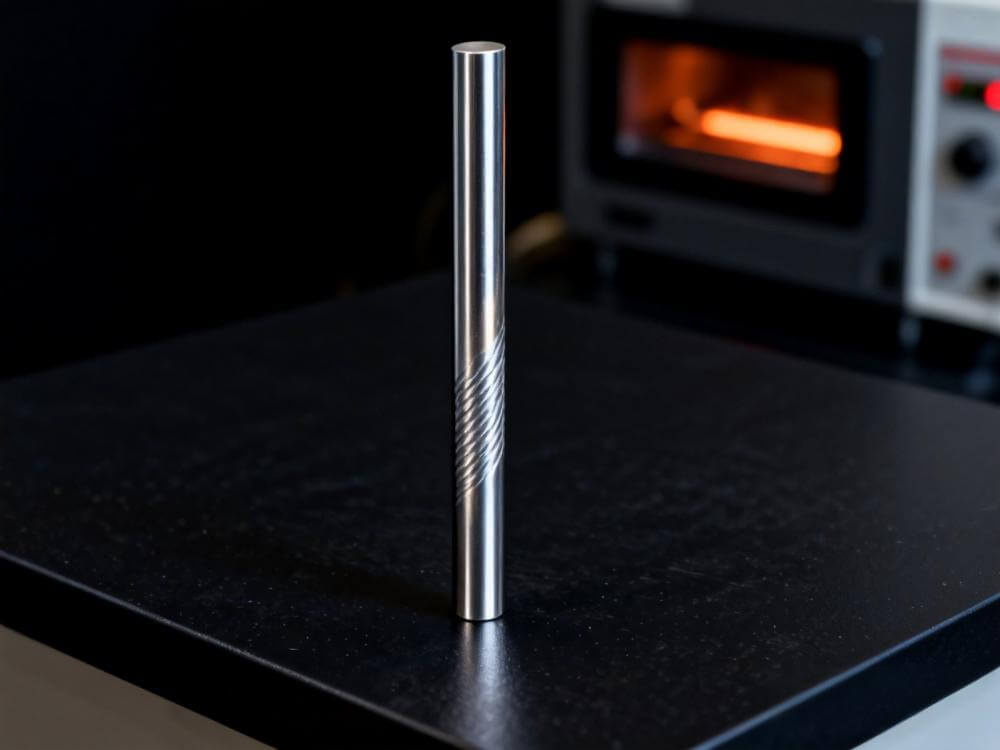
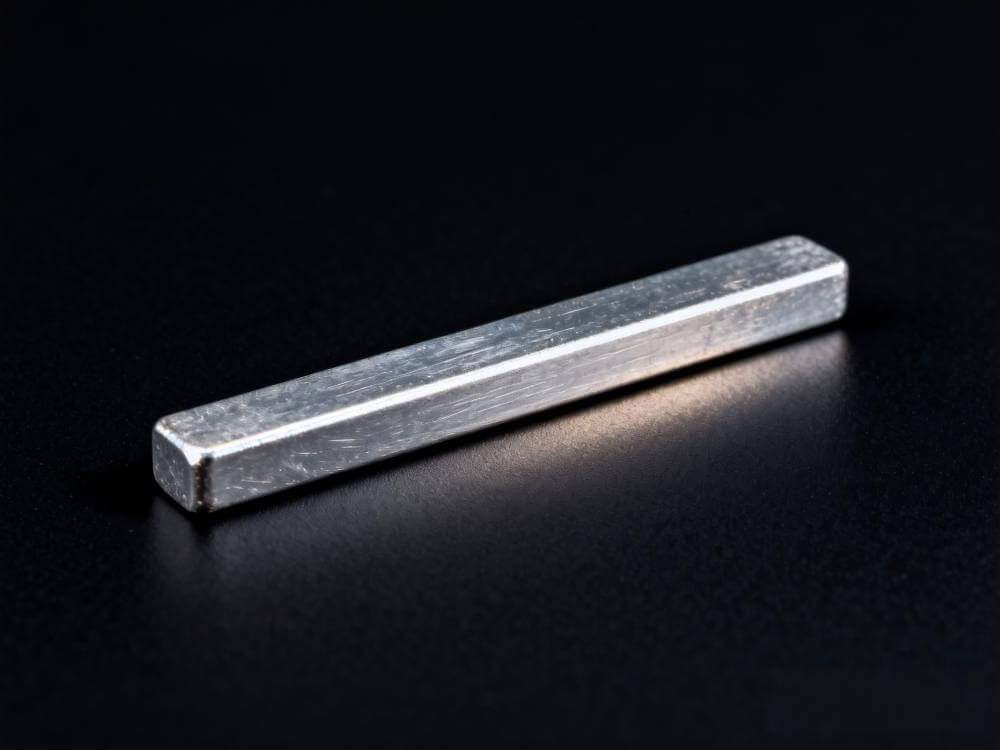
Antimon adalah logam berwarna putih keperakan yang umumnya berasosiasi dengan emas, banyak digunakan dalam aplikasi militer seperti amunisi, kacamata penglihatan malam, dan sensor inframerah, yang menyumbang 15% dari total permintaan. Penggunaan lainnya meliputi bahan tahan api, energi nuklir, dan energi terbarukan.
"Antimon adalah logam minor yang serbaguna," kata Schulz. "Pasokan antimon sangat terkonsentrasi, dan Eropa hampir sepenuhnya bergantung pada impor."
Inilah sebabnya MMC telah mempromosikan proyek Trojarova kepada investor sebagai peluang signifikan di Eropa, yang mampu memasok ingot antimon langsung kepada klien pertahanan nasional.
CEO MMC Eldridge Scott mengatakan pabrik peleburan di Jerman dan Swedia dapat memproses bijih dari proyek tersebut, membantu Eropa membangun seluruh rantai pasokan antimon dari penambangan hingga pemrosesan.
Tambang yang terletak di dekat kota anggur Pezinok di barat daya Slovakia ini pertama kali ditemukan dan ditambang oleh Uni Soviet. Meskipun tambang sepanjang 1,7 kilometer ini kemudian ditinggalkan, tambang ini tetap menjadi salah satu deposit antimon paling signifikan di Eropa.
MMC terlalu kecil untuk melanjutkan produksi di tambang tersebut secara mandiri dan perlu berinvestasi bersama mitra serta membangun pabrik peleburan. Jika produksi dilanjutkan dalam dua hingga tiga tahun, tambang tersebut dapat memproduksi 6.000 mt antimon per tahun, memenuhi sepertiga kebutuhan Eropa.
Namun, perusahaan dengan kapitalisasi pasar kurang dari $30 juta ini membutuhkan pendanaan yang substansial.
Selain itu, harga mineral kritis rentan terhadap fluktuasi tajam, dan bahkan di pasar seperti litium, beberapa proyek besar terhenti karena perusahaan tambang mencari pendanaan pemerintah.
Seberapa pun tingginya kualitas proyek perusahaan ini, Eropa masih kekurangan pendanaan dan tekad untuk memastikan pengembangan sumber daya ini. Dana bahan baku Jerman sendiri sebesar 1 miliar euro sejauh ini hanya mendukung dua proyek, menciptakan lebih banyak hambatan bagi perusahaan untuk memenuhi syarat daripada yang dihilangkannya.
Komisi Eropa dan negara-negara anggotanya telah menandatangani berbagai nota kesepahaman dengan negara-negara produsen. Misalnya, Spanyol mencapai kesepakatan dengan Brasil bulan lalu. Namun, perjanjian AS dengan negara-negara tersebut lebih besar dalam skala pendanaan dan berkembang lebih cepat.
Perjanjian pemerintah AS dengan UE mencerminkan apa yang disebut batas harga minimum untuk melindungi operasi produsen. Negara-negara Eropa selama ini ragu-ragu, tetapi terkadang tidak punya pilihan selain menyetujui proposal AS.
Sementara itu, momentum untuk tindakan UE sebagian besar telah tergantikan oleh krisis lain yang lebih mendesak. Sebaliknya, meskipun pemerintah AS baru-baru ini berfokus pada konflik seperti perang Iran, tim pembantu presiden sibuk mengidentifikasi proyek mineral dan mengajukan penawaran untuk mengamankannya.
Sebuah perusahaan AS telah mendekati MMC untuk meminta kunjungan lapangan ke proyek Trojarova. Sementara itu, lembaga investasi pemerintah AS bulan lalu menyetujui kesepakatan senilai $5 juta untuk memulai kembali tambang antimon lain yang ditutup di Makedonia Utara.
Presiden MMC Hüser Thomas berharap Trojarova tidak akan menghadapi nasib serupa. Warga negara Jerman yang sebelumnya menjadi manajer di Glencore ini bergabung dengan perusahaan tahun ini.
"Yang masih kami kurang bukan rencana, tetapi pelaksanaan," katanya. "Strategi bahan baku Eropa tetap terfragmentasi, lambat, dan sering kali terputus dari realitas industri.""