1 Market Review
1 Dolomite
This week, the ex-factory price excluding tax for 1-3 cm dolomite (Wutai) was 108 yuan/mt, flat WoW, while the ex-factory price excluding tax for 2-4 cm dolomite (Wutai) was 138 yuan/mt, also flat WoW.
This week, the dolomite market in China remained generally stable. In terms of supply, dolomite production in the Wutai area was still suspended, with supply supplemented by stone plants in surrounding counties and districts to ensure market supply. Demand side, primary magnesium smelters in major producing areas such as Shaanxi and Shanxi maintained stable operations, providing solid support for dolomite. The current market was basically in supply-demand balance, and dolomite ex-factory prices are expected to remain stable in the short term. However, affected by rising international crude oil prices, logistics and transportation costs across all links increased somewhat, and dolomite delivered prices may rise slightly later.
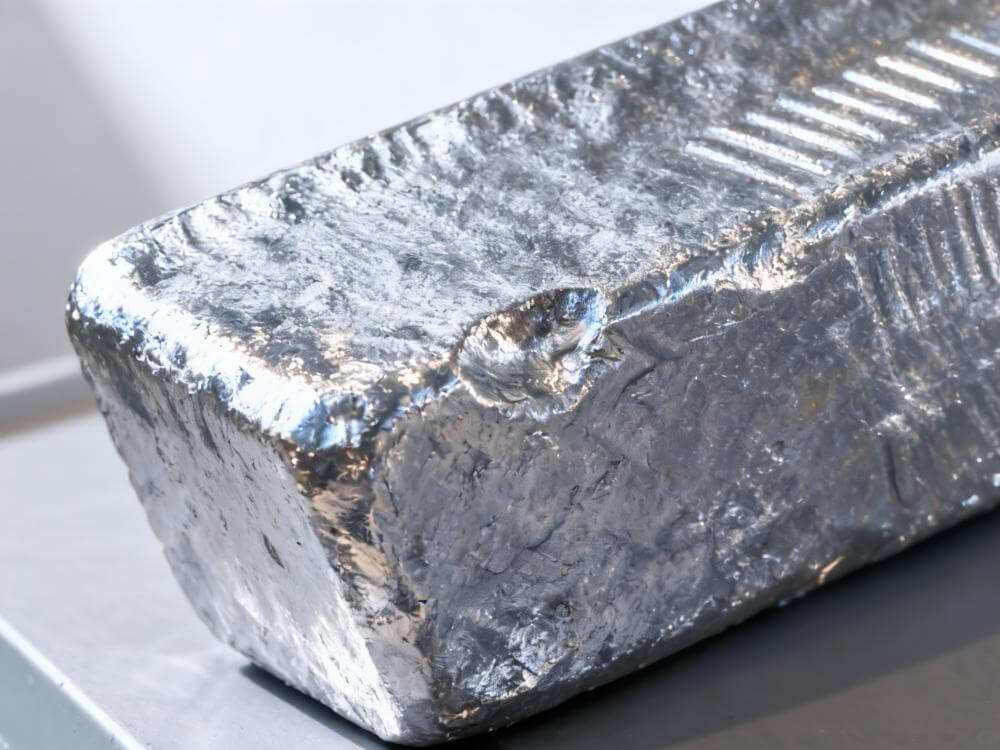
1.2.1 Magnesium Ingot (Fugu, Shenmu - Major Producing Areas)
This week, magnesium prices rose at high levels. As of publication, the mainstream transaction prices of 99.90% magnesium ingot in the major producing areas climbed to 17,500 yuan/mt, up 450 yuan/mt WoW.
This week, magnesium prices in the major producing areas held up well. Looking back at this week's magnesium market, news of the closure of the Strait of Hormuz emerged at the beginning of the week, and escalating geopolitical tensions pushed up bullish expectations for energy. Primary magnesium smelters showed strong reluctance to sell, and available market cargoes stayed at low levels. On the demand side, domestic trade demand from sponge titanium, magnesium powder, magnesium alloy and other sectors entered the market in time for just-in-time restocking, while some export orders were also locked in promptly, providing bottom support to the market. In addition, an industry conference along the magnesium industry chain boosted sentiment, and speculative demand entered the market, driving prices sharply higher. Overall, the magnesium market saw strong production and sales this week, with prices rising steadily.
1.2.2 Magnesium Ingot (Tianjin Port - China FOB)
This week, China FOB prices were reported at $2,480-2,580/mt, with an average price of $2,530/mt. This week, magnesium ingot FOB quotations were gradually raised along with the increase in ex-factory prices.
At the beginning of this week, some long-term export orders were concluded, boosting demand in markets outside China. However, transaction price competition was intense early in the week, and mainstream magnesium ingot FOB transaction prices were concentrated at $2,440-2,480/mt. The main reason was that traders held a certain amount of low-priced inventory and competed to ship goods in order to win orders, resulting in relatively low transaction prices. After Wednesday, as ex-factory prices were gradually pushed higher, market quotations were raised somewhat, but new orders decreased accordingly.
1.3 Magnesium Powder
This week, the mainstream tax-included ex-factory prices of 20-80 mesh magnesium powder in China were 18,550-18,750 yuan/mt; China FOB prices were $2,670-2,710/mt.
This week, magnesium powder prices continued their firm trend. Supported by the continued increase in raw material magnesium ingot prices, cost support strengthened, and magnesium powder prices consolidated at high levels. In terms of supply, the operating rate of magnesium plants increased significantly in March, providing strong support to the overall magnesium market. In terms of demand, the domestic trade market was mainly driven by restocking based on demand, while export orders increased significantly in March, and overall demand recovered markedly. Recently, magnesium powder enterprises significantly increased their procurement volumes of magnesium ingot, further strengthening demand momentum on the raw material side.
1.4 Magnesium Alloy
This week, the mainstream tax-included ex-factory prices of magnesium alloy in China were 19,550-19,750 yuan/mt, and the mainstream FOB prices of magnesium alloy in China were $2,910-2,970/mt.
This week, magnesium alloy prices generally remained stable, while low-priced cargoes appeared periodically in the market. In terms of supply, the operating rate of top-tier magnesium alloy enterprises rebounded steadily. Coupled with the gradual commissioning of new capacity, market supply increased significantly, and the room for negotiated discounts on some spot orders widened somewhat. In terms of demand, downstream die-casting enterprises had gradually digested their pre-holiday inventory and mainly restocked for rigid demand, with market transactions remaining moderate. Overall, the current magnesium alloy market showed a pattern of strong supply and weak demand, and magnesium alloy prices are expected to remain in the doldrums.
2 Weekly Summary
This week, China's magnesium industry chain generally held up well. On the raw material side, the dolomite market remained stable, with some production suspensions in core producing areas offset by supplementary supply from surrounding regions, while stable operations at downstream primary magnesium smelters supported demand and kept supply and demand in balance; affected by rising crude oil prices, delivered prices may rise slightly later. The magnesium ingot market was strong, with robust production and sales in the major producing areas. Geopolitical disruptions pushed up energy expectations, leading producers to hold back sales and tightening cargo availability. Downstream rigid demand, export order lock-ins, and support from the industry conference jointly boosted magnesium prices. Offshore quotations adjusted with ex-factory prices, while low-priced competitive shipments at the beginning of the week gave way to a later rebound, though new orders decreased. Magnesium powder remained firm, supported by rising magnesium ingot prices, while higher operating rates at magnesium plants ensured supply and recovering domestic and export demand provided support. The magnesium alloy market was strong, with stable operations at top-tier enterprises, new capacity coming on stream, downstream end-use demand being released, ample orders, and supply-demand balance.