

4 Februari — Kontrak SM2605 dibuka pada 5.842 yuan/ton dan ditutup pada 5.868 yuan/ton, naik 0,31%. Harga tertinggi hari ini adalah 5.880 yuan/ton, dan harga terendah adalah 5.826 yuan/ton. Volume perdagangan mencapai 118.900 lot, dan posisi terbuka sebanyak 354.221 lot. Hari ini, berjangka SiMn sedikit menguat di bawah tekanan. Dari sisi biaya, harga transaksi bijih mangan secara keseluruhan tetap tinggi dan pasar sementara stabil, memberikan dukungan biaya yang kuat untuk harga paduan SiMn. Dukungan biaya dari harga listrik di Mongolia Dalam dan Tiongkok selatan untuk produksi paduan pada 2026 masih dalam verifikasi, tetapi kenaikan dianggap mungkin terjadi. Di awal pekan, dukungan biaya paduan SiMn tetap stabil. Dari sisi pasokan, tungku SiMn baru di daerah produksi utama utara secara bertahap mulai memproduksi besi, meningkatkan tekanan pasokan untuk SiMn standar. Tingkat operasi pabrik paduan di Tiongkok selatan tetap stabil pada level rendah. Dampak kebijakan biaya listrik 2026 di Guangxi dan Guizhou memerlukan verifikasi, dengan sebagian besar pabrik masih mempertahankan produksi di luar jam sibuk. Ditambah dengan mendekatnya Tahun Baru Imlek, banyak produsen memilih menghentikan produksi sementara, mengadopsi sikap menunggu dan melihat menunggu harga penyelesaian listrik pasca-libur. Saat ini, tekanan pasokan longgar untuk SiMn masih berlanjut. Dari sisi permintaan, pengadaan SiMn Grup HBIS untuk Februari 2026 menunggu konfirmasi. Pasar SiMn saat ini terus didominasi oleh pergerakan yang fluktuatif.
Futures SiMn berfluktuasi dengan tren naik, dan sentimen wait-and-see pasar masih kuat [Tinjauan Futures SiMn SMM]
2.4 Berita: Kontrak SM2605 dibuka pada 5.842 yuan/ton dan akhirnya ditutup pada 5.868 yuan/ton, naik 0,31%. Harga tertinggi harian adalah 5.880 yuan/ton dan harga terendah 5.826 yuan/ton. Volume perdagangan mencapai 118.900 lot, dan posisi terbuka sebanyak 354.221 lot. Hari ini, futures SiMn sedikit menguat di bawah tekanan. Dari sisi biaya, harga transaksi bijih mangan secara keseluruhan tetap tinggi dan pasar sementara stabil, memberikan dukungan biaya yang kuat untuk harga paduan SiMn. Pada 2026, dukungan biaya dari harga listrik lokal di Mongolia Dalam dan harga listrik di China selatan untuk biaya paduan sedang dalam verifikasi, tetapi kenaikan kemungkinan terjadi. Di awal pekan, dukungan biaya paduan SiMn sementara stabil. Dari sisi pasokan, tungku SiMn baru di daerah produksi utama utara secara bertahap mulai memproduksi besi, meningkatkan tekanan pasokan untuk SiMn standar. Tingkat operasi pabrik paduan di China selatan tetap stabil pada level rendah. Pada 2026, intensitas kebijakan biaya listrik di Guangxi dan Guizhou menunggu verifikasi; sebagian besar pabrik mempertahankan produksi di luar jam sibuk. Menjelang Tahun Baru Imlek, produsen memilih penghentian sementara, mengadopsi sikap wait-and-see yang kuat, menunggu harga penyelesaian listrik pasca-libur. Saat ini, tekanan pasokan longgar untuk SiMn masih berlanjut. Dari sisi permintaan, pengadaan SiMn Grup HBIS untuk Februari 2026 menunggu verifikasi. Pasar SiMn saat ini terus didominasi oleh pergerakan yang fluktuatif.
Pernyataan Sumber Data: Kecuali informasi yang tersedia untuk publik, semua data lainnya diproses oleh SMM berdasarkan informasi publik, komunikasi pasar, dan mengandalkan model database internal SMM. Hanya untuk referensi dan tidak menjadi rekomendasi pengambilan keputusan.
Untuk pertanyaan atau informasi lebih lanjut, silakan hubungi: lemonzhao@smm.cn
Untuk informasi lebih lanjut tentang cara mengakses laporan penelitian kami, hubungi:service.en@smm.cn
Berita Terkait
7 jam yang lalu
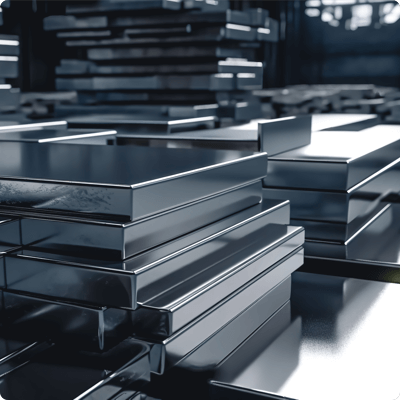
6.4 Laporan Harian Baja Global SMM
Read More
6.4 Laporan Harian Baja Global SMM
Pasar Ekspor Baja Tiongkok:
[Pelat & Lembaran] Hari ini, harga ekspor HRC terus turun 2 USD/ton secara harian, dengan harga transaksi di 496-504 USD/ton. Harga futures domestik turun, dan aktivitas permintaan pasar agak melemah. Pedagang domestik melaporkan bahwa penawaran tanpa pajak muncul di beberapa pasar wilayah utara, dan kemacetan di beberapa pelabuhan masih berlanjut.
[Billet Baja] Hari ini, harga ekspor billet persegi berada di 473-475 USD/ton, turun tipis 1 USD/ton dibanding hari sebelumnya. Baru-baru ini, penawaran pasar wilayah utara cenderung tinggi, namun sumber daya berharga tinggi gagal mencapai kesepakatan. Selain itu, permintaan dari luar Tiongkok melemah, dengan pembeli mengambil sikap tunggu dan lihat, dan harga permintaan tetap 3-5 USD/ton di bawah harga pasar.
[Baja Tulangan] Hari ini, penawaran ekspor baja tulangan turun tipis 1 USD/ton. Menurut beberapa pelaku pasar, aktivitas permintaan baja tulangan lemah dengan transaksi yang lesu, dan beberapa pabrik baja berencana merambah pasar luar Tiongkok untuk mencari peluang pengambilan pesanan baru.
7 jam yang lalu
7 jam yang lalu
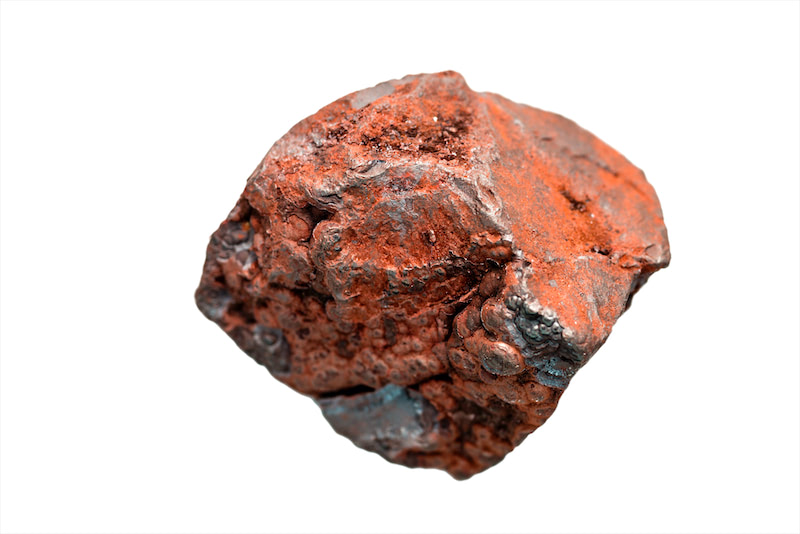
Laporan Harian Bijih Besi MMi (4 Juni)
Read More
Laporan Harian Bijih Besi MMi (4 Juni)
Futures bijih besi DCE melemah hari ini. Kontrak teraktif I2609 ditutup pada 767 yuan/mt, turun 1,85% dari sesi perdagangan sebelumnya. Harga spot pelabuhan turun 6-11 yuan/mt dari hari sebelumnya.
7 jam yang lalu
![Harga Batu Bara Silikon Naik Sedikit, Sentimen Perdagangan di Pasar Logam Silikon Meningkat [Tinjauan Mingguan Industri Silikon SMM]](https://imgqn.smm.cn/usercenter/GGaSo20251217171716.jpg)
8 jam yang lalu
Harga Batu Bara Silikon Naik Sedikit, Sentimen Perdagangan di Pasar Logam Silikon Meningkat [Tinjauan Mingguan Industri Silikon SMM]
Read More
Harga Batu Bara Silikon Naik Sedikit, Sentimen Perdagangan di Pasar Logam Silikon Meningkat [Tinjauan Mingguan Industri Silikon SMM]
[Harga Batu Bara Silikon Naik Sedikit, Sentimen Permainan Perdagangan Meningkat di Pasar Silikon Metal]: Dari sisi pasokan, tingkat operasi perusahaan silikon di wilayah utara pada dasarnya stabil, sementara tingkat operasi perusahaan silikon di wilayah barat daya secara bertahap membaik. Seiring wilayah barat daya memasuki musim hujan secara berturut-turut dengan harga listrik yang disesuaikan turun, sejumlah kecil perusahaan silikon melanjutkan produksi atau meningkatkan operasi, namun laju pelepasan produksi relatif lambat. Dari sisi biaya, meskipun biaya musim hujan di barat daya disesuaikan turun secara periodik, biaya regional saat ini masih lebih tinggi dibandingkan perusahaan silikon di utara yang sedang berproduksi. Oleh karena itu, kenaikan harga bahan baku batu bara silikon memberikan dukungan biaya yang kuat di bawah harga silikon metal, sementara harga di atas dibatasi oleh hubungan penawaran-permintaan. Silikon metal berada dalam fase permainan perdagangan, dengan perhatian pada perubahan sentimen pasar.
8 jam yang lalu
Berita Terkait
6.4 Laporan Harian Baja Global SMM
Jun 04, 2026 18:33
Laporan Harian Bijih Besi MMi (4 Juni)
Jun 04, 2026 18:01
Harga Batu Bara Silikon Naik Sedikit, Sentimen Perdagangan di Pasar Logam Silikon Meningkat [Tinjauan Mingguan Industri Silikon SMM]
Jun 04, 2026 17:34
[SMM Perdagangan Harian Hot-Rolled Coil] Perdagangan Spot Terus Melemah
Jun 04, 2026 17:28
Daftar untuk Lanjut Membaca
Dapatkan akses ke wawasan terkini tentang logam dan energi baru
Sudah memiliki akun?masuk di sini