Munculnya Penambangan Logam Asteroid
Memahami Teknologi Penambangan Logam Asteroid
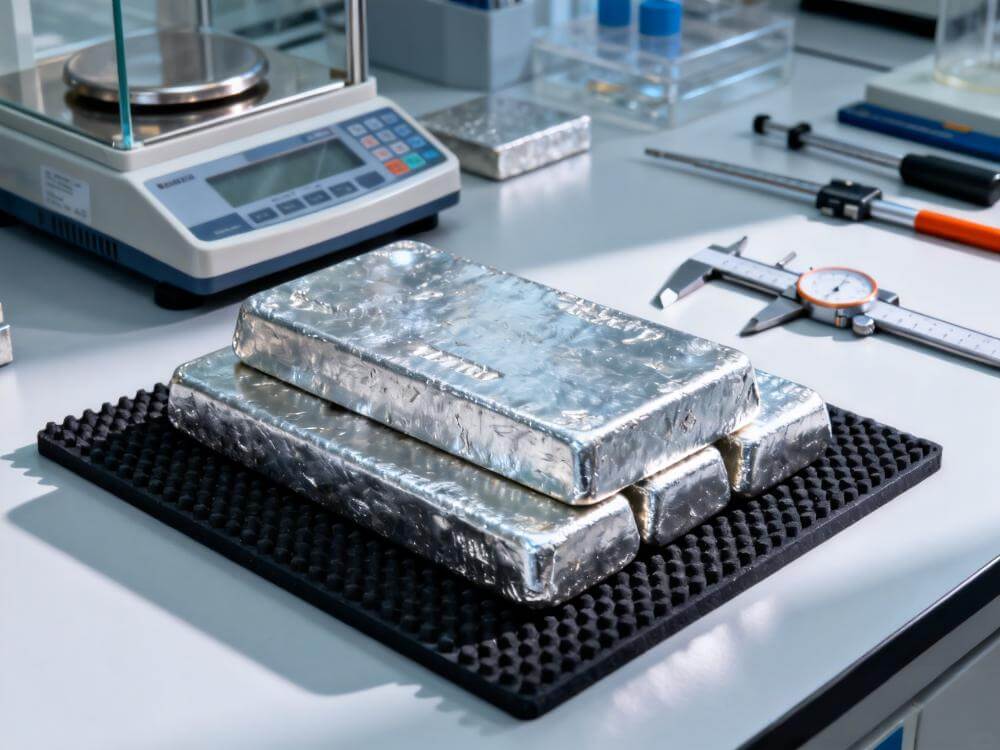
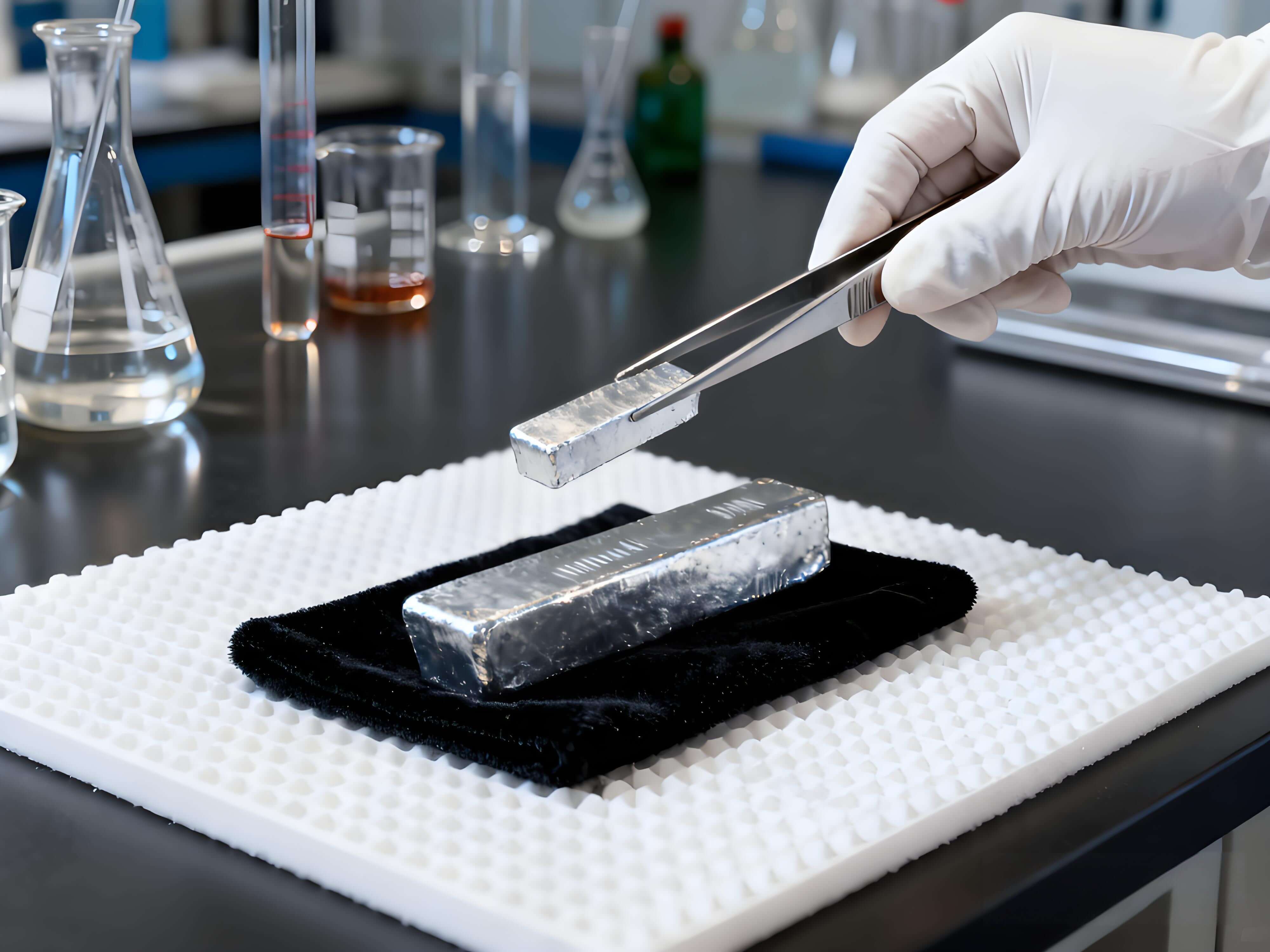
Penambangan logam asteroid adalah langkah baru yang berani. Ini mengambil bahan berharga seperti platinum, nikel, kobalt, dan emas dari batu angkasa. Berbeda dengan penambangan di Bumi, ini menggunakan robot canggih, AI, dan pesawat ruang angkasa terbang sendiri. Mereka mencari dan mengambil material dari asteroid.
Proses dimulai dengan menemukan asteroid bagus. Teleskop dan probe melakukan tugas ini. Kemudian, pesawat ruang angkasa memeriksa isinya. Alat seperti spektroskopi optik dan fluoresensi sinar-X mendeteksi logam. Setelah itu, robot atau bor menggali. Material diproses di luar angkasa atau dikirim ke Bumi.
Pemain Utama dalam Industri Penambangan Asteroid
Beberapa nama besar memimpin. Planetary Resources dan Deep Space Industries memulainya. Mereka membangun teknologi untuk menemukan dan menambang asteroid dekat Bumi. Mereka menghadapi hambatan tetapi menyiapkan panggung.
Pemerintah juga terlibat. NASA dan Badan Antariksa Eropa (ESA) turut andil. Misi OSIRIS-REx NASA mempelajari asteroid. Mereka juga mengecek nilai sumber dayanya. Perusahaan besar seperti SpaceX melirik penambangan ruang angkasa. Ini sesuai rencana mereka untuk koloni luar angkasa. Pemain publik dan swasta menunjukkan tarikan bidang ini semakin kuat.
Peran Cetak 3D dalam Penambangan Ruang Angkasa
Cetak 3D mengubah permainan. Ini memungkinkan penambang membuat alat, suku cadang, atau bahkan bangunan langsung di luar angkasa. Mereka menggunakan logam asteroid sebagai bahan baku. Ini mengurangi kebutuhan pengiriman dari Bumi. Menghemat biaya dan lebih ramah lingkungan.
Contohnya, logam asteroid bisa memberi makan printer untuk membangun bagian pesawat ruang angkasa atau rumah astronot. Ini menurunkan biaya transportasi. Juga membuat perjalanan luar angkasa jangka panjang lebih mungkin.
Potensi Ekonomi Logam Asteroid
Nilai Pasar Logam Berharga dan Strategis dari Luar Angkasa
Asteroid kaya akan logam mahal. Satu batu bisa mengandung triliunan rupiah logam grup platinum. Tidak hanya sumber uang. Mereka penting untuk elektronik, energi hijau, dan penerbangan antariksa.
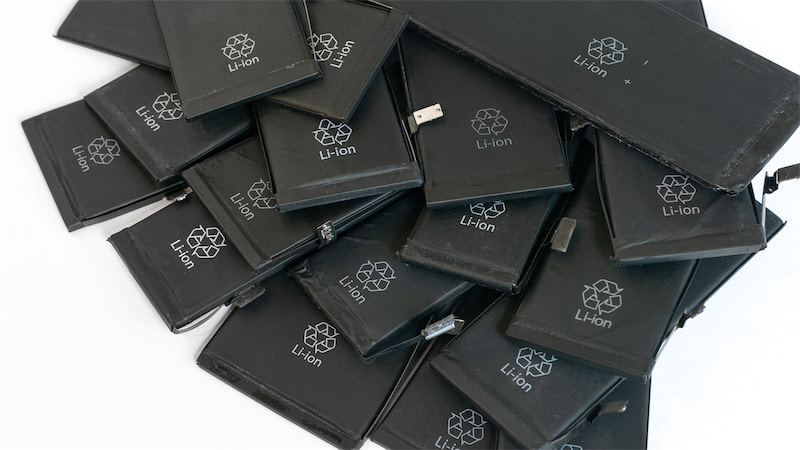
Logam seperti nikel dan kobalt menggerakkan baterai kendaraan listrik. Dengan meningkatnya kendaraan listrik, logam luar angkasa bisa menjadi jalur pasokan utama.
Perbandingan Sumber Daya Logam Terestrial dan Ekstraterrestrial
Logam Bumi terbatas. Banyak berasal dari wilayah tidak stabil. Ini membuat rantai pasokan goyah. Logam luar angkasa? Hampir tak terbatas. Tidak ada politik yang mengganggu.
Penambangan Bumi merusak alam. Menyebabkan deforestasi dan pencemaran air. Penambangan luar angkasa melewati semua itu. Bekerja di luar planet. Tetapi butuh dana besar awal untuk teknologi dan setup.
Bagaimana Logam Asteroid Dapat Mempengaruhi Harga Komoditas
Logam luar angkasa bisa mengguncang pasar. Banjir platinum mungkin menurunkan harga. Bagus bagi pembeli dan industri. Tetapi sulit bagi penambang Bumi. Mereka kesulitan bersaing dengan biaya rendah luar angkasa.
Implikasi Strategis untuk Pasar Global
Perubahan Rantai Pasokan dengan Logam dari Luar Angkasa
Logam luar angkasa bisa membalikkan rantai pasokan. Perusahaan bisa melewatkan tambang Bumi. Ini mengurangi risiko dari perang atau kekurangan.
Penambangan luar angkasa mungkin memicu bisnis baru. Misalnya pabrik luar angkasa atau pengiriman off-world. Ini berarti memikirkan ulang cara barang bergerak.
Potensi Gangguan pada Industri Penambangan Tradisional
Penambangan Bumi bisa terpukul. Jika logam luar angkasa lebih murah, permintaan untuk tambang darat mungkin anjlok.
Ini bisa mengurangi pekerjaan di penambangan tradisional. Tetapi membuka pintu di bidang seperti teknik robot atau teknologi luar angkasa.
Peluang bagi Ekonomi Baru di Era Penambangan Luar Angkasa
Ekonomi baru bisa ikut. Mereka mungkin bekerja sama dengan pemain besar. Atau fokus pada keterampilan niche seperti membangun satelit atau menganalisis data asteroid.
Negara yang bertaruh pada pendidikan luar angkasa sekarang bisa memimpin nanti. Memberi mereka keunggulan saat penambangan berkembang.
Kemajuan Lingkungan dan Teknologi
Manfaat Lingkungan Penambangan Luar Angkasa dibanding Metode Berbasis Bumi
Penambangan luar angkasa lebih baik bagi Bumi. Penambangan darat merusak hutan dan sungai. Mencemari air. Penambangan luar angkasa? Di luar planet. Tidak ada ekosistem yang rusak.
Asteroid memiliki banyak logam seperti platinum dan kobalt. Mengambilnya dari luar angkasa mengurangi tekanan pada stok terbatas Bumi. Menjaga pasokan stabil selama bertahun-tahun.
Inovasi yang Mendorong Kelayakan Ekstraksi Logam Asteroid
Teknologi membuat penambangan luar angkasa nyata. Pesawat ruang angkasa cerdas dengan AI mencari asteroid cepat. Alat seperti spektroskopi optik memeriksa isinya tanpa menyentuh.
Robot dibuat untuk luar angkasa menangani gravitasi rendah. Mereka menggali tanpa membuang-buang. Mesin yang lebih baik mengurangi biaya perjalanan. Memudahkan pengangkutan logam. Lompatan ini mengubah mimpi menjadi rencana.
Peran Energi Terbarukan dalam Mendukung Operasi Penambangan Luar Angkasa
Energi hijau mendorong penambangan luar angkasa. Panel surya menangkap sinar matahari tak terbatas di luar angkasa. Mereka menjalankan bor dan sistem tanpa bahan bakar.
Teknologi penyimpanan baru menyimpan energi surya ekstra. Siap untuk waktu sibuk atau tempat gelap. Ini meningkatkan efisiensi. Menjaga penambangan tetap hijau dan memenuhi tujuan ekologi global.
Tantangan dan Risiko Penambangan Logam Asteroid
Tantangan Teknis dalam Ekstraksi dan Transportasi Logam dari Luar Angkasa
Menambang di luar angkasa sulit. Gravitasi rendah mengacaukan peralatan. Robot harus menempel erat pada asteroid. Mereka harus menggali atau mengbor dengan presisi.
Mengirim logam pulang juga sulit. Pesawat ruang angkasa butuh mesin kuat. Mereka membawa beban berat jauh. Masuk kembali atmosfer Bumi berisiko. Panas dan tekanan membutuhkan desain tangguh.
Isu Regulasi dan Hukum tentang Sumber Daya Luar Angkasa
Hukum luar angkasa kabur. Traktat Luar Angkasa melarang kepemilikan asteroid. Tetapi diam tentang hak penambangan. Siapa yang memiliki logam? Siapa yang membagi keuntungan? Belum jelas.
Beberapa negara membuat aturan sendiri. Tetapi tidak ada kesepakatan global. Ini bisa memicu pertarungan atas sumber daya.
Risiko Ekonomi yang Berkaitan dengan Volatilitas Pasar
Arus kas penambangan luar angkasa bergantung pada pasar Bumi. Terlalu banyak logam bisa menurunkan harga. Itu bagus bagi pembeli tetapi merugikan penambang Bumi.
Biaya awal sangat besar. Fluktuasi harga atau masalah teknis bisa menunda keuntungan. Perusahaan mungkin kesulitan balik modal.
Outlook Masa Depan: Penambangan Logam Asteroid pada 2040
Prediksi Integrasi Logam Luar Angkasa ke Pasar Global
Pada 2040, logam luar angkasa bisa jadi normal. Perusahaan teknologi dan energi hijau akan suka aliran kobalt dan nikel yang stabil. Ini mengurangi ketergantungan pada sumber Bumi berisiko.
Seiring biaya turun, logam luar angkasa mungkin masuk konstruksi atau transportasi. Mereka akan mengubah cara kerja perdagangan global.
Dampak Jangka Panjang pada Aplikasi Industri dan Pengembangan Teknologi
Logam luar angkasa murah akan memicu ide baru. Teknologi baterai bisa melompat dengan lebih banyak kobalt. Aerospace mungkin menggunakan logam asteroid ringan dan kuat untuk kapal yang lebih baik.
SMM Information & Technology Co., Ltd. menawarkan solusi kustom untuk kebutuhan masa depan ini.
Pertanyaan yang Sering Diajukan (FAQ)
Apa yang membuat penambangan logam asteroid bermanfaat lingkungan?
Melewati masalah Bumi. Tidak ada kehilangan hutan atau pencemaran air. Semua dilakukan di luar planet.
Bagaimana kemajuan teknologi mendukung ekstraksi logam asteroid?
Kapal AI dan robot luar angkasa menggali dengan presisi. Mereka bekerja di gravitasi rendah.
Apa tantangan hukum seputar penambangan logam asteroid?
Traktat luar angkasa tidak menjelaskan siapa yang memiliki logam yang ditambang. Menimbulkan kebingungan.
Bagaimana logam dari asteroid mungkin mempengaruhi pasar komoditas?
Pasokan lebih banyak bisa menurunkan harga. Membantu pengguna tetapi menantang penambang Bumi.
Pelajari lebih lanjut tentang pasar logam dengan Shanghai Metals Market (SMM). Mereka menyediakan harga global, analisis, dan konsultasi.