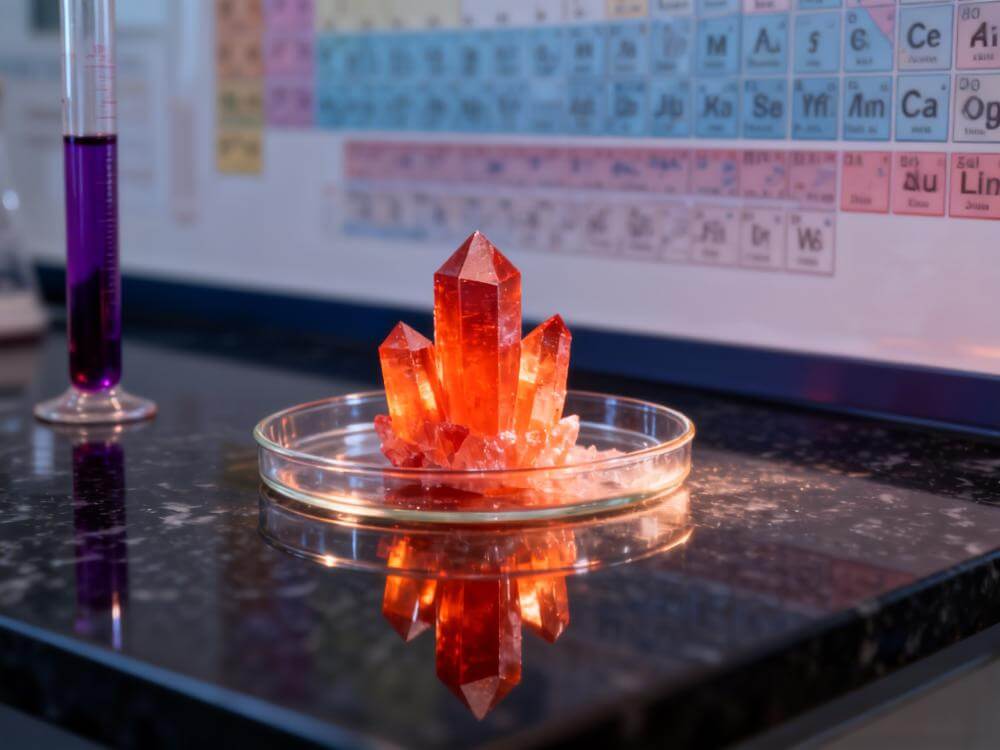
【SMM Analysis:Production Methods of Manganese-Rich Slag.】

Telah Terbit: Nov 29, 2024 18:40
Sumber: SMM
【SMM Analysis:Production Methods of Manganese-Rich Slag.】Manganese-rich slag is an important metallurgical raw material widely used in the steel, chemical, and battery industries. There are various production methods for manganese-rich slag, and this article will introduce several common methods sequentially. 1. High-Temperature Calcination Method The high-temperature calcination method is one of the commonly used methods for producing manganese-rich slag. First, manganese ore is crushed and ground into fine powder, then mixed evenly with an appropriate amount of coke. Next, the mixture is placed in a furnace and subjected to high-temperature calcination, where the coke reduces the manganese oxide in the ore, producing manganese-rich slag. Finally, after cooling and crushing, the finished manganese-rich slag that meets the requirements is obtained. 2. Hydrometallurgy Method The hydrometallurgy method is also a common method for producing manganese-rich slag. This method utilizes the solubility of manganese ore in acidic solutions to extract manganese elements from the ore through acid leaching. First, the manganese ore is crushed and ground, then reacted with dilute sulphuric acid or dilute hydrochloric acid. Under appropriate temperature and pressure, the manganese elements in the ore dissolve into the solution, forming a manganese salt solution. Next, through processes such as precipitation and filtration, the manganese elements in the manganese salt solution are precipitated out, resulting in the finished manganese-rich slag. 3. Electrolysis Method The electrolysis method is a relatively new method for producing manganese-rich slag. This method uses electrolysis technology to reduce and precipitate the manganese elements in the manganese salt solution, forming manganese-rich slag. First, the manganese salt solution is used as the electrolyte and placed in an electrolytic cell. Then, through the action of electric current, the manganese elements in the solution are reduced and precipitated onto the cathode, forming manganese-rich slag. Finally, after drying and crushing, the finished manganese-rich slag that meets the requirements is obtained. 4. Smelting Method The smelting method is suitable for producing manganese-rich slag from high-grade manganese ore. First, the high-grade manganese ore is mixed evenly with an appropriate amount of coke and limestone flux. Then, the mixture is placed in a furnace and subjected to high-temperature smelting, where the flux reduces the manganese oxide in the ore, producing manganese-rich slag. Finally, after cooling and crushing, the finished manganese-rich slag that meets the requirements is obtained. Among the main production methods of manganese-rich slag mentioned above, each method has its applicable fields and characteristics. Choosing the appropriate production method can not only improve the production and quality of manganese-rich slag but also reduce production costs and increase production efficiency. With continuous technological advancements, the production methods of manganese-rich slag are also being innovated and improved, bringing more possibilities for the industry's development. In summary, the production methods of manganese-rich slag include high-temperature calcination, hydrometallurgy, electrolysis, and smelting. Each method has its unique advantages and applicable scope, and the appropriate method can be chosen based on specific circumstances. As an important metallurgical raw material, manganese-rich slag holds significant importance in the steel, chemical, and battery industries. Through scientific production methods and technological means, high-quality and high-efficiency manganese-rich slag products can be produced, promoting the development of related industries.

Manganese-rich slag is an important metallurgical raw material widely used in the steel, chemical, and battery industries. There are various production methods for manganese-rich slag, and this article will introduce several common methods sequentially.


1. High-Temperature Calcination Method

The high-temperature calcination method is one of the commonly used methods for producing manganese-rich slag. First, manganese ore is crushed and ground into fine powder, then mixed evenly with an appropriate amount of coke. Next, the mixture is placed in a furnace and subjected to high-temperature calcination, where the coke reduces the manganese oxide in the ore, producing manganese-rich slag. Finally, after cooling and crushing, the finished manganese-rich slag that meets the requirements is obtained.


2. Hydrometallurgy Method

The hydrometallurgy method is also a common method for producing manganese-rich slag. This method utilizes the solubility of manganese ore in acidic solutions to extract manganese elements from the ore through acid leaching. First, the manganese ore is crushed and ground, then reacted with dilute sulphuric acid or dilute hydrochloric acid. Under appropriate temperature and pressure, the manganese elements in the ore dissolve into the solution, forming a manganese salt solution. Next, through processes such as precipitation and filtration, the manganese elements in the manganese salt solution are precipitated out, resulting in the finished manganese-rich slag.


3. Electrolysis Method

The electrolysis method is a relatively new method for producing manganese-rich slag. This method uses electrolysis technology to reduce and precipitate the manganese elements in the manganese salt solution, forming manganese-rich slag. First, the manganese salt solution is used as the electrolyte and placed in an electrolytic cell. Then, through the action of electric current, the manganese elements in the solution are reduced and precipitated onto the cathode, forming manganese-rich slag. Finally, after drying and crushing, the finished manganese-rich slag that meets the requirements is obtained.


4. Smelting Method

The smelting method is suitable for producing manganese-rich slag from high-grade manganese ore. First, the high-grade manganese ore is mixed evenly with an appropriate amount of coke and limestone flux. Then, the mixture is placed in a furnace and subjected to high-temperature smelting, where the flux reduces the manganese oxide in the ore, producing manganese-rich slag. Finally, after cooling and crushing, the finished manganese-rich slag that meets the requirements is obtained.


Among the main production methods of manganese-rich slag mentioned above, each method has its applicable fields and characteristics. Choosing the appropriate production method can not only improve the production and quality of manganese-rich slag but also reduce production costs and increase production efficiency. With continuous technological advancements, the production methods of manganese-rich slag are also being innovated and improved, bringing more possibilities for the industry's development.


In summary, the production methods of manganese-rich slag include high-temperature calcination, hydrometallurgy, electrolysis, and smelting. Each method has its unique advantages and applicable scope, and the appropriate method can be chosen based on specific circumstances. As an important metallurgical raw material, manganese-rich slag holds significant importance in the steel, chemical, and battery industries. Through scientific production methods and technological means, high-quality and high-efficiency manganese-rich slag products can be produced, promoting the development of related industries.


Pernyataan Sumber Data: Kecuali informasi yang tersedia untuk publik, semua data lainnya diproses oleh SMM berdasarkan informasi publik, komunikasi pasar, dan mengandalkan model database internal SMM. Hanya untuk referensi dan tidak menjadi rekomendasi pengambilan keputusan.

Untuk pertanyaan atau informasi lebih lanjut, silakan hubungi: lemonzhao@smm.cn
Untuk informasi lebih lanjut tentang cara mengakses laporan penelitian kami, hubungi:service.en@smm.cn
Berita Terkait
[SMM Kilat Kromium] Zimbabwe Menyita 1.500 ton Stok Konsentrat Krom dalam Penindakan Penyelundupan Mineral
10 jam yang lalu
[SMM Kilat Kromium] Zimbabwe Menyita 1.500 ton Stok Konsentrat Krom dalam Penindakan Penyelundupan Mineral
Baca Selengkapnya
[SMM Kilat Kromium] Zimbabwe Menyita 1.500 ton Stok Konsentrat Krom dalam Penindakan Penyelundupan Mineral
[SMM Kilat Kromium] Zimbabwe Menyita 1.500 ton Stok Konsentrat Krom dalam Penindakan Penyelundupan Mineral
Badan Pemasaran Mineral Zimbabwe (MMCZ) mencatat 18 kasus dugaan penyelundupan mineral dan pergerakan mineral tidak teratur antara Januari hingga 20 Agustus 2026, mencakup total 2.654,88 ton material mineral dan besi tua. Litium, krom, dan silika mendominasi daftar kasus, menurut Pembaruan Pasar Akuntansi dan Pengawasan Sumber Daya Mineral perdana MMCZ. Item terbesar adalah tumpukan konsentrat krom seberat 1.500 ton di Darwendale, yang ditempatkan di bawah embargo sambil investigasi berlanjut, mencakup lebih dari separuh total tonase yang ditandai selama periode peninjauan. Kasus-kasus lainnya mencakup 1.154,88 ton. Manajer Umum MMCZ Dr. Nomusa Jane Moyo mengatakan pelanggaran yang terdeteksi meliputi pergerakan tanpa dokumen yang sah, penyalahgunaan atau pemalsuan dokumen ekspor, kesalahan deklarasi kargo, dan upaya pergerakan bijih mineral yang belum diolah. Mineral kritis telah menjadi fokus khusus upaya pengawasan korporasi, sejalan dengan kebijakan pemerintah tentang pengolahan nilai tambah dan kontrol yang lebih ketat terhadap ekspor mineral mentah. Sebagian besar kasus tercatat di titik perbatasan, mencerminkan penempatan Inspektorat Akuntansi Sumber Daya Mineral permanen di pos perbatasan, kemampuan yang sebelumnya tidak dimiliki MMCZ, dengan inspektur kini memverifikasi kargo secara fisik, memeriksa kiriman, dan mengumpulkan sampel jika konfirmasi teknis diperlukan. Penegakan hukum semakin dipandu oleh intelijen, mengandalkan kerja sama antara MMCZ dan Unit Mineral, Flora, dan Fauna Departemen Investigasi Kriminal Zimbabwe, intelijen kepolisian, Otoritas Pendapatan Zimbabwe, dan Komisi Anti-Korupsi Zimbabwe. Hasil yang tercatat selama periode tersebut meliputi penangkapan, persidangan di pengadilan, denda, penyitaan bijih mineral untuk negara, penahanan kiriman, dan pengembalian mineral tanpa dokumen ke sumbernya. Dr. Moyo mengatakan korporasi mempertahankan pendekatan tanpa toleransi terhadap ekspor mineral ilegal dan akan terus memperketat rezim pengawasannya melalui inspeksi perbatasan, pemantauan tingkat tambang, pengambilan sampel, dan operasi penegakan gabungan, dengan tujuan memastikan Zimbabwe dapat mempertanggungjawabkan sumber daya mineralnya dari sumber hingga pasar sesuai dengan kebijakan pengolahan nilai tambah nasional.
10 jam yang lalu
[SMM Kilasan Kromium] Tarif Kerja Paksa AS Menghantam Ferrokrom Afrika Selatan Tanpa Pengecualian Pasal 232
10 jam yang lalu
[SMM Kilasan Kromium] Tarif Kerja Paksa AS Menghantam Ferrokrom Afrika Selatan Tanpa Pengecualian Pasal 232
Baca Selengkapnya
[SMM Kilasan Kromium] Tarif Kerja Paksa AS Menghantam Ferrokrom Afrika Selatan Tanpa Pengecualian Pasal 232
[SMM Kilasan Kromium] Tarif Kerja Paksa AS Menghantam Ferrokrom Afrika Selatan Tanpa Pengecualian Pasal 232
Tarif kerja paksa AS sebesar 12,5% atas barang-barang Afrika Selatan mulai berlaku pada 24 Juli 2026, dan tidak seperti produk baja jadi, ferokrom tidak mendapat pengecualian dari pungutan tersebut. Baja jadi memperoleh pengecualian yang terkait dengan bea baja Pasal 232 yang sudah ada, tetapi ferokrom, yang diklasifikasikan sebagai input paduan dan bukan barang baja jadi, tidak pernah tercakup dalam program itu, sehingga sepenuhnya terpapar tarif baru tersebut. Paparan ini memiliki bobot yang sangat besar mengingat skala ketergantungan AS pada pasokan Afrika Selatan. Afrika Selatan memasok 96% bijih kromit yang diimpor ke Amerika Serikat dan tetap menjadi sumber tunggal terbesar ferokrom jadi untuk pasar AS, sementara negara itu menambang hampir 45% dari produksi bijih kromit dunia. Menurut Ringkasan Komoditas Mineral Februari 2026 dari Survei Geologi AS, AS sama sekali tidak memiliki produksi tambang kromit domestik dan memiliki ketergantungan impor bersih kromium sebesar 79%, dengan skrap baja tahan karat daur ulang menutupi sisanya. Dalam tulisannya di Business Day, penasihat sektor ferokrom Millard Arnold, mantan wakil asisten menteri luar negeri AS dan mantan konselor menteri untuk urusan komersial di kedutaan AS di Afrika Selatan, berpendapat bahwa sebagian besar ferokrom masih masuk ke AS melalui pasar spot, bukan melalui perjanjian offtake jangka panjang yang terstruktur, berbeda dengan Tiongkok yang menurutnya telah mengunci pengaturan pasokan jangka panjang dengan produsen Afrika Selatan untuk memasok industri bajanya sendiri. Arnold menyerukan Washington untuk memperlakukan ferokrom dengan urgensi strategis yang sama seperti yang diterapkan pada logam tanah jarang, menunjuk pada kesepakatan offtake yang didukung pembiayaan pembangunan dan preseden seperti Judul III Undang-Undang Produksi Pertahanan AS, yang menetapkan Inggris dan Australia sebagai sumber mineral kritis yang memenuhi syarat, sebagai model yang dapat diperluas Washington ke Afrika Selatan. Apakah para pembuat kebijakan AS akan menindaklanjuti argumen tersebut, alih-alih membiarkan tarif baru itu berlaku tanpa penanganan, tetap menjadi pertanyaan terbuka yang akan menentukan seberapa besar perdagangan ferokrom Afrika Selatan terus bergeser ke Tiongkok untuk sementara waktu.
10 jam yang lalu
[Tinjauan Harian Harga ADC12] Harga aluminium berjangka berfluktuasi di level tinggi; ADC12 spot menguat
14 jam yang lalu
[Tinjauan Harian Harga ADC12] Harga aluminium berjangka berfluktuasi di level tinggi; ADC12 spot menguat
Baca Selengkapnya
[Tinjauan Harian Harga ADC12] Harga aluminium berjangka berfluktuasi di level tinggi; ADC12 spot menguat
[Tinjauan Harian Harga ADC12] Harga aluminium berjangka berfluktuasi di level tinggi; ADC12 spot menguat
[Komentar Harian Harga ADC12: Futures Aluminium Konsolidasi di Level Tinggi, Spot ADC12 Konsolidasi Menguat] Kontrak aluminium paduan 2611 dibuka pada 23.430 yuan/mt hari ini, turun ke level terendah intraday 23.320 yuan/mt di mana ia menemukan dukungan sebelum berangsur pulih, berfluktuasi dalam kisaran 23.320-23.560 yuan/mt sepanjang hari, dan ditutup pada 23.435 yuan/mt, naik 0,11%.
14 jam yang lalu