Understanding the Role of Lithium in the Global Energy Sector
Historical Context of Lithium Usage
Early Uses of Lithium
Lithium, a unique element in the periodic table, has been known and utilized by humans for various purposes long before its prominence in the energy sector. Initially, lithium salts found applications in psychiatric medicine to treat mood disorders. The metal's lightweight and highly reactive properties soon made it valuable in other sectors, including the production of lubricating grease, glass, and ceramics. Its high energy density, electrochemical potential, and low atomic weight laid the foundation for its future role in energy storage solutions.
Development in Energy Storage Technologies
The development of energy storage technologies during the late 20th century revolutionized the demand for lithium. Advancements in lithium-ion batteries, pioneered during the 1970s and 1980s, cemented lithium's place in the energy sector. These batteries, known for high energy density, light weight, and rechargeable nature, became integral in portable electronics, electric vehicles, and renewable energy storage systems. The continuous improvement in these technologies has driven the growth of the lithium market, as energy efficiency and renewable energy solutions became global priorities.
Current Applications of Lithium
Lithium-ion Batteries
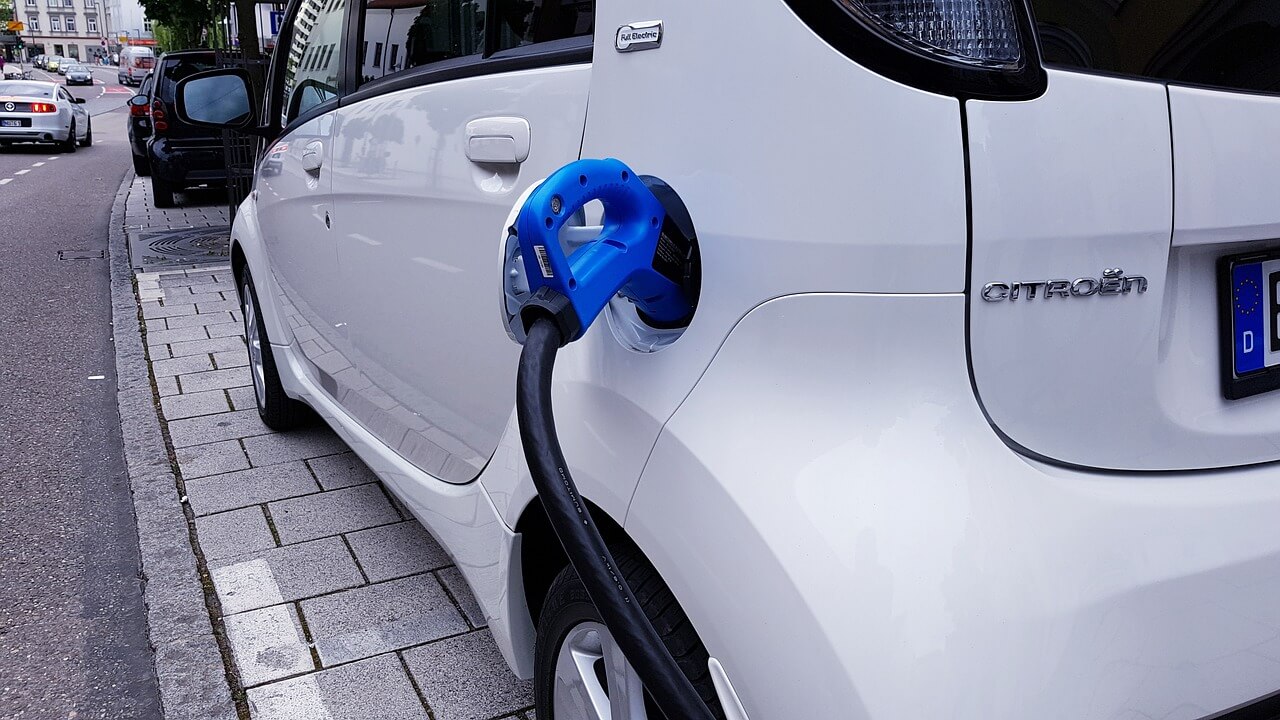
Lithium-ion batteries stand at the forefront of modern energy storage technology. Used extensively in personal electronics such as smartphones, laptops, and tablets, their applications have expanded into larger domains, including electric vehicles and grid storage. These batteries offer high energy density, long cycle life, and minimal maintenance, making them the preferred choice for varied energy storage needs. The proliferation of electric vehicles, driven by environmental considerations and regulatory mandates, has further accelerated demand for lithium-ion batteries, underpinning the global energy transition.
Alternative Energy Storage Solutions
Apart from lithium-ion batteries, the element finds applications in other advanced energy storage solutions. Lithium-Sulfur batteries and Lithium-Air batteries are examples of emerging technologies that promise higher energy density and efficiency. These innovations aim to overcome the limitations of conventional lithium-ion batteries, providing more sustainable and powerful alternatives for future energy demands. Furthermore, lithium is also used in energy storage systems supporting renewable energy installations, enhancing the reliability and stability of sources like solar and wind power.
Factors Influencing Lithium Prices
Supply and Demand Dynamics
Global Production of Lithium
The supply of lithium significantly influences its price dynamics. Major lithium-producing countries, including Australia, Chile, and China, dominate the global market by extracting and exporting large quantities of lithium. The extraction process involves mining lithium-rich spodumene ore or harvesting lithium from brines, primarily located in salt flats. The increase in demand for electric vehicles and renewable energy storage systems has propelled global lithium production, impacting both its availability and market price.
Market Demand in the Energy Sector
Market demand in the energy sector is a critical factor driving lithium prices. The shift towards sustainable energy solutions has led to a surge in lithium-ion battery production. This demand is primarily fueled by the increasing adoption of electric vehicles, growth in portable electronic devices, and the need for efficient renewable energy storage. As nations globally aim to reduce carbon footprints and move towards cleaner energy, the demand for lithium continues to rise, creating price volatility in the market.
Geopolitical Influence
Key Lithium Producing Countries
Several key countries play a pivotal role in the global lithium market. Australia is the largest producer and exporter, primarily through hard rock mining. Chile and Argentina follow closely, leveraging vast lithium reserves in their salt flats, known for their high-quality brine deposits. China is another significant player, dominating the downstream part of the supply chain, including battery production. These countries' geopolitical stability, mining policies, and export regulations greatly impact global lithium supplies and, consequently, pricing.
Trade Policies and Export Controls
Trade policies and export controls issued by major lithium-producing countries can significantly affect global prices. Nations may impose export controls or tariffs to control lithium supply and protect domestic industries. For instance, Chile has implemented stringent regulations to ensure environmental protection and optimize revenue from lithium mining. Similarly, any trade disputes or geopolitical tensions between major economies can disrupt supply chains, leading to price spikes. Therefore, monitoring and understanding these policies is crucial for stakeholders in the energy sector.
As an expert in Metals and a comprehensive non-ferrous metal Internet platform provider, Shanghai Metals Market (SMM) provides a comprehensive Internet platform for metal mining benchmark prices, analysis, news, consulting and conferences. In addition, we will provide you with the most authoritative information on a variety of metals.
The Economic Implications of Rising Lithium Prices
Cost Impacts on Renewable Energy Projects
Implications for Solar Power
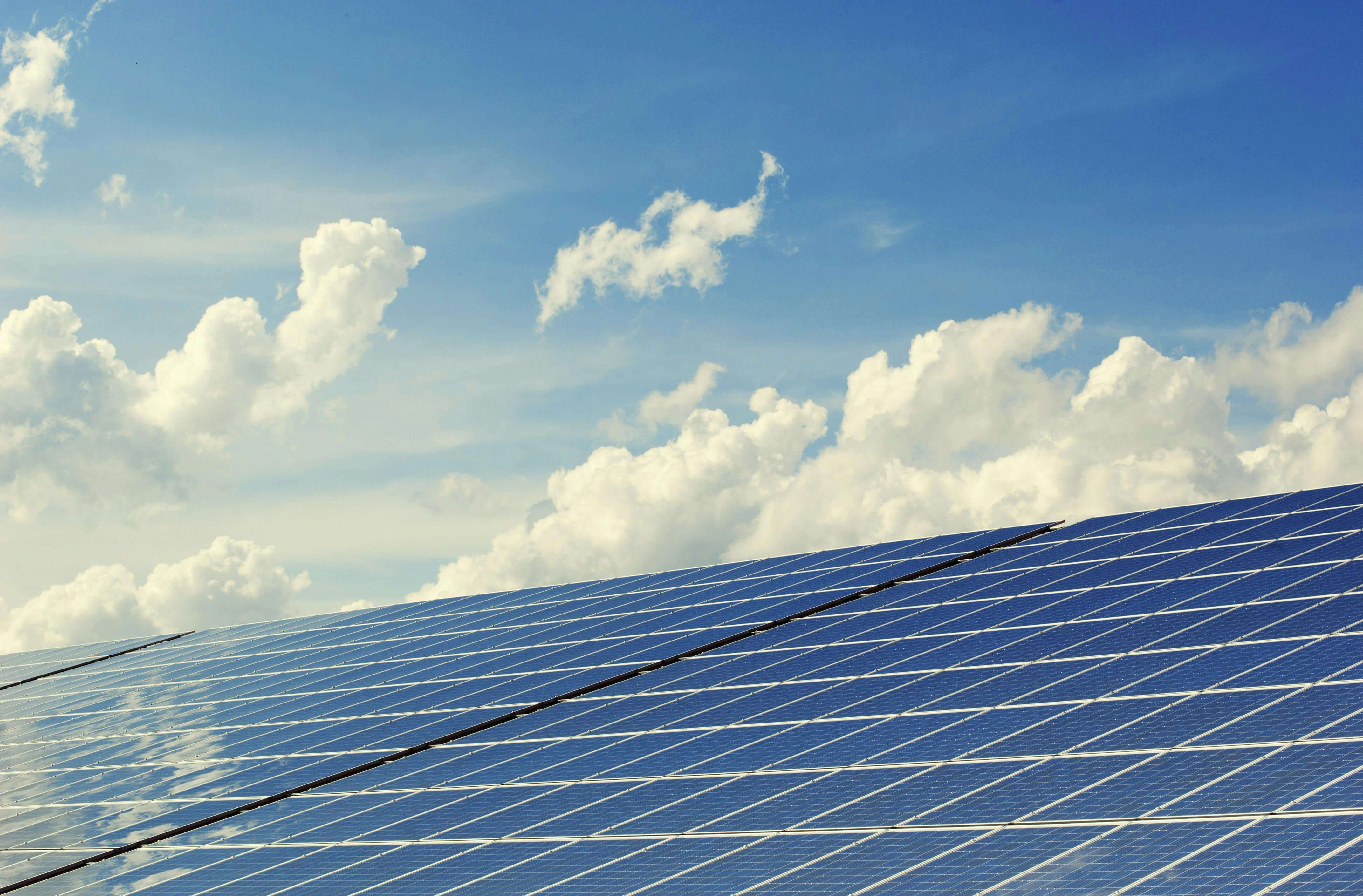
Rising lithium prices can significantly impact solar power projects. Lithium-ion batteries are vital for storing surplus electricity generated by solar panels. Higher lithium costs elevate the price of these batteries, making solar power systems more expensive for consumers and businesses. This increase can slow down the adoption of solar energy, hampering efforts to transition towards renewable sources. Additionally, costlier storage solutions may force project developers to seek alternative technologies or adjust financial models, impacting the overall profitability and viability of solar projects.
Effects on Wind Power Initiatives
Similar to solar power, wind energy projects rely on efficient storage solutions to manage energy generation and distribution. Increasing lithium prices can make battery storage systems more expensive, affecting the economic feasibility of wind power initiatives. Higher storage costs can lead to increased project budgets, reduced returns on investment, and potential delays in implementation. This economic strain may deter investment and slow the growth rate of wind energy capacity worldwide, complicating efforts to achieve renewable energy targets and reduce carbon emissions.
Shifts in Investment Strategies
Venture Capital and Startups
The rising cost of lithium can pivot investment strategies within the energy sector. Venture capitalists and investors may begin to seek out startups focusing on alternative energy storage technologies or lithium-free solutions. Innovations such as sodium-ion batteries, solid-state batteries, or other advanced chemistries may attract significant funding. These shifts can foster a more diverse energy storage landscape, potentially leading to breakthroughs that reduce reliance on lithium and mitigate pricing pressures.
Established Corporations and Market Adjustments
Established corporations in the energy and automotive sectors must adapt their strategies in response to rising lithium prices. Companies may invest in research and development to enhance battery efficiency, reduce lithium usage, or explore recycling methods. Market adjustments could also involve securing long-term supply contracts, investing in mining operations, or forming strategic partnerships to ensure stable lithium supplies. These proactive measures are essential for sustaining growth and competitiveness in the evolving energy market.
Environmental Considerations Linked to Lithium Extraction
Ecological Footprint of Mining Operations
Soil Degradation
Lithium extraction, particularly from hard rock mining, can lead to significant soil degradation. The process involves large-scale excavation, which can disturb soil layers, leading to erosion and loss of fertile land. This impact can have long-term effects on local agriculture and ecosystems. Sustainable mining practices and land reclamation efforts are essential to mitigate these adverse effects and ensure the responsible extraction of lithium resources.
Water Usage and Pollution
The extraction of lithium, especially from brine in salt flats, is water-intensive and can negatively impact local water resources. During the extraction process, large volumes of water are pumped to the surface to harvest lithium, potentially depleting local water supplies for agriculture and communities. Additionally, the chemical processes involved can lead to water pollution, affecting local flora and fauna. Implementing stringent water management practices and pollution control measures is crucial for minimizing the environmental footprint of lithium extraction.
Advancements in Sustainable Practices
Recycling and Reuse Technologies
To address the environmental impact of lithium mining, advancements in recycling and reuse technologies are gaining prominence. Companies are developing methods to recover lithium from used batteries, reducing the need for new mining operations. These recycling processes not only lower environmental degradation but also help in managing waste and creating a circular economy. Investment in research to improve the efficiency and scalability of these technologies is vital for promoting sustainable practices in the lithium industry.
Innovations in Less Intensive Mining Methods
Innovations aimed at less intensive mining methods are also essential for sustainable lithium extraction. Techniques such as direct lithium extraction (DLE) offer promising alternatives by using less water and generating less waste compared to traditional methods. DLE processes target specific lithium-rich materials and extract the element using chemical methods, reducing the environmental impact and improving the efficiency of resource utilization. Continued research and development in such technologies can pave the way for more environmentally friendly lithium mining practices.
Shanghai Metals Market (SMM) Headquartered in Shanghai, with branch office in Shandong and Guangdong province. We have extensive network and deep-rooted relationships in SMM nonferrous, ferrous and EV metal industries. At SMM, we help you Know the real China from a global perspective.
Future Outlook for Lithium and the Energy Transition
Emerging Alternatives to Lithium
Sodium-ion Batteries
Sodium-ion batteries emerge as a promising alternative to lithium-ion technology. These batteries utilize sodium, a more abundant and cheaper element than lithium, potentially reducing dependency on lithium and lowering costs. Although currently less energy-dense than lithium-ion counterparts, ongoing research aims to bridge this gap. Sodium-ion batteries could play a crucial role in diversifying energy storage solutions and relieving some pressures on lithium demand, contributing to a more sustainable energy transition.
Solid-state Batteries
Solid-state batteries represent another significant advancement, promising higher energy density, improved safety, and longer lifespans compared to traditional lithium-ion batteries. By replacing the liquid electrolyte with a solid one, these batteries can operate more efficiently and safely. While still in the developmental stage, solid-state batteries hold considerable potential for future energy storage applications, particularly in electric vehicles and portable electronics, potentially easing the reliance on conventional lithium-ion technology.
Potential Market Trends
Predictions for Price Fluctuations
Analysts predict that lithium prices will continue to experience fluctuations driven by supply constraints, rising demand, and geopolitical factors. The growing electric vehicle market and renewable energy projects are likely to sustain high demand for lithium, keeping prices elevated. However, advancements in alternative technologies and recycling efforts may gradually stabilize the market. Stakeholders must remain vigilant and adaptable, anticipating changes in the supply-demand dynamics to navigate the evolving landscape effectively.
Long-term Accessibility and Resource Management
Ensuring the long-term accessibility of lithium resources necessitates strategic resource management and sustainable practices. Responsible mining, efficient recycling, and innovation in alternative technologies are key to maintaining a stable supply chain. Governments and industry players must collaborate to develop frameworks that promote sustainable extraction and use of lithium. Effective resource management strategies will be crucial for supporting the global energy transition and achieving a resilient and sustainable energy future.
In summary, the pivotal role of lithium in global energy advancements, its pricing strategies, and the exploration of alternatives underscore the need for a balanced approach. Efficient resource management, investment in sustainable technologies, and proactive adaptations in policies and practices can ensure the continued progress towards a cleaner, greener energy landscape. As the world moves forward with the energy transition, lithium remains a cornerstone element driving environmental, economic, and technological transformation.