Explore the Changing Landscape of Photovoltaic Prices

Telah Terbit: Jan 16, 2024 13:28
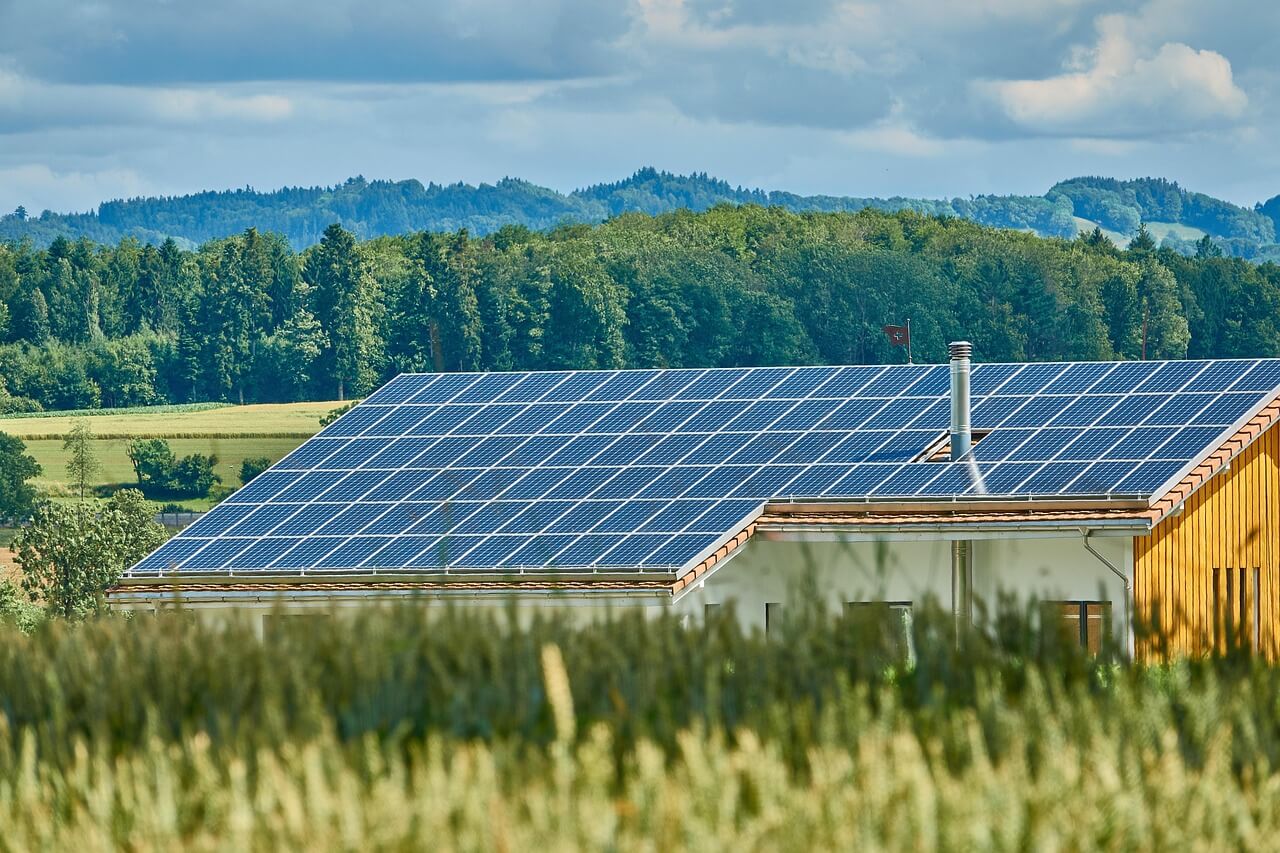
With the continuous advancement of science and technology and the development of the market, photovoltaic energy is gradually becoming the main force of clean energy in the future. Photovoltaic price trends have shown exciting changes in recent years, gradually transforming from high to more affordable. Flexible photovoltaic price is one of the focuses of the market and we know that it is affected by many factors. Therefore, it is particularly important for investors and enterprises to understand and grasp the chance. Timely market research and risk management will become key means to ensure sound investment. Overall, the trends in photovoltaic prices are not only encouraging, but also demonstrate the huge potential of photovoltaic energy. The flexibility of photovoltaic prices requires us to be more cautious in the pursuit of clean energy, be good at responding to market changes, and ensure that the promotion of photovoltaic energy can be promoted steadily and sustainably.

In an era of global push for sustainable energy solutions, the cost dynamics of photovoltaic (PV) systems have become a focal point in the renewable energy conversation. This article explores the factors that influence their fluctuations, the photovoltaic price trends and discusses the wider impact of PV prices on the renewable energy industry.

Breakthroughs in solar cell technology, manufacturing processes and material innovations have a direct impact on photovoltaic price. Not only that, the principle of economies of scale also plays an important role in the photovoltaic industry. As production scale increases, unit costs decrease. Larger manufacturing facilities and increased demand help make production more cost-effective, thus affecting the overall system price. Finally, government policies and incentives at national and regional levels play a crucial role in influencing PV prices. Subsidies, tax credits, feed-in tariffs and other supportive measures can significantly reduce upfront costs for consumers and drive demand.The integration of energy storage solutions with photovoltaic systems is a growing trend. Advances in battery technology and the integration of storage capabilities can impact the overall cost structure of solar solutions. Understanding these complex dynamics requires a holistic view that considers the interaction of various factors.

Flexible photovoltaic price often increase consumer affordability. Falling prices make solar energy more accessible to consumers, businesses and governments. Increased affordability typically leads to higher adoption rates and contributes to the overall growth of the renewable energy market. Solar energy is increasingly competitive with traditional energy sources such as fossil fuels. This increased competitiveness could lead to a shift in the energy mix, allowing solar energy to gain a greater share of the overall energy production landscape. As more solar installations come online, the renewable energy industry contributes to mitigating climate change and promoting environmentally sustainable practices.

While we continue to seek to reduce the cost of photovoltaics, we should also emphasize sustainability and global collaboration to ensure that the life cycle of photovoltaic technology contributes maximum environmental benefits. Only in this way can we achieve a true green transformation, integrate clean energy into every aspect of our daily lives, and help build a more sustainable world.

Therefore, every fluctuation in PV prices is a milestone on our journey, marking our progress towards a cleaner, greener future. I hope that in the days to come, we can work together to popularize solar energy at a more affordable price, leaving a more prosperous and sustainable earth for the next generation.

Pernyataan Sumber Data: Kecuali informasi yang tersedia untuk publik, semua data lainnya diproses oleh SMM berdasarkan informasi publik, komunikasi pasar, dan mengandalkan model database internal SMM. Hanya untuk referensi dan tidak menjadi rekomendasi pengambilan keputusan.

Untuk pertanyaan atau informasi lebih lanjut, silakan hubungi: lemonzhao@smm.cn
Untuk informasi lebih lanjut tentang cara mengakses laporan penelitian kami, hubungi:service.en@smm.cn
Berita Terkait
[Harga Modul PV Terdistribusi Terus Berbeda]
6 menit yang lalu
[Harga Modul PV Terdistribusi Terus Berbeda]
Baca Selengkapnya
[Harga Modul PV Terdistribusi Terus Berbeda]
[Harga Modul PV Terdistribusi Terus Berbeda]
Harga modul distribusi masih bervariasi hari ini, dengan beberapa produsen modul khusus terus mengambil pesanan dengan harga rendah, sementara produsen terintegrasi terkemuka sebagian besar mempertahankan penawaran mereka karena tekanan biaya. Dalam jangka pendek, perusahaan hulu dan hilir diperkirakan akan terus melakukan tawar-menawar harga, dengan tren keseluruhan menunjukkan sedikit stabilisasi. Hari ini, harga modul 210R distribusi berada di 0,714-0,726 yuan/W, untuk sementara stabil.
6 menit yang lalu
[Produsen lapisan atas masih menegosiasikan harga kaca PV]
6 menit yang lalu
[Produsen lapisan atas masih menegosiasikan harga kaca PV]
Baca Selengkapnya
[Produsen lapisan atas masih menegosiasikan harga kaca PV]
[Produsen lapisan atas masih menegosiasikan harga kaca PV]
Harga kaca China tetap stabil sementara hari ini, dengan perusahaan-perusahaan bernegosiasi dengan produsen modul hilir berdasarkan hasil penetapan harga yang ditetapkan pada awal bulan. Pusat harga untuk transaksi kaca yang telah diselesaikan sejauh ini adalah 10-10,3 yuan/m², sementara produsen modul terkemuka masih melakukan tawar-menawar, dengan ekspektasi tingkat harga psikologis di bawah 10 yuan/m².
6 menit yang lalu
[Solar: Bangladesh memperkenalkan tarif $0,086/kWh untuk PLTS atap net-metering dengan target 5 GW]
2 jam yang lalu
[Solar: Bangladesh memperkenalkan tarif $0,086/kWh untuk PLTS atap net-metering dengan target 5 GW]
Baca Selengkapnya
[Solar: Bangladesh memperkenalkan tarif $0,086/kWh untuk PLTS atap net-metering dengan target 5 GW]
[Solar: Bangladesh memperkenalkan tarif $0,086/kWh untuk PLTS atap net-metering dengan target 5 GW]
Divisi Ketenagalistrikan Bangladesh mengumumkan tarif sebesar BDT 10,50 ($0,086)/kWh untuk surplus listrik dari sistem tenaga surya atap yang memenuhi syarat di bawah rezim pengukuran neto negara tersebut, berlaku selama tiga tahun hingga 28 Februari 2030. Biaya pembangkitan maksimum untuk sistem tenaga surya atap dengan penyimpanan baterai ditetapkan sebesar BDT 8/kWh, dengan pemerintah menambahkan margin keuntungan 20% dan premi 11,25%. Sistem yang dipasang paling lambat 28 Februari 2027, yang memenuhi syarat berdasarkan Pedoman Pengukuran Neto 2025, berhak atas tarif insentif tersebut. Pemerintah menargetkan pemasangan kapasitas tenaga surya minimal 5 GW melalui pengukuran neto pada musim panas mendatang untuk membantu mengatasi kekurangan listrik harian yang melebihi 3 GW selama permintaan puncak musim panas.
2 jam yang lalu