On April 2, Lake Resources NL (ASX:LKE) (OTCMKTS:LLKKF) informed it that it had signed a non-binding Memorandum of understanding (MoU) with Japan's main partner Hanwa Co., Ltd. ("Hanwa"), which has an "A -" credit rating, requiring it to underwrite up to 25000 tons (tpa) of lithium carbonate per year for 10 years (for an additional 10 years), at least 15000 tons of LCE, from the Kachi project. Priced at quarterly average benchmark market prices.
Under a non-binding agreement with major Japanese partners, a proposal to purchase up to 25000 tons (tpa) of lithium carbonate (/-hydroxide) per year from the Kachi project at the market price.
Hanwa intends to work with Lake not only in marketing and distribution in Asia, but also in coordinating strategies and sustainable supply chains with potential customers in the battery industry.
Hanwa is considering meaningful equity investments to establish a strong and sustainable partnership with Lake Resources and to provide other potential financial support, such as off-take advances, trade finance facilities and project development support.
Hanwa and Lake have established a strategic partnership to develop a clean lithium supply chain to meet the environmental needs of electric vehicle, fixed battery and cathode / precursor manufacturers and their end customers.
The successful outcome of the negotiations will ensure that off-take partners with an "A -" credit rating further reduce project risk for financiers and investors.
The MOU also allows Hanwa to consider providing financial support mechanisms, such as meaningful equity investments, potential off-take advances and trade finance facilities, to ensure a long-term agreement with Lake and a sustainable partnership.
"in April 2021, Hanhe formed a battery team to create a wide range of business opportunities in the electric vehicle (EV) battery and battery industry," said Mr. J. Tomono, an executive and head of the battery team at Hanhe.
"the lithium-ion battery market for electric vehicles is expanding inexorably, and we are dealing with the raw materials for these complex products and increasing our participation in all aspects of the supply chain.
Mr. J. Tomono also said: "We have been working with the right partners to find suitable products on a large scale to promote the development of the latest technology for batteries and their cathodes."
Hanwa and Lake have agreed to negotiate in good faith with other battery supply chain participants, including electric vehicles, battery and cathode / precursor manufacturers, under a non-binding memorandum of understanding and to make every reasonable effort to finalize a comprehensive legally binding agreement to develop a "clean lithium" supply chain to meet the environmental needs of electric vehicle manufacturers and their customers.
Han Hua is willing to coordinate the strategic partnership between Han Hua and Lake and between the enterprises downstream of the battery supply chain to jointly develop a unique and effective supply chain, "common growth and sustainable development".
"Hanwa has begun to discuss and consider actively working with potential partners," Mr. J. Tomono said. Lake will provide samples and technical support to Hanwa and its potential battery supply chain partners / customers.
"the MOU reflects Hanwa's intention to act quickly to finalize the terms of a strong, long-term, binding final off-take agreement and to allow financial support for Lake," said Mr. Steve Promnitz, managing director of Lake.
"both Lake and Hanwa see this MOU as a way to finalize a binding long-term agreement that will expand production and participate in other Lake projects to ensure that Hanwa's electric vehicles and batteries have access to high-quality lithium product customers with a leading ESG edge."
Mr. Stu Crow, chairman of Lake, said that the signing of a binding long-term agreement with Hanwa would strengthen Lake's financial position when it made its final investment decision later this year.
"this MOU and a binding off-take agreement with Hanwa will make Lake an independent supplier to the global lithium supply chain and ensure supply security for the market and potential customers."
Mr. Crow said project financing was increasingly tied to ESG certificates, and investors, debt providers, buyers and their customers required the new lithium project to comply with strict ESG standards.
"customers and consumers are increasingly reviewing the environmental certification of lithium production; concerns about supply security have given us the confidence to establish this partnership with Hanwa," Mr. Crow said.
He said that memorandums of understanding with Hanwa and the UK and Canadian export credit agencies had indicated that they were willing to finance the 70 per cent debt required for the Kachi project to support Lake's TARGET 100 plan, which aims to produce 100000 tonnes of oil a year. High-purity lithium chemicals will be on the market by 2030.
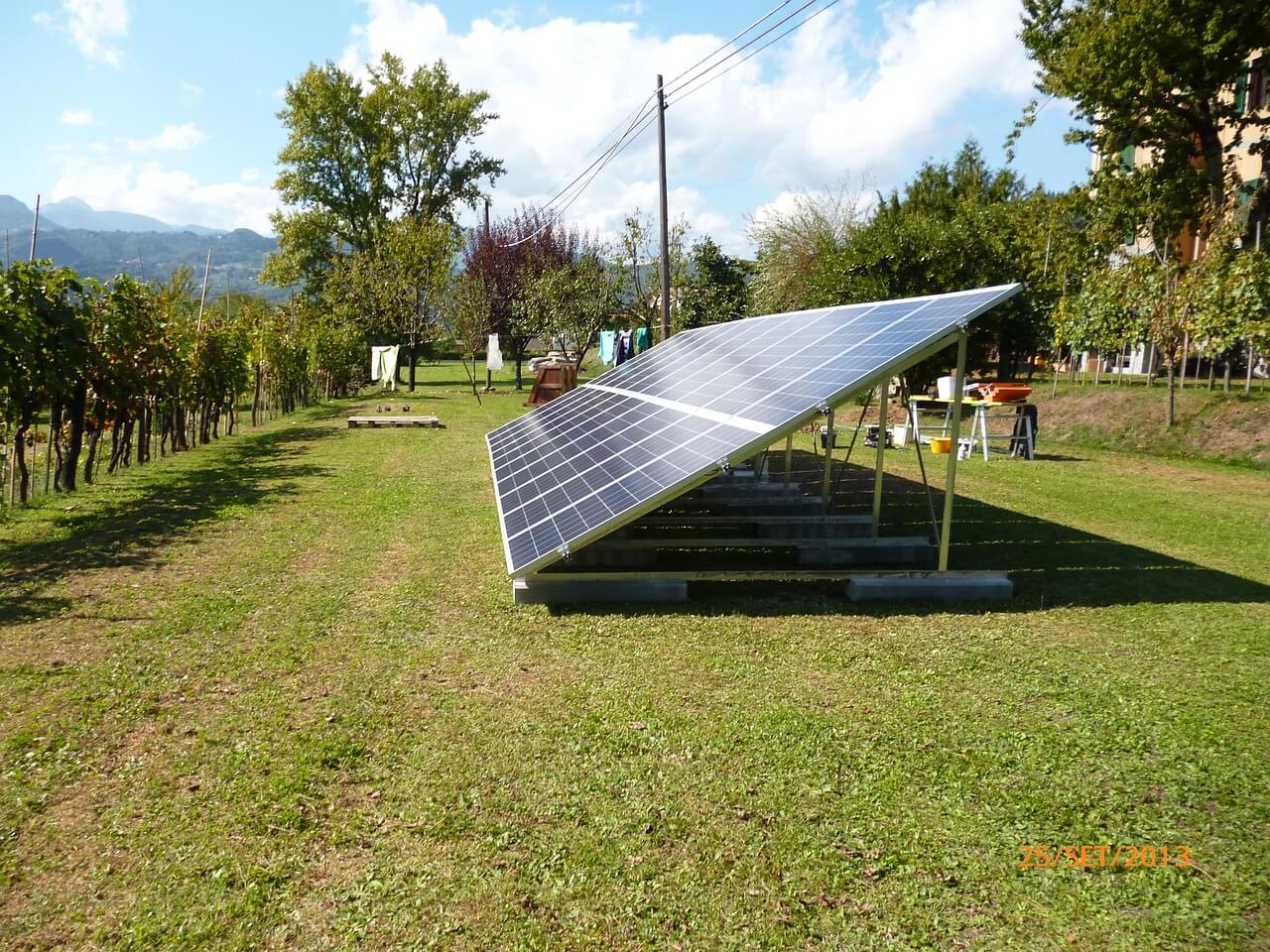
The MOU and a binding long-term agreement with Hanwa will provide project-scale batteries to supplement the solar farm energy of the Kachi project at preferential installation prices and trade finance.
Hanwa has agreed to the market launch. Lake will inform the market of the progress of the legally binding framework and other agreements as soon as possible.
About LKE:
LKE is a clean lithium mine developer that uses clean direct extraction technology to develop its Kachi flagship project to produce sustainable, high-purity lithium. The company's project is located in the lithium triangle, where 40% of the world's lithium mines are produced and at the lowest cost. This approach makes Lake Resources an efficient, responsible, environmentally friendly and cost-competitive high-purity lithium supplier that is easy to scale up to meet the needs of first-tier electric vehicle manufacturers and battery manufacturers.