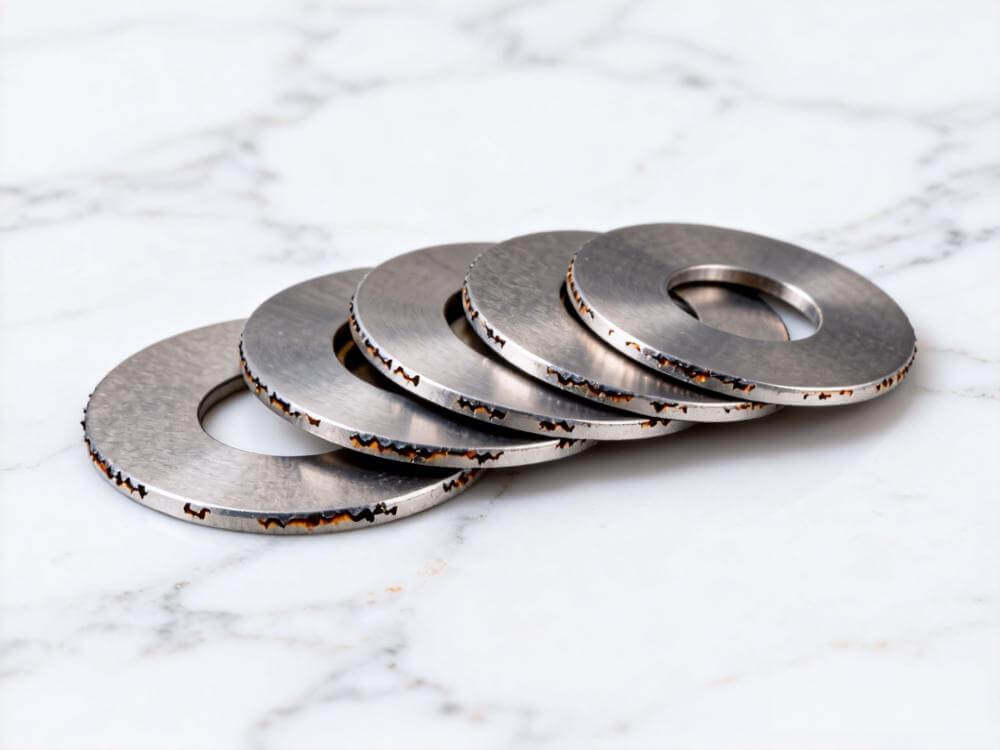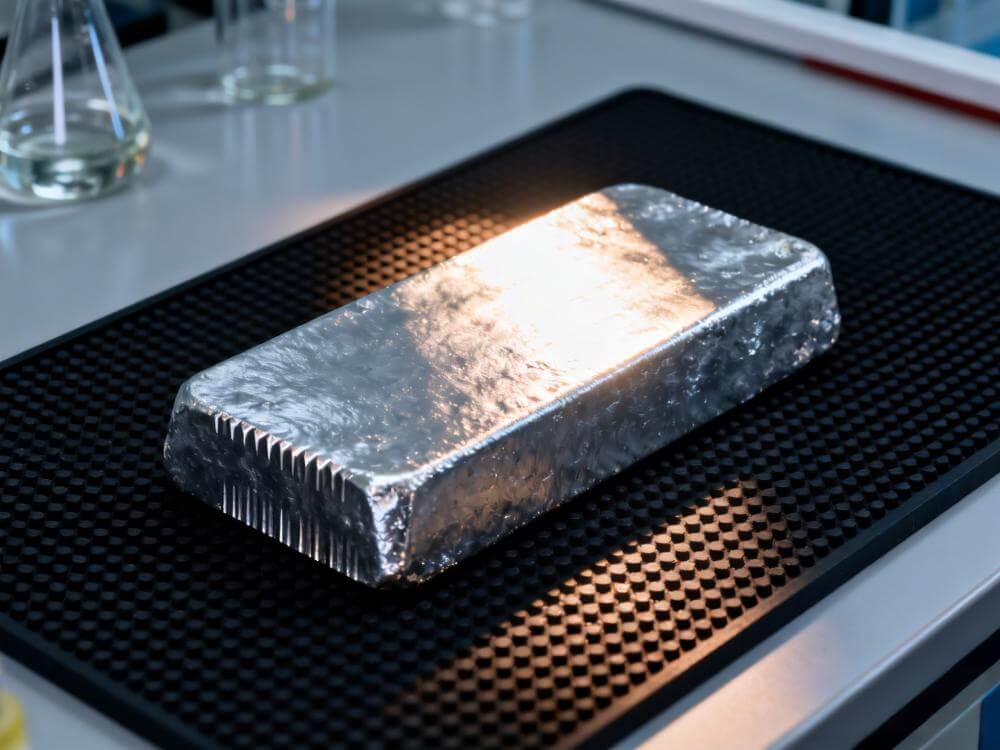
PNNL's research and development of new riveting technology to realize light magnesium firmware is helpful to improve vehicle fuel economy.

Telah Terbit: Sep 7, 2021 11:14

According to foreign media reports, on Sept. 5, local time, (PNNL), the Northwest National Laboratory of the Pacific Ocean, developed a new patented riveting technology that makes it easier to make light magnesium and reduces the time required to connect each rivet. PNNL develops magnesium components made of new riveting technology.

Magnesium is one of the lightest metals, so it becomes an ideal material for cars to achieve better fuel economy. However, in industrial applications, magnesium lags behind aluminum and steel because it is fragile and difficult to make structural parts. The friction-based riveting technology called rotary hammer riveting (RHR), eliminates the step of preheating metal to make rivets and improves fastening joints. In addition, this technology is also applicable to aluminum rivets made by aircraft. The speed of this processing method is significantly accelerated, which can save both time and money in aircraft and vehicle manufacturing.

Rejuvenate the old process

Riveting is one of the oldest techniques for connecting different materials. The ancient Egyptians used wooden rivets to connect metal handles to clay pots. The riveting process has been handed down from generation to generation, spanning civilizations, and can be found in Roman architecture, Viking pirate ships, medieval armor, and other historical objects.

With the emergence of new materials in the 19th and 20th centuries, steel riveting can be seen everywhere in various structural applications, such as buildings, bridges, warships, aircraft and so on. However, the riveting process has hardly changed, that is, take a cylindrical metal with a mushroom shape at one end, pass the handle or rod through the holes of the two materials you want to connect, and then hit one end of the handle with a hammer to form a second end. to connect the two materials together.

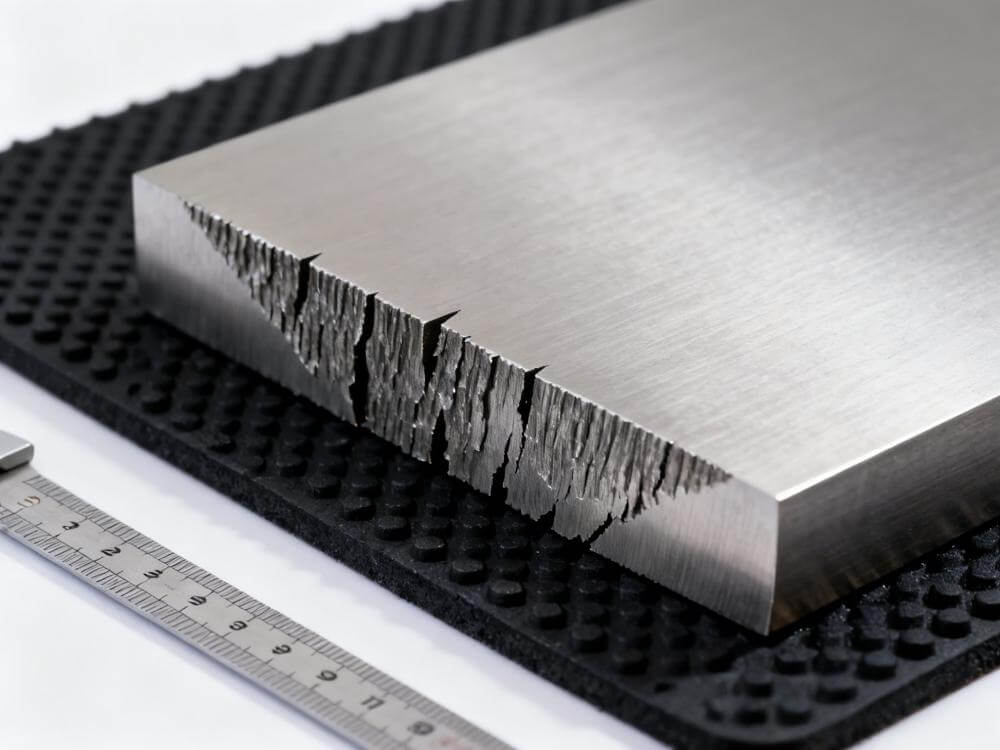
If magnesium rivets are used, they may break. Although magnesium alloys have high strength because of their light weight, magnesium is easy to break at room temperature. As a result, magnesium alloys are usually heated to make them soft enough for hammering and bending so that they do not break.

Heating each rivet is slow and expensive, so magnesium rivets are rarely used, although they are 30% lighter than the aluminum rivets used to connect magnesium plates.

Hammering riveting is a new riveting technology.

The RHR technology developed by PNNL does not need to preheat magnesium rivets. This process uses magnesium rivets that do not need to be preheated, so they are 4 to 12 times faster than those needed in traditional hammering riveting, and can enhance strength and have anti-corrosion properties.

RHR is a branch of friction stir welding technology, which uses a small rotating tool called hammer. The rotating force produces heat through friction and deformation, softens magnesium and forms a rivet head. At the same time, the bottom surface of the rivet head is mixed with the metal plate below by metallurgical means. This method of making metal can ensure continuous bonding to prevent corrosion.

The newly patented process can deform the metal, thereby changing its crystal structure. Using a high-power microscope, researchers can see how grains are optimized and reoriented to allow magnesium to shape and become stronger.

Riveting solution for aircraft manufacturing

The researchers say RHR is also suitable for making aluminum rivets for aircraft. Each commercial aircraft contains hundreds of thousands of rivets, most of which are made of aluminum alloy 2024, while the RHR process can reduce costs and improve the efficiency of the production line. Rivets made of aluminum alloy 2024 are too strong to rivet when stored at room temperature. Therefore, it also needs to be annealed, softened, and then stored in the refrigerator to maintain the softening state before riveting.

Faster friction riveting technology

The speed of aluminum treatment by RHR process is very fast. Conventional riveting takes 1 to 3 seconds for each rivet, while RHR takes only 0.25 seconds, saving 40 hours for every 100000 rivets. The RHR process is just a subversive technology developed by PNNL for machining metal alloys and composites. This kind of solid-state processing technology involves deforming materials without melting, heating, mixing, manufacturing and joining metals and other materials, resulting in materials with more extraordinary properties than those made by traditional manufacturing methods.
Pernyataan Sumber Data: Kecuali informasi yang tersedia untuk publik, semua data lainnya diproses oleh SMM berdasarkan informasi publik, komunikasi pasar, dan mengandalkan model database internal SMM. Hanya untuk referensi dan tidak menjadi rekomendasi pengambilan keputusan.

Untuk pertanyaan atau informasi lebih lanjut, silakan hubungi: lemonzhao@smm.cn
Untuk informasi lebih lanjut tentang cara mengakses laporan penelitian kami, hubungi:service.en@smm.cn
Berita Terkait
Pasar Magnesium Mematahkan Tren Penurunan karena Harga Batu Bara Melonjak, Produsen Menghadapi Kenaikan Biaya
4 jam yang lalu
Pasar Magnesium Mematahkan Tren Penurunan karena Harga Batu Bara Melonjak, Produsen Menghadapi Kenaikan Biaya
Baca Selengkapnya
Pasar Magnesium Mematahkan Tren Penurunan karena Harga Batu Bara Melonjak, Produsen Menghadapi Kenaikan Biaya
Memasuki awal Agustus, pasar magnesium tampak terjebak dalam kebuntuan berkepanjangan. Dorongan dari pemangkasan produksi pada Juli memudar, dan pasokan magnesium primer pulih secara stabil. Sementara itu, bersamaan dengan lesunya musim panas di luar negeri dan musim sepi die-casting domestik, pesanan hilir langka dan sentimen pembelian mencapai titik terendah.
4 jam yang lalu
Lonjakan Batu Bara Memicu Pasar Magnesium, Konsolidasi Dua Bulan Akhirnya Terpecah, Pemangkasan Produksi dan Pengurangan Stok Menandakan Reli Berikutnya [Analisis SMM]
4 jam yang lalu
Lonjakan Batu Bara Memicu Pasar Magnesium, Konsolidasi Dua Bulan Akhirnya Terpecah, Pemangkasan Produksi dan Pengurangan Stok Menandakan Reli Berikutnya [Analisis SMM]
Baca Selengkapnya
Lonjakan Batu Bara Memicu Pasar Magnesium, Konsolidasi Dua Bulan Akhirnya Terpecah, Pemangkasan Produksi dan Pengurangan Stok Menandakan Reli Berikutnya [Analisis SMM]
[SMM Analisis Pasar Magnesium: Lonjakan Harga Batu Bara Memicu Pasar Magnesium, Konsolidasi Dua Bulan Akhirnya Tembus, Pemangkasan Produksi dan Pengurangan Stok Menjadi Panggung Reli Berikutnya] Memasuki bulan Agustus, pasar magnesium tampaknya jatuh ke dalam kebuntuan yang berkepanjangan. Dividen dari pemangkasan produksi bulan Juli memudar, pasokan magnesium primer pulih secara stabil, sementara liburan musim panas di luar Tiongkok ditambah dengan musim sepi die-casting domestik membuat pesanan hilir jarang dan sentimen pembelian berada di titik beku. Dengan penawaran dan permintaan yang sama-sama lemah, harga magnesium terkunci kuat dalam kisaran sempit 15.800-15.950 yuan/mt, dengan sedikit ruang untuk bergerak ke arah mana pun. Pada pertengahan hingga akhir Agustus, harga bahkan sempat turun ke 15.750 yuan/mt, dengan pasar secara luas mengambil sikap menunggu dan melihat. Kapan konsolidasi di level bawah ini, yang telah berlangsung dua bulan, akan menemukan titik balik masih belum diketahui.
4 jam yang lalu
Tinjauan Mingguan Magnesium SMM: Harga Magnesium Melonjak karena Didorong Biaya, Permintaan Lemah Membuat Kenaikan Tidak Berkelanjutan
7 jam yang lalu
Tinjauan Mingguan Magnesium SMM: Harga Magnesium Melonjak karena Didorong Biaya, Permintaan Lemah Membuat Kenaikan Tidak Berkelanjutan
Baca Selengkapnya
Tinjauan Mingguan Magnesium SMM: Harga Magnesium Melonjak karena Didorong Biaya, Permintaan Lemah Membuat Kenaikan Tidak Berkelanjutan
[SMM Tinjauan Mingguan Magnesium: Dorongan Biaya Menaikkan Harga Magnesium, Permintaan Lemah Membatasi Kenaikan] Minggu ini, kuotasi utama untuk magnesium ingot 99,90% di area produksi utama berada di 16.050-16.150 yuan/mt, naik 300 yuan/mt WoW, dengan harga FOB di $2.280-2.380/mt dan rata-rata $2.330/mt. Harga magnesium ingot melonjak selama sepekan, didorong oleh kenaikan biaya batu bara dan ferosilikon, ditambah dengan beberapa pengisian stok pada harga yang lebih tinggi di perdagangan luar negeri. Namun, pasar secara keseluruhan tetap ditandai oleh pasokan yang kuat dan permintaan yang lemah, dengan transaksi yang lesu pada harga tinggi dan tanda-tanda penurunan muncul di bagian akhir pekan. Permintaan luar negeri belum menunjukkan pemulihan yang substansial, dengan aktivitas pasar didominasi oleh pertanyaan tentatif, volume pesanan aktual yang terbatas, dan tekanan pembeli yang jelas untuk harga lebih rendah, menjaga perdagangan tetap lesu. Harga bubuk magnesium dan paduan magnesium di hilir mengikuti kenaikan biaya magnesium ingot, tetapi permintaan penggunaan akhir untuk bubuk magnesium tetap lemah, dengan beberapa perusahaan memangkas produksi atau menghentikan operasi, ekspor terbatas, dan tingkat persediaan meningkat. Persediaan spot paduan magnesium melimpah, persaingan antar sesama pelaku usaha ketat, dan perusahaan die-casting menghadapi pesanan yang tidak mencukupi serta tingkat operasi yang menurun, menjaga biaya pemrosesan tetap tertekan. Dalam jangka pendek, dukungan biaya dan permintaan lemah terkunci dalam tarik-menarik, dan momentum kenaikan harga magnesium mulai kehilangan tenaga, dengan pasar kemungkinan kembali ke konsolidasi. Ke depan, perhatian ketat harus diberikan pada pelepasan pesanan domestik dan luar negeri.
7 jam yang lalu
PNNL's research and development of new riveting technology to realize light magnesium firmware is helpful to improve vehicle fuel economy. - Shanghai Metals Market (SMM)