Federation of passengers: the price of new energy points will soar.

Telah Terbit: Jul 7, 2020 09:42

SMM Network News: recently, the Ministry of Industry and Information Technology issued an amendment to the "parallel management measures for the average fuel consumption of passenger car enterprises and the points of new energy vehicles". I believe that with the release of the plan, the trading price of new energy points will be greatly increased. The transaction price of the early new energy integral is unusually low, which is out of proportion to the cost of the enterprise. with the decline of subsidies, it is more difficult for small and medium-sized enterprises to obtain new energy points, and many large enterprises' new energy points have not been effectively obtained. the value of new energy points has greatly increased, and the trading price of new energy points will be sharply higher than that of last year.

1. The integral value of new energy is back on track.

The only use of new energy credits traded before 2020 is to offset fuel consumption credits. Since the proportion of new energy points is not set in 2016, 2017 and 2018, enterprise fuel consumption credits are required to offset and return to zero. There are three ways to offset and return to zero the negative points of fuel consumption of passenger car enterprises, one is to compensate with the positive points of fuel consumption saved in the previous year, the second is to obtain positive points of fuel consumption from related enterprises, and the third is to compensate by buying new energy vehicles. Therefore, the trading of new energy credits in 2019 is mainly offsetting negative fuel consumption credits. Its price is to use new energy points as fuel consumption points, the actual value is greatly reduced. Therefore, the transaction price is very low, the price of some over-the-counter transactions is only 100 yuan, and there are even lower cases.

The new energy points starting in 2020 will return to normal value. The main purpose of the new energy credit transaction that began in 2020 is to offset the owed new energy points. The double points policy requires passenger car companies with more than 30, 000 vehicles to complete the new energy points ratio requirements from 2019 to 2019. among them, the integral proportion requirements for 2019 and 2020 are 10% and 12% respectively, and the integral proportion requirements for 2021-2023 are 14%, 16% and 18%, respectively. Therefore, starting from 2020, enterprises began to trade new energy points to meet the needs of some enterprises that did not meet the standards of new energy points.

2. drastic changes in the integral supply structure of new energy.

The supply of new energy vehicles has gradually changed from independent brands to traditional cars to diversified supply. The production and sales of new energy of independent brand traditional cars are seriously depressed. This is also a significant improvement in the break-even point of independent brands of new energy after the subsidy has gone downhill. Under relatively difficult circumstances, independent brands reduce the production and sales of new energy vehicles and reduce losses.
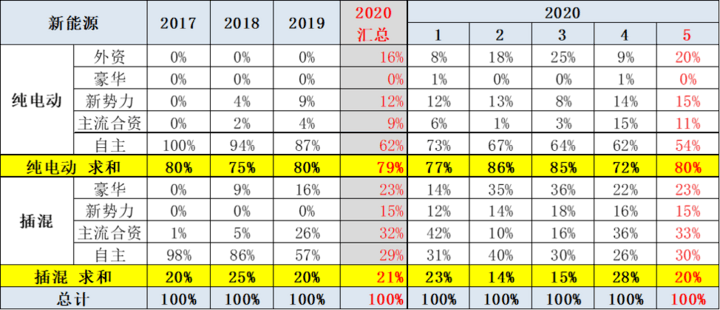
Therefore, the cost of obtaining new energy points of independent brands has skyrocketed, the output has dropped sharply, and the price of selling new energy points must return to a reasonable level rationally.

3. The demand for new energy points is growing steadily.
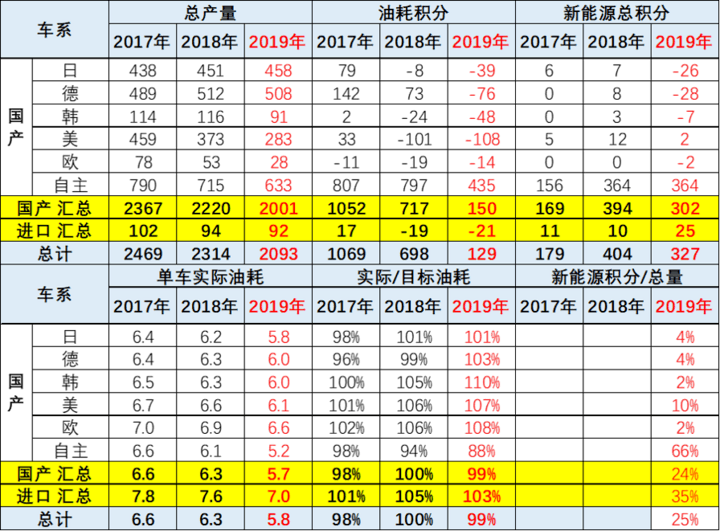
In 2019, the average fuel consumption of passenger cars is 5.8 liters, of which the fuel consumption of domestic cars is 99%, and that of imported cars is 103%. The fuel consumption of domestic cars is excellent, and the overall index is basically balanced.

From the point of view of fuel consumption, independent brands excel in fuel consumption, especially fuel-saving, reaching 12% of the target fuel consumption in 2019, which is much better than the 2018 level.

At present, the pressure on the fuel consumption of the joint venture is relatively high, and the fuel consumption of the joint venture is still maintained at 101%, exceeding the target by one percentage point. the relative fuel consumption pressure continues to increase in recent years, with Korean brands and German brands under greater pressure. The fuel consumption of Korean brands increased by 5% from 5% in 2018 to 10% this year.

The fuel consumption integral pressure of the joint venture in 2020 is difficult to be resolved comprehensively, and a large number of internal fuel consumption integral transfer is needed to make up for it.

4. It is difficult to effectively meet the fuel consumption points within large groups.
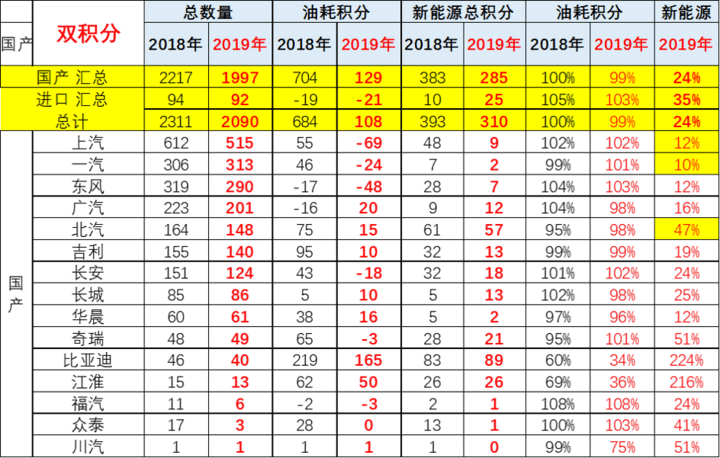
From the group level, the negative points of fuel consumption in 2019 are mainly SAIC Group, Dongfeng Group, Changan Group and foreign-funded enterprises, while the overall fuel consumption scores of other enterprise groups are all positive.

From the point of view of accumulating 16 to 18 years, the main negative points in fuel consumption scores are the Great Wall and Fuqi. Because the new energy points of 16 and 17 years can be offset by the points earned in the early stage, there is basically no pressure on the 2019 transaction from the group level. But the 3.1 million points of new energy points in 2020 should be difficult to achieve high price sales.

New energy points offset fuel consumption points, which is the helpless choice of some car companies.

5. Market regulation is taking effect step by step.

As the new energy points in 2019 can be carried forward to 2020, and the recent performance of new energy production and sales of car companies is relatively low, it is more difficult to obtain new energy vehicles in the future, so it is more difficult.

This revision gives the new energy points 50% carry-over ratio function under certain conditions, which solves the problem of short validity of new energy points in the current 'double points' policy. At the same time, it helps to improve the transaction value of new energy points.

The new energy points of the joint venture can be offset by 2021 against 2020, although this is very good. But the new energy credits for 2019 still need to be settled.

In addition, the structural difficulty of new energy development has increased, resulting in several joys and sorrows. New energy points are also resources for the stable development of enterprises, so the transaction price of new energy points will be significantly increased.

Click to register: "2020 (Fifth) China International Nickel, Cobalt and Lithium Summit Forum"

Scan the code to sign up for the Ni-Co-Li Summit or apply to join the SMM industry exchange group:

Pernyataan Sumber Data: Kecuali informasi yang tersedia untuk publik, semua data lainnya diproses oleh SMM berdasarkan informasi publik, komunikasi pasar, dan mengandalkan model database internal SMM. Hanya untuk referensi dan tidak menjadi rekomendasi pengambilan keputusan.

Untuk pertanyaan atau informasi lebih lanjut, silakan hubungi: lemonzhao@smm.cn
Untuk informasi lebih lanjut tentang cara mengakses laporan penelitian kami, hubungi:service.en@smm.cn
Berita Terkait
[SMM Analysis] Pabrik Lithium Sulfat Satu-satunya yang Beroperasi di Zimbabwe Tidak Memiliki Kapasitas Cadangan Menjelang Larangan Ekspor Konsentrat
4 jam yang lalu
[SMM Analysis] Pabrik Lithium Sulfat Satu-satunya yang Beroperasi di Zimbabwe Tidak Memiliki Kapasitas Cadangan Menjelang Larangan Ekspor Konsentrat
Baca Selengkapnya
[SMM Analysis] Pabrik Lithium Sulfat Satu-satunya yang Beroperasi di Zimbabwe Tidak Memiliki Kapasitas Cadangan Menjelang Larangan Ekspor Konsentrat
[SMM Analysis] Pabrik Lithium Sulfat Satu-satunya yang Beroperasi di Zimbabwe Tidak Memiliki Kapasitas Cadangan Menjelang Larangan Ekspor Konsentrat
Pabrik lithium sulfat satu-satunya yang beroperasi di Zimbabwe, yang dijalankan oleh anak perusahaan Zhejiang Huayou Cobalt, tidak memiliki kapasitas untuk memproses konsentrat pihak ketiga hanya beberapa bulan sebelum larangan ekspor negara itu berlaku, menurut keterangan pejabat pabrik saat kunjungan lokasi oleh pemerintah. Tidak ada ruang untuk pasokan dari luar. Larangan ekspor konsentrat litium yang diberlakukan pemerintah pada Januari 2027 bertujuan mendorong penambang menuju pemurnian domestik, meningkatkan pendapatan ekspor dan penyerapan tenaga kerja lokal. Para produsen telah meminta perpanjangan waktu untuk membangun pabrik pengolahan sendiri, tetapi pihak berwenang justru mengarahkan mereka untuk menggunakan fasilitas lokal yang ada, di mana hanya pabrik Prospect Lithium Zimbabwe Huayou yang saat ini beroperasi, dan pabrik tersebut tidak dapat menyerap bahan dari luar. Komentar manajer tambang. "Kami tidak memiliki kapasitas untuk memproses mineral lain dari luar. Pabrik konsentrator kami menghasilkan sekitar 400.000 ton per tahun, jadi tidak ada ruang untuk pemain lain," kata manajer tambang Mthokozisi Goliath, seraya mencatat bahwa pabrik sulfat hanya dapat memproses pasokan dari konsentratornya sendiri. Tidak ada penundaan batas waktu. Menteri Pertambangan Polite Kambamura menepis kemungkinan penundaan larangan tersebut: "Batas waktu Januari 2027 masih berlaku... Kami mohon semua produsen mematuhi batas waktu itu." Pabrik-pabrik lain belum siap tepat waktu. Fasilitas pengolahan yang sedang dibangun di aset litium Zimbabwe lainnya kemungkinan tidak akan selesai sebelum batas waktu. Perusahaan-perusahaan Tiongkok telah menginvestasikan sekitar $2 miliar ke sektor litium Zimbabwe sejak 2021. Pandangan SMM: Ini memperketat kemacetan yang dihadapi produsen non-Huayou di Zimbabwe menjelang Januari 2027, dengan Goromonzi pada kapasitas penuh dan pabrik-pabrik saingan belum rampung; penambang tanpa jalur pengolahan sendiri menghadapi pilihan sulit antara menimbun konsentrat, menanggung diskon besar pada setiap penjualan domestik, atau menghentikan produksi sama sekali. Hal ini memperkuat perlunya memantau secara ketat jadwal penyelesaian pabrik-pabrik pesaing, karena keterlambatan di sana secara langsung berdampak pada pasokan sulfat yang terbatas dan potensi dukungan harga untuk bahan yang telah diproses begitu larangan berlaku.
4 jam yang lalu
[SMM Flash] Nigeria Temukan 3,3 Juta Ton Litium Dekat Abuja, Ungkap Provinsi Mineral Kaduna Berkadar Tinggi
4 jam yang lalu
[SMM Flash] Nigeria Temukan 3,3 Juta Ton Litium Dekat Abuja, Ungkap Provinsi Mineral Kaduna Berkadar Tinggi
Baca Selengkapnya
[SMM Flash] Nigeria Temukan 3,3 Juta Ton Litium Dekat Abuja, Ungkap Provinsi Mineral Kaduna Berkadar Tinggi
[SMM Flash] Nigeria Temukan 3,3 Juta Ton Litium Dekat Abuja, Ungkap Provinsi Mineral Kaduna Berkadar Tinggi
Nigeria telah mengonfirmasi cadangan litium sekitar 3,3 juta metrik ton di sebuah lokasi tambang dekat Abuja, bersamaan dengan identifikasi provinsi mineral polimetalik terpisah di Negara Bagian Kaduna yang juga mengandung mineralisasi litium. Temuan ini diumumkan dalam Konferensi Investasi Sumber Daya Alam dan Energi Afrika 2026 di Abuja sebagai bagian dari upaya negara tersebut membangun sektor mineral kritisnya. Estimasi 3,3 juta ton untuk Lokasi Litium Abuja disampaikan oleh Steron Mining and Company Limited saat tur fasilitas bagi para delegasi konferensi. Pejabat perusahaan menyebutkan bahwa lokasi tersebut memiliki total sumber daya mineral sekitar 94,8 juta ton, termasuk bijih mengandung litium dan batuan granit, dengan kadar spodumene terverifikasi di lokasi berlisensi Nigeria berkisar antara 2,66% hingga 5,96% Li₂O, dengan beberapa endapan mencatat konsentrasi hingga 13% Li₂O, jauh di atas rata-rata komersial global 1–2%. Steron menyatakan juga telah mengidentifikasi keberadaan tantalit di lokasi tersebut dan terus melakukan eksplorasi aktif. Menteri Pembangunan Mineral Padat Nigeria, Dele Alake, menggambarkan temuan Kaduna sebagai provinsi mineral "kelas dunia" yang mengandung logam golongan platina kadar tinggi, emas, nikel, tembaga, litium, dan unsur tanah jarang, yang telah diverifikasi oleh Badan Survei Geologi Nigeria bekerja sama dengan operator swasta penemu. Temuan litium ini menambah jejak pengolahan litium Tiongkok yang sudah aktif di Nigeria. Perusahaan-perusahaan Tiongkok termasuk Jiuling Lithium dan Canmax Technology telah menggelontorkan lebih dari US$1,3 miliar untuk kapasitas pengolahan litium Nigeria sejak 2023. Pabrik pengolahan litium senilai US$250 juta yang dibangun oleh Jiuling dan Canmax di Negara Bagian Nasarawa, dengan kapasitas mengolah 3 juta ton bijih litium per tahun, mulai beroperasi pada Juli 2026. Pandangan SMM: Temuan di Abuja dan Kaduna memperluas basis sumber daya litium Nigeria di luar sabuk pegmatit Nasarawa dan Kogi yang sudah mapan, memperkuat posisi negara tersebut sebagai sumber bijih litium Afrika Barat yang berkembang pesat dengan jejak pengolahan hilir yang luar biasa matang dan telah didukung modal Tiongkok. Apakah cadangan baru ini dapat dikonversi menjadi produksi berlisensi yang layak secara finansial akan bergantung pada verifikasi sumber daya lebih lanjut dan komitmen offtake, tetapi infrastruktur pengolahan yang sudah ada menurunkan hambatan untuk membawa bijih litium Nigeria baru ke pasar dibandingkan negara lain yang masih kekurangan kapasitas konversi domestik.
4 jam yang lalu
Sinomine Akan Mengakuisisi Proyek Namibe Lithium-Caesium milik Tyranna di Angola senilai $1,44 Juta
4 jam yang lalu
Sinomine Akan Mengakuisisi Proyek Namibe Lithium-Caesium milik Tyranna di Angola senilai $1,44 Juta
Baca Selengkapnya
Sinomine Akan Mengakuisisi Proyek Namibe Lithium-Caesium milik Tyranna di Angola senilai $1,44 Juta
Sinomine Resource Group setuju mengakuisisi 90% kepemilikan Tyranna Resources di proyek litium Namibe di Angola selatan senilai US$1,44 juta, menambah aset bijih litium Afrika Barat ke dalam portofolionya di Afrika seiring meningkatnya keterlibatan dalam rantai pasok spodumene kawasan. Struktur Kesepakatan: Transaksi ini mencakup saham anak perusahaan Tyranna, Angolan Minerals, di AM Mauritius, perusahaan induk Namibe, yang akan dijual kepada Sinomine Resource (Guangdong Hengqin) Supply Chain Co, anak perusahaan Sinomine. Kesepakatan ini memerlukan persetujuan pemegang saham, dengan rapat umum Tyranna mengenai hal ini dijadwalkan pada 7 Agustus. Latar Belakang Proyek: Namibe telah dieksplorasi selama empat tahun, dengan pengeboran mengonfirmasi mineralisasi spodumene dan polusit. Sinomine, yang sudah menjadi mitra pendanaan proyek ini, dianggap sebagai pembeli wajar mengingat rekam jejaknya yang mapan dalam pertambangan dan pemrosesan bijih litium di Afrika, mencakup Namibia, Zimbabwe, dan DRC. Modal Dialihkan ke Emas: Tyranna menyatakan bahwa hasil penjualan akan mendanai proyek emas Chinguar yang baru diakuisisi di Angola, dengan tim eksplorasi mempersiapkan pengambilan sampel sedimen sungai, survei tanah, dan penilaian target emas lateritik di seluruh konsesi. Managing Director David Crook menyebut divestasi ini sebagai pivot strategis untuk memprioritaskan aset dengan potensi eksplorasi terbaik sambil tetap mempertahankan kehadiran di sektor mineral Angola. Pandangan SMM: Kesepakatan ini menegaskan konsolidasi berkelanjutan Sinomine atas aset bijih litium Afrika tahap awal hingga menengah dengan biaya masuk rendah, memperluas jejak regionalnya di luar operasi yang ada di Zimbabwe dan DRC ke sektor spodumene Angola yang masih baru. Bagi perusahaan junior seperti Tyranna, melepas aset litium pra-pengembangan untuk mendanai eksplorasi emas mencerminkan tren lebih luas di mana penjelajah kecil yang berfokus di Angola mengalihkan modal dari litium di tengah harga yang lesu, ke komoditas yang menawarkan keuntungan lebih cepat dalam jangka pendek.
4 jam yang lalu