

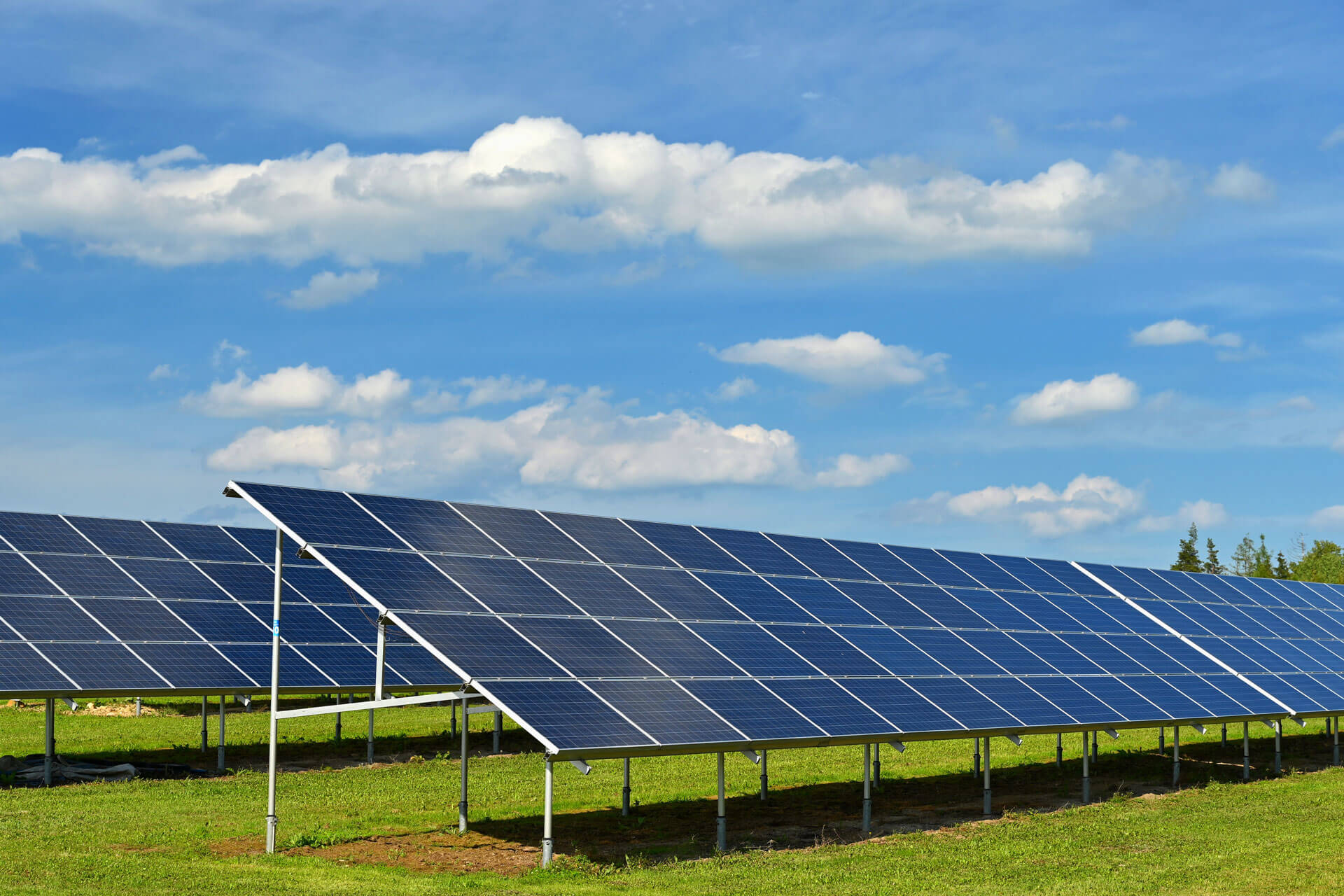
[PV : l'Italie ajoute 1,44 GW de solaire au T1 2026, portée par le segment C&I]
Déclaration sur la source des données : À l'exception des informations publiques, toutes les autres données sont traitées par SMM sur la base d'informations publiques, d'échanges avec le marché et en s'appuyant sur le modèle de base de données interne de SMM. Ils sont fournis à titre indicatif uniquement et ne constituent pas des recommandations décisionnelles.
Pour toute demande d'information ou pour en savoir plus, veuillez contacter : lemonzhao@smm.cn
Pour plus d'informations sur l'accès à nos rapports de recherche, veuillez contacter :service.en@smm.cn
Actualités Connexes
![[SMM PV] Impact des changements climatiques mondiaux sur la production d'énergie PV : El Niño pourrait entraîner un écart d'irradiance régional dépassant 10 %](https://imgqn.smm.cn/usercenter/ZqmSz20251217171738.jpg)
il y a 32 minutes
[SMM PV] Impact des changements climatiques mondiaux sur la production d'énergie PV : El Niño pourrait entraîner un écart d'irradiance régional dépassant 10 %
Lire la suite
[SMM PV] Impact des changements climatiques mondiaux sur la production d'énergie PV : El Niño pourrait entraîner un écart d'irradiance régional dépassant 10 %
La dernière mise à jour de l'Organisation météorologique mondiale montre que la probabilité d'un événement El Niño entre juin et août 2026 atteint 80 %, et qu'il devrait persister au moins jusqu'à l'hiver de l'hémisphère nord. Les recherches de Solcast indiquent que lors des forts épisodes El Niño passés (en particulier de juillet à septembre), les différences régionales de l'irradiance horizontale de surface mondiale ont été considérablement amplifiées, avec des écarts maximaux atteignant environ 10 %. Les impacts régionaux sont nettement divergents : l'irradiance au Rajasthan, en Inde, pourrait être environ 15 % supérieure à la normale, et dans l'est de l'Australie environ 5 % supérieure ; en revanche, les principaux pôles d'installation photovoltaïque comme l'est de la Chine, la Californie aux États-Unis et le désert d'Atacama en Amérique du Sud connaîtront des déficits persistants d'irradiance, pesant directement sur la production réelle des centrales. Ce changement climatique devient une variable systémique incontournable pour l'industrie photovoltaïque en 2026.
il y a 32 minutes
![[SMM PV] 5,06 milliards de yuans ! Un mouvement majeur d’un leader du photovoltaïque](https://imgqn.smm.cn/usercenter/DCwfK20251217171737.jpg)
il y a 36 minutes
[SMM PV] 5,06 milliards de yuans ! Un mouvement majeur d’un leader du photovoltaïque
Lire la suite
[SMM PV] 5,06 milliards de yuans ! Un mouvement majeur d’un leader du photovoltaïque
Dans la soirée du 22 juin, Tongwei Co., Ltd. a annoncé que, pour soutenir le développement durable de haute qualité de sa filiale à part entière Tongwei Solar, optimiser la structure actif-passif, renforcer les capitaux et la résilience aux risques, et améliorer l’efficacité de la gestion des actifs et la compétitivité globale, la société prévoyait d’augmenter le capital de Tongwei Solar de 5,06 milliards de yuans, le montant supplémentaire étant inscrit en réserve de capital de Tongwei Solar.
Selon les informations publiées, cette augmentation de capital est un apport en numéraire, les fonds provenant de ressources propres et aucun fonds levé n’étant impliqué. À l’issue de cette opération, Tongwei Solar demeure une filiale à part entière de la société.
il y a 36 minutes
il y a 1 heure
【Actualités SMM PV】Équipement clé en main de cellules tandem de Maxwell livré à la base de production du client.
Lire la suite
【Actualités SMM PV】Équipement clé en main de cellules tandem de Maxwell livré à la base de production du client.
Le 23 juin, l'équipement clé en main de cellules tandem pérovskite/silicium HJT développé en interne par Maxwell a été officiellement livré à la base de production d'une entreprise nationale du secteur des énergies nouvelles. Cela marque la livraison réussie de la première commande clé en main commerciale dans le domaine des technologies tandem, ce qui aidera le client à mettre en place une ligne de production de masse de cellules tandem pérovskite/silicium HJT à demi-cellules de format 210 sur toute leur surface.
il y a 1 heure
Actualités Connexes
[SMM PV] Impact des changements climatiques mondiaux sur la production d'énergie PV : El Niño pourrait entraîner un écart d'irradiance régional dépassant 10 %
Jun 24, 2026 13:26
[SMM PV] 5,06 milliards de yuans ! Un mouvement majeur d’un leader du photovoltaïque
Jun 24, 2026 13:21
【Actualités SMM PV】Équipement clé en main de cellules tandem de Maxwell livré à la base de production du client.
Jun 24, 2026 12:33
[SMM PV] La Turquie lance une enquête antidumping contre le verre solaire chinois.
Jun 24, 2026 09:58