

Chaoyang Jinda Completes 20,000-ton Aerospace-Grade Sponge Titanium Project, Aims for 2028 Full Operation
Data Source Statement: Except for publicly available information, all other data are processed by SMM based on publicly available information, market communication, and relying on SMM‘s internal database model. They are for reference only and do not constitute decision-making recommendations.
For any inquiries or to learn more information, please contact: lemonzhao@smm.cn
For more information on how to access our research reports, please contact:service.en@smm.cn
Related News
![Russia Launched Industrial Production of Rare-Earth Magnesium Alloys, While Germany’s "Magnesium-Based Hydrogen Slurry" Technology Faced Systematic Questioning [SMM Survey]](https://imgqn.smm.cn/usercenter/mLwgx20251217171723.jpeg)
48 mins ago
Russia Launched Industrial Production of Rare-Earth Magnesium Alloys, While Germany’s "Magnesium-Based Hydrogen Slurry" Technology Faced Systematic Questioning [SMM Survey]
Read More
Russia Launched Industrial Production of Rare-Earth Magnesium Alloys, While Germany’s "Magnesium-Based Hydrogen Slurry" Technology Faced Systematic Questioning [SMM Survey]
Russia’s Solikamsk Magnesium Works recently launched industrialised production of magnesium alloys containing rare earth elements such as neodymium, cerium, and lanthanum. The products combine lightweight properties with high strength and are mainly targeted at sectors including aerospace and automotive manufacturing. The plant accounts for 100% of Russia’s rare earth compound production and 75% of its magnesium capacity, and this capacity expansion further consolidates its position in the strategic metals sector. Meanwhile, the “magnesium-based hydrogen slurry” technology developed by Germany’s Fraunhofer Institute has sparked controversy. Independent analysis indicated that the technology’s overall system efficiency is only about 10, its energy density is comparable to that of lithium batteries, its cost is far higher than expectations, and its recycling chain has yet to form a closed loop. It is only suitable for demonstration scenarios at the hundred-watt level and is unlikely to achieve commercial application. The two pieces of news reflect the different technological pathways and industrialisation prospects of magnesium-based materials in high-end manufacturing and energy storage.
48 mins ago
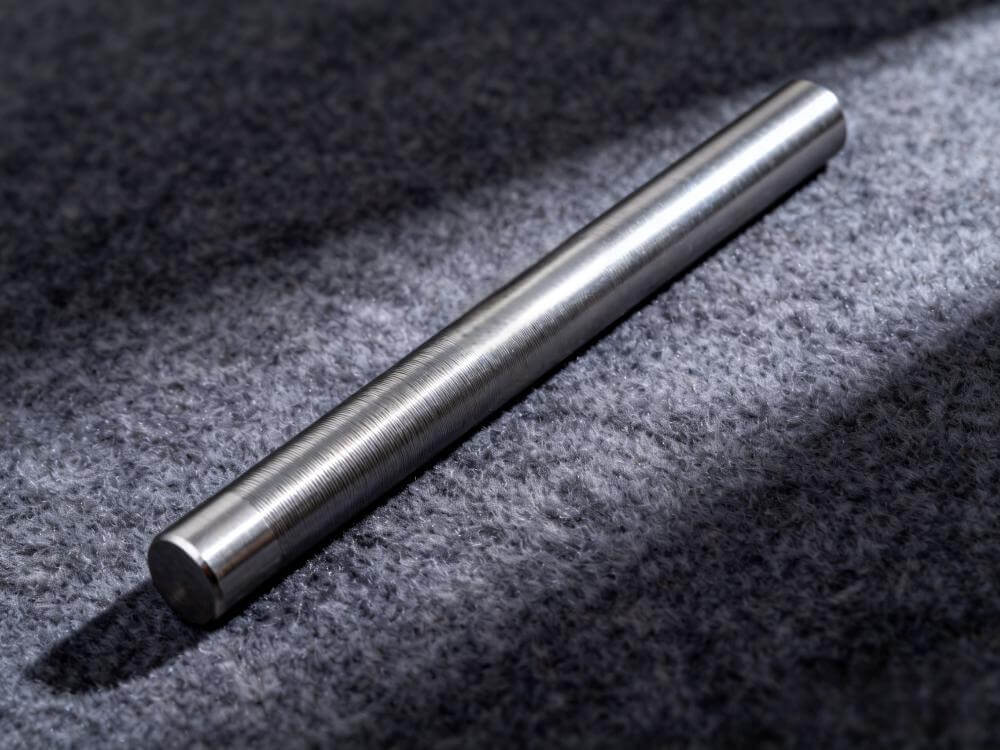
1 hour ago
Fraunhofer's "Powerpaste" Hydrogen Tech Faces Critical Analysis, Efficiency and Scalability Concerns Highlighted
Read More
Fraunhofer's "Powerpaste" Hydrogen Tech Faces Critical Analysis, Efficiency and Scalability Concerns Highlighted
[SMM Magnesium Express] Fraunhofer's "Powerpaste" magnesium hydride hydrogen storage technology faces critical analysis. Producing 1kg H₂ requires ~10kg paste and 9kg pure water, with upstream magnesium production consuming 80-110 kWh electricity. Full system energy density comparable to batteries but efficiency only ~10%, with extremely low power output and complex thermal management. The technology remains chemically interesting but thermodynamically challenged, unable to scale beyond tiny demonstration systems.
1 hour ago
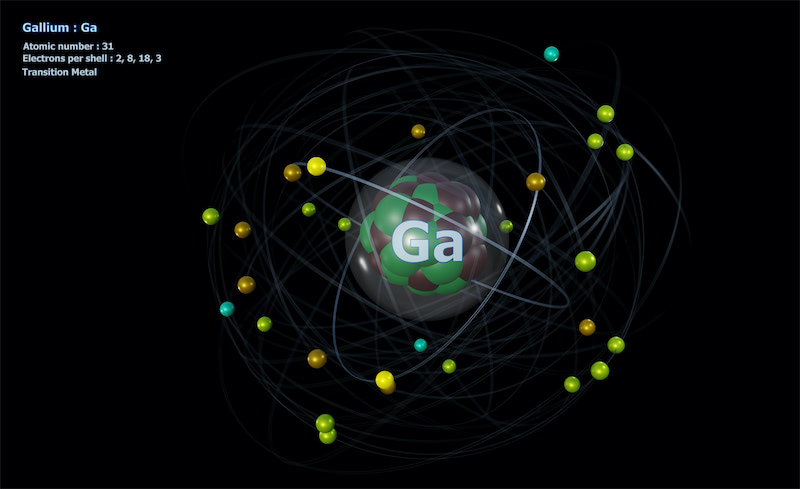
1 hour ago
Russian Plant Begins Production of Rare Earth Magnesium Alloys for High-Tech Industries
Read More
Russian Plant Begins Production of Rare Earth Magnesium Alloys for High-Tech Industries
[SMM Magnesium Express] Russia's Solikamsk Magnesium Plant has commenced industrial production of magnesium alloys containing rare earth metals including neodymium, cerium and lanthanum. The lightweight, high-strength alloys target aerospace, automotive, energy and oil & gas applications, reducing structural weight and improving equipment efficiency. Operating since 1936, the plant now produces 75% of Russia's magnesium.
1 hour ago
Related News
Russia Launched Industrial Production of Rare-Earth Magnesium Alloys, While Germany’s "Magnesium-Based Hydrogen Slurry" Technology Faced Systematic Questioning [SMM Survey]
Mar 19, 2026 14:56
Fraunhofer's "Powerpaste" Hydrogen Tech Faces Critical Analysis, Efficiency and Scalability Concerns Highlighted
Mar 19, 2026 14:40
Russian Plant Begins Production of Rare Earth Magnesium Alloys for High-Tech Industries
Mar 19, 2026 14:36
Guizhou's 2026 Key Projects List Includes Multiple Titanium Chemical Ventures
Mar 19, 2026 13:54