

European Study Reveals Deep-Sea Mining's Severe Blow to Seabed Fauna
The study, led by scientists from the Natural History Museum, the University of Gothenburg, and the National Oceanography Centre, tracked and monitored a deep-sea mining machine in the eastern Pacific Ocean to assess its potential impact on marine species over a two-year period.
This research, which collected data from 3,000 mt of polymetallic nodules at a depth of 4,280 meters, represents the largest assessment to date of the impact of deep-sea mining on marine life. The entire project took five years to complete, with the research team conducting over 160 days of offshore operations and three years of laboratory analysis.
The findings were published in the journal *Nature Ecology & Evolution*. The study revealed that during the sampling period, the density of macrofauna (organisms visible to the naked eye) in the mining area decreased by 37%, while species richness declined by 32%.
Data Source Statement: Except for publicly available information, all other data are processed by SMM based on publicly available information, market communication, and relying on SMM‘s internal database model. They are for reference only and do not constitute decision-making recommendations.
For any inquiries or to learn more information, please contact: lemonzhao@smm.cn
For more information on how to access our research reports, please contact:service.en@smm.cn
Related News
![Amid the Chinese New Year holiday, overseas rare earth raw material prices temporarily held steady [SMM Rare Earth Overseas Weekly Review]](https://imgqn.smm.cn/usercenter/QLmfa20251217171745.jpg)
Feb 20, 2026 14:49
Amid the Chinese New Year holiday, overseas rare earth raw material prices temporarily held steady [SMM Rare Earth Overseas Weekly Review]
Read More
Amid the Chinese New Year holiday, overseas rare earth raw material prices temporarily held steady [SMM Rare Earth Overseas Weekly Review]
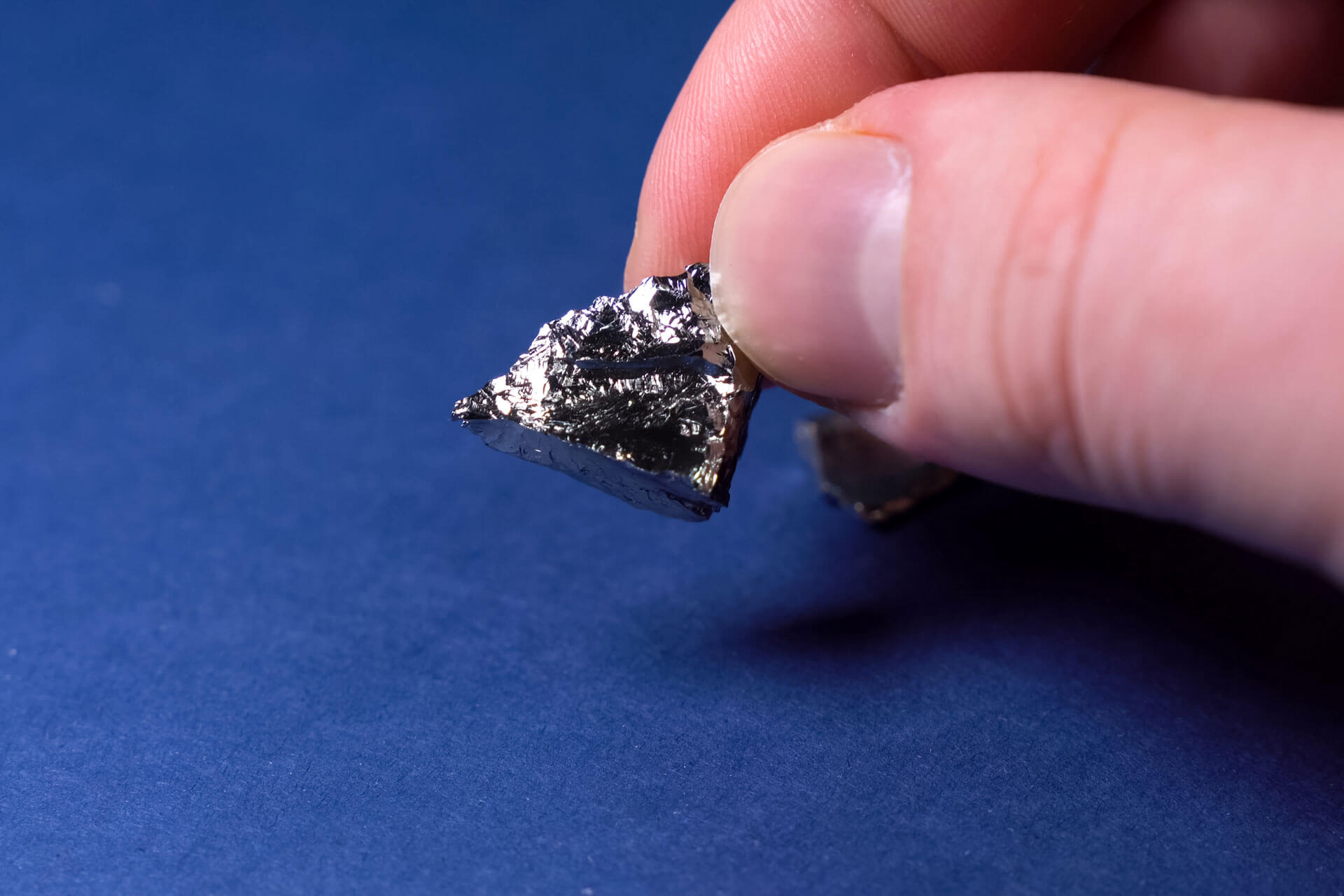
This week coincided with the Chinese New Year holiday, with most rare earth producers temporarily suspending external shipments and maintaining pre-holiday price levels. On the trading side, overseas inquiries increased in frequency, while domestic enterprises selectively took orders. Some companies, facing a shortage of spot resources, halted external shipments. In news, the opening of India's artificial intelligence summit became the hottest topic this week, with multiple countries announcing plans to strengthen rare earth mining to secure local supply chains.
Feb 20, 2026 14:49
Feb 13, 2026 16:46
CME Considers World’s First Rare Earth Futures Contract
Read More
CME Considers World’s First Rare Earth Futures Contract
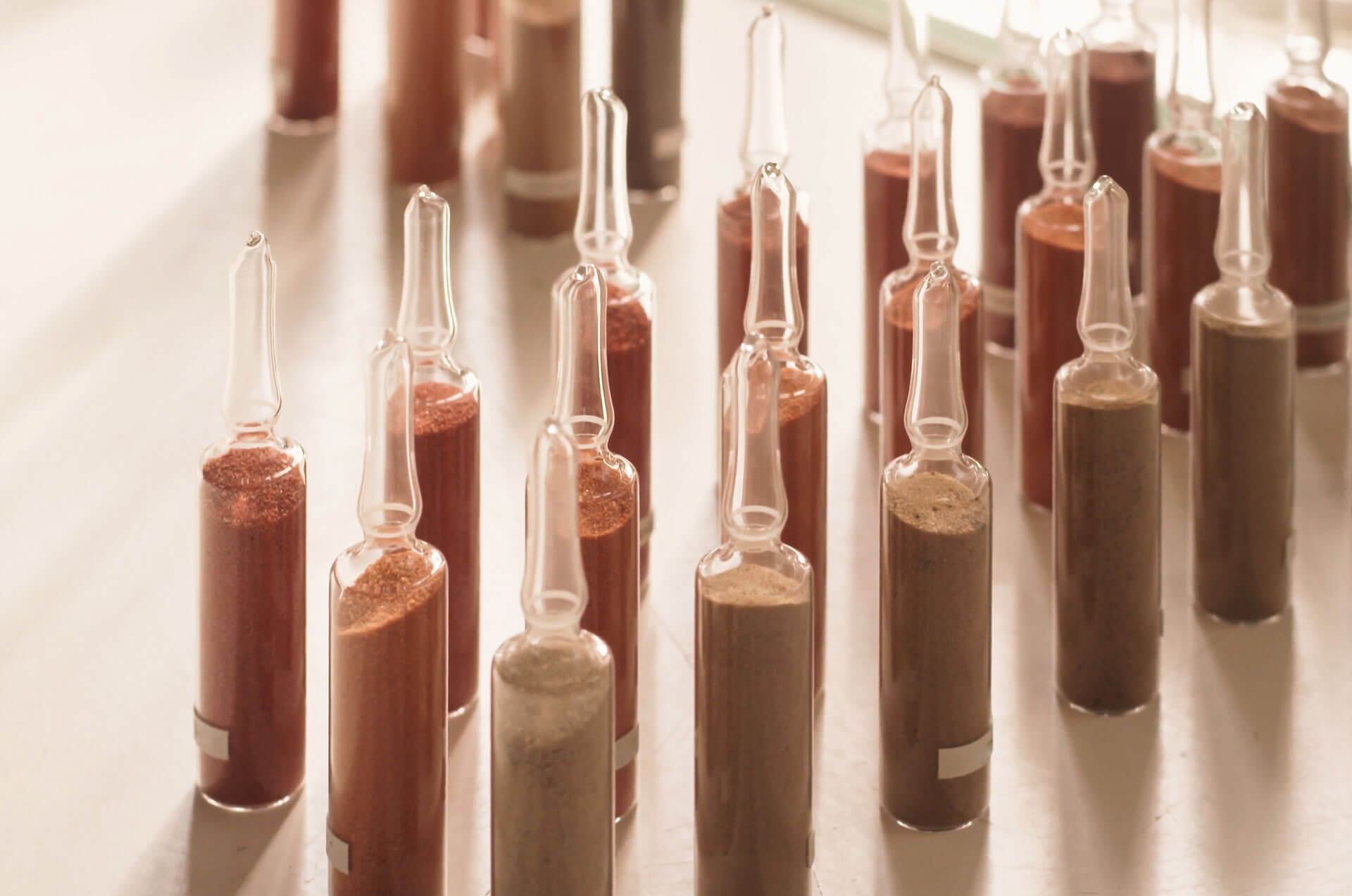
The Chicago Mercantile Exchange (CME), the world’s largest derivatives exchange, is considering the launch of the world’s first rare earth futures contract, Reuters reported on 12th (local time).
According to the report, CME is preparing a futures contract linked to neodymium–praseodymium (NdPr), a key rare earth alloy used in high-performance permanent magnets for electric vehicles and wind turbines.
Feb 13, 2026 16:46
Feb 13, 2026 14:31
US Negotiates Heavy Rare Earth Processing with Brazil to Strengthen Critical Mineral Supply Chain
Read More
US Negotiates Heavy Rare Earth Processing with Brazil to Strengthen Critical Mineral Supply Chain
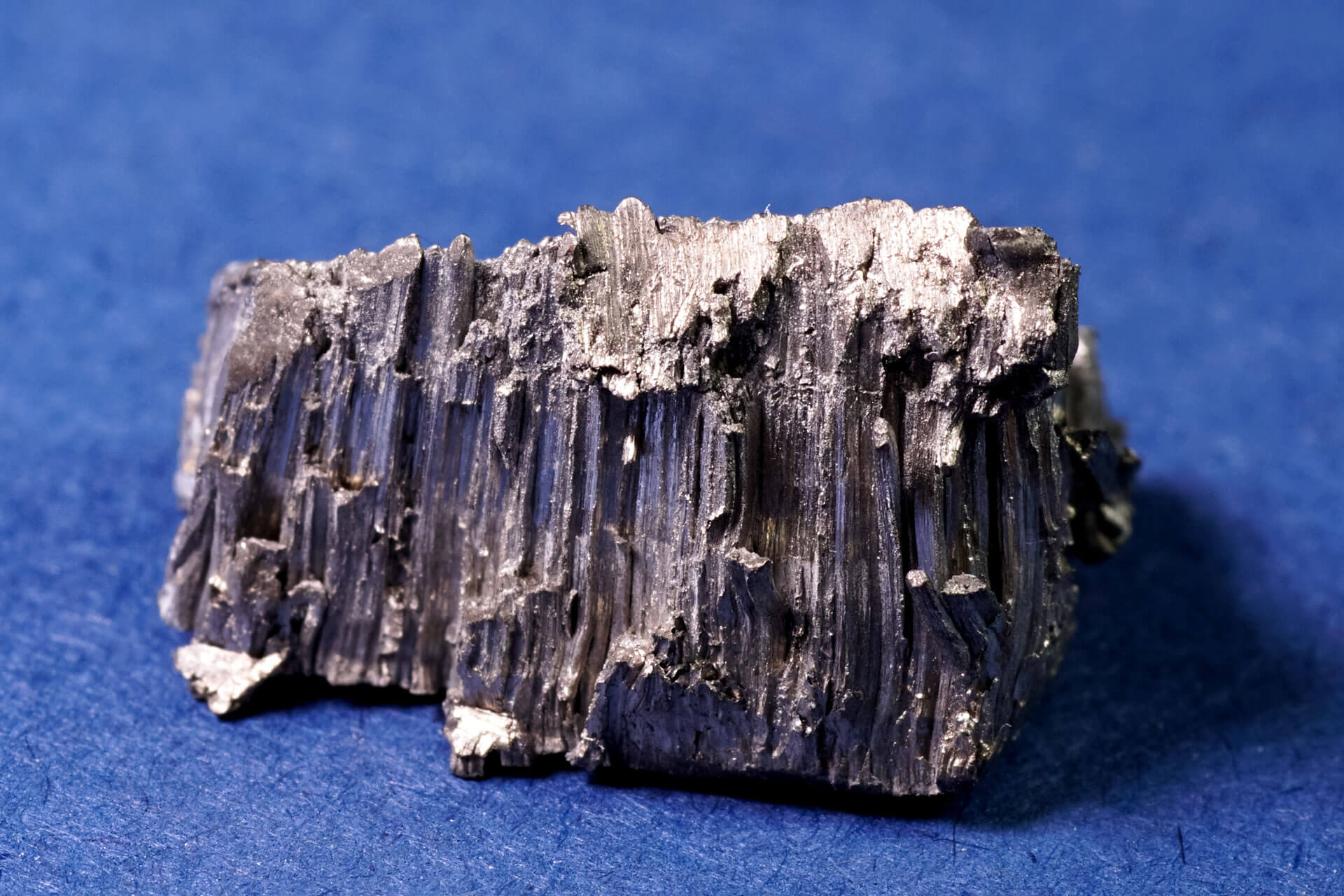
US Assistant Secretary of State Caleb Orr stated that the US is actively negotiating with Brazil to develop critical mineral processing capabilities, with a focus on heavy rare earths. Orr said Brazil is an "important" partner in building a resilient Western supply chain. The US has invested in Brazil's Serra Verde and Aclara rare earth projects through the DFC to produce mixed rare earth carbonate containing dysprosium and terbium for use in permanent magnetic materials. Brazil holds the world's second-largest rare earth reserves but lacks processing capacity. Brazilian President Lula emphasized that foreign companies must invest in downstream facilities to achieve an end-to-end value chain.
Feb 13, 2026 14:31
Related News
Amid the Chinese New Year holiday, overseas rare earth raw material prices temporarily held steady [SMM Rare Earth Overseas Weekly Review]
Feb 20, 2026 14:49
CME Considers World’s First Rare Earth Futures Contract
Feb 13, 2026 16:46
US Negotiates Heavy Rare Earth Processing with Brazil to Strengthen Critical Mineral Supply Chain
Feb 13, 2026 14:31
US Supports Africa's Monte Muambe Rare Earth Project
Feb 13, 2026 14:26