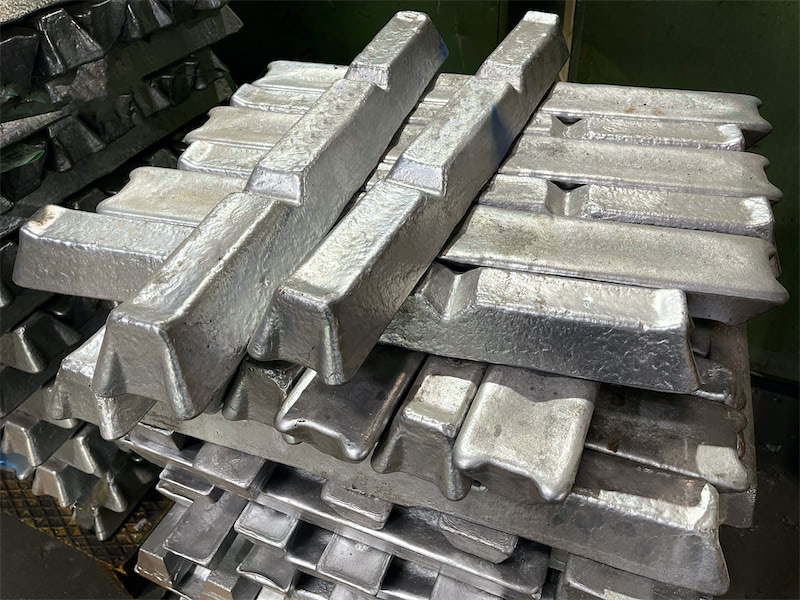
La décision des États-Unis de doubler les droits de douane sur l’aluminium au titre de l’article 232, les portant à 50 % le 4 juin (après avoir été fixés à 25 % depuis la mi-mars), a instantanément remodelé les courbes de coûts et les flux commerciaux. Les producteurs exportant vers les États-Unis ont vu leurs marges se rétrécir malgré une hausse de la prime du Midwest.
Les recettes d’Alcoa ont chuté à environ 3 018 milliards de dollars, soit une baisse d’environ 10 % par rapport au premier trimestre, tandis que le bénéfice net est tombé à 164 millions de dollars, contre 548 millions de dollars un an plus tôt (bien qu’il soit toujours supérieur aux 20 millions de dollars du premier trimestre). L’EBITDA ajusté est tombé à 313 millions de dollars, contre environ 855 millions de dollars au trimestre correspondant de l’année précédente, sous la pression de la baisse des prix réalisés et de la hausse des coûts. Les droits de douane ont été le choc le plus spectaculaire : 115 millions de dollars de droits au deuxième trimestre sur les importations canadiennes, contre seulement 20 millions de dollars au premier trimestre. La prime du Midwest a augmenté, mais pas assez pour neutraliser un prélèvement de 50 %. La direction a réagi en redirigeant le métal canadien vers l’Europe et l’Asie, en faisant pression sur Washington pour obtenir une réduction des droits de douane, en gelant les redémarrages à coût élevé, en vendant des actifs non stratégiques (y compris une participation dans une coentreprise saoudienne) et en resserrant les opérations pour préserver la trésorerie.
Rio Tinto, qui expédie environ les trois quarts de la production d’aluminium du Canada vers les États-Unis, a absorbé plus de 321 millions de dollars de coûts de droits de douane au premier semestre de 2025. Environ 723 000 tonnes se sont dirigées vers le sud, amplifiant l’impact de la hausse des droits. Les dirigeants ont qualifié cette politique de « déformatrice du marché », affirmant qu’elle alourdissait le fardeau des acheteurs américains sans rendre les producteurs nationaux plus compétitifs. Les primes du Midwest ont bondi à un niveau record de 0,66 dollar la livre à la fin du deuxième trimestre, permettant une répercussion partielle mais laissant toujours un écart de rentabilité. La société pousse davantage de volumes vers l’Europe et l’Asie, acceptant des délais de transit plus longs et des coûts de fret plus élevés. Aux États-Unis, les hausses de prix sont calibrées pour partager la douleur sans étouffer la demande. L’incertitude politique force Rio Tinto à réévaluer le déploiement de ses capitaux aux États-Unis, et des détails supplémentaires sont attendus dans son prochain rapport semestriel.
Norsk Hydro, moins exposée aux droits de douane directs des États-Unis, a plutôt enregistré un trimestre solide : l’EBITDA ajusté a atteint 7,79 milliards de NOK, soit une hausse de 33,4 % en glissement annuel, grâce à la hausse des prix de l’aluminium et de l’électricité ainsi qu’aux gains d’efficacité. Le bénéfice net a également augmenté. Néanmoins, la direction a reconnu les vastes effets d’entraînement de la politique commerciale américaine. L’approvisionnement nord-américain resserré et les primes régionales plus élevées ont offert un coussin à court terme aux producteurs occidentaux, et Hydro a bénéficié du retour de certaines commandes vers les sources nationales. La demande nord-américaine pour les extrusions a baissé de 1 % en glissement annuel, mais a progressé de 5 % par rapport au premier trimestre, ce qui laisse entrevoir une stabilisation. La société a néanmoins averti que des frictions commerciales prolongées pourraient étouffer la croissance mondiale et affaiblir la consommation d'aluminium.
Pour rester agile, Hydro a réduit de 1,5 milliard de NOK (environ 147,5 millions de dollars) ses dépenses d'investissement pour 2025, gelé les embauches externes de cols blancs et lancé une restructuration qui entraînera la suppression de plus de 100 emplois, principalement dans le secteur des extrusions, afin de réduire les coûts fixes. Elle se positionne en même temps pour saisir les opportunités issues des flux commerciaux redirigés, tout en gardant un œil sur l'excédent chinois et en se préparant à des ajustements de la chaîne d'approvisionnement si les turbulences politiques s'intensifient.
Plusieurs fils conducteurs traversent ces trois histoires. Les droits de douane sont devenus un instrument brutal, faisant augmenter les coûts plus vite que les primes. Les chaînes d'approvisionnement sont reconfigurées à toute vitesse, ce qui ajoute de la complexité et des coûts logistiques. Une « protection » à court terme par le biais de prix nationaux plus élevés peut aider certains, mais l'inquiétude à long terme est la destruction de la demande si les guerres commerciales persistent. La discipline des coûts est devenue au centre de la stratégie, que ce soit par la vente d'actifs, la réduction des dépenses d'investissement ou la réduction des effectifs, et les directions générales s'expriment plus fermement contre les barrières commerciales qu'elles considèrent comme contreproductives.
Les perspectives immédiates dépendent de la question de savoir si les droits de douane de 50 % persistent, jusqu'où la prime du Midwest peut aller et si les producteurs peuvent continuer à jongler avec les marchés sans aliéner leurs clients. Si aucun allégement n'intervient, les droits de douane pourraient devenir une ligne de budget permanente, entraînant des changements structurels plus profonds dans l'endroit où l'aluminium est fabriqué et vendu. Pour l'instant, les principaux acteurs de l'aluminium improvisent en temps réel, équilibrant les augmentations de prix avec les risques de demande, déplaçant des tonnes d'un océan à l'autre et faisant pression pour obtenir des clarifications, essayant de dégager une rentabilité dans un environnement politique où la certitude est rare.