SHANGHAI, August 5 (SMM) –
Copper
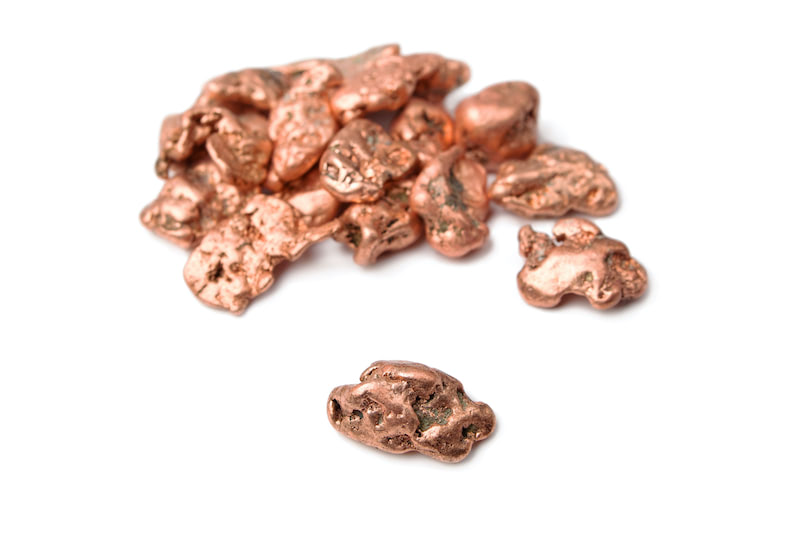
Last Friday night, LME copper opened at $9,105.5/mt, and experienced wide fluctuations from the beginning to the middle of the session, reaching a high of $9,144.5/mt. It then declined towards the end of the trading session, hitting a low of $9,037/mt, and finally closed at $9,087/mt, up 0.94%. The trading volume reached 22,000 lots, and the open interest reached 292,000 lots. Last Friday night, the most-traded SHFE 2408 copper contract opened at 73,680 yuan/mt, reached a high of 73,980 yuan/mt at the beginning, then fluctuated downward, hitting a low of 72,880 yuan/mt at the end of the trading session, and finally closed at 73,220 yuan/mt, down 0.97%. The trading volume reached 81,000 lots, and the open interest reached 179,000 lots. Macro front, last Friday, sharply lower-than-expected non-farm payrolls data intensified market concerns about recession prospects, rapidly boosting global market risk aversion sentiment, and copper prices also showed a significant decline. Attention should be paid to the PMI data to be released this week, which will provide guidance for market sentiment. Fundamentally, copper prices fluctuated significantly, with strong market wait-and-see sentiment. With the consumption off-season, market demand was not strong. In terms of prices, under the influence of weak macro sentiment, copper prices are expected to barely rise.
Aluminum
Market: On Friday night, the most-traded SHFE aluminum 2409 contract opened at 19,135 yuan/mt, reaching a high of 19,195 yuan/mt and a low of 18,905 yuan/mt, and closed at 18,995 yuan/mt, down 225 yuan/mt, a decrease of 1.17%. The previous trading day, LME aluminum opened at $2,279/mt, with a high of $2,304/mt and a low of $2,257/mt, and closed at $2,263/mt, down $10.5/mt, a decrease of 0.46%.
Summary: On the macro level, the Chinese government continues to boost the domestic economy, the US Fed's rate cut expectations are increasing, global liquidity is becoming more abundant, together with the escalation of regional conflicts, providing some upward momentum for aluminum prices. However, on the fundamentals side, aluminum still shows a pattern of supply growth and weak demand. The production of aluminum in July is expected to increase to around 3.68 million mt, and social inventory remains at a high level for the same period, putting pressure on aluminum prices. In the short term, both macro and fundamental factors are mixed, and aluminum prices are expected to fluctuate widely.
Lead
Last Friday, LME lead opened at $2,054/mt and consolidated during the Asian session. Entering the European session, bears increased their positions, causing LME lead to fluctuate downward to a low of $2,018/mt. It closed at $2,035/mt, a decrease of 0.76%.
Last Friday night, the most-traded SHFE 2409 lead contract opened at 18,160 yuan/mt, briefly touched a high of 18,205 yuan/mt at the beginning of the session, and then continued to decline as bears increased their positions. SHFE lead fluctuated downward, reaching a low of 17,905 yuan/mt in the night session, and closed at 17,910 yuan/mt, a decrease of 2.13%.
Zinc
Last Friday, LME zinc opened at $2,676/mt. At the beginning of the session, LME zinc fluctuated upwards, trading above the average daily line. During the European trading session, it peaked at $2,717/mt. Subsequently, bears targeted the high levels, causing LME zinc to move downwards near the average daily line. Entering the night session, LME zinc accelerated its decline, hitting a low of $2,648/mt at the end of the trading session, and finally closed at $2,662/mt, down $18.5/mt or 0.69%. Trading volume decreased to 9,792 lots, and open interest increased by 2,773 lots to 221,000 lots. Last Friday, LME zinc recorded a long upper shadow bearish candlestick, with the 10-day moving average forming resistance. LME zinc inventory decreased by 2,125 mt to 232,550 mt, a drop of 0.91%, continuing its downward trend. Despite the US employment data being significantly lower-than-expected and the US Fed's rate cut expectations strengthening, poor US economic data heightened recession concerns, causing LME zinc to rise and then fall back.
Last Friday, the most-traded SHFE zinc contract 2409 opened lower at 22,860 yuan/mt. At the beginning of the session, after a brief high of 22,885 yuan/mt due to a tug-of-war between long and short positions, increased short positions pressured SHFE zinc to fall to a low of 22,395 yuan/mt. After a slight pullback at the end of the trading session, it closed at 22,570 yuan/mt, down 290 yuan/mt or 1.27%. Trading volume decreased to 105,000 lots, and open interest increased by 3,395 lots to 87,587 lots. Last Friday, SHFE zinc recorded a bearish candlestick, with the KDJ indicator expanding downwards. Due to poor overseas economic data, SHFE zinc traded weakly. However, the supply side still supported zinc prices, limiting the extent of the decline.
Tin
SHFE 2409 tin contract closed at 247,800 yuan/mt in the night session last Friday, down 490 yuan/mt, a decrease of 0.2%.
Last Friday morning, spot premiums and discounts in domestic spot market for various tin ingot brands were as below. Small brand tin ingots were offered at premiums of 500-1,500 yuan/mt over SHFE 2409 tin contract, versus premiums of 400-1,500 yuan/mt for delivery brands and premiums of 700-1,100 yuan/mt for Yunxi brand. Last Friday, tin prices saw a slight rebound, with most downstream producers adopting a wait-and-see attitude. Most companies' inventories increased compared to earlier periods, leading to low purchasing willingness. Overall, the spot market remained sluggish last Friday.
Nickel
Last week, SHFE nickel prices showed a trend of first rising and then falling. They increased from 126,240 yuan/mt on Monday to a peak of 133,960 yuan/mt during the week, before falling back to around 130,000 yuan/mt. Last week, nickel prices were significantly influenced by macro factors, generally rising from a week ago. In July, nickel prices overall showed a downward trend, once dropping to the lowest point since Q3 last year. Due to the decline in nickel prices, there was a risk of losses in related sectors. The renewed favourable macro front provided upward momentum for nickel prices. On the macro front, the US GDP data exceeded expectations, and Japan's interest rate hike also had an impact. After a continuous decline, macro sentiment rebounded. Additionally, last week, the US Fed monetary policy meeting announced that the target range for the federal funds rate would remain unchanged at 5.25% to 5.5%. The Fed hinted that if progress continues in fighting inflation, it might announce a rate cut at the September meeting this year. Fed Chairman Powell stated that if the relevant data meets expectations, the Fed might gradually cut rates by the end of the year, making the US July unemployment rate and non-farm payrolls data to be released last Friday particularly crucial. If the data falls short of expectations, it could impact nickel prices this week. On the fundamentals side, the rise in nickel prices last week led to weaker purchasing sentiment among downstream. However, traders were more active in receiving goods, mainly as spot premiums/discounts declined and some end-users conducted hedging operations. Due to the decline in nickel prices at the beginning of the week, the import window opened on Wednesday night, and some traders began purchasing overseas nickel plates from bonded areas. Overall, the favourable macro sentiment continued to ferment, and the supply-demand mismatch still existed, with weak downstream demand. However, recent macro factors had a greater impact on nickel prices. Therefore, it is expected that SHFE nickel prices will continue to fluctuate upward this week.