Overview of Lithium
Introduction to Lithium as a Vital Resource
Lithium, a silvery-white alkali metal, has emerged as one of the most sought-after resources in the modern industrial world. Its unique properties, including low density and high electrochemical potential, make it indispensable in numerous high-tech applications. The rapid growth in demand for lithium-based products is a testament to its vital role in advancing technology and promoting sustainability. As a fundamental component in the production of batteries, particularly for electric vehicles (EVs) and renewable energy storage solutions, lithium's strategic importance cannot be overstated.
Historical Context of Lithium Usage
Historically, the use of lithium dates back to the early 1800s, when it was first extracted from mineral ore. However, its commercial applications were limited until the mid-20th century when it began to be used in psychiatric medications and high-temperature greases. The real game-changer came with the development of lithium-ion batteries in the 1990s, transforming electronic devices and fostering the growth of the mobile technology industry. Today, lithium's applications extend far beyond, from aerospace engineering to large-scale renewable energy storage, reflecting its evolving economic significance over time.
Factors Influencing Lithium Prices
Market Demand and Supply Dynamics
The primary driver of lithium prices is the robust interplay between market demand and supply dynamics. As global industries increasingly pivot towards sustainable practices, the demand for lithium has surged, particularly within the electric vehicle sector. This spike in demand is met with varying supply chains that can be impacted by geopolitical stability, mining conditions, and logistical challenges. Countries rich in lithium reserves, such as Australia, Chile, and China, often hold significant sway over global prices due to their production capacities and export regulations. Any disruptions, be it labor strikes at mines or changes in trade policies, can lead to substantial price fluctuations in the global markets.
Technological Advancements in Extraction and Processing
Advancements in extraction and processing technologies profoundly influence lithium prices. Traditional mining methods, while effective, often involve high costs and environmental impacts. Innovations in direct lithium extraction (DLE) and recycling methodologies are pushing the boundaries of efficiency and sustainability. These technological advancements can potentially lead to lower production costs and increased supply, thereby stabilizing or even reducing lithium prices. Furthermore, continuous research in battery technology aims to improve the efficiency and longevity of lithium-ion batteries, indirectly impacting the demand and, consequently, the market prices.
Global Economic Trends
Global economic trends, including macroeconomic factors like inflation rates, currency fluctuations, and international trade agreements, play a significant role in shaping lithium prices. Economic growth in major markets such as China, the European Union, and the United States correlates with an increased demand for electric vehicles and renewable energy solutions. Conversely, economic recessions or downturns can dampen demand prospects, leading to a softening of lithium prices. Additionally, governmental policies promoting green energy initiatives and environmental sustainability also drive the market dynamics, influencing both supply chain investments and end-user demand patterns.
As an expert in Metals and a comprehensive non-ferrous metal Internet platform provider, Shanghai Metals Market (SMM) provides a comprehensive Internet platform for metal mining benchmark prices, analysis, news, consulting and conferences. In addition, we will provide you with the most authoritative information on a variety of metals.
Applications Driving Demand for Lithium
Role in Battery Production for Electric Vehicles
One of the primary applications driving the demand for lithium is its critical role in battery production for electric vehicles (EVs). The shift from internal combustion engines to electric propulsion systems has significantly increased the need for high-performance batteries. Lithium-ion batteries are preferred due to their high energy density, long lifespan, and rapid charge-discharge capabilities. Major automotive manufacturers are investing heavily in EV technology, leading to exponential growth in lithium demand. As countries and cities set ambitious targets to reduce carbon emissions, the adoption of EVs is projected to intensify, further escalating the need for lithium.
Importance in Renewable Energy Storage Solutions
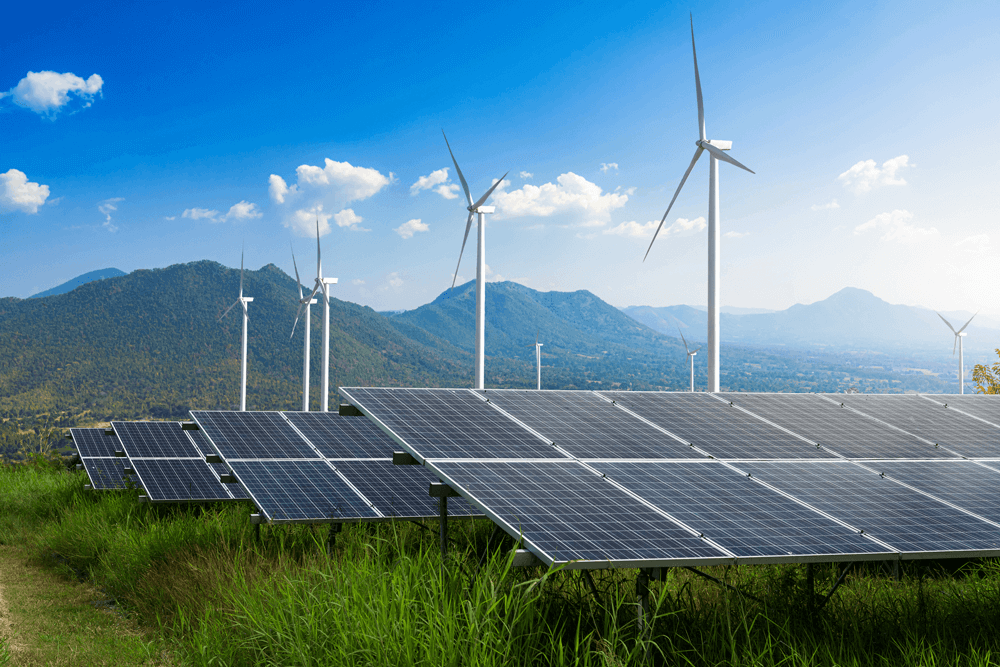
Lithium is also indispensable for renewable energy storage solutions, which are crucial for balancing supply and demand in the energy grid. Solar and wind energy, while sustainable, are intermittent sources, necessitating robust storage systems to ensure a consistent energy supply. Lithium-ion batteries provide an effective solution for this challenge due to their efficiency and scalability. Innovations in battery storage technology are making it more feasible to store large amounts of energy, which can be utilized during periods of low renewable energy generation. This technological advancement enhances grid reliability and facilitates the integration of more renewable energy sources into the power grid, boosting lithium demand.
Use in Consumer Electronics
The use of lithium-ion batteries extends beyond EVs and renewable energy storage to a vast array of consumer electronics. Smartphones, laptops, tablets, and wearables all rely on lithium-ion batteries for their portable power needs. The consumer electronics market is continuously expanding with new products and technologies, driving up the demand for lithium. With the advent of 5G technology, augmented reality (AR), and virtual reality (VR), the dependency on lithium for consumer devices is expected to grow even further. The increasing dependency on electronic devices for daily activities underscores the critical nature of lithium in modern life.
Environmental and Regulatory Considerations
Impact of Lithium Extraction on the Environment
The impact of lithium extraction on the environment is a noteworthy consideration. Traditional mining methods, such as open-pit mining and brine extraction, can lead to significant ecological disturbances. These methods may result in soil degradation, water depletion, and contamination from chemical leaks. The environmental footprint of lithium mining has prompted the industry to explore more sustainable practices, such as direct lithium extraction (DLE) which requires less water and causes less land disruption. However, the industry still faces scrutiny from environmental organizations and local communities, who demand stricter regulations and greener practices to mitigate these adverse effects.
International Regulations and Policies Governing Lithium Mining
Several international regulations and policies govern lithium mining, aimed at ensuring that extraction processes are conducted responsibly. Regulatory frameworks vary by country, with some nations implementing stringent environmental protection standards and labor practices. For example, countries like Chile and Argentina, major lithium producers, have established policies to monitor water usage and reduce environmental impacts. On a global scale, initiatives are underway to create more consistent standards and promote best practices across the industry. Investors and companies must navigate these regulatory landscapes carefully, balancing compliance with operational efficiency.
Future Outlook for Lithium Prices
Predictions and Trends Based on Market Analysis
Market analysis suggests that lithium prices are likely to remain volatile in the future, driven by various intersecting factors. As EV adoption continues to rise, the upward pressure on lithium demand will likely persist. Additionally, the ongoing advancements in renewable energy storage will further support demand growth. However, fluctuations in supply chains, geopolitical developments, and technological breakthroughs in battery technology could introduce price volatility. Analysts predict that while short-term price spikes may occur, the long-term trend will be towards stabilization as new sources of supply come online and extraction technologies improve.
Potential Challenges and Opportunities for Investors
The future landscape for lithium presents both challenges and opportunities for investors. Potential challenges include sourcing reliable supply chains, navigating complex regulatory requirements, and contending with environmental and social governance (ESG) concerns. On the flip side, opportunities abound in areas such as investing in mining companies, supporting technological innovations in lithium extraction and battery recycling, and exploring emerging markets with untapped lithium reserves. Investors who strategically position themselves in the lithium market could benefit from the rising demand driven by the global push towards sustainability and technological advancement.
Shanghai Metals Market (SMM) Headquartered in Shanghai, with branch office in Shandong and Guangdong province. We have extensive network and deep-rooted relationships in SMM nonferrous, ferrous and EV metal industries. At SMM, we help you Know the real China from a global perspective.
Practical Implications for Investors and Industries
Strategies for Navigating Price Fluctuations
To navigate the fluctuations in lithium prices, investors and industries should adopt robust strategies. Diversifying investments across different segments of the lithium supply chain can mitigate risks associated with price volatility. Engaging in long-term contracts with lithium producers could also provide price stability and secure supply. Moreover, staying informed about market developments and geopolitical events that could impact supply and demand dynamics is crucial. Companies can invest in R&D to improve efficiency in battery technology and explore alternative battery materials that could reduce dependency on lithium.
Long-term Benefits of Investing in Lithium
Long-term investments in lithium hold significant benefits, both economically and environmentally. As the world transitions towards cleaner energy sources and electric transportation, the demand for lithium is poised to grow. Investing in lithium can yield substantial returns as the market expands, driven by technological advancements and policy support for green initiatives. Additionally, long-term investments can contribute to sustainable practices by funding improvements in lithium extraction and recycling technologies. Industries that align their strategies with the global sustainability agenda can enhance their market position and contribute positively to environmental stewardship.
![Marché des applications de seconde vie stable, le carbonate de lithium monte puis baisse, la demande LFP surpasse le ternaire [Revue hebdomadaire SMM]](https://imgqn.smm.cn/usercenter/GVVKq20251217171728.jpg)
![[SMM Revue hebdomadaire] Marché du recyclage hydrométallurgique cette semaine : marchés du cobalt pur et de la masse noire ternaire atones, prix du LFP globalement oscillants, 31.08.2026-03.09.2026](https://imgqn.smm.cn/usercenter/fblvS20251217171729.png)
![Graphite artificiel stable en attente d'une hausse des prix, le graphite naturel reste atone [Revue hebdomadaire du marché des matières premières pour anodes de batteries au lithium SMM]](https://imgqn.smm.cn/usercenter/oVqJl20251217171730.jpg)