SHANGHAI, Dec 2 (SMM) - SMM data showed that the PMI for China’s aluminium processing sectors dipped 0.3 point month-on-month to 42.4 in November, staying in the contraction territory for two consecutive months. In October-November, the production of domestic aluminium processing enterprises was disrupted by the pandemic, and new orders fell noticeably due to poor domestic and overseas demand. The purchase price index exceeded 50 due to rising raw material prices, while the remaining indexes stood either at or below 50. The PMI for all the aluminium processing sectors stood at below 50 in November. The aluminium extrusion sector performed the worst, affected by sharply shrinking demand from the real estate industry and halted outdoor construction projects in north China.
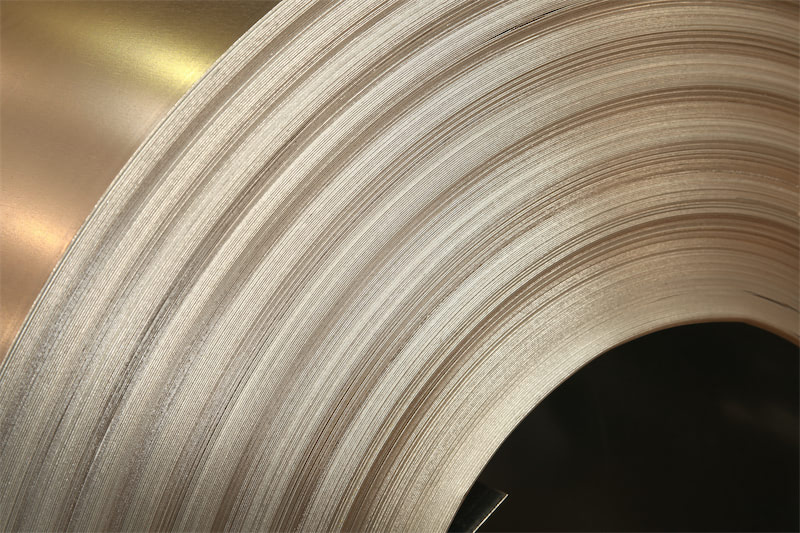
Aluminium plate/sheet and strip: The PMI for the sector rose 9.1 points MoM to 39.8 in November. The pandemic was severe across the country in November, with some cities such as Zhengzhou and Binzhou imposing stricter traffic controls. The difficulty in sourcing raw materials and poor orders in the off-season drove many enterprises to lower their operating rates. Looking into December, despite the global economic recession and pessimism about orders in the off-season, signs of relaxed pandemic controls will somehow restore market confidence over the transportation efficiency. If the transportation efficiency is significantly improved in December, the production and sales of some enterprises are expected to recover slightly, thereby pushing the PMI back into the expansion territory.
Aluminium foil: The PMI for the sector dipped 1.8 points MoM to 39.3 in November. Aside from the impact of the off-season, the pandemic also hit the purchases, production, shipments and orders of aluminium foil companies. The production and sales will remain poor in December due to the off-season. However, if the transportation efficiency increases, the inventory situation may improve and the PMI is expected to rebound.
Construction aluminium extrusion: The PMI for the sector slipped 0.08 point MoM to 44.2 in November. As many construction projects in the north were suspended, construction aluminium extruders reported sharp drop in their orders, causing the production index and new order index to fall to 44 and 41.4 respectively. This prompted construction aluminium extruders to reduce their raw material inventories, with the index for raw material inventories standing at 48.2. The index for supplier delivery stood at 40.1 as the pandemic affected the transportation efficiency. As the production is expected to continue to decline in December, the PMI will remain in the contraction territory.
Industrial aluminium extrusion: The PMI for the sector stood at 46.3 in November. The production and orders of industrial aluminium extruders also fell in the off-season, but were better than those of construction aluminium extruders. The index for production and new orders stood at 45.9 and 46 respectively. The operating rates of industrial aluminium extruders in east China did not fall drastically thanks to relatively strong orders from auto makers and photovoltaic module factories. The index for purchasing volume and raw material inventory stood at 47.1 and 48.7 respectively as rising aluminium prices suppressed the purchases. The PMI will remain in the contraction territory in December.
Aluminium wire and cable: The PMI for the sector dropped 3.9 points MoM to 45.3 in November, marking a third straight month that the PMI was in the contraction territory. The production of aluminium wire and cable plants in north-west and north-east was affected by the pandemic, while producers in Jiangsu and Zhejiang provinces generally maintained normal production. As the pandemic slowed the power grid construction, aluminium wire and cable plants reported insufficient new orders and backlog of finished product inventory. Most aluminium wire and cable plants restocked as needed, while a few stepped up their purchases out of fears that the pandemic would hinder the future shipments. Entering December, aluminium wire and cable plants lacked the motivation to produce amid poor orders. The PMI will remain below 50 this month.
Primary aluminium alloy: The PMI for the sector rose 2.3 points MoM to 43.5 in November. Many companies reported declines in their production and orders in the off-season. Strict pandemic controls hampered the transportation. Some producers plan to lower their operating rates further in December as the consumption may be even more sluggish. The PMI is expected to remain in the contraction territory this month.
Secondary aluminium alloy: The PMI for the sector sank 5 points MoM to 41.8 in November. The downstream demand declined, except for increasing orders from the new energy vehicle and related segments. Die-casting factories in south-west and south China suffered from production and transportation shocks caused by the pandemic. On the whole, weakening orders and the pandemic weighed on the operating rates of many secondary aluminium alloy plants. Although aluminium scrap supply increased slightly in November, the relatively high prices discouraged secondary aluminium alloy plants from buying. The raw material inventory of secondary aluminium alloy plants dropped slightly, and their inventory of finished products was also at a low level. In December, the demand for secondary aluminium alloy is expected to remain sluggish, and it will be difficult for the PMI to return to the expansion territory.
The domestic pandemic controls are likely to be loosened in December, which will allow the transportation to recover and encourage aluminium processing enterprises to gear up their production to make up for previous output loss. The orders in the construction extrusion and aluminium wire and cable sectors may continue to fall as more construction projects in the north will be halted in winter, while the orders from durable goods, packaging and industrial sectors are expected to see mild growth, driven by year-end efforts to meet the annual guidance. It is expected that aluminium semis exports will improve, driven by stocking from overseas customers ahead of the Christmas holiday and improved export profits. Based on the on-hand orders of aluminium processing enterprises and forecast for their future orders, SMM predicts that the PMI for the domestic aluminium processing sectors will remain in the contraction territory in December.