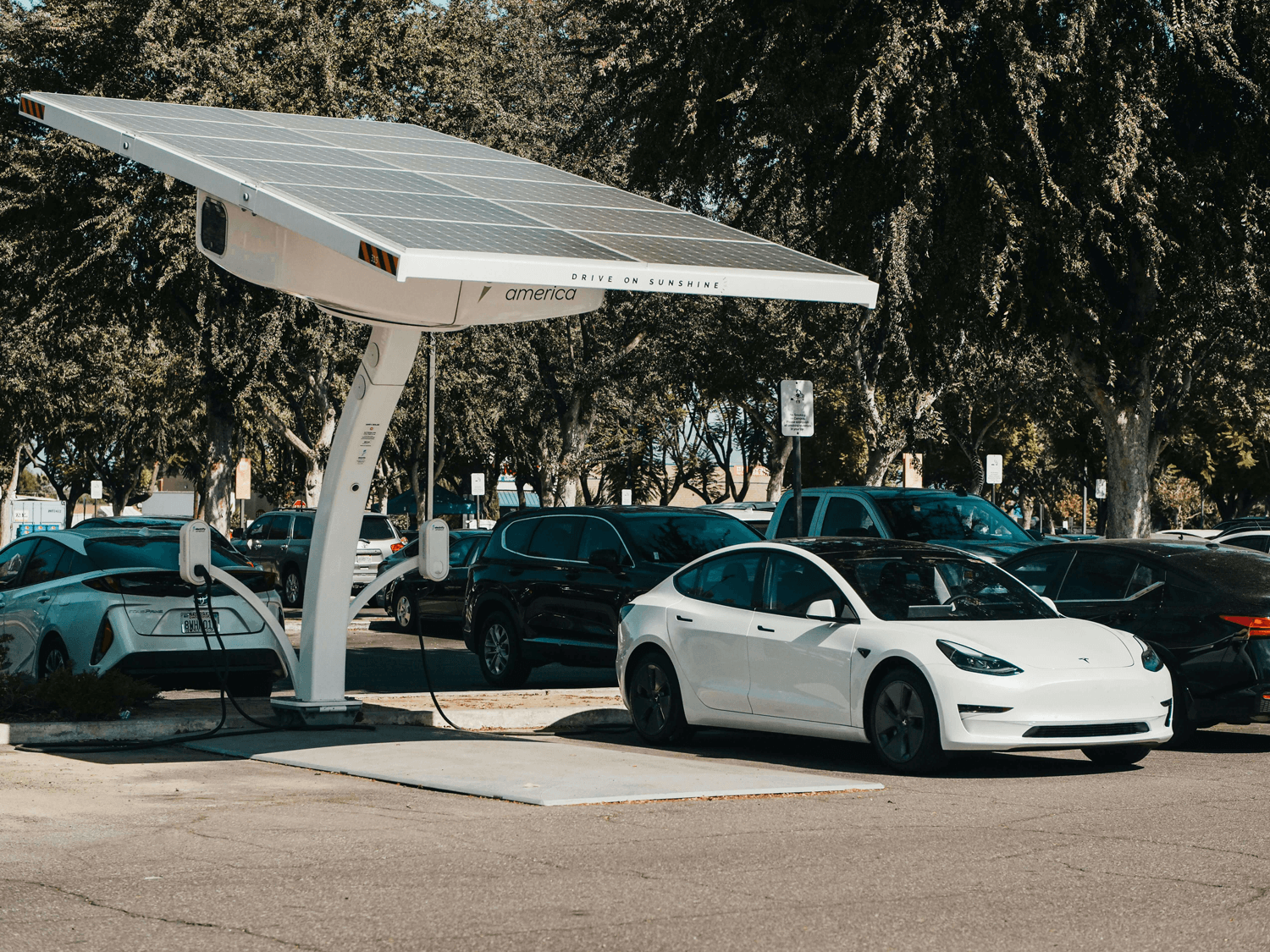
SMM: Tesla is ready to start selling Chinese-made Model3 cars equipped with cobalt-free lithium iron phosphate (LFP) batteries, according to two people familiar with the matter. At present, the Model3 cars produced by the company's factory in China use Ni-mn-Co (NMC) batteries.
The car starts at 271550 yuan ($39900), taking into account government subsidies. Tesla will announce the changes to the product as early as Thursday, the two sources said. Tesla had no immediate comment.
Although the energy density of lithium iron phosphate is lower than ternary, it has stable structure, good cycle and safety performance, so it is a cost-effective cathode material. According to Huaan Securities, lithium iron phosphate, a cathode material, can be reduced by 65-72% compared with ternary at the current price; considering the limit of cobalt-free and greatly reduced ternary price, the cost of lithium iron phosphate is still significantly better than that of ternary. It has a cost reduction advantage of 55% and 22% at the cathode and cell level, respectively. Because it does not contain precious metals such as cobalt and nickel, the price fluctuation of lithium iron phosphate is much less than that of ternary materials, which is conducive to cost control.
In addition, in the post-subsidy era, lithium iron phosphate has a cost-effective advantage. Under the current subsidy scheme, lithium iron phosphate has regained its economic advantage, and a significant cost reduction can still be achieved after considering the subsidy. According to Huaan Securities, the cost of the lithium-iron battery changed from three yuan to 13500 yuan decreased by 0.69-13500 yuan, equivalent to a drop of 13-27%. After considering the difference in subsidies, the cost decreased by 0.46-5600 yuan, equivalent to a drop of 9-11%.
In addition, "blade", "CTP" and other technologies increase the energy density of lithium iron phosphate system to 160Wh/kg. The proportion of lithium iron phosphate models in the promotion catalogue increased in 2020, and the installed proportion of passenger cars increased significantly, and the upward trend is expected to continue under the leadership of star models represented by Tesla Model3 and Biadihan.
It is worth noting that the installed proportion of lithium iron phosphate power batteries has rebounded since the beginning of this year, and the proportion of passenger cars has increased significantly. Lithium iron phosphate was installed from January to August 2020, accounting for 29.5%, down from 33.8% in 19 years. However, from the monthly data, the proportion as a whole showed an upward trend. In August, lithium iron phosphate installed 1.50GWhh, accounting for 29.8% of the power batteries. Passenger cars accounted for 17.3% of lithium iron phosphate installed from January to August 2020, up from 12.2% in 2019. Lithium iron phosphate in passenger cars in the warming trend has been shown, with a variety of lithium iron phosphate popular model delivery in the second half of the year, the proportion will continue to increase.
A list of concept stocks:
Ningde Times: the company is the world's leading provider of power battery systems, mainly covering the fields of power battery systems, energy storage systems and lithium battery materials for new energy vehicles, and is committed to providing first-class solutions for new energy applications around the world. In 2019, the company's domestic power battery installed capacity was 31.71GWH, with a market share of 51%, ranking first; lithium iron phosphate installed was 11.5GWH, with a market share of 57%, ranking first.
Guoxuan Hi-Tech: the company is engaged in independent research and development, production and sales of lithium batteries for new energy vehicles, and the products are used in pure electric, hybrid and other new energy vehicles. In 2019, the company's domestic power battery installed capacity of 3.2 GWH, market share of 5.2%, ranking third, second only to Ningde era, BYD; lithium iron phosphate installed capacity of 3.0 GWH, market share of 15%.
BYD: in 2019, the company's installed capacity of lithium iron phosphate is 2.6 GWH, with a market share of 13%, second only to Guoxuan Hi-Tech and Ningde era.
German Nano: the company is the first domestic manufacturer of nano-lithium iron phosphate, deeply ploughing nano-lithium iron phosphate for more than a decade, selling 23400 tons in 2019, with a market share of 29%, occupying a leading position in the industry.
Yiwei Lithium Energy: the company is the leader of the domestic lithium primary battery industry, lithium-ion battery technology industry leader, business mainly includes consumer battery and power battery research and development, production and sales. In 2019, the installed capacity of domestic power batteries was 1.74GWH, with a market share of 2.8%, ranking fifth; and lithium iron phosphate was installed with 1.72GWH, with a market share of 9%, ranking fourth.
Pengxin Resources: the company's business covers lithium-ion batteries, primary batteries (lithium-iron batteries, lithium batteries, etc.), Ni-MH batteries, products used in new energy vehicles, light power, energy storage and consumer digital fields.
![Graphite artificiel stable en attente d'une hausse des prix, le graphite naturel reste atone [Revue hebdomadaire du marché des matières premières pour anodes de batteries au lithium SMM]](https://imgqn.smm.cn/usercenter/oVqJl20251217171730.jpg)
![Prix des électrolytes en hausse cette semaine (31.08-03.09.2026) [Revue hebdomadaire du marché des électrolytes pour batteries au lithium SMM]](https://imgqn.smm.cn/usercenter/HySQT20251217171731.png)
![« Pic de septembre » : le resserrement de l’offre et de la demande soutient les conditions du marché ; hausse généralisée des prix de façon de la graphitisation [Revue hebdomadaire du marché des matières premières pour anodes de batteries au lithium SMM]](https://imgqn.smm.cn/usercenter/WyqWW20251217171729.jpg)