SMM News: with the rapid development of 5G technology, the application of 5G technology is becoming more and more widespread. For example, 5G technology can help rare earth enterprises to make their production operations more flexible and efficient, improve safety and reduce maintenance costs. At the same time, it will also enable rare earth companies to enhance the use of automation, artificial intelligence, augmented reality and the Internet of things "smart factory".
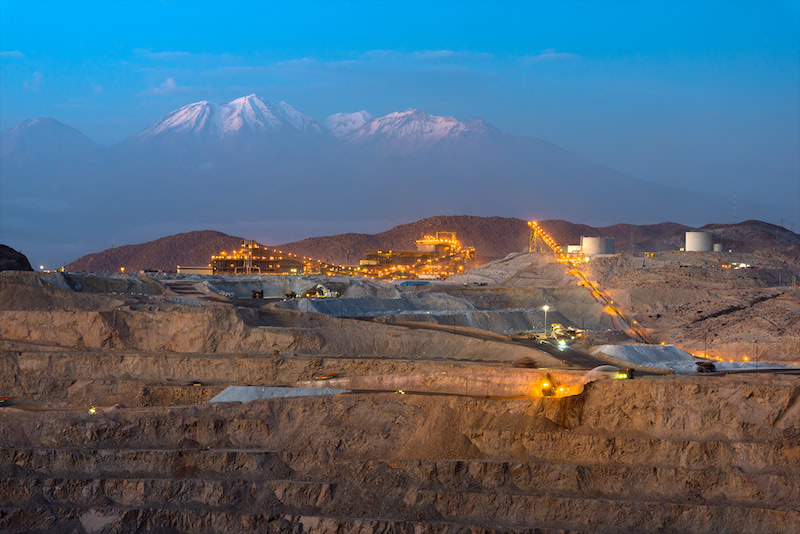
Since May 2019, Baotou Steel Group, China Mobile and Huawei have jointly released the world's first unmanned mine card marshalling 5G+ application. In order to implement the development action plan of "Smart Mine", Baotou Iron and Steel Group has built a "5G + intelligent mining area" project in Bayan Obo Mining area, the largest rare earth mine in the world, to realize the self-driving of mine truck vehicles and the unmanned operation of mining equipment, as well as the automatic management of mine production operation and dispatching.
Traditional rare earth mining operations are often faced with many difficulties, such as frequent safety accidents, low work efficiency, high labor cost and not being able to recruit people, because the area where the mine is located is bad and the site environment is very complex. The driverless mine car of 5G technology in Bayan Obo mining area realizes the combination of high-speed return of high-definition video and low-delay service based on control signal, thus avoiding casualties and bringing huge economic and social benefits for rare earth mining.
Up to now, four unmanned mine cards and two electric forklifts in Bayan Obo mining area have realized unmanned operation, with a total mileage of more than 5000 kilometers and more than 1300 unmanned transportation cycles. According to the plan, the mining area will eventually realize the unmanned operation of 17 mine cards and 7 electric forklifts, the proportion of "unmanned" mine cars will reach 65%, and the self-driving mine cards will transition from half-shift operations to full-shift operations. fully realize the whole mine application of self-driving in the main mining area.
Behind the steady progress of each stage of the "5G + Smart Mining area" project, the latest ideas of 5G technology are integrated. In February this year, the project was promoted to the whole country as the first case of 5G technology application in Inner Mongolia Autonomous region. at present, the case model has been promoted in Ordos and Tongliao cities in Inner Mongolia, as well as Shanxi and Sichuan, with strong replicability.
In terms of quantity and volume, the application of 5G technology to domestic rare earth enterprises is only part of it, but from the perspective of potential and prospect, to cultivate the deep integration of rare earth and 5G technology is to seize the opportunity for the industrialization of cutting-edge technology, enhance the core competitiveness of rare earth enterprises, increase the staying power of the development of rare earth industry, and inject power for high-quality development.
5G technology and the development of rare earth industry complement each other. In fact, the promotion and application of 5G technology can not only promote the integration of industrialization and information, promote the transformation and upgrading of traditional industries such as the rare earth industry, promote the new type of rare earth industry, the scale of emerging industries, and the diversified development of pillar industries, and build a modern industrial system with diversified development and multi-pole support, so as to make the development of rare earth industry from heavy to light, and achieve a new leap in development.
From 3G to 4G to 5G, the future industry formed by any point of subversive innovation between technology, product and market represents the new technology at the forefront of the times. Special attention should be paid to the subversive innovation of the rare earth industry in the fields of information technology, intelligent technology, and energy technology (including market model innovation). Once subversive technologies emerge, they will certainly be able to promote other technological breakthroughs and innovations. form the primary driving force for the development of the rare earth industry.
Due to the gradual introduction of the national policy on the rare earth industry, it will promote the sustainable development of the rare earth industry. With the continuous penetration of 5G technology in various fields, especially in the rare earth industry, the development model and pattern of China's rare earth industry are being rewritten by 5G thinking, and the rare earth industry is expected to cause "qualitative change" by "quantitative change". In other words, rare earth resources far away from the lives of ordinary people will be reshaped and integrated by 5G technology to gradually form a new economic form.
Notice of meeting
Sponsored by SMM, Dongguan Magnetic Materials Industry Association, Ganzhou rare Earth Industry Association jointly sponsored the "2020 China rare Earth permanent Magnet Industry Application Development Forum" will be held on October 15-16 in Ganzhou, Jiangxi Province, when industry experts, business leaders, industry elites, investment circles and other people will gather together to explore the development trend of the rare earth industry and explore potential business opportunities in the industry. SMM sincerely invites you to join us for innovation and resplendence!
"Click to learn more and sign up online
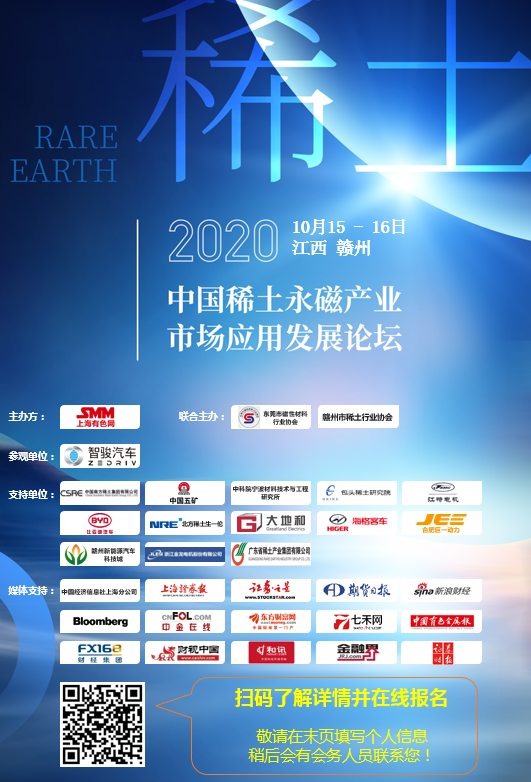
Please fill in your personal information on the last page and the meeting staff will contact you later!

Scan the QR code and apply to join the SMM rare earth industry exchange group