SMM3 month 11 news: Chengya currency! Defeat is also currency!
As we know, Keynes published his masterpiece General Theory of Employment, interest and money in 1936, which marked the birth of macroeconomics, and Keynesianism prevailed in the decades that followed. On the one hand, Keynesianism provides a theoretical basis for government intervention in the market, on the other hand, governments are also very willing to adopt macro-control policies to intervene in the economy, because it is effective quickly and can quickly cover up economic problems. Make the weak economy look good.
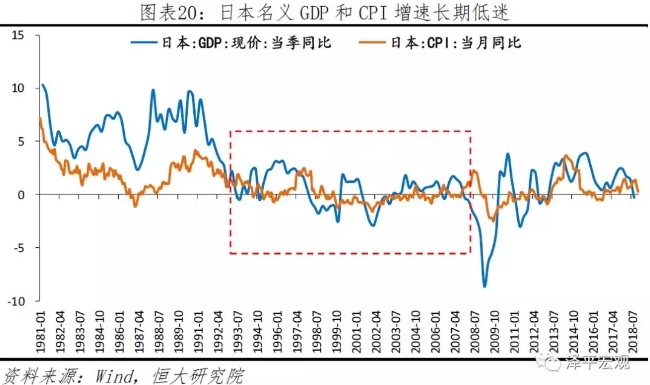
Japan is a typical heavily Keynesian dependent country. In 1989, the Japanese real estate bubble burst, the economy into recession, the Japanese government prescribed the prescription is: print money, and then print money! Until today, on the contrary, it has intensified. Japan is trying to use super-loose monetary policy to stimulate the Japanese economy. The government deficit exceeds the international warning line year after year, and the proportion of government debt in GDP has risen from 50% in 1990 to 250% at present. What was the result? I believe it is obvious to all. 1989-2019, Japan has lost 30 years, Japan will continue to lose.
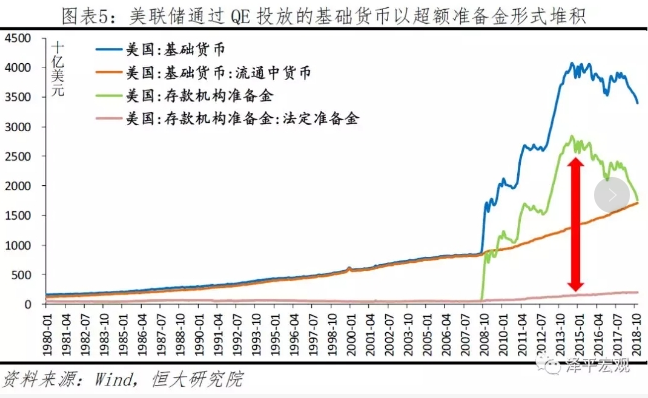
There is also America that is infatuated with Keynes. The global financial crisis of 2008 hit the US economy the worst since World War II, with the US government coming forward to bail out the market and the Federal Reserve printing machine firing, known as helicopters, to sprinkle money. What happens in the end? Most of the money converted into excess reserves remained in the Fed and did not flow to the real economy, because the real economy balance sheet has not been repaired, confidence has not recovered, banks are reluctant to lend, would rather let the central bank take interest.
Some people say that the US economy first hit bottom after the financial crisis, as if the economy is doing well. That is a complete underestimation of the damage of the US financial crisis. Before the financial crisis, American consumption was supported by loose monetary policy, especially since 2001 to 2004, when interest rates were too low and too much money supported American consumption. After the financial crisis, it was time for liquidation, and the residential sector began deleveraging, which still has twice as much debt as GDP.
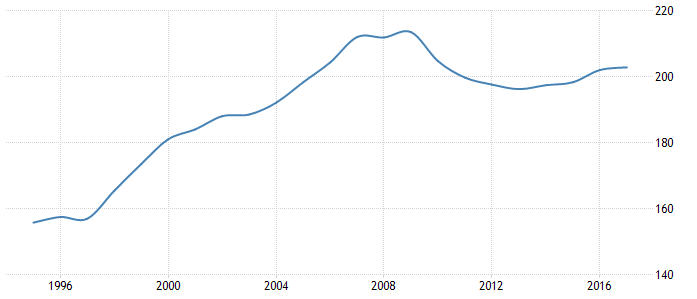
The picture above shows private debt as a share of GDP.
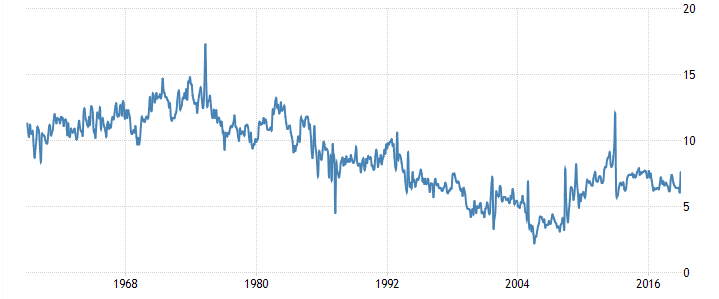
The picture above shows the personal savings rate, which shows that the American savings rate reached an all-time low before the financial crisis.
High consumption is a good thing, but what if consumption does not come from savings, but from debt? That is unsustainable. China's exports have been hit hard by the financial crisis that has awakened Americans and forced them to rein in consumption.
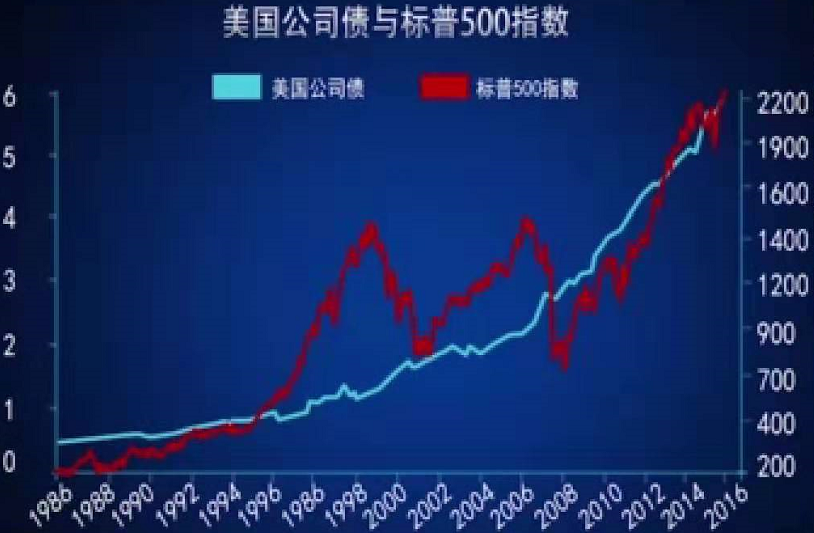
Therefore, it is now necessary to make a complete break with Keynesianism. Of course, it is very difficult and painful for the government to stop taking too many drugs. Even if the government wants to stop, it may be powerless. Keynesian economics is more accurately depression economics, in other words, it is only in extraordinary times that the government can intervene in the market, while in normal times Keynesianism has no opportunity to exert its talents, however, Later Keynesians did not make much distinction, not only in times of crisis, but also in normal times. This is actually contrary to Keynes' wishes, and when we say the shortcomings of Keynesianism, we do not prevent Keynes from becoming the largest economist of the 20th century, which must correct the name of the great Keynes.