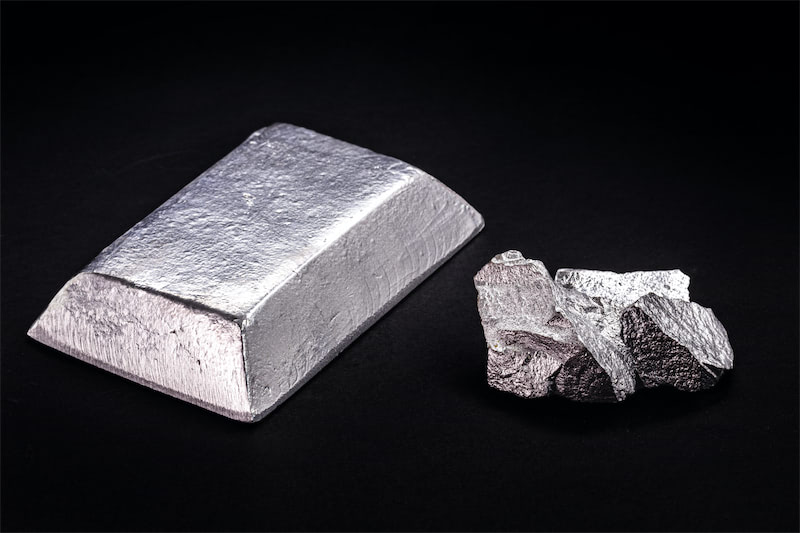
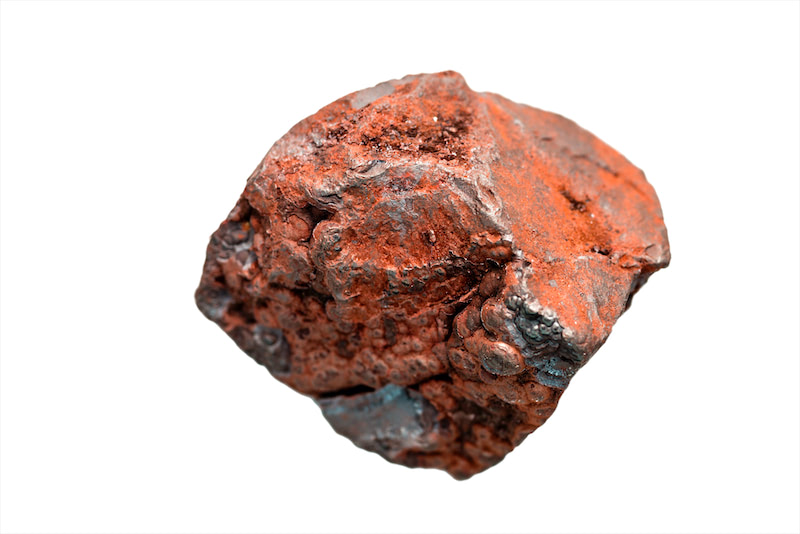
According to the latest data released by the General Administration of Customs, SMM statistics show that China's total manganese ore imports in May 2026 were 2.7278 million mt, down 3.06% MoM and 7.32% YoY. From January to May 2026, cumulative manganese ore imports reached approximately 14.4745 million mt, an increase of 2.699 million mt, up 22.92% YoY (compared to imports of about 11.7755 million mt in January-May 2025). In detail, Australian ore stood at 489,500 mt, up 42.79% MoM; South African ore at 1.5865 million mt, up 3.15% MoM; Gabonese ore at 276,800 mt, up 36.8% MoM; Ghanaian ore at 171,800 mt, down 61.57% MoM; Brazilian ore at 132,900 mt, up 21.3% MoM; and Myanmar ore at 57,400 mt, down 0.68% MoM.
In May 2026, China's manganese ore imports fell both MoM and YoY, driven primarily by weak demand, high port inventories, and divergent cost and supply structures. On the downstream market side, the overall performance of manganese alloy industries, such as domestic SiMn and high-carbon ferromanganese, remained weak in May. The terminal steel industry maintained stable operating rates but exhibited sluggish just-in-time procurement. Steel mills pushed for lower prices and reduced procurement volumes for manganese alloys, leading to a buildup of finished product inventories at alloy enterprises and continuous profit margin contraction. Consequently, most domestic manganese alloy producers proactively lowered their operating rates, and overall raw material stockpiling sentiment cooled significantly, with small-scale, just-in-time procurement becoming the mainstream approach, directly weakening the rigid import support for manganese ore.
Simultaneously, China's port manganese ore inventories had previously been persistently high, and the overall industry destocking pace was slow. Both traders and producers primarily relied on consuming existing inventories to avoid the risk of restocking at high prices, reducing forward and monthly import vessel bookings and arrival plans, which further weighed on total import volumes in May. From the perspective of import source structure, Ghanaian ore imports plunged 61.57% MoM. Although Australian, Gabonese, Brazilian, and South African ore imports saw MoM increases, the increments were limited and insufficient to offset the declines caused by the overall weakening demand, ultimately resulting in a dual MoM and YoY pullback in May's import volume.
Cumulative manganese ore imports from January to May 2026 totaled approximately 14.4745 million mt, a substantial YoY increase of 22.92%. This high cumulative growth stands in stark contrast to the weak pullback seen in May. The significant year-to-date increase in imports was fueled by rising ore prices early in the year, which kept mine shipments high, coupled with concentrated restocking in China after the Chinese New Year holiday.
Furthermore, heightened ocean freight rates due to the Middle East situation have increased the landed costs for Australian and South African ore, affecting enterprises' near-term procurement pace and intensifying monthly import fluctuations. Overall, manganese ore imports present a picture of "strong cumulative performance but weak monthly figures," with the short-term outlook depending on the strength of downstream alloy demand recovery and the pace of port inventory digestion.
![[India] India Hindupur Billet Prices Rise, But Buying Remains Cautious](https://imgqn.smm.cn/usercenter/vhvTQ20251217171715.jpg)
![[SMM HRC Export Deals]](https://imgqn.smm.cn/usercenter/CrEsY20251217171716.jpg)