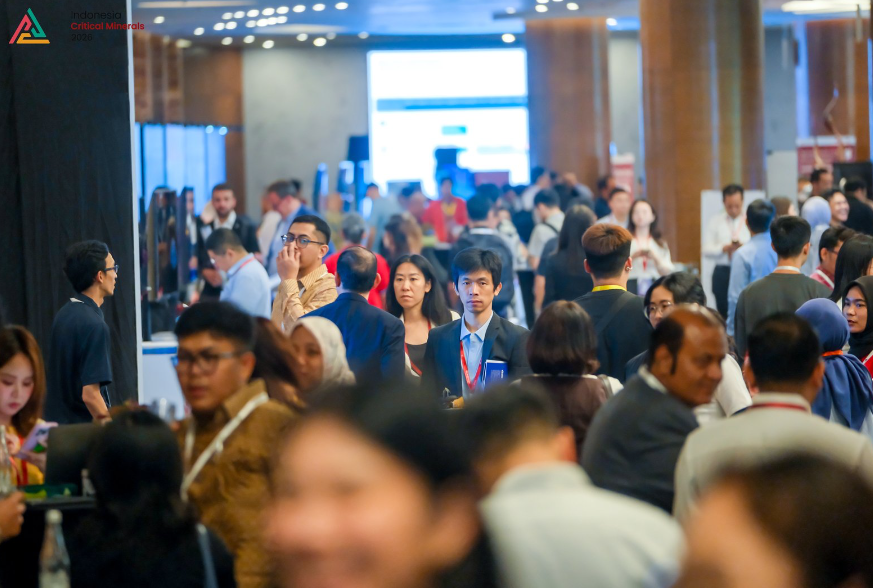
From June 3 to June 5, the Indonesia Critical Minerals 2026 was held at the Pullman Jakarta Central Park in Jakarta, Indonesia. The conference was organized by Shanghai Metals Market (SMM) and co-organized by the Indonesia Nickel Miners Association (APNI), the Ministry of Foreign Affairs of the Republic of Indonesia, the National Economic Council of Indonesia, and MMR, with a strategic partnership established with the Jakarta Futures Exchange.
The conference featured six dedicated forums: the main forum, the nickel and cobalt forum, the tin forum, the coal & energy transition forum, the aluminum forum, and the sub-forum, bringing together 3,500+ attendees from 45 countries and regions worldwide, with 120+ speakers sharing their insights on market prices, supply-demand patterns, industry policies, low-carbon development, and ESG construction, etc.
Conference Background
In the process of global industrial upgrading, the strategic value of critical metals has become increasingly prominent, and Southeast Asia has gradually emerged as a highly dynamic segment of the global mining landscape. As a major regional mineral producer, Indonesia has successively introduced multiple industrial policies for critical metals such as nickel, tin, aluminum, and copper, adjusting and optimizing areas including mining quotas, pricing mechanisms, tax policies, export management, and domestic market obligation since 2026. These efforts are guided by the goals of improving the regulatory system, enhancing industrial added value, and optimizing resource revenues, and have had a significant impact on the global metal supply chain and market dynamics.
As Indonesia’s premier flagship event for the mineral industry, this conference focuses on supply chain security of critical minerals including nickel, cobalt and tin, and adopts a dual-driven model of mining and energy. It commits to promoting Indonesia’s industrial upgrading from raw material export to high-value industrial chain development, while providing solid resource support and practical cooperation paradigms for regional and global energy transition.
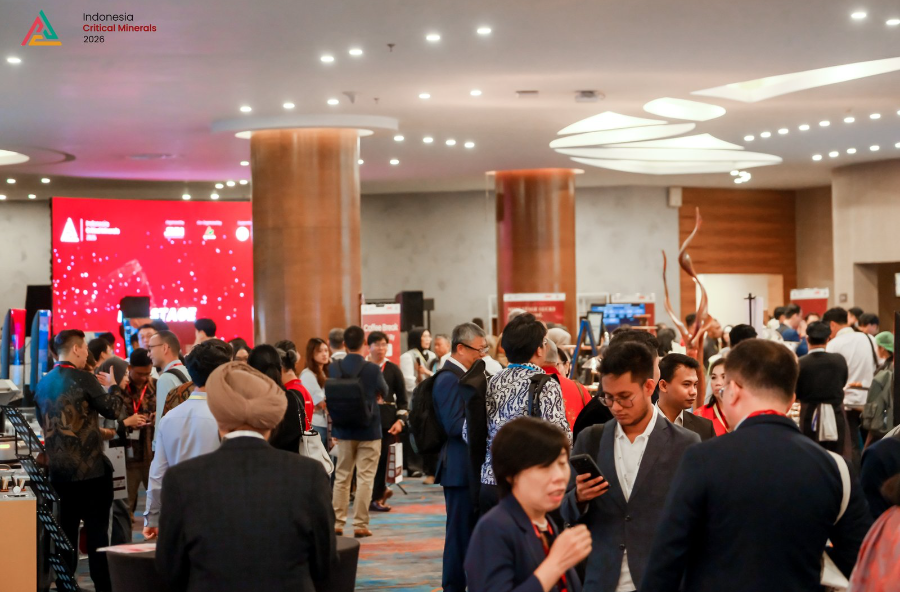
》Click to view the photo gallery of the conference
June 3: Main Forum
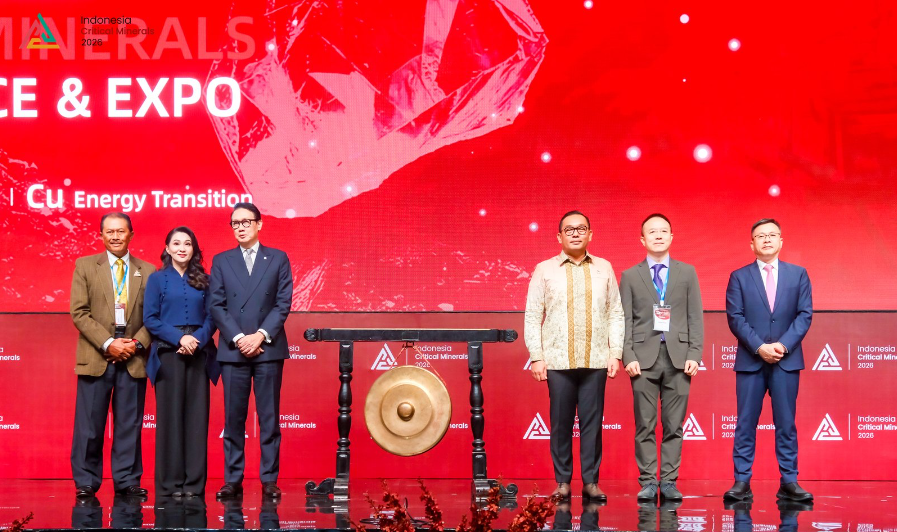
Opening Ceremony
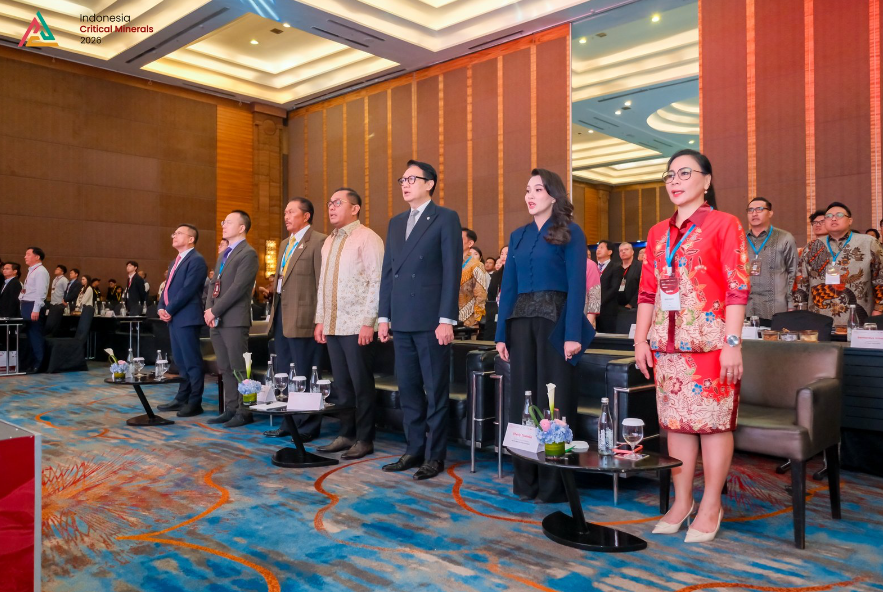
Adam Fan, Chairman, Shanghai Metals Market
Nanan Soekarna, Chairman, APNI
Arif Havas Oegroseno, Vice Minister, Ministry of Foreign Affairs
Ciyong Zou, Deputy to the Director General and Managing Director of the Directorate of Technical Cooperation and Sustainable Industrial Development, UNIDO (United Nations Industrial Development Organization)
Sherly Tjoanda, Governor of North Maluku, North Maluku Government
Todotua Pasaribu, Vice Minister, Ministry of Investement and Downstream Industry of Indonesia
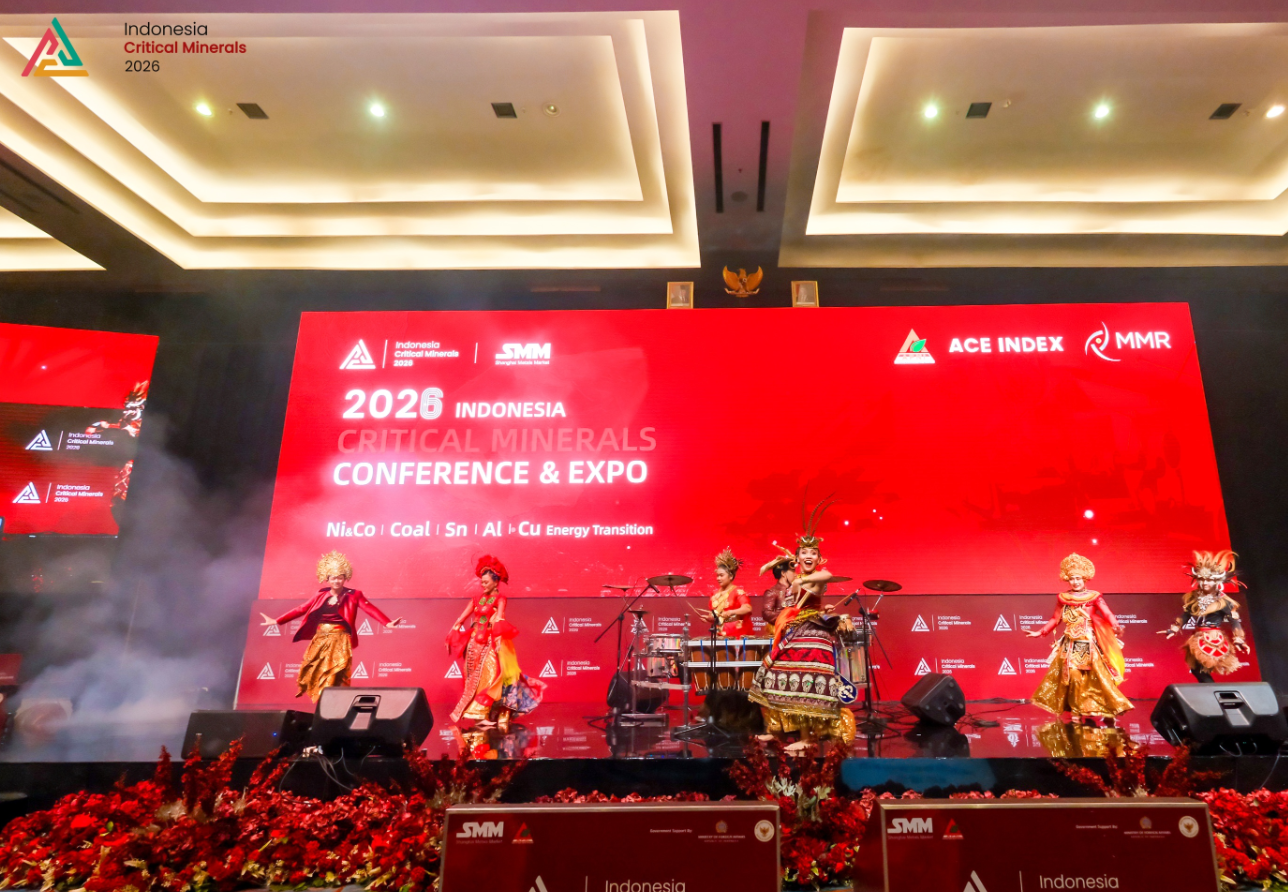
Drum Performance & Dance Show
Opening Address
Speaker: Adam Fan, Chairman of SMM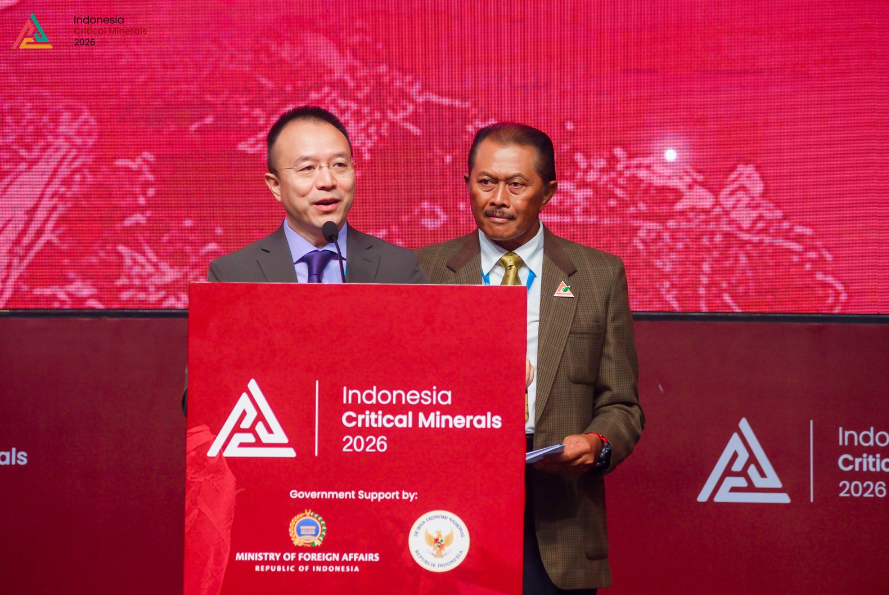
Adam stated that this year marks the 4th year of the Indonesia Critical Minerals Conference. This flagship industry event is dedicated to building a global platform connecting Indonesia with the world. Empowering mineral resources through technology, the conference links producers and consumers to facilitate industrial chain and business cooperation.
Boasting a record-high attendance, this year’s event gathers 3,500+ participants and 120+ speakers. The growing participation of global countries, enterprises and industry professionals demonstrates rising international trust and confidence in Indonesia’s critical mineral ecosystem.
As cross-border collaboration is essential for building a robust global critical minerals supply chain, the conference strives to enhance supply chain transparency, interconnectivity and in-depth global industrial cooperation by pooling industry insights and resources.
Speaker: Nanan Soekarna, Chairman of APNI
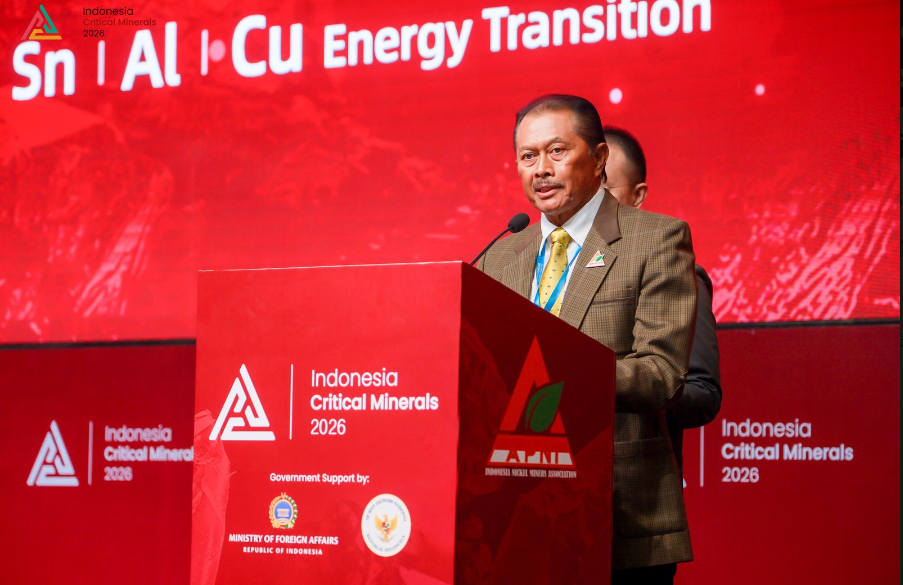
Nanan Soekarna stated in his remarks that the 4th Indonesia Critical Minerals was the largest to date in terms of attendance, demonstrating the global industry’s full confidence in Indonesia’s minerals industry, cross-border cooperation models, and Indonesia’s roadmap for sustainable mining development, and he extended his sincere gratitude to all participating partners.
He noted that the core of development in the critical minerals sector has shifted from a simple contest of resources and capacity to the transformation of the sustainable value of natural resources, balancing diverse economic, social, and environmental benefits. By deepening downstream industry chain expansion, Indonesia aims both to enhance industrial value-added and to build an international industrial brand and strengthen credibility in the global market. In the future, the core of global mining competition will not lie in resource reserves, but in transparent, responsible, and sustainable resource governance capabilities. Relying on global partners, Indonesia will uphold the philosophy of sustainable mining development and, through high-quality cooperation and shared value principles, work together to build the future of the critical minerals industry that balances ecology, benefits, and long-term development.
Speaker: Arif Havas Oegroseno, Vice Minister, Ministry of Foreign Affairs
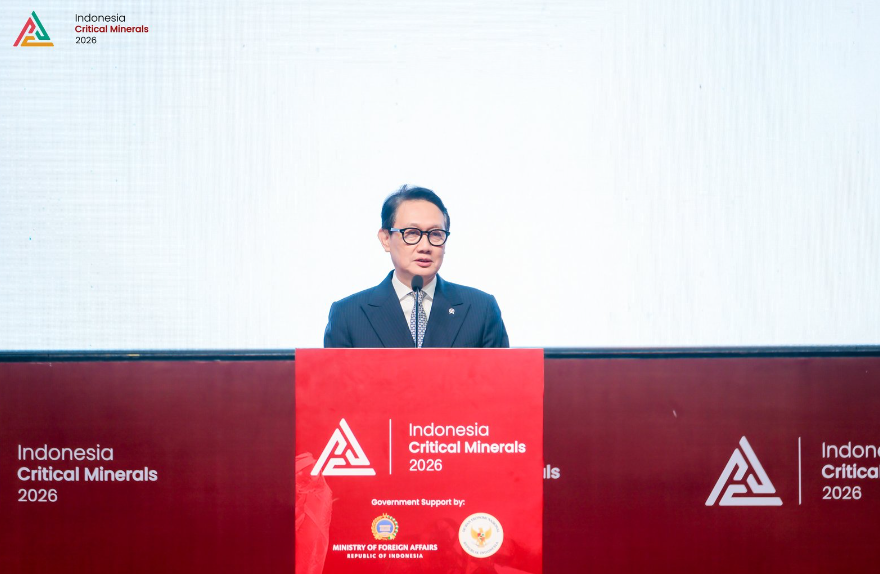
Arif Havas Oegroseno mentioned that critical minerals are increasingly becoming a focal point of global geopolitical competition, with elements such as energy, minerals, and trade and economic rules being instrumentalized from time to time. Leveraging its domestic resource endowments, Indonesia is vigorously advancing downstream deep processing of minerals; this strategy is not limited to industrial upgrading, but is also a comprehensive development initiative that boosts employment, consolidates science and technology innovation capabilities, enhances industry chain resilience, and delivers inclusive gains from green development. In response to procurement demands from multiple parties, Indonesia adheres to a diversified cooperation approach by expanding a diverse range of procurement partners and promoting deeper participation by resource countries in technology R&D and industry chain value-added, thereby avoiding the risks of dependence on a single partnership.
He also noted that for the future governance of critical minerals, ESG should truly become a competitive advantage for enterprises rather than a trade barrier, with its original purpose being to optimize environmental management, improve social responsibility, and empower enterprises to enhance quality and efficiency. In the face of a new round of industrial transformation, critical minerals serve as the core raw materials for energy transition, the digital economy, and the development of high-tech industries. Based on its resource endowment, Indonesia is determined to transform from a mineral resource producer into a reliable partner in the global industry chain and a co-builder of industry rules. It invites global investors, industry chain producers, and resource-producing countries to join hands, uphold the spirit of partnership, reject unreasonable additional conditions, and jointly build a new global pattern for critical minerals that is inclusive and universally beneficial.
Keynote Speech: Investing in Critical Minerals Downstreaming: Unlocking the Full Value of Indonesia's Resources
Guest Speaker: Todotua Pasaribu, Vice Minister, Ministery of Investment and Downstream Industry of Indonesia
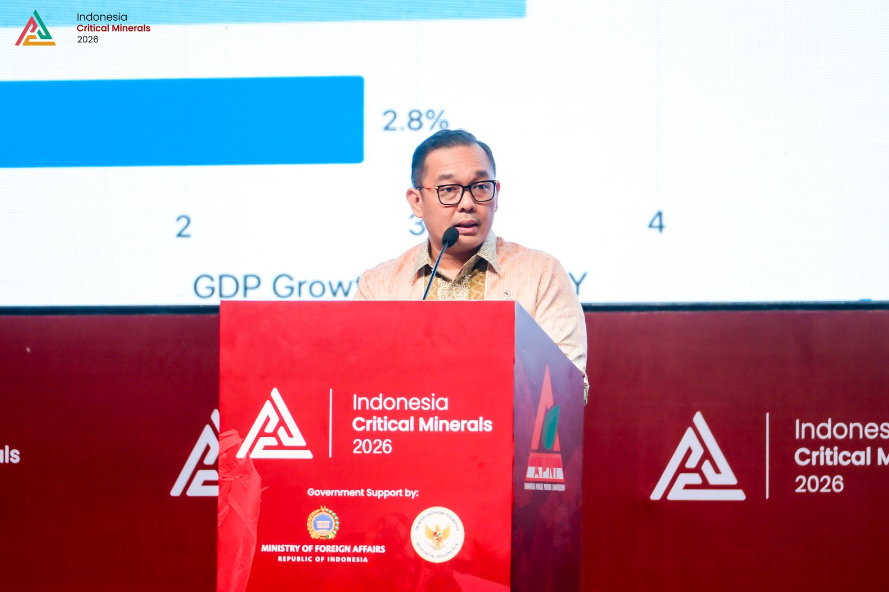
Pasaribu Todotua stated that against the backdrop of climbing global demand for critical minerals and concentrated resource origins, the strategic attributes of this category continue to stand out. Indonesia, leveraging its resource endowment, vigorously promotes the downstream transformation of the entire industry chain, which is a core national policy to boost the economy and optimize supply chain structures. Under the president's policy deployment, Indonesia has designated mineral deep processing as a pillar of industrial upgrading. The authorities have delineated 28 categories of strategic minerals across eight major sectors and estimated potential investment in related tracks at approximately $618 billion, which is expected to create 3 million new jobs annually upon implementation. The country has set investment attraction targets from 2024 to 2029, accompanied by annual implementation plans. The 2026 target is clear, and investment implementation progress in the first quarter has been steady. In recent years, downstream industry investment has accounted for nearly 30% of national fixed asset investment, becoming a key driver to boost the economy and helping the country sprint toward the 8% economic growth target by 2029.
He introduced that Indonesia has already established downstream layouts in multiple critical mineral tracks, including nickel, tin, aluminum, copper, PV raw materials, and semiconductor raw materials. The nickel industry has extended from stainless steel production to the entire power battery industry chain, while the tin, aluminum, and copper sectors continue to expand into deep processing, electronic materials, and other high-value-added categories, synchronously deploying supporting industry chains for PV and semiconductors. To solidify the conditions for industrial implementation, Indonesia has optimized the business environment in three aspects: accelerating approval processes, providing infrastructure support, and offering policy incentives. It has shortened project approval cycles, improved supporting facilities for hydropower, ports, and transportation, and implemented supportive measures such as tax reductions and tariff preferences, continuously attracting global capital and technological cooperation. This drives the country's transformation from a raw material exporter to a high-value-added product manufacturer, relying on multi-party collaboration to convert local mineral resources into sustainable industrial benefits.
Guest Speaker: Ciyong Zou, Deputy to the Director General and Managing Director of the Directorate of Technical Cooperation and Sustainable Industrial Development, UNIDO (United Nations Industrial Development Organization)
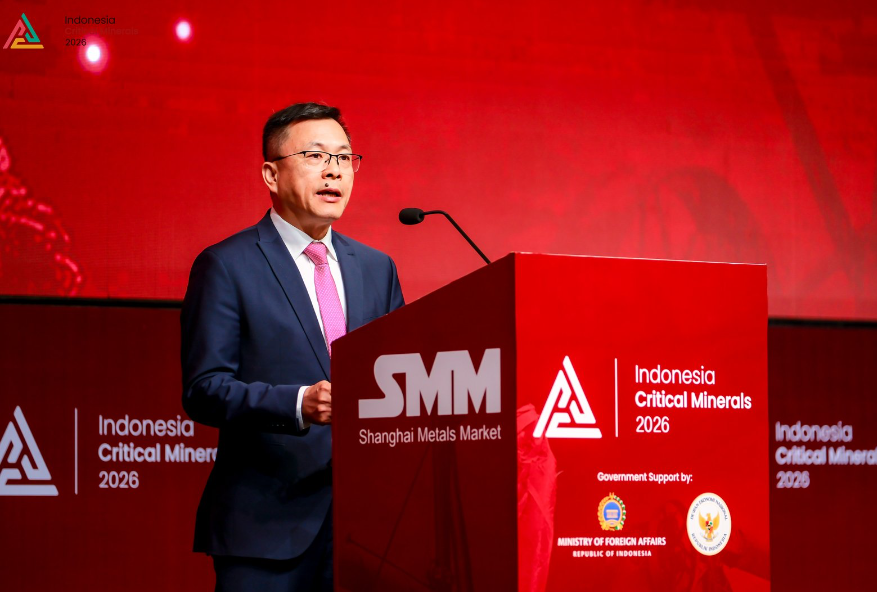
Zou Ciyong said global demand for critical minerals continues to rise along with the rapid development of clean energy and digital industries, and the role of resource countries in ensuring stable mineral supply is becoming increasingly critical. Indonesia's transformation path from raw material extraction to deep processing can provide reference for resource countries in the Global South. Currently, mining development still faces multiple challenges such as environmental protection, carbon emissions, and livelihood supporting facilities. Sustainable development has become an imperative for the industry, which needs to balance economic benefits, green development and social inclusion.
Leveraging its multilateral platform advantages, UNIDO empowers its member states in multiple dimensions, including industrial policy, technology transfer, investment and financing, and capacity building, promotes the establishment of a Global Green Mining Cooperation Alliance, and has implemented a demonstration project of the Indonesia Nickel Industry Eco-Industrial Park, using the project as a model to explore a sustainable development path for global mining. He pointed out that the long-term development of the critical minerals industry cannot be separated from in-depth international cooperation, and it is necessary to establish transparent public-private partnerships, build resilient supply chains, and uniformly implement common industry standards. Indonesia intends to join forces with partners from all sectors to tap the development potential of the industry, while insisting on placing environmental protection and sustainability at the forefront of industrial development. In the future, UNIDO will continue to engage with governments, industries and capital from multiple parties, working together to achieve coordinated economic, social and environmental benefits from mineral resources.
Keynote Speeches
Keynote Speech: Beyond Volume: How North Maluku Can Lead Indonesia’s Next Phase of Sustainable Downstream Growth?
Guest Speaker: Sherly Tjoanda, Governor of North Maluku Province
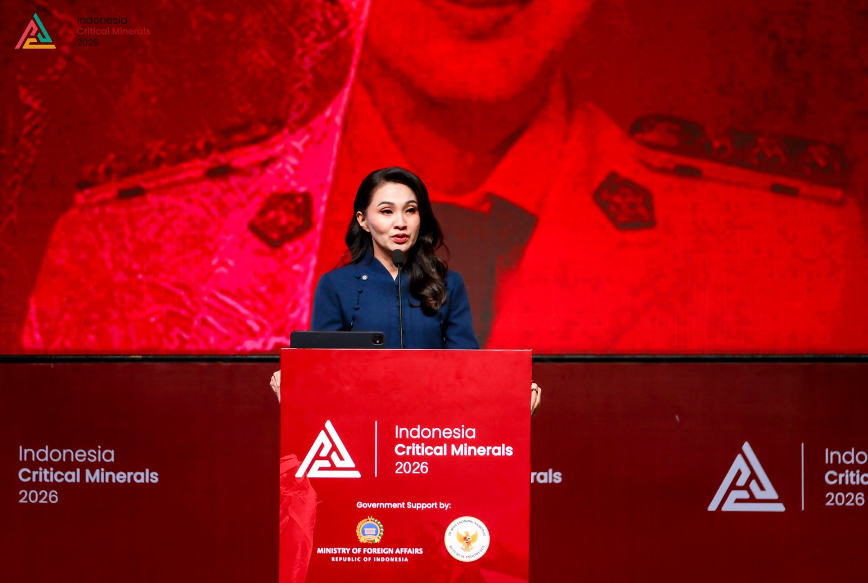
Sherly Tjoanda elaborated on how North Maluku can lead Indonesia's next phase of sustainable downstream development from the perspectives of geographical location, transportation advantages, skilled talent reserves, and the fact that North Maluku's nickel ore is high-grade ore.
Keynote Speech: Two Decades of Critical Minerals: 2016-2036 - How Supply Structures Shape Market Dynamics
Guest Speaker: Shirley Wang, VP, Shanghai Metals Market
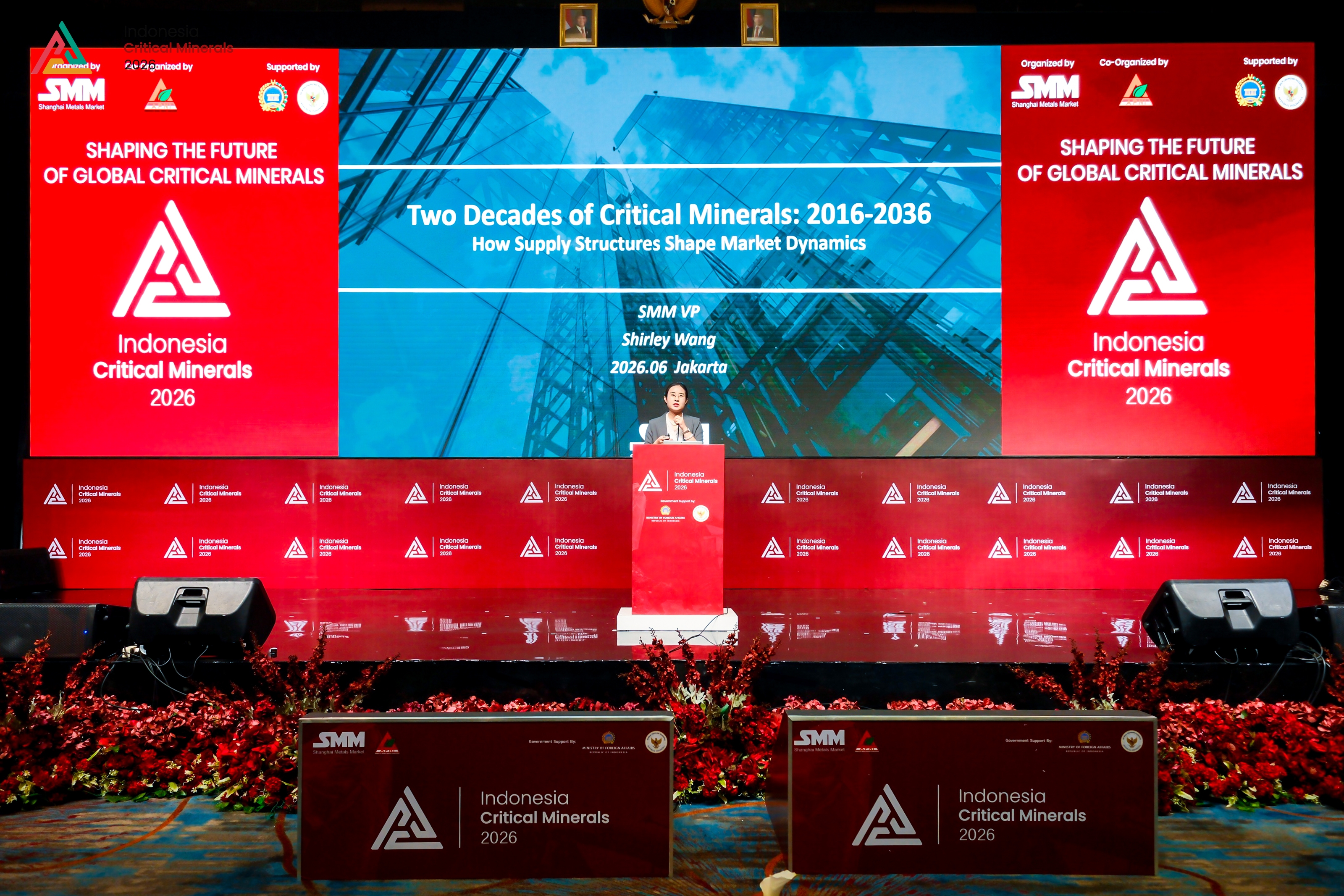
The Rule —Why resource-rich nations must process, not just mine
A 1931 Question: Mine Today, or Wait?
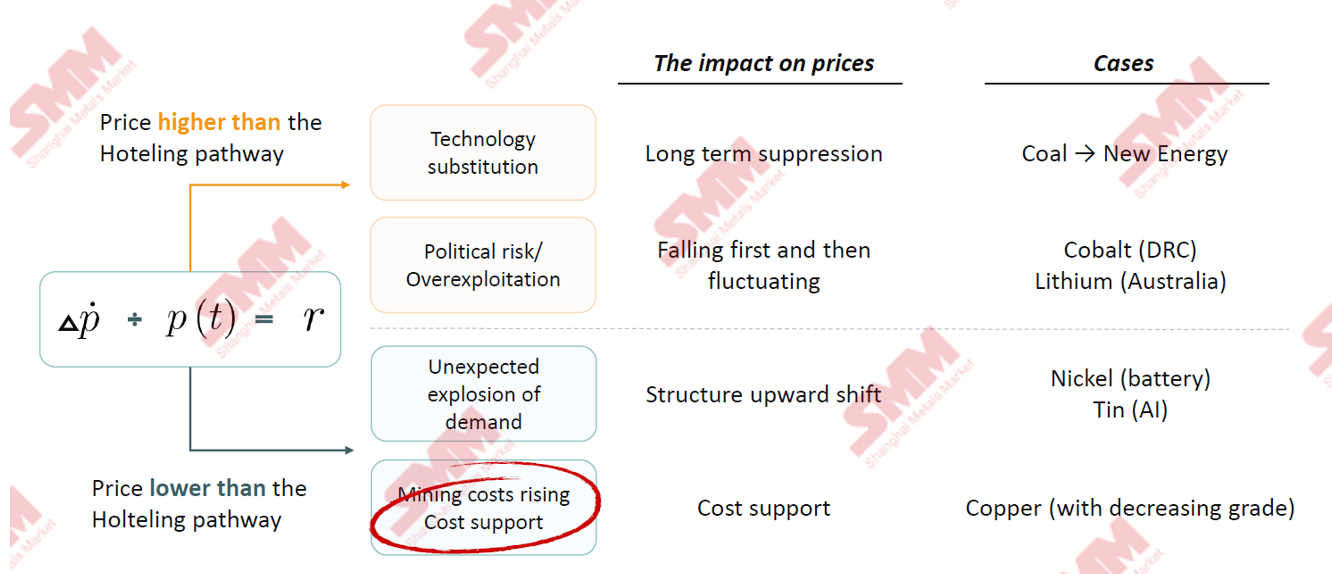
Hotelling gave mining a theoretical anchor. It was elegant — and incomplete.
A rational resource-based country should ensure the rate of price increase is exactly equal to the return on investment (Interest rate)
Four Reasons the Real World Departs from the Formula
Substitution, policy shifts, demand surprises, and costs — each bends the expected path
The Quiet Force Behind All of This
Ore grades decline everywhere. Building downstream is not ambition. It is adaptation.
Shirley analyzed this by comparing ore grades for nickel, tin, copper, alumina, and others for the years 2016, 2026, and 2036.
► Strategic Insight: Why Low-Grade Ore Is Changing the Rules
• Continuously declining grades are forcing industrial upgrading and iteration. Deteriorating raw ore quality is driving mines and smelters to optimize production, increasing the utilization of low-grade ore, the application of new processes, and the recycling of secondary resources.
• Pricing power is gradually shifting from trading markets to resource-rich governments. As high-grade mineral deposits are depleted, the impact of short-term supply and demand on prices weakens, and the pace at which resource-rich nations release supply becomes the core variable.
Industry Mainline: Commonalities in Two Decades of Development Across Five Metals
Nickel: Where One Country Anchors the Market
Indonesia influences marginal incremental nickel supply, and the commissioning pace of its domestic industry dominates global nickel price movements.
The analysis incorporated the global distribution of nickel mine capacity.
Cost Structures Are Moving Apart
RKEF costs face the steepest climb. Scale mattered yesterday. Cost discipline matters tomorrow.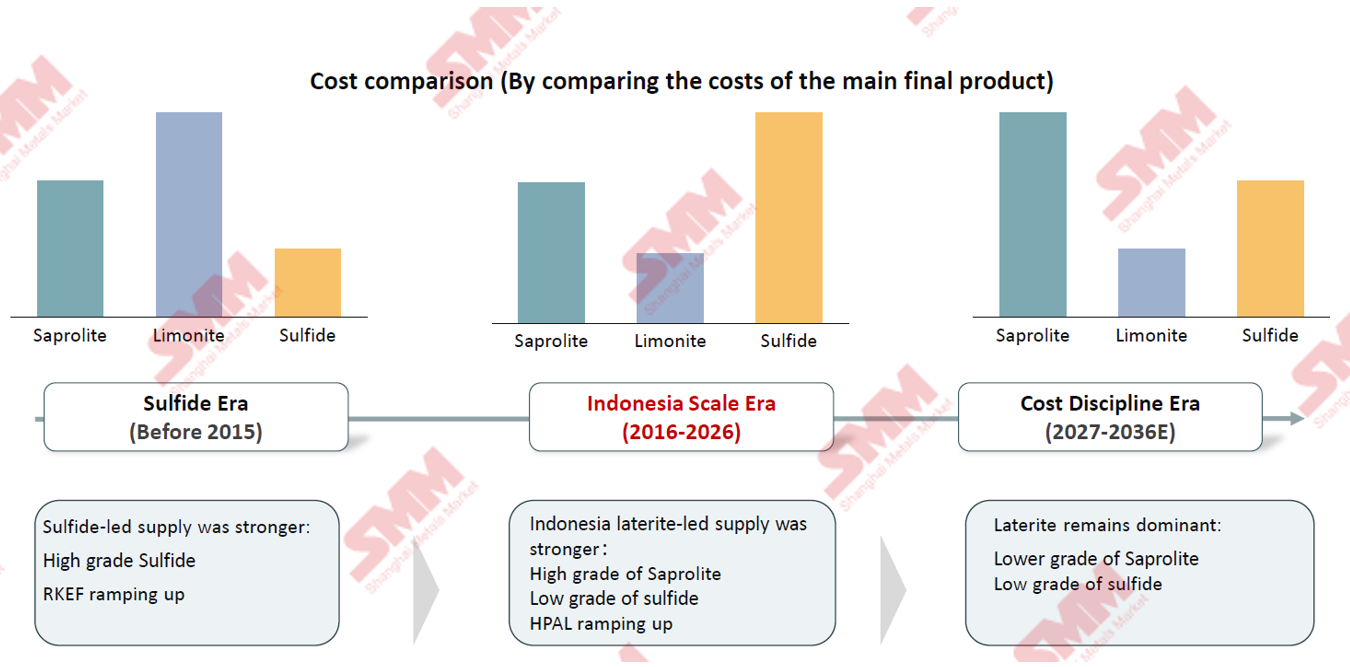
The Ore Base Is Quietly Shifting
Looking at changes in the global nickel production cost structure, the primary low-cost raw material was high-grade primary nickel ore before 2015. From 2016 to 2026, the share of low-grade ore and laterite nickel ore mining has been climbing steadily. Currently, laterite nickel ore stands as the most cost-competitive raw material. As laterite nickel ore grades decline, future nickel production based on sulphide ore may increase.
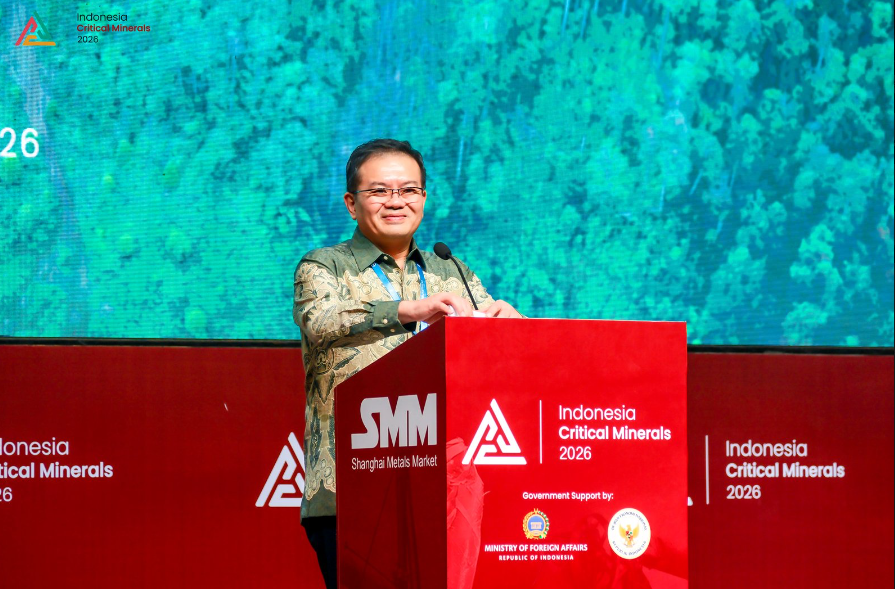
Keynote Speech: Indonesia's Green Nickel: From Us To The Next Generation
Guest Speaker: Joseph Hong, President Commissioner, Neo Energy
Keynote Speech: AI is NOT optional!
Guest Speaker: Adam Fan, Chairman of SMM
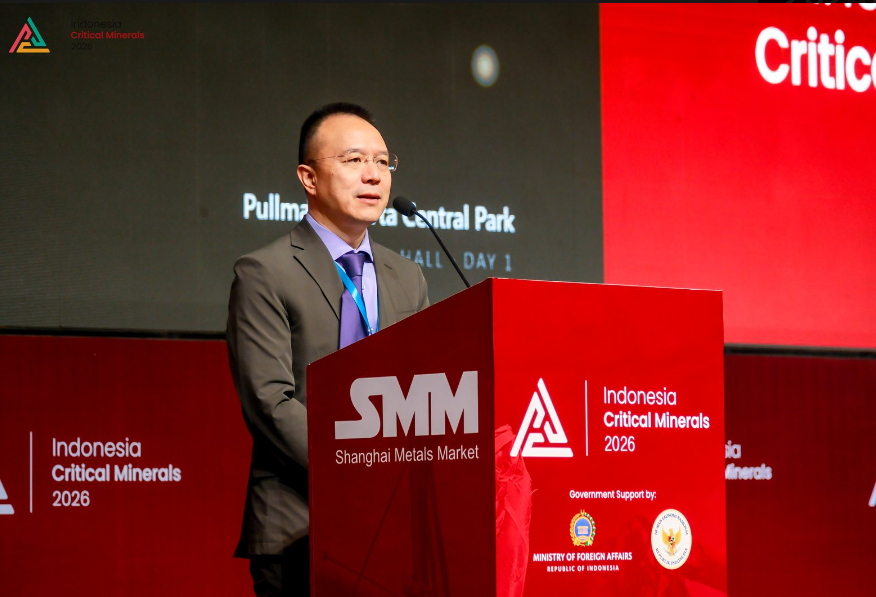
Adam noted that AI has become an essential requirement for the digital upgrade of the commodity industry.
Leveraging a new AI technology system, SMM integrates macro and micro data, market intelligence, and industrial information through full-process intelligent processing, and with human-machine collaboration automatically generates in-depth industry reports — surpassing traditional manual approaches comprehensively in terms of timeliness, coverage, personalization, and depth of analysis.
SMM has now deployed a mature industry AI solution: leveraging SMM’s massive database and customized AI capabilities, enterprises can enable intelligent inquiries, interactive reviews, and dynamic strategy simulations, accurately serving transaction analysis, production planning, and inventory strategies for non-ferrous metals such as cobalt, nickel, and copper.
SMM AI Data Services offer a three-tier progressive intelligent solution for the metals industry:
- Instant Inquiry → Xiao Jin (Metrix): access real-time price trends and market insights, with data sourced from a premium subscription-grade database and insights calibrated by senior analysts;
- In-depth Research → Deep Report: a chapter-by-chapter analysis by product and region, featuring traceable charts and citations, and continuously updated as market conditions evolve;
- System Integration → MCP Data Services: covering over 200,000 real-time data indicators and more than 60 products across the entire industry chain, a single integration embeds the service into the enterprise AI framework.
Keynote Speech: Indonesia's Post-Election Economy: Can the Country Sustain 5–6% Growth Amid Fiscal Pressures, Weak Export Prices and Heavy Industrial Power Subsidies?
Speaker: Andre Simangunsong, Head of Mandiri Institute, Office of Chief Economist, Bank Mandiri
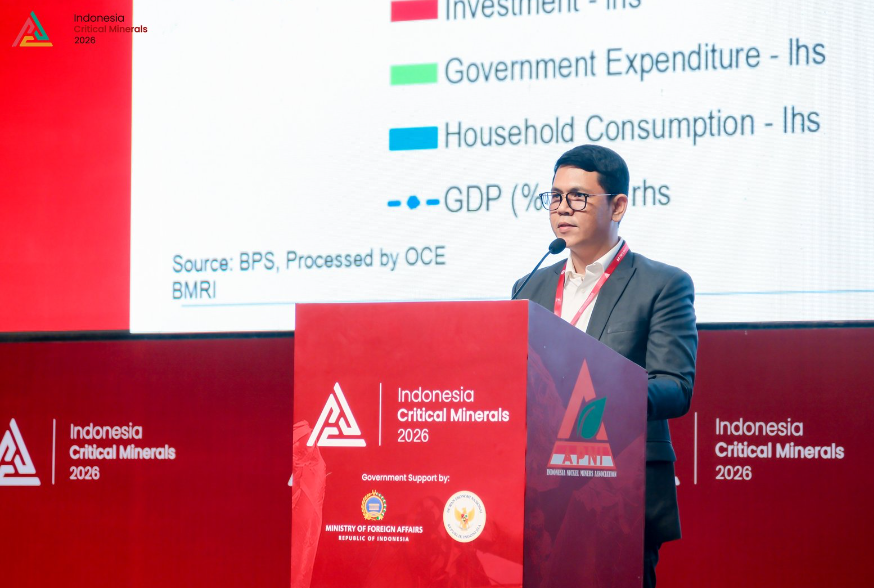
Andre Simangunsong said Indonesia’s GDP grew by 5.6% in Q1 2026, with a full-year baseline forecast of 5.2%. The strong Q1 growth was primarily driven by a low base effect from delayed fiscal spending in 2025 and the front-loading of this year’s fiscal disbursements. The full year faces uncertainties from rising crude oil prices, geopolitical fluctuations, and a widening fiscal deficit. The 2026 fiscal budget is approximately IDR 2,000 trillion, focusing on eight key areas such as education and food security; 19 major industrial projects have already commenced, with nickel smelting and industry chain parks accelerating establishment, propelling the mineral sector’s transformation from raw resource exports to high-value-added deep processing. Indonesia has revised nickel ore royalty rules, introducing progressive royalty rates, promoting the upgrade of nickel products from nickel pig iron (NPI) to MHP and nickel sulphate, and laying out hydrometallurgical processing for low-grade ores; the outlook for the tin industry is positive. The banking sector’s loan-to-deposit ratio remains stable at 85%, and Bank Mandiri is advancing digital transformation and ESG-compliant lending to empower downstream industry projects. By combining industrial, fiscal, and financial strengths, Indonesia is expected to maintain a growth range of 5%–6% in the medium and long term.
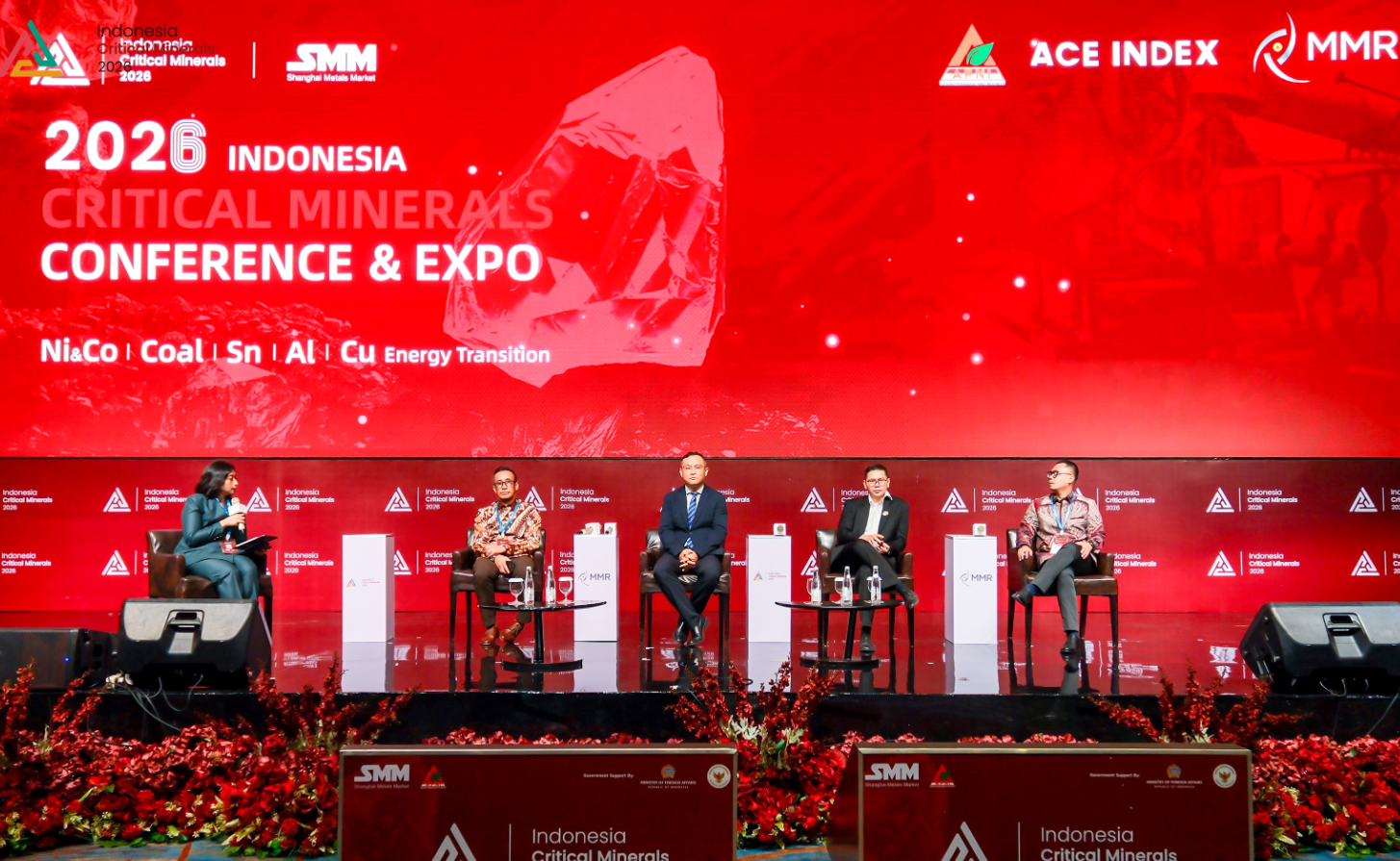
CXO Panel: Senior Executives' Roadmaps to Overcome Resource, Cost, Technology & ESG Challenges
Moderator: Laksmi Kusumawati, Director of Downstream Planning and International Economic Cooperation, Ministry of National Development Planning/Bappenas
Panelists:
Bernardus Irmanto, President Director, PT Vale Indonesia
Alex Sun, Chief Sustainability Officer and Vice President, Integrated Energy Service and Carbon Management, Envision Group
Marvin R. Reinhart, Portfolio Management Department Head, Indonesia Battery Corporation
Ilhamsyah Mahendra, Production & Commercial Director, PT Timah Tbk
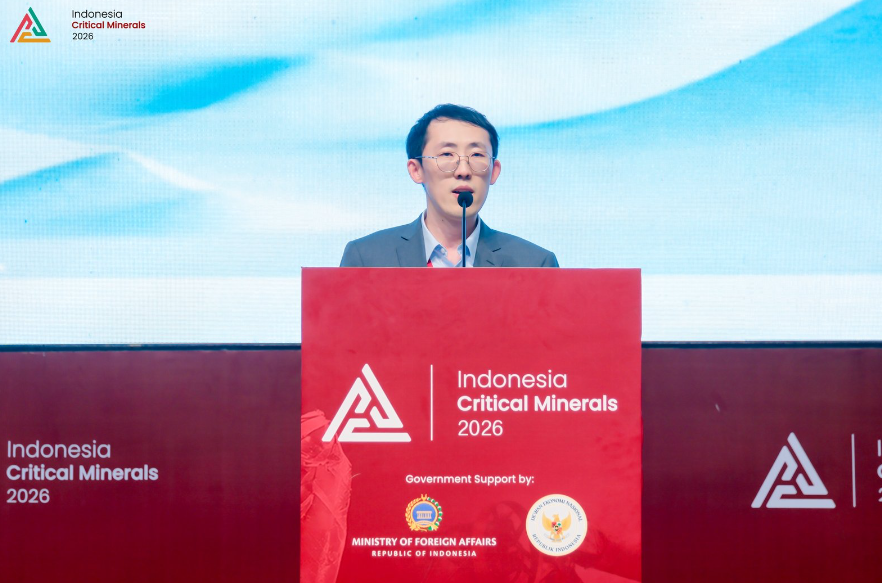
Keynote Speech: Breaking the Diesel Dependency: Reliable, Affordable Energy for Island Mines
Speaker: Mr. Fred Ge, C&I BESS Technical Solution Manager in Asia-Pacific, Sungrow
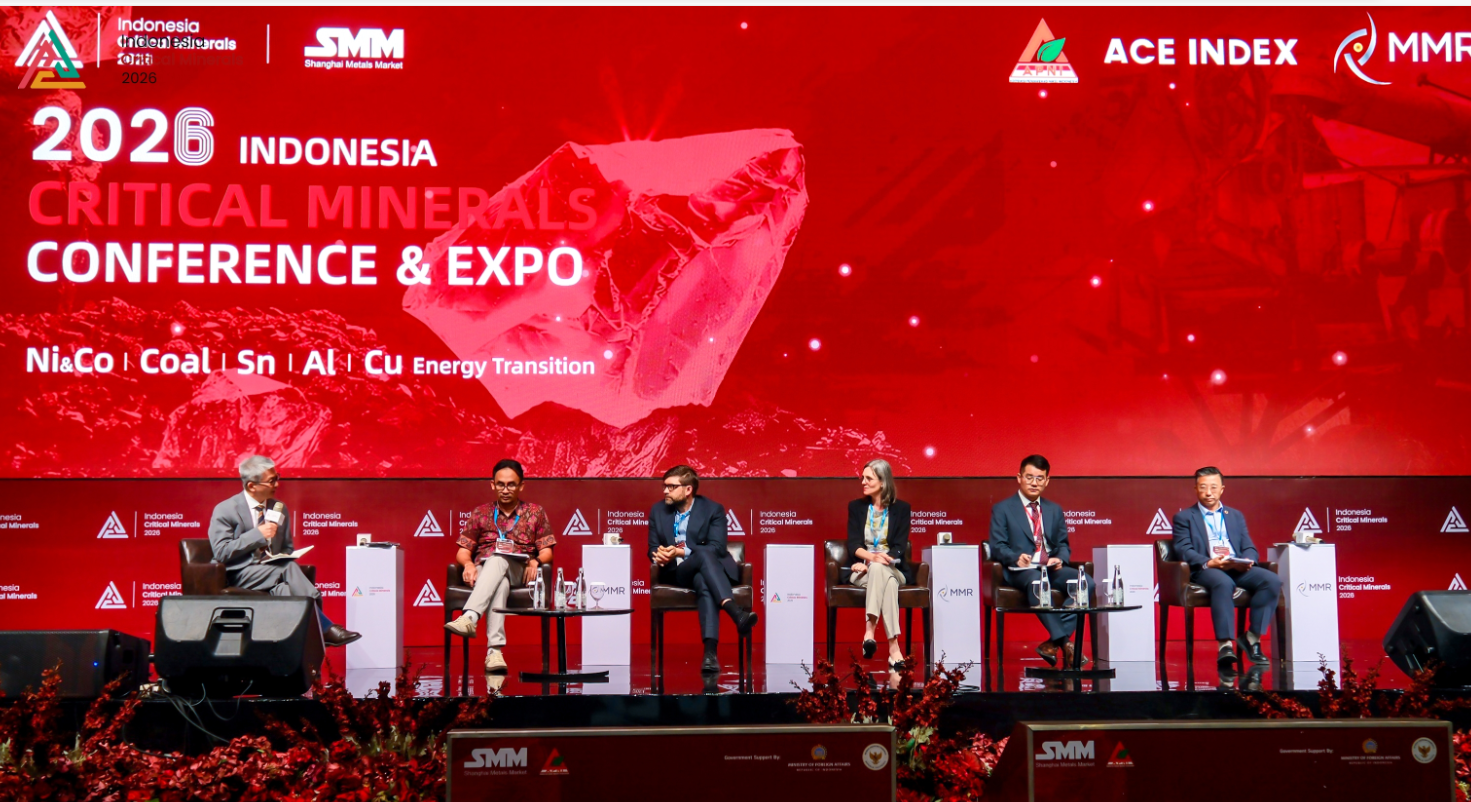
Panel Discussion: The "Green Premium" Myth vs. Reality: Who Will Pay for Decarbonization in the Critical Minerals Supply Chain?
Moderator: MARCO KAMIYA, UNIDO Representative, Regional Office in Jakarta for Indonesia, Timor Leste and the Philippines
UNIDO (United Nations Industrial Development Organization)
Panelists:
Ary Sudijanto, Deputy for Climate Change Control and Carbon Economic Value Governance, Ministry of Environment, Government of Indonesia
Antti Koulumies, CEO, Terrafame
Anna Stancher, Senior Project Manager, Responsible Minerals Initiative
Yumo Li, Head of ESG Office in Tsingshan Board, Tsingshan Holding Group
Lihui Sun, Vice President, Chief Sustainability Officer, Huayou Cobalt
Cocktail Party
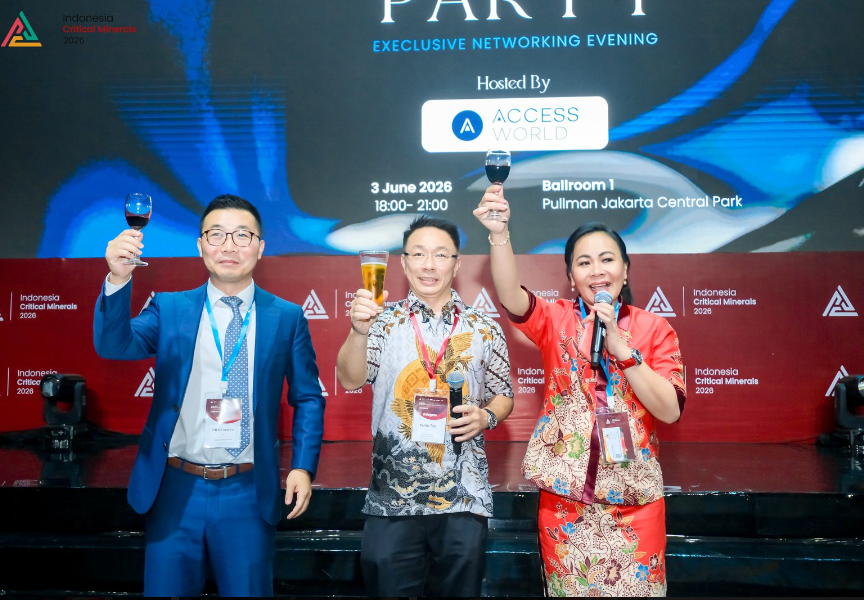
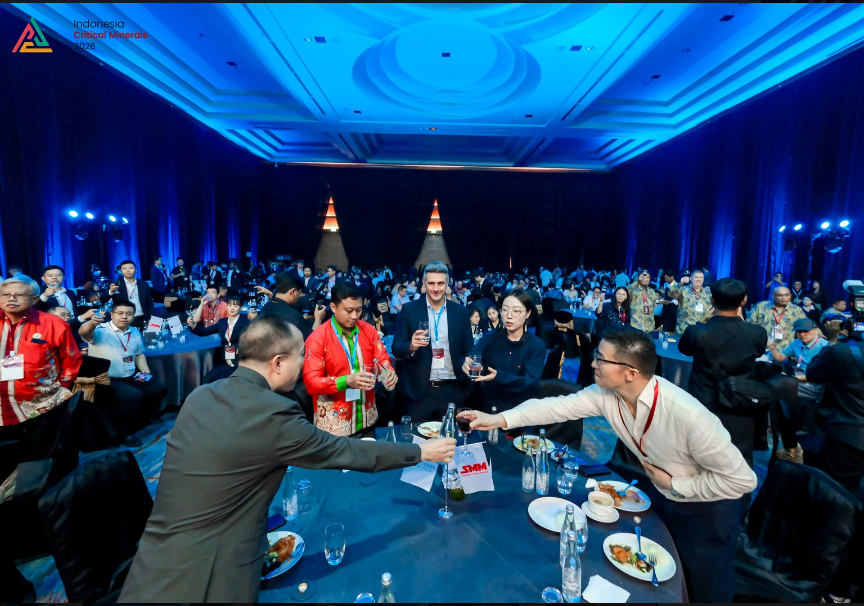
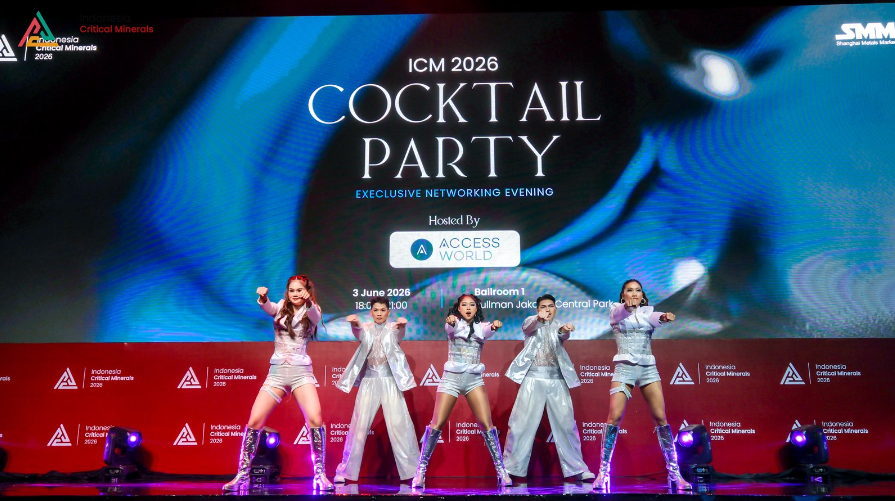
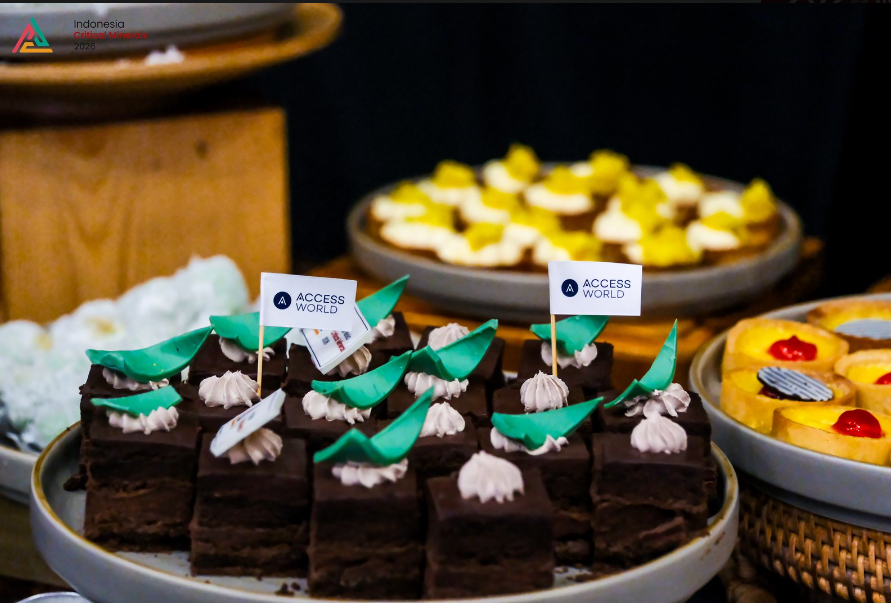
We extend our sincere gratitude to the global logistics leader Access World for its exclusive sponsorship of the cocktail party at this conference.
Founded in 1933, Access World has grown from a family business into an international logistics organization operating in 25 countries, with a strategically located network of ports and warehousing facilities in prime locations, ensuring the efficient daily handling and flow of goods. As an end-to-end logistics service provider, Access World has long been committed to simplifying global supply chains and enhancing the efficiency of commodity circulation.
It is worth noting that this marks the second consecutive year Access World has generously sponsored the cocktail dinner at the Indonesia Mining Conference & Critical Minerals Conference. For this steadfast commitment and dedication to deeply cultivating the industry and continuously empowering industry exchanges, the organizing committee and all attendees express our deep respect and gratitude.
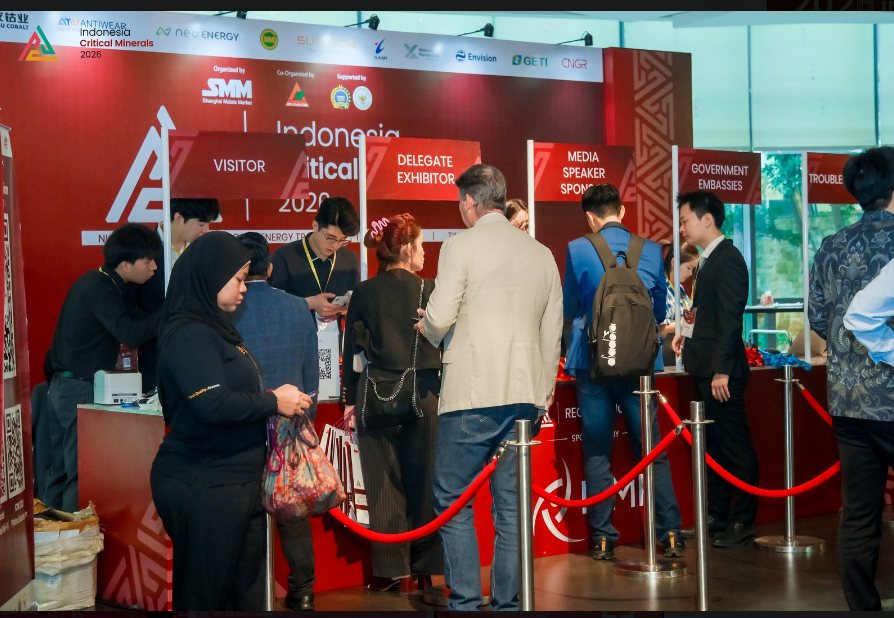
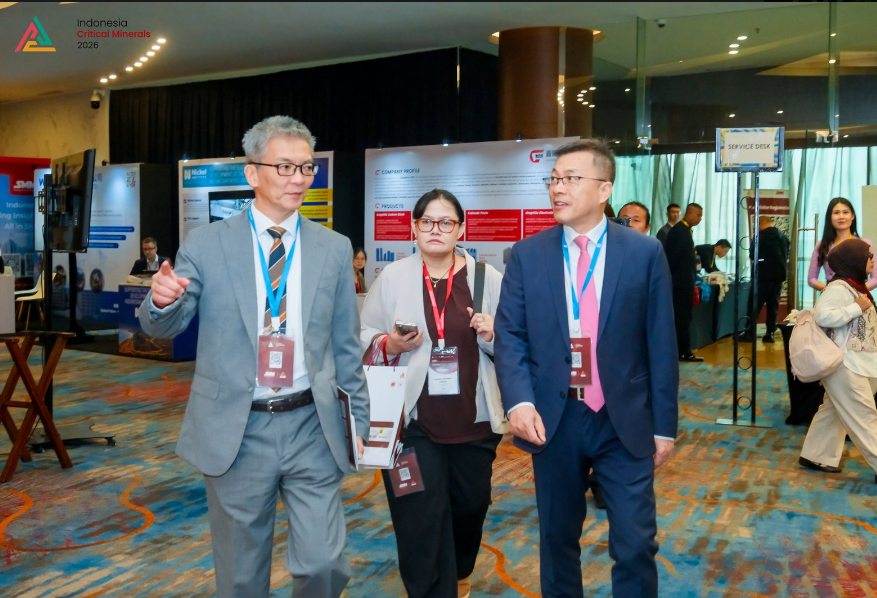
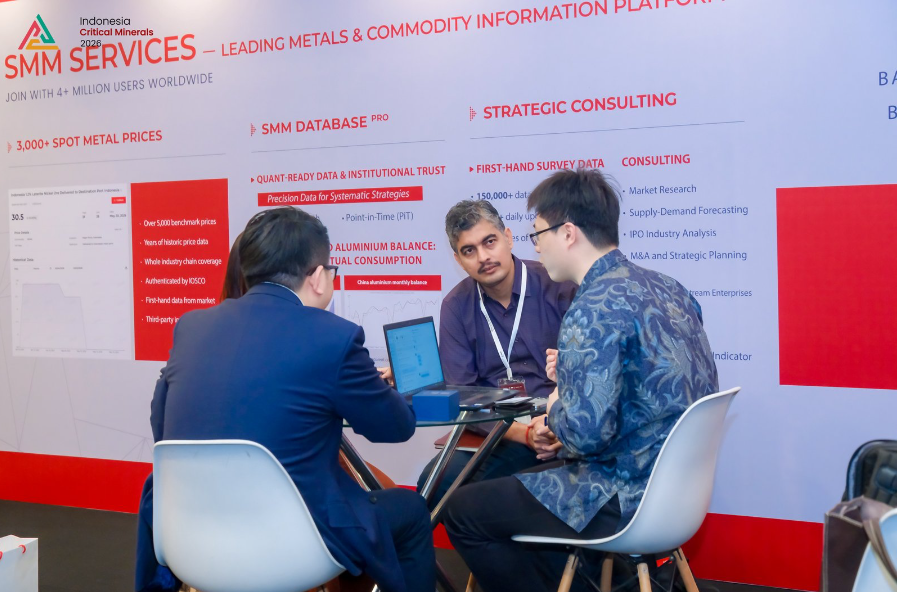
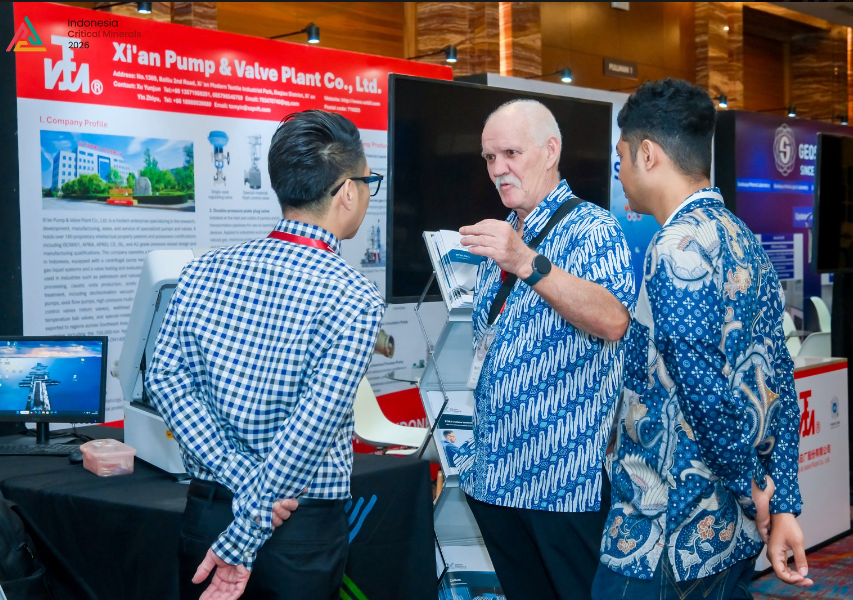
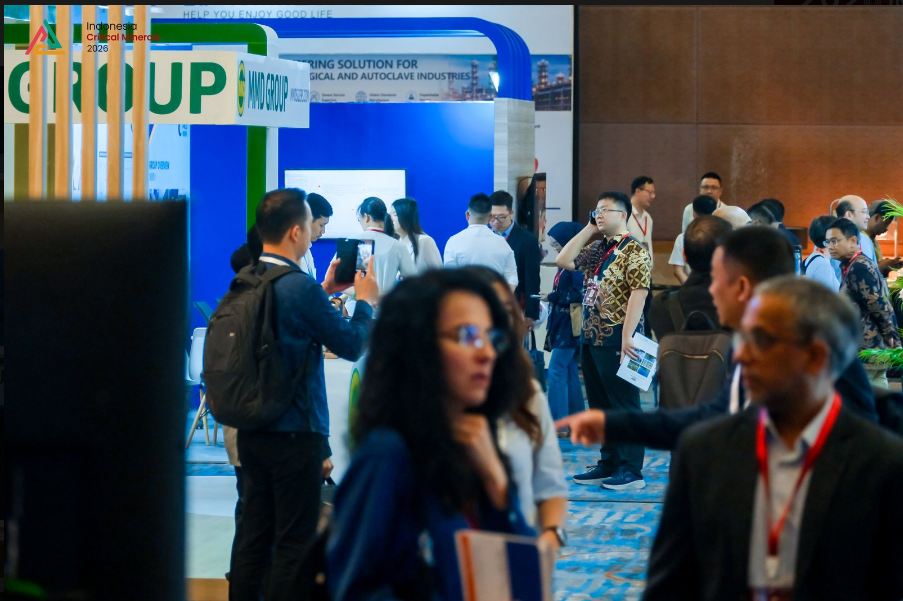
Check-in & Networking
![[Core Lithium Reaches Second Lithium Fines Sale Agreement with Glencore]](https://imgqn.smm.cn/usercenter/WgbTp20251217171727.jpg)