Chinese Energy and Chemical Company Plans to Build Magnesium Alloy Production Project in Turkmenistan
At the Turkmenistan-China Business Forum held in Ashgabat on 29 April, a Chinese energy and chemical company announced its proposal to build a magnesium alloy production project in Turkmenistan. The Chinese company is keen to establish a strategic partnership with relevant Turkmen institutions to jointly create a platform for cooperation in resource processing and industrial development. It is reported that the project will combine Turkmenistan’s raw material base with Chinese technical expertise, with the potential to create new production capacity and expand opportunities for economic cooperation. The proposer is an energy and chemical enterprise whose core businesses include coal mining, chemical production and renewable energy development. This proposal for a magnesium alloy project may open up new avenues for the export of Chinese magnesium industry technology and cooperation in overseas resource processing.
Brazil has significantly increased anti-dumping duties on magnesium ingots from China to US$4.07 per kilogram, effectively closing the direct export channel for China
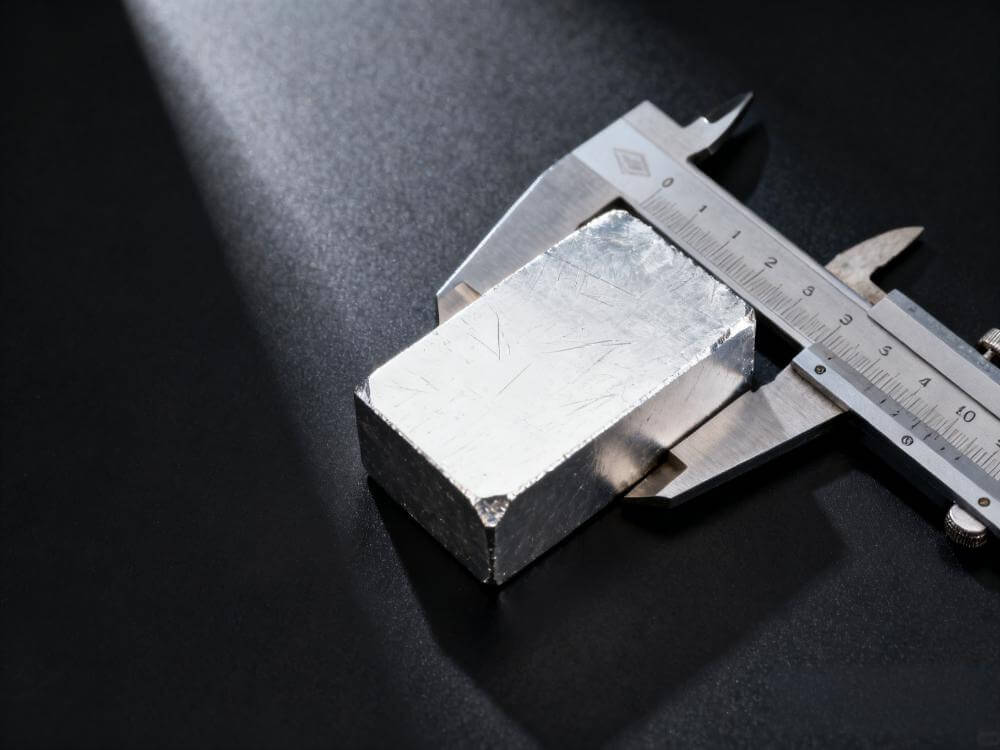
On 8 May 2026, Brazil’s Foreign Trade Commission decided to substantially increase the anti-dumping duty on magnesium ingots originating in China from US$1.18 per kilogram to US$4.07 per kilogram, representing an increase of approximately 245%. The products in question are magnesium ingots with a magnesium content exceeding 99.8%, and the new duty rate took effect from the date of publication. This represents the most substantial adjustment to the duty rate since Brazil launched its anti-dumping investigation into Chinese magnesium ingots in 2003; the rate had remained at US$1.18 per kilogram for over two decades prior to this. According to SMM research, Brazil’s domestic primary magnesium production capacity stands at only approximately 22,000 tonnes per annum, whilst annual import demand reaches as high as 300,000–400,000 tonnes, resulting in a significant supply-demand gap. Currently, direct Chinese exports of magnesium ingots to Brazil are negligible. This tariff hike will further block the entry of Chinese magnesium ingots into the Brazilian market, potentially prompting Brazil to turn to other overseas sources of primary magnesium, or forcing Chinese magnesium products to enter the Brazilian market indirectly in the form of processed goods or end products, thereby affecting global magnesium trade flows and product structures.