Recently, the Shanghai Municipal National Development and Reform Commission (NDRC) issued the notice on the *Key Work Arrangements for Carbon Peaking, Carbon Neutrality, Energy Conservation and Emission Reduction in Shanghai for 2026*.
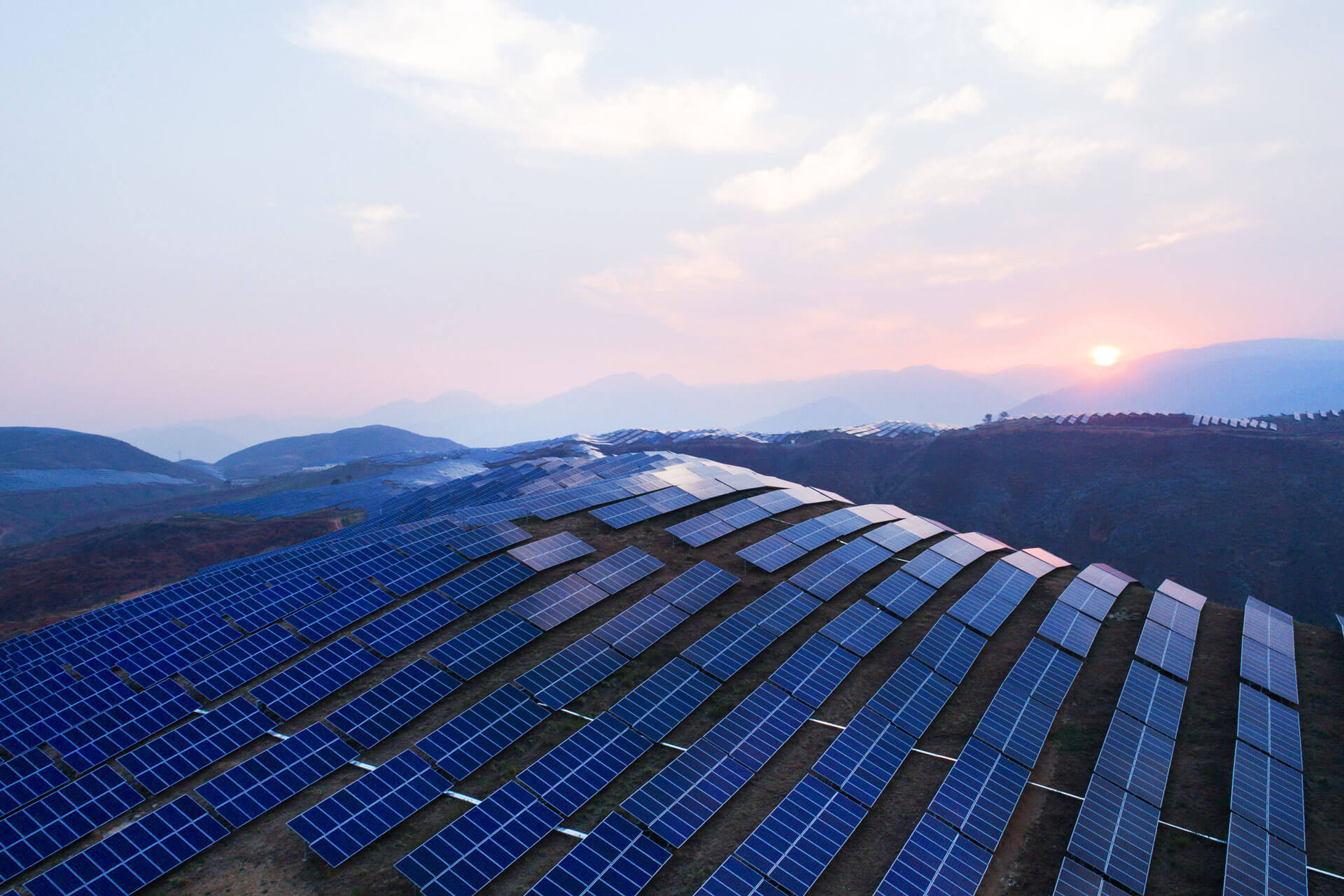
The document states that Shanghai will promote the diversified development of local renewable energy sources such as wind and solar power, with citywide PV installed capacity to increase by 600,000 kW. Two batches of standalone ESS power station projects will be advanced. The results of competitive bidding on mechanism-based electricity prices for new energy incremental projects will be publicly announced.
Huangpu District will be organized to carry out the national carbon peaking pilot program. Chongming District will be supported in steadily advancing the national pilot program for ecological product value realization mechanisms. The *Shanghai Action Plan for Accelerating Green and Low-Carbon Transformation (2024–2027)* will be implemented, promoting the deployment of 15 key application scenarios for green and low-carbon transformation. The construction of national-level zero-carbon industrial parks will be supported, and a number of municipal-level zero-carbon industrial parks will be developed.
The green and low-carbon performance of buildings will be continuously improved. The share of new civil buildings meeting the Samsung-level green building standard is expected to be no less than 10%. Greater efforts will be made to promote industrialization and intelligent transformation in the building sector, with prefabricated buildings accounting for over 90% of new construction. The energy conservation and carbon reduction performance of existing buildings will be comprehensively enhanced, a pilot program for energy efficiency grading of public buildings will be carried out, and the *Technical Guidelines for Energy Efficiency Grading and Evaluation of Public Buildings* will be formulated and issued. Energy-saving retrofitting of 6 million m² of existing public buildings will be completed, and the *Technical Catalog for Energy-Saving Retrofitting of Existing Public Buildings Version 2* will be formulated and released. Public institutions will be guided to participate in green electricity trading to increase their share of green electricity consumption, and will be encouraged to participate in virtual power plants, energy management contracting, energy cost trusteeship, and other initiatives. The five new towns will be required to fully implement ultra-low energy consumption building standards, and a post-evaluation mechanism for ultra-low energy consumption buildings will be established. The development of conservation-oriented government agencies, green shopping malls, green restaurants, and similar initiatives will continue to be promoted.
Details are as follows:
Key Work Arrangements for Carbon Peaking, Carbon Neutrality, Energy Conservation and Emission Reduction in Shanghai for 2026
In 2026, Shanghai will adhere to the guidance of Xi Jinping Thought on Socialism with Chinese Characteristics for a New Era, fully implement the spirit of the 20th National Congress of the Communist Party of China and the 2nd, 3rd, and 4th Plenary Sessions of the 20th Central Committee, carry out the work arrangements of the CPC Central Committee and the State Council, actively yet prudently advance carbon peaking and carbon neutrality, accelerate the comprehensive green transformation of economic and social development, fully establish the dual controls system for total carbon emissions and carbon intensity, and make a strong start for the 15th Five-Year Plan period.
In 2026, the city's carbon emissions per unit of GDP will meet the annual target as required by the national government. All districts, industries, and key areas will strengthen target decomposition and implementation mechanisms, setting annual targets in line with the progress required to achieve the 15th Five-Year Plan goals. Reduction targets for major pollutants — nitrogen oxides, volatile organic compounds, chemical oxygen demand, and total phosphorus — will meet the targets assigned by the national government. Continue to control total coal consumption. In light of the actual conditions of this city, the key work arrangements for carbon peaking, carbon neutrality, energy conservation, and emission reduction in 2026 are as follows:
I. Continuously Improve the Comprehensive Management System for Carbon Peaking and Carbon Neutrality
Fully implement the dual controls on total carbon emissions and carbon intensity, establish a comprehensive evaluation and assessment system for carbon peaking and carbon neutrality under the 15th Five-Year Plan, scientifically determine and allocate carbon emission targets at both the municipal and district levels, and carry out carbon emission budget management. Develop carbon emission statistical accounting methods at the industry and district levels, implement the carbon emission statistical flash reporting system, establish carbon emission monitoring and early warning mechanisms for key industries and districts, and conduct dual-control dispatching of carbon emissions. Issue the Shanghai 15th Five-Year Plan for Energy Conservation, Carbon Reduction, and Circular Economy Development. Leverage the role of institutions such as the CN100 Green and Low-Carbon Supply Chain Leading Enterprise Alliance to promote the development of green and low-carbon supply chains among key enterprises in steel, chemicals, automobiles, shipbuilding, electronics and electrical appliances, and other sectors. Continue to improve the Shanghai product carbon footprint background database. Enhance common service capabilities in carbon footprint accounting and verification. Launch the second batch of municipal-level pilot programs for product carbon footprint labeling and certification, and advance national pilot programs for product carbon footprint labeling and certification in the steel and electronics and electrical appliances (motors) sectors.
II. Continue to Promote Energy Conservation, Carbon Reduction, and Efficiency Improvement
Conduct the 14th Five-Year Plan district-level government evaluation and assessment of carbon peaking, carbon neutrality, and energy conservation target responsibilities, as well as the assessment of green and low-carbon transformation in designated functional areas. Carry out the assessment of 2025 coal consumption target completion for key coal-consuming enterprises and the allocation of 2026 targets. Strengthen source-level review of fixed asset investment projects, and formulate and issue the Technical Guidelines for Energy Conservation Review and Carbon Emission Assessment of Fixed Asset Investment Projects in Shanghai. Strengthen the management and control of "two-high" projects, issue the Notice on Conducting "Two-High" and Compliance Assessment for Proposed New Intelligent Computing Center Projects in This City, implement joint review of "two-high" projects, and strictly enforce equivalent carbon emission replacement for "two-high" industrial projects and equivalent energy consumption replacement for intelligent computing center projects. Strengthen energy consumption and carbon emission management of key entities. Study the establishment of an evaluation mechanism for energy conservation service institutions engaged in energy conservation consulting, review, and acceptance.
III. Accelerate the Green and Low-Carbon Transformation of Energy
The share of renewable energy power continued to increase, with the inter-provincial green electricity trading volume targeted to reach over 10 billion kWh. Complete the approval of the receiving-end cross-river supporting project for the Mongolia-to-Shanghai power transmission, accelerate the commencement of the Mongolia-to-Shanghai power transmission cross-river project, and expedite the preliminary work on the first batch of deep and distant offshore wind power demonstration projects. Promote the diversified development of local renewable energy sources such as wind and solar power, with a citywide addition of 600,000 kW in PV installed capacity. Advance the implementation of two batches of standalone ESS power station projects. Announce and implement the competitive bidding results for electricity prices under the new energy incremental project mechanism. Promote low-carbon transformation and construction of coal-fired power, strengthen clean and efficient utilization of coal, and continuously reduce the coal consumption level of coal-fired power plants.
IV. Advancing Green and Low-Carbon Upgrades in the Industrial and Communications Sectors
Accelerate the development of green industries and promote high-quality development of industries such as new-type energy storage and green fuels. Facilitate more than 10 energy-consuming enterprises in establishing energy-carbon management centers. Promote energy-saving diagnostics in 100 industrial enterprises. Continue to tap the energy-saving potential of key energy-consuming entities in the industrial and communications sectors, complete energy audits of 100 key energy-consuming entities, and achieve annual energy savings of over 200,000 mt of standard coal. Vigorously promote energy efficiency improvements in data centers. Promote mandatory cleaner production in 100 enterprises and voluntary cleaner production in 50 enterprises. Strive to newly certify 40 enterprises under the "Four Greens" initiative. Advance the transformation and upgrading of industries such as steel and petrochemical/chemical sectors. Accelerate the phase-out of high-energy-consuming outdated equipment. Increase the application of waste plastics, waste oils and fats, and biomass as raw materials in petrochemical and chemical products.
V. Continuously Improving Green and Low-Carbon Standards in the Building Sector
Ensure that new civilian buildings meeting the Samsung green building standard account for no less than 10% of total new construction. Intensify industrialization and intelligent transformation in the building sector, with prefabricated buildings accounting for over 90% of new construction. Comprehensively improve energy conservation and carbon reduction in existing buildings, carry out pilot programs for energy efficiency grading of public buildings, and formulate and issue the Technical Guidelines for Energy Efficiency Grading and Evaluation of Public Buildings. Implement energy-saving retrofits of 6 million m² of existing public buildings, and formulate and publish the Technical Catalogue for Energy-Saving Retrofits of Existing Public Buildings, Version 2. Guide public institutions to participate in green electricity trading, increase the proportion of green electricity consumption by public institutions, and promote their participation in virtual power plants, energy management contracting, and energy cost trusteeship. Promote comprehensive implementation of ultra-low energy consumption building standards across the five new towns, and establish a post-evaluation mechanism for ultra-low energy consumption buildings. Continue to advance the development of conservation-oriented government offices, green shopping malls, green restaurants, and similar initiatives.
VI. Accelerating Energy Conservation and Carbon Reduction in the Transportation Sector
Improve inland waterway transport network construction and continue to promote multimodal transport. Facilitate the integration of rail transit and bus networks, and continue to carry out projects and improvement programs for slow-traffic travel quality. Accelerate the transition to clean energy or new energy in urban public transport and non-road mobile machinery. Foster diversified, multi-scenario green fuel refueling service models. Actively promote the construction of charging and battery swapping facilities for heavy-duty trucks, increase the density of charging facility deployment at expressway service areas, strive for full coverage of shore power facilities at all normally operating port enterprises citywide, and expand the utilization of renewable energy at transportation hubs and stations. Advance ecological construction of transportation infrastructure, expand the scope of road maintenance using recycled road scrap, and deepen the smart green inspection system. Deepen the development of the carbon emission monitoring platform in Shanghai's transportation sector.
VII. Continuously Enhance Resource Recycling Capabilities
Optimize the implementation of the program of large-scale equipment upgrades and consumer goods trade-ins. Advance efforts in plastic pollution control, food conservation and anti-food waste initiatives, green transformation of express packaging, and the "zero-waste city" initiative. Accelerate the zero-landfill disposal of fly ash from municipal solid waste incineration, promote the upgrading of waste sorting facilities and equipment, and advance the upgrading of the recyclable materials collection system. Promote the resource utilization of construction waste concrete. Continue to implement and strengthen supervision of the "reverse invoicing" system under which resource recycling enterprises issue invoices to individual sellers of retired products.
VIII. Fully Leverage the Core Supporting Role of Scientific and Technological Innovation
Establish and improve regular mechanisms for technology scanning and market dynamics monitoring. Focus on areas such as controlled nuclear fusion, green fuels, and new energy, and build innovation consortia led by leading enterprises with deep integration of industry, academia, and research, and organize the tackling of key common technologies and pioneering disruptive technologies. Implement differentiated support and dynamic assessment strategies, strengthen upstream and downstream collaboration along the industry chain, and accelerate the industrialisation deployment and market promotion of green and low-carbon technology products.
IX. Continuously Consolidate and Enhance Carbon Sink Capacity
Add 100 parks, develop 500 hectares of new green space, and build 100 kilometers of greenways throughout the year. Advance the implementation of the Shanghai Forest Land Spatial Special Plan (2026–2035). Consolidate the achievements in Spartina alterniflora control. Continue to advance wetland ecological conservation and restoration projects.
X. Vigorously Implement Green and Low-Carbon Scenario Applications
Organize Huangpu District to carry out the national carbon peaking pilot program. Support Chongming District in steadily advancing the national pilot program for realizing the value of ecological products. Implement the Shanghai Action Plan for Accelerating Green and Low-Carbon Transformation (2024–2027), and promote the deployment of 15 key application scenarios for green and low-carbon transformation. Support the construction of national-level zero-carbon industrial parks, and organize the construction of a number of municipal-level zero-carbon industrial parks.
XI. Actively Advocate Green and Low-Carbon Public Participation
Organize themed publicity activities for National Ecology Day, National Energy Conservation Awareness Week, National Low-Carbon Day, and June 5 Environment Day. Continue to carry out the green and low-carbon travel month campaign. Host the 2026 Shanghai International Carbon Neutrality Technology, Products and Achievements Expo. Conduct carbon peaking and carbon neutrality education and training series, publicity activities for the Shanghai Regulations on Promoting Green Transformation of Development Patterns, and interpretation of policies related to green trade barriers, and provide services such as carbon accounting and technical training. Promote the development of district-level carbon inclusion sub-platforms.
XII. Continuously Strengthen Pollutant Emission Reduction Efforts
Implement equal or reduced replacement of total emission quotas of major pollutants for construction projects. Strictly implement the environmental impact assessment system and enforce the requirements for the comprehensive implementation of the pollutant discharge permit system. Explore and study the environmental protection evaluation system for coal-fired power generation units under the spot market framework. Achieve the major pollutant emission reduction targets assigned by the state, and continuously implement the management requirements for inefficient VOCs. Carry out the paid use and trading of emission rights for nitrogen oxides and volatile organic compounds from new construction projects. Continuously strengthen the precise management and control of startup, shutdown, inspection, and maintenance operations at petrochemical and chemical enterprises, and enhance on-site supervision during operations. Continue to promote the phase-out of National IV diesel vehicles and implement the restriction policy on National IV diesel freight vehicles. Continue to advance the clean transformation of remaining fuel-fired boilers and furnaces, the investigation of illegal dumping of solid waste, and near-zero landfill initiatives.
XIII. Establish and Improve Policy Mechanisms for Energy Conservation and Emission Reduction
Revise the Administrative Measures for Special Funds for Energy Conservation and Emission Reduction (Addressing Climate Change) of Shanghai Municipality and the special support measures for various sectors. Carry out the formulation and revision of documents and standards such as the Accounting Standards for Comprehensive Utilization of Renewable Energy in Civil Buildings. Maintain the stable operation of the national carbon emission trading system, promote the quality and efficiency improvement of the Shanghai carbon market, and perform all supervisory and management tasks for the 13th compliance cycle of the Shanghai carbon market. Revise the administrative measures for environmental pollution liability insurance of this municipality, implement relevant reward and punishment measures for related enterprises to purchase environmental liability insurance, promote "full coverage for all eligible enterprises," and advance the development of the green insurance system.
XIV. Deepen and Strengthen Accountability Implementation and Supervision and Law Enforcement
Promote all districts to fulfill their targets and responsibilities for carbon peaking, carbon neutrality, energy conservation, and emission reduction, strengthen the management of binding indicators, and establish an evaluation, scheduling, and notification mechanism. Continue to carry out law enforcement monitoring and inspections on motor vehicles and non-road mobile machinery, small and medium-sized boilers, gas stations and oil depots, and self-supplied fuel of enterprises, and continue to conduct on-site monitoring of VOCs emission flux in key industries (petrochemical and chemical). Fully implement classified and graded supervision of stationary pollution sources, deepen the "double random, one public disclosure" system, and improve the positive list for environmental law enforcement. Organize and carry out energy conservation inspections, and conduct supervisory checks on energy conservation reviews of fixed asset investment projects, the implementation of energy consumption limit standards per unit of product, and the energy consumption limits of key energy-consuming entities. For violations related to energy conservation reviews, implement joint disciplinary actions in accordance with laws and regulations pursuant to the Administrative Measures for Energy Conservation Review and Carbon Emission Assessment of Fixed Asset Investment Projects.
Appendix: Table of Key Tasks and Division of Responsibilities for Carbon Peaking, Carbon Neutrality, Energy Conservation, and Emission Reduction in 2026
Related Attachments
Click to view the link to the original document:
![[Solar PV: Zambia Launches Largest 250 MW Hybrid Solar-Plus-Storage Project]](https://imgqn.smm.cn/usercenter/mfLxa20251217171736.jpg)
![[Solar PV: Poland’s 204 MW Zwartowo Solar Plant Becomes First to Join Balancing Market]](https://imgqn.smm.cn/usercenter/xAoMy20251217171743.jpg)
![[Solar PV: Swimsol Commissions 2.4 MW Floating Array in Maldives, Enabling Daylight Solar Independence]](https://imgqn.smm.cn/usercenter/zMauQ20251217171742.jpg)